
Aliso Viejo, California · Workers' Compensation
Denied Workers' Compensation Claim in Aliso Viejo, California
Hurt at work in Aliso Viejo? Workers' comp pays for medical care and part of your lost pay while you heal. A free call tells you where you stand.
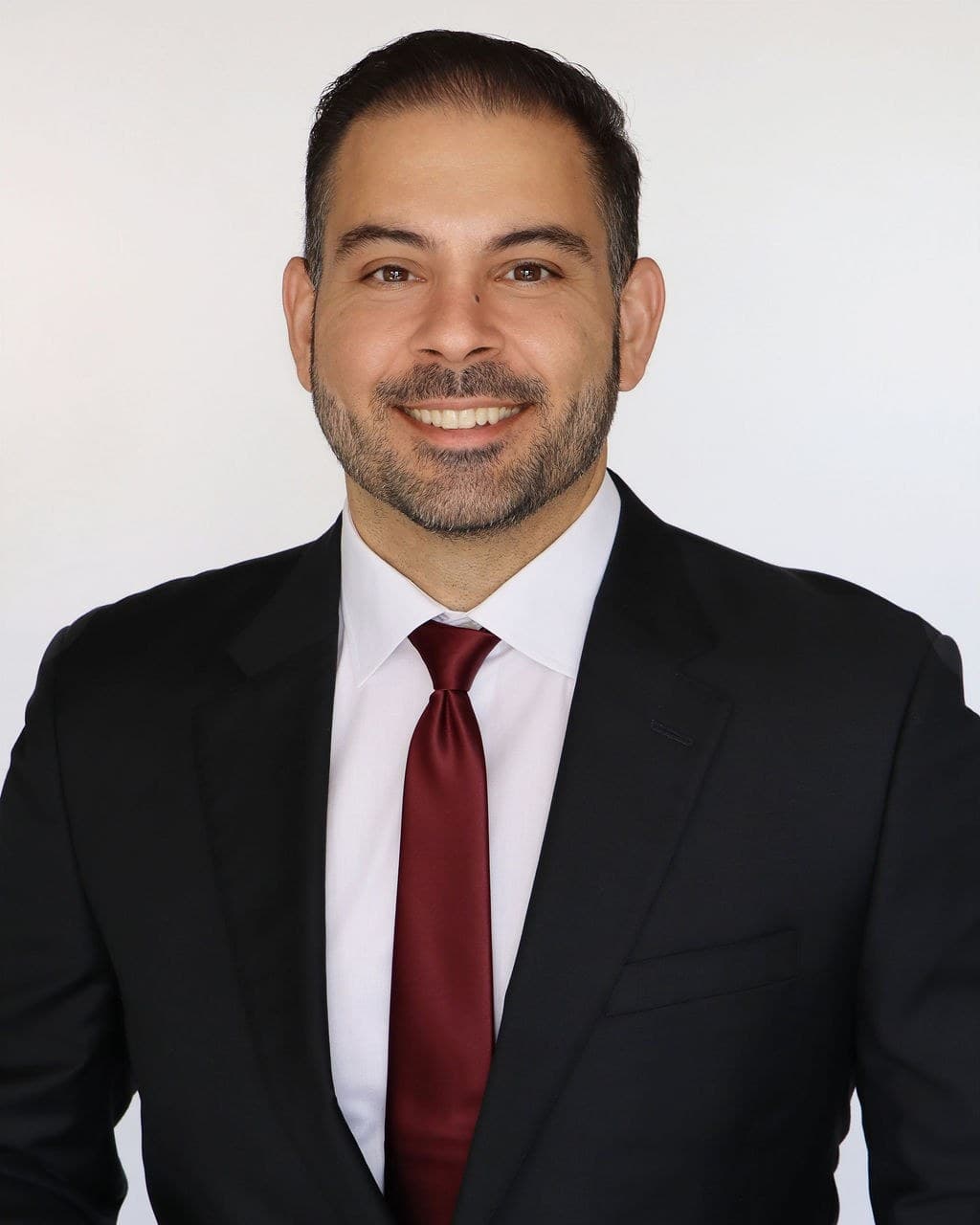
Eman Yazdchi, Esq., Certified Specialist in Workers' Compensation Law, California Board of Legal Specialization, State Bar of California.

California Board of Legal Specialization, State Bar of California

California Board of Legal Specialization, State Bar of California
- 14+
- Years of Practice
- 500+
- Cases handled over 14+ years
- $7M+
- Recovered over 14+ years
- 3
- Languages: English, Español, Farsi
Past results do not guarantee, warrant, or predict future cases. Each case is different and results depend on specific facts and circumstances.

By Eman Yazdchi, Esq. · Certified Specialist in Workers' Compensation Law, California Board of Legal Specialization, State Bar of California · Cal Bar #285231
A denial is not the end. It is the beginning of the fight for your benefits. If your workers' comp claim was turned down in Aliso Viejo, you have real options. You can push back, and you do not have to do it alone.
Workers at Pacific Life, at the Glenwood office campuses, and in the shops and restaurants at Aliso Viejo Town Center face denials every week. The insurer is counting on you to accept the letter and walk away. Here is what to do instead.
Eman Yazdchi is a Certified Specialist in Workers' Compensation Law, certified by the California Board of Legal Specialization, State Bar of California. He fights denied claims at the Long Beach WCAB for Aliso Viejo workers at no upfront cost. Call (661) 273-1780 for a free review.
Three steps for today:
- Read the denial letter. It must give the exact reason your claim was turned down. Write that reason down.
- Note the date on the letter. Your deadline runs from that date, not the day you received it.
- Call us today. A free review at (661) 273-1780 takes about 15 minutes and tells you exactly which deadline applies and what must happen right now.
Was your Aliso Viejo claim turned down? Here is what to do first.
Read the denial letter, note the exact reason, and call a lawyer before your deadline passes. A denial is a step in the process, not the last word.
Getting that letter is a gut punch, especially when you are already hurting and worried about your bills. But a denial starts the clock on a process you can win. The key is knowing what was denied, why, and which path lets you fight back.
California law requires the insurer to state the legal ground for every denial. That reason tells you exactly which argument to attack and which appeal route to use. We look at denial letters all day. We know which reasons are solid and which ones fall apart with the right evidence.
Why do insurers deny workers' comp claims?
The four most common reasons: the injury was called non-work-related, an old condition was blamed, the report came in late, or the requested treatment was called unnecessary.
Insurance companies are businesses. Turning down a claim saves them money. But their reason has to fit one of the recognized legal grounds, and most of the time their position is far weaker than the denial letter sounds.
Here are the four reasons we see most often from Aliso Viejo employers and their carriers:
- Not work-related. The insurer argues your injury came from life outside the job. This happens constantly on cumulative-trauma claims from office workers along the Glenwood corridor. They say the wear on your shoulder, wrist, or back came from your personal life, not your workday.
- Pre-existing condition. They find an old record showing any prior issue and use it to say the damage was already there. Pacific Life employees who have ever had an orthopedic complaint on file see this move often.
- Late report. If you did not report the injury in writing within 30 days, the insurer may try to use the gap against you. In many situations a late report does not kill the claim, but it gives the insurer room to maneuver if you do not respond.
- Treatment not medically necessary. Your doctor ordered a rotator-cuff repair, a knee scope, pain injections, or an opioid-management program. The insurer's reviewer, through a process called Utilization Review, decided those do not meet state guidelines. This is a treatment denial with its own separate appeal path.
None of these is a dead end. Each one can be challenged. The right approach depends on which ground appeared in your letter.
The 90-day rule: what §5402 means for your claim
After you file your DWC-1 form, the insurer has 90 days to accept or turn down your claim. Miss that window, and the law presumes your injury is covered.
This is the rule that changes everything for many denied workers, and most workers never hear about it.
Labor Code §5402(b): "If liability is not rejected within 90 days after the date the claim form is filed under Section 5401, the injury shall be presumed compensable under this division."
In plain words: once you hand in your DWC-1 claim form, the insurer has 90 days to send you a formal denial. If it does not, the law treats your injury as covered. The insurer loses the right to argue the injury was not work-related.
There is a second part of this same law that matters from day one. During those 90 days, while the insurer is still deciding, it owes you up to $10,000 in medical care right away. You do not have to wait for a yes before seeing a doctor. Your treatment cannot be frozen during the investigation. If your insurer is stalling your care while it deliberates, that is a problem we can address immediately.
If your insurer sat on your claim past 90 days and then tried to deny it, call us today. There is a specific legal remedy for that situation, and it is one of the strongest positions a denied worker can have.
Denied treatment vs. a denied claim: two different fights
A turned-down treatment goes through a medical review process. A turned-down claim goes to the appeals board. Both tracks have strict, short deadlines.
These are separate tracks, and mixing them up wastes time and can cost you the case. Here is the difference.
A denied treatment means your claim was accepted, meaning the insurer agreed you were hurt at work, but it turned down what your doctor ordered. Lumbar fusions, rotator-cuff repairs, knee scopes, and pain programs are denied at first Utilization Review in Aliso Viejo cases all the time. The appeal for a treatment denial goes through Independent Medical Review. You have 30 days from the Utilization Review denial to request it. An independent physician, not the insurer's, reads your file and either agrees with your treating doctor or does not. If that reviewer sides with your doctor, the treatment must be approved. If the review goes against you, it can only be challenged on very narrow grounds: fraud, a clear conflict of interest, or bias. That standard is hard to meet, which is why catching the 30-day window matters so much.
A denied claim means the insurer rejected the whole thing, saying your injury was not work-related or you do not qualify. That dispute goes to a hearing before a workers' comp judge at the Long Beach WCAB. If the judge rules against you, you have the right to file a Petition for Reconsideration (a written request asking the board to look at the decision again). You have 25 days from a mailed ruling, or 20 days from an electronic one. After that, there is still a path through a Writ of Review to the Court of Appeal within 45 days.
A case you thought was over may not be. If your injury returned or got worse after your case closed, a Petition to Reopen lets you go back within five years of the original injury date. This surprises many workers who believed they had no options left.
How long do you have to respond?
Deadlines in workers' comp are short and strict. A missed deadline can permanently close your options. Here are every window you need to track.
This is where denied-claim cases are lost. The table below lays out every deadline in order. They apply to every Aliso Viejo worker exactly the same way.
| What was denied | Your appeal route | Deadline | Law |
|---|---|---|---|
| Treatment denied at Utilization Review | Independent Medical Review | 30 days from the denial | §4610.5 |
| IMR upheld the denial | Challenge only on narrow grounds (fraud, bias, conflict of interest) | 30 days | §4610.6 |
| A judge's decision (Findings and Award) | Petition for Reconsideration | 25 days if mailed, 20 if served electronically | §5903 |
| Reconsideration denied | Writ of Review to the Court of Appeal | 45 days | §5950 |
| New or worse disability after a closed case | Petition to Reopen | Within 5 years of the injury date | §5803 |
Not sure which deadline applies to your situation? A free call at (661) 273-1780 takes about 15 minutes and gives you a clear answer on which clock is running.
What to do the day your denial letter arrives
Read it, photograph it, check the date, and call a lawyer that same day. The clock starts from the date on the letter, not the day you opened it.
Here is what to do before the day ends:
Step 1: Read it fully. The insurer must state the legal ground for every denial. Circle that sentence. That is your target in the appeal.
Step 2: Photograph or scan it right away. Letters get lost, damaged, and misplaced. A digital copy takes ten seconds and protects your case.
Step 3: Check the date. Your deadline runs from the date the letter was issued, not the day you found it in the mail. A few days of delay can quietly eat into your window.
Step 4: Call before you sign anything. Quick settlement offers that arrive after a denial are often for far less than you are owed. Do not sign until you have talked to a lawyer. Reach us at (661) 273-1780.
Can you be fired for fighting a denial?
No. California law protects you from any punishment for filing or pursuing a workers' comp claim. If your employer retaliates anyway, you have a separate case on top of your workers' comp claim.
This worry comes up in nearly every call we get from Aliso Viejo workers, especially those on shorter-term contracts or in service and retail jobs. The fear is real. But so is the legal protection.
California's anti-retaliation law bars your employer from firing you, cutting your hours, skipping you for a raise, or treating you differently in any way because you filed a claim or pushed back on a denial. If they do any of those things, you can win your job back, your lost wages, and a penalty added to your award. Tell us right away if your boss's attitude or your schedule changes after you file.
These protections cover every worker in California, regardless of immigration status. If anyone at your company has ever hinted that filing a claim could cause problems with your paperwork or status, that hint is its own violation of California law. You have the right to file, and you cannot be punished for using it.
What does it cost to fight a denial?
Nothing up front. Nothing unless we win. California sets workers' comp attorney fees at the end of the case, usually 12 to 15 percent of what we recover.
You never pay by the hour, and nothing is owed to start. At the end of your case, the WCAB judge sets the attorney fee: usually 12 to 15 percent of the recovery, and only if there is a recovery. If we do not win anything for you, you owe nothing. A server from Aliso Viejo Town Center and an analyst from Pacific Life get the same quality of representation. That is what the fee structure is designed to do.
Results in cases like this
Every case is different. Past results do not guarantee, warrant, or predict a similar outcome.
$5,000,000
Catastrophic spinal cord injury
$1,500,000
Cervical spine injury
$425,000
Slip and fall accident
Find Out What Your Aliso Viejo Case May Be Worth
Two minutes. No fee unless we win; costs may apply.
Question 1 of 5
What type of injury do you have?
Not ready to fill this out? Just call (661) 273-1780 and we’ll ask the same questions by phone.
Free Consultation
Call or send the short form. We review your case, explain your rights, and outline your options. Free, no obligation.
We Build Your Case
We gather medical evidence, handle the insurance company, and file all the workers' comp court (WCAB) paperwork for you.
We Pursue Every Benefit
Medical care, lost wages, and permanent disability benefits. No fee unless we win your case; costs may apply.
Denied claims at the Long Beach WCAB: what Aliso Viejo workers need to know
Aliso Viejo cases are heard at the Long Beach WCAB. Eman Yazdchi appears there regularly on denied claims from the city's office, retail, and service-trades employers.
Where is the Long Beach WCAB, and who does it cover?
Workers' comp disputes from Aliso Viejo go to the Long Beach district office of the Workers' Compensation Appeals Board, at 300 Oceangate, Suite 200, Long Beach. That district covers much of Orange County and the South Bay. Yazdchi Law appears there regularly on denied and disputed claims from Aliso Viejo employers. Related: Orange County workers' comp claims and Laguna Niguel denied claims.
Which Aliso Viejo jobs produce the most denied claims?
Aliso Viejo is a master-planned community built around office campuses, retail, and residential services. Its denial patterns reflect that mix:
- Financial and professional services: Workers at Pacific Life Insurance Company and throughout the Glenwood office-campus corridor file cumulative-trauma claims for carpal tunnel, shoulder strain, and back problems. Carriers routinely call these injuries non-industrial, arguing a desk job cannot produce the reported damage.
- Retail and food service: Staff at Aliso Viejo Town Center shops, restaurants, and service businesses face treatment denials for knee, back, and shoulder injuries caused by long hours on hard floors and repetitive lifting.
- Residential service trades: Painters, landscapers, maintenance workers, and contractors serving the master-planned neighborhoods get denial letters based on alleged pre-existing conditions or disputed injury dates.
- Academic services: Facilities, maintenance, and service staff at Soka University face the same pattern as other campus workers: cumulative orthopedic injuries labeled non-industrial, or treatment denied at the first Utilization Review.
The firm's Aliso Viejo intake checklist asks about the exact language in the denial letter on day one. That phrasing tells us which argument the insurer plans to use and what evidence we need to knock it down.
What is the Independent Medical Review process for Aliso Viejo treatment denials?
When a treatment is denied through Utilization Review, the appeal goes through Independent Medical Review. For Aliso Viejo workers, that process is run by Maximus Federal Services on behalf of the California Division of Workers' Compensation. You request it within 30 days of the Utilization Review denial. Maximus assigns an independent physician who reviews your records against the state's treatment guidelines. If that reviewer agrees with your treating doctor, the insurer must approve and pay for the care. We handle these appeals for Aliso Viejo workers and make sure the medical file going to the reviewer is complete and presented in the strongest possible shape.
Has the firm recovered benefits for denied workers?
Yazdchi Law has represented hundreds of California workers and appears regularly at the Long Beach WCAB on denied and disputed claims. The firm has recovered up to $5,000,000 for a catastrophic spinal-cord injury and $1,500,000 for a cervical-spine case. Past results do not guarantee future outcomes, because every case turns on its own facts. What we can say is that a denied claim is not a closed claim, and the Long Beach WCAB has seen many of these reversed.
About your attorney
Eman Yazdchi is a Certified Specialist in Workers' Compensation Law, certified by the California Board of Legal Specialization, State Bar of California (CA Bar #285231). Only a small fraction of California attorneys hold this credential. He has represented hundreds of California workers and appears regularly at the Long Beach WCAB on denied and disputed claims. More about Eman Yazdchi. Verify his State Bar profile.
Nearby cities we serve
Injured at work in Aliso Viejo? Talk it through for free.
Most claims must be filed within one year under Labor Code section 5405. A free call tells you where your clock stands.
Frequently Asked Questions
What happens if the insurer misses the 90-day deadline to deny my claim?
What does the $10,000 in interim medical care cover while the insurer investigates?
What are the most common reasons workers' comp claims get denied in Aliso Viejo?
Can I be fired for fighting a denial of my workers' comp claim?
My treatment keeps getting denied even though my claim was accepted. What do I do?
My case was already closed. Can I still do something if my condition got worse?
Does my immigration status affect my right to fight a denied claim?
How much does it cost to hire a lawyer to fight my denied claim?
Last reviewed by Eman Yazdchi, Esq., June 2026.
Free case evaluation
Get your free Aliso Viejo case evaluation
Three fields. We respond within one business day.
Talk to a Certified Specialist
Certified Specialist in Workers' Compensation Law, California Board of Legal Specialization, State Bar of California.
Takes 30 seconds. No obligation.
Eman really knows his stuff and we were very pleased with our end result.
I am glad and so very pleased...he made happen what no other attorney could do. So far he has proven his weight in gold.
Client testimonials. Testimonials are not a guarantee, warranty, or prediction of the outcome of your case.