
Arts District, California · Workers' Compensation
Arts District Workers' Compensation Lawyer
Hurt at work in Arts District? Workers' comp pays for medical care and part of your lost pay while you heal. A free call tells you where you stand.
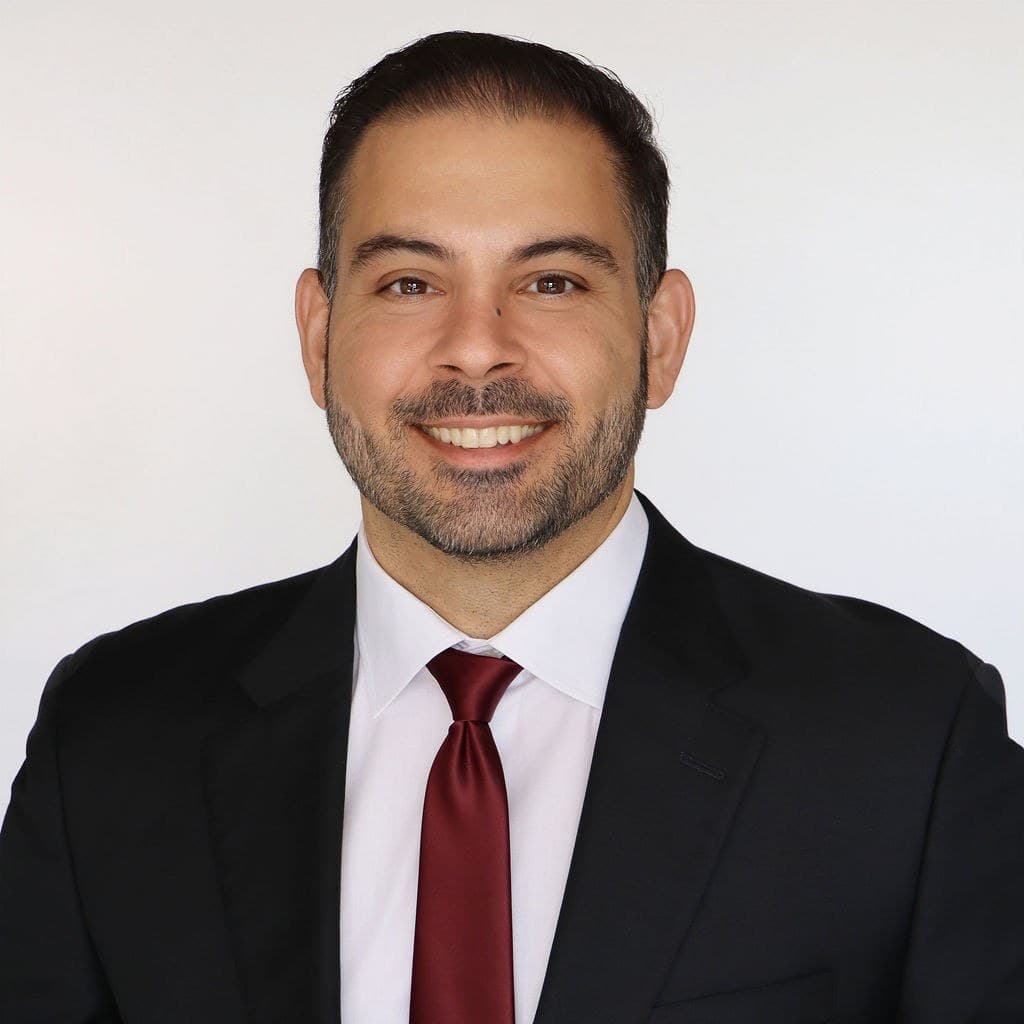
Eman Yazdchi, Esq., Certified Specialist in Workers' Compensation Law, California Board of Legal Specialization, State Bar of California.


California Board of Legal Specialization, State Bar of California
California Board of Legal Specialization, State Bar of California
- 14+
- Years of Practice
- 2,000+
- Cases handled over 14+ years
- $50M+
- Recovered over 14+ years
- 3
- Languages: English, Español, Farsi
Past results do not guarantee, warrant, or predict future cases. Each case is different and results depend on specific facts and circumstances.
Prepared by Yazdchi Law
If you were hurt on the job in the Arts District, you have rights. You do not have to face the insurance company alone. Maybe you cook on a hot line or pour kegs at a brewery. Maybe you hang gallery shows or build out a loft. Either way, the law is on your side.
Take a breath. You are probably worried about rent, your job, and your health. Here is the short version. Your medical care gets paid in full. You get two-thirds of your wages while you heal. You get a cash award if the injury lasts. It does not matter whose fault it was. You qualify even if no one was careless. In most cases you have one year to file. So do not wait.
Eman Yazdchi is a Certified Specialist in Workers' Compensation Law. He is certified by the California Board of Legal Specialization, State Bar of California. He has represented hundreds of injured California workers. He appears regularly at the Los Angeles WCAB downtown. Call (661) 273-1780 for a free review.
Here is what to do today:
- Tell your boss in writing. A text or email works. Say you were hurt at work and give the date.
- Ask for the DWC-1 claim form. Your employer has one working day to hand it over. If they stall, call us at (661) 273-1780. That delay alone can break the rules.
- See a doctor. Say the injury is from work. This puts the cause on the record. Do not let the insurer's doctor be your first stop.
Do you have an Arts District workers' comp case?
If your Arts District job caused your injury, you very likely have a claim. That can mean paid care, wage checks, and a cash award.
Most hurt workers ask the same thing. Do I really have a case? If you were doing your job when you got hurt, you most likely do. Workers' comp is a no-fault system. You give up the right to sue your employer. In return, the employer pays your benefits. That holds true even if no one was careless. You do not have to prove anyone messed up.
Labor Code §3600: "Liability for the compensation provided by this division ... shall, without regard to negligence, exist against an employer for any injury sustained by his or her employees arising out of and in the course of the employment."
The injury only has to come from your work. Lawyers call this AOE/COE. It is short for arising out of and in the course of employment. In plain words: the job caused it, and it happened while you were working. A burn on the Bestia line counts. So does a fall from gallery rigging at Hauser and Wirth. So does a back that gives out unloading a truck on Alameda Street.
It also does not matter how the injury happened. One bad moment counts. So does slow wear over time. A single slip on a wet kitchen floor is a specific injury. The carpal tunnel a creative-office worker builds up over years of typing is a build-up injury. California covers both. For a build-up injury, the law sets a special start date. It is the day you felt the problem and learned the job caused it.
Nearly every employee is covered from the first shift. That includes full-time, part-time, and seasonal workers. It also includes undocumented workers. California protects you no matter your immigration status. Your boss cannot use that status to scare you out of a claim. Our office speaks Spanish, and your status stays your business.
What benefits can you receive?
Workers' comp covers your medical care in full, replaces most of your lost wages, pays a cash award for lasting harm, and funds retraining.
The first benefit is medical care. It is the one workers worry about most. By law, the insurer must pay for all the treatment you need to recover. That covers doctor visits, imaging, surgery, physical therapy, and medicine. You pay no copay and no deductible. Not one dollar comes out of your pocket.
The next benefit replaces your paycheck. When your doctor keeps you off work, you get temporary disability. It pays two-thirds of your average weekly wage, up to a weekly state cap. It can run for up to 104 weeks within five years. So a line cook told to rest a burned arm still gets a check. It is not full pay, but it keeps the lights on.
If your injury leaves lasting harm, you get permanent disability. First your body has to settle. That is the point where you are as healed as you are going to get. Then a doctor rates the damage that remains as a percentage. That percentage decides how many weeks of payments you receive. We show how it turns into money in the next section.
Your medical care can also continue after your case settles. If your doctor says you will need ongoing treatment, that future care has value too. We make sure it is counted, whether the case closes by award or by a lump-sum settlement. A worker with a bad knee should not be left paying for later care alone.
Two more benefits get missed a lot. You can be paid back for mileage to your medical visits and the pharmacy. So keep a log of every trip. And if your injury keeps you from your old job, a state voucher worth up to $6,000 helps you retrain. A gallery installer who can no longer climb rigging might use it to learn office work.
How much is an Arts District workers' comp claim worth?
It depends on your lasting damage, your age, your job, and your future care. There is no set price, only an honest, case-by-case read.
Here is the honest answer. No one can promise a number up front. Anyone who does is guessing. Your award turns on a few things. How much lasting harm you carry. Your age. How hard your job is on your body. And the future care you will need.
Here is how a rating becomes money. Once your body settles, a doctor scores the lasting damage as a percentage. For injuries since 2013, the law applies a 1.4 multiplier, then adjusts for your age and job. Physical work, like brewery production or set building, can move the number up or down. That final percentage sets your payment weeks.
One word drives a lot of the fight: apportionment. The insurer often blames part of your harm on an old injury or normal aging. Why? Because every share they pin elsewhere is a share they do not pay. The law makes their doctor prove the exact how and why of any split. A guess is not enough. We hold them to that standard.
When you and the insurer disagree on the medical facts, a neutral doctor settles it. The state sends a panel of three names. Each side strikes one, which leaves a single Qualified Medical Evaluator. That doctor examines you and writes the report that drives your rating. Picking from that panel is a key step, and we do it with care.
The table below shows general California ranges by how serious the injury is. It is background, not a promise about your claim.
| Injury severity | Typical permanent-disability rating | Approximate value range |
|---|---|---|
| Minor strain or sprain, full recovery | 0 to 10 percent | $2,000 to $20,000 |
| Moderate injury needing surgery | 10 to 25 percent | $20,000 to $70,000 |
| Serious injury or single-level fusion | 25 to 50 percent | $70,000 to $180,000 |
| Severe or multi-level injury | 50 to 80 percent | $180,000 to $400,000 |
| Catastrophic spinal-cord or brain injury | 80 to 100 percent | $400,000 and up, plus lifetime care |
These are general California ranges, not a prediction. Your actual award depends on your disability rating, age, occupation, and future medical care. Past results do not guarantee future outcomes.
Across all its cases, our firm has recovered up to $5,000,000 for a catastrophic spinal-cord injury. In another case it recovered $1,500,000 for a cervical-spine injury. Past results do not guarantee future outcomes. Every injury and every worker is different. For an honest read on your own claim, call (661) 273-1780.
What if the insurer denies your claim?
A denial is not the end. It is the start of the fight. You still get care while they decide, and you can appeal fast.
After you file, the insurer has 90 days to accept or deny your claim. Miss that deadline, and the law presumes your injury is covered. Even while they investigate, they owe up to $10,000 in medical care right away. They cannot leave you in pain during the wait.
Many denials are about one treatment, not the whole claim. The insurer runs your doctor's request through a step called utilization review. Say a reviewer rejects the surgery your doctor ordered. You can appeal through Independent Medical Review within 30 days. An outside doctor then checks the request against the state's rules. Do not let that 30-day clock run out.
If a judge rules against you, the case is still not over. You can ask for reconsideration, usually within 25 days. A higher court can review the decision after that. And if your injury later gets worse, you can reopen the case within five years. We map out which step fits you.
And if your employer punishes you for filing, that is against the law. Firing you, cutting your hours, or pushing you out all count as illegal retaliation. You may win your job back, your lost pay, and a penalty of up to $10,000. Tell us the moment things change at work after you report an injury.
How long do you have to file in the Arts District?
Report the injury within 30 days. File your claim within one year. A build-up injury's clock starts when a doctor links it to work.
Two clocks matter here. Missing either one hands the insurer an opening. First, tell your employer within 30 days. Second, file your formal claim within one year. For a build-up injury, the law decides when that year starts. It is the day you felt the problem and knew, or should have known, it was work-related.
| What you do | Deadline | Law |
|---|---|---|
| Tell your employer in writing | 30 days from injury | §5400 |
| File your claim | 1 year from injury | §5405 |
| Build-up injury clock starts | When you feel it and know it is work-related | §5412 |
| Insurer must accept or deny | 90 days from filing | §5402 |
| Appeal a denied treatment | 30 days from the denial | §4610.5 |
Not sure where your clock stands? One free call sorts it out: (661) 273-1780.
Results in cases like this
Every case is different. Past results do not guarantee, warrant, or predict a similar outcome.
$5,000,000
Catastrophic spinal cord injury
$1,500,000
Cervical spine injury
$425,000
Slip and fall accident
Find Out What Your Arts District Case May Be Worth
Two minutes. No fee unless we win; costs may apply.
Question 1 of 5
What type of injury do you have?
Not ready to fill this out? Just call (661) 273-1780 and we’ll ask the same questions by phone.
Free Consultation
Call or send the short form. We review your case, explain your rights, and outline your options. Free, no obligation.
We Build Your Case
We gather medical evidence, handle the insurance company, and file all the workers' comp court (WCAB) paperwork for you.
We Pursue Every Benefit
Medical care, lost wages, and permanent disability benefits. No fee unless we win your case; costs may apply.
Why Arts District workers choose Yazdchi Law
Eman Yazdchi is a Certified Specialist who appears often at the downtown Los Angeles WCAB and knows the work that drives local injury claims.
Where is the Los Angeles WCAB, and who does it cover?
Arts District claims are heard at the Los Angeles district office of the Workers' Compensation Appeals Board. It sits at 320 West 4th Street, a short hop across Downtown from the neighborhood. The office covers central Los Angeles, including the Arts District ZIP codes 90013 and 90021. Eman Yazdchi drives down from Palmdale, about 40 miles north on I-5, and appears there often.
Which Arts District jobs lead to the most claims?
The Arts District grew out of old warehouses and rail yards. Today it mixes restaurants, breweries, galleries, soundstages, and tech offices in the same few blocks. That mix means many kinds of injuries. These are the workers we help most often:
- Restaurants: cooks and servers at Bestia, Bavel, and Wurstkuche face hot-oil burns, knife cuts, and slippery floors during a packed dinner rush.
- Breweries: crews at Angel City Brewing and the Arts District Brewing Company lift heavy kegs and breathe CO2 near the tanks.
- Galleries: exhibit installers at Hauser and Wirth fall from rigging, get pinned by crates, and crush fingers hanging large works.
- Soundstages: grips and set builders at Ace Mission Studios fall from raised rigging and strain backs moving gear and scenery.
- Offices and build-outs: desk staff at Spotify and Warner Music Group strain wrists and necks, while construction crews face falls and machine injuries.
Hurt in a warehouse or on a loft build-out?
The blocks east of Alameda Street still hold working light-industrial and cold-storage space. The same is true along the LA River. Workers there lift all day, run forklifts, and move freight. That wears down backs, shoulders, and knees. On the loft conversions, several contractors share one site at once. We pin down whose insurance covers you. We also check whether another company on the job can be held responsible.
What does an Arts District workers' comp lawyer cost?
Nothing up front, and nothing unless we win. California sets the fee by judge order, usually 12 to 15 percent of what we recover.
You pay us nothing by the hour. You pay nothing to start. In California workers' comp, the WCAB judge sets the attorney fee. It is usually 12 to 15 percent of your award or settlement, and only if we win. No recovery means no fee. So a dishwasher and a gallery director get the same quality of help.
About your attorney
Eman Yazdchi is a Certified Specialist in Workers' Compensation Law. He earned that credential from the California Board of Legal Specialization, State Bar of California (CA Bar #285231). Only a small fraction of California attorneys hold it. He has represented hundreds of injured California workers and appears regularly at the Los Angeles WCAB. More about Eman Yazdchi. Verify his State Bar profile.
Related on yazdchilaw.com: California workers' compensation lawyer, Fashion District workers' comp lawyer, Jewelry District workers' comp lawyer, and how California's no-fault rule works.
Injured at work in Arts District? Talk it through for free.
Most claims must be filed within one year under Labor Code section 5405. A free call tells you where your clock stands.
Frequently Asked Questions
Do I have a case if my injury built up slowly instead of from one accident?
Do I pay anything up front, and how does your fee work?
Can I be fired for filing a workers' comp claim in the Arts District?
Can I get workers' comp if I am undocumented?
How long does an Arts District workers' comp case take?
Can I pick my own doctor?
What if the insurer denies the treatment my doctor ordered?
How do I file a claim, and where is it heard?
Free case evaluation
Get your free Arts District case evaluation
Three fields. We respond within one business day.
Talk to a Certified Specialist
Certified Specialist in Workers' Compensation Law, California Board of Legal Specialization, State Bar of California.
Takes 30 seconds. No obligation.
A fighting force both consistent and compassionate on a scale’s a 5 all around.
Very thankful for everything they did for us. Always responsive, reassured us every step of the way and obtained a great result.
Client testimonials. Testimonials are not a guarantee, warranty, or prediction of the outcome of your case.