
Big Bear City, California · Workers' Compensation
Workers' Comp Lawyer in Big Bear City, California
Hurt at work in Big Bear City? Workers' comp pays for medical care and part of your lost pay while you heal. A free call tells you where you stand.
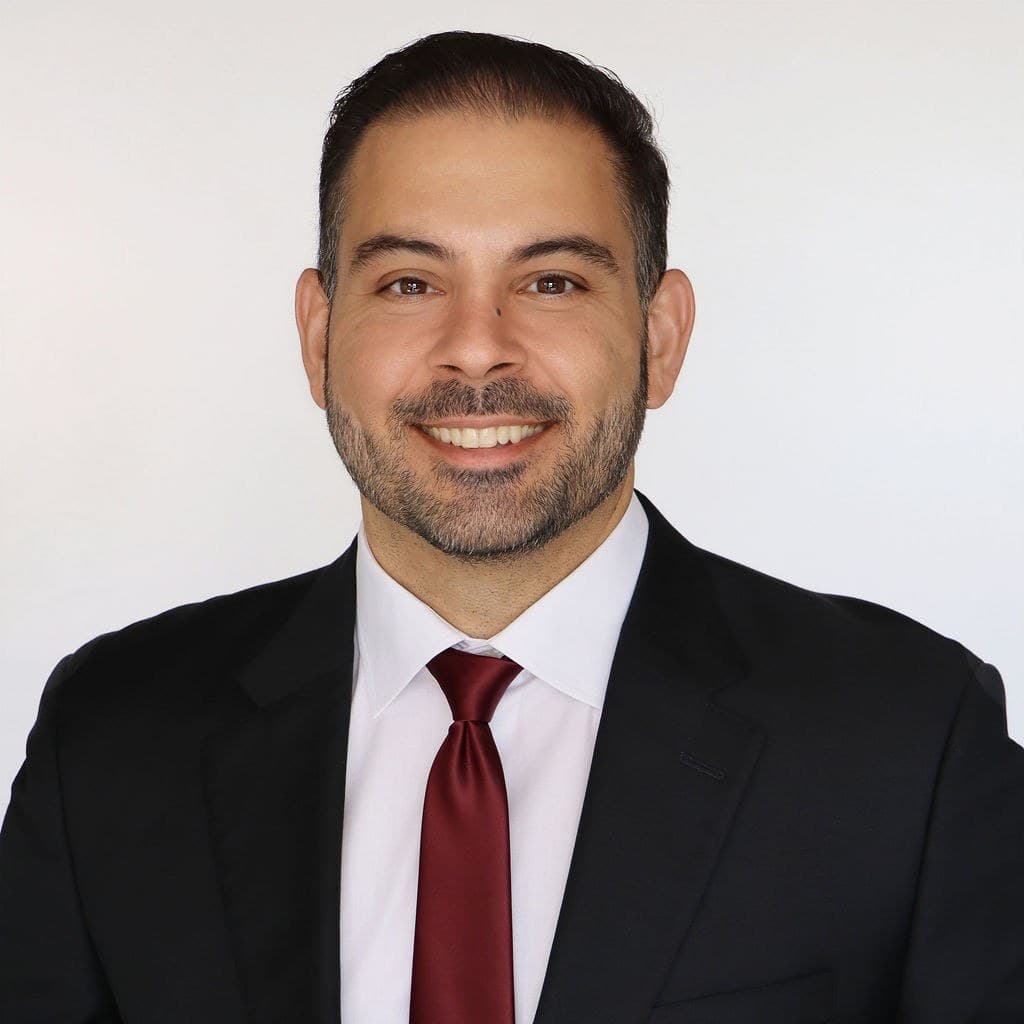
Eman Yazdchi, Esq., Certified Specialist in Workers' Compensation Law, California Board of Legal Specialization, State Bar of California.


California Board of Legal Specialization, State Bar of California
California Board of Legal Specialization, State Bar of California
- 14+
- Years of Practice
- 2,000+
- Cases handled over 14+ years
- $50M+
- Recovered over 14+ years
- 3
- Languages: English, Español, Farsi
Past results do not guarantee, warrant, or predict future cases. Each case is different and results depend on specific facts and circumstances.
Prepared by Yazdchi Law
If you were hurt on the job in Big Bear City, you have rights, and you do not have to face the insurance company alone.
A work injury at Bear Mountain, Snow Summit, or Big Bear City Airport can cut off your income overnight. Resort and mountain work is hard on the body. The insurer knows that, and it will look for every reason to pay you less than you deserve.
You may be entitled to full medical care with no out-of-pocket cost, two-thirds of your regular wages while you cannot work, and a cash award for any lasting damage. Those rights apply to every Big Bear City worker, regardless of immigration status. You have one year to file, and fault does not matter.
Do these three things today:
- Report in writing. A text or email to your supervisor works. Say "I was hurt at work" and include the date.
- Ask for the DWC-1 claim form. Your employer must hand it over within one working day. If they delay, call us at (661) 273-1780. That delay is itself a violation.
- See a doctor and say the injury happened at work. That puts the cause on the record before the insurer's version does.
Eman Yazdchi is a Certified Specialist in Workers' Compensation Law, certified by the California Board of Legal Specialization, State Bar of California (CA Bar #285231). He appears regularly at the San Bernardino WCAB on Big Bear City cases. Call (661) 273-1780 for a free review.
Do you have a Big Bear City workers' comp case?
If your injury happened while doing your job in Big Bear City, you very likely have a claim. Fault does not matter, and the coverage is broader than most workers realize.
California workers' comp is a no-fault system. You do not have to prove your employer made a mistake. The law asks one question: was the injury connected to your work? A Snow Summit lift operator who slips on a platform, a vacation-rental housekeeper who strains her shoulder making beds in a three-story mountain cabin, and a Big Bear City Airport fueler who catches his hand in towing equipment all have potential claims under the same rules.
Both one-day accidents and slow-building injuries qualify. A ski patroller whose knees and lower back wear down over ten seasons at Bear Mountain has a cumulative injury. The cumulative-injury rule covers that kind of gradual damage. The injury date for a build-up claim is the day the worker first felt the disability and knew, or should have known, that work caused it.
Every Big Bear City employee is covered, including seasonal and part-time workers. The covered-employee statute reaches rental-shop attendants, airport line staff, lodge cooks, and housekeepers alike, regardless of immigration status. One exception: U.S. Forest Service federal employees use the federal workers' comp system. Private contractor crews working on any project in the valley use California comp.
What benefits can you receive?
Full medical care with no copays, two-thirds of your wages for up to 104 weeks, a cash award for lasting damage, and a retraining voucher worth up to $6,000 if your old job is gone.
California law requires the insurance company to pay for all medical treatment your condition needs, starting from the date of injury. That means specialist visits, MRIs, surgery, physical therapy, and prescriptions. You pay no deductibles and no copays. Under the 90-day rule, up to $10,000 in treatment is owed immediately, even while the insurer is still investigating your claim.
While you cannot work, temporary disability pays two-thirds of your average weekly wages up to the state cap. Those checks can continue for as long as 104 weeks within a five-year period. That ceiling applies, so it is important to use the time wisely. Once your condition stabilizes, a doctor rates any lasting damage as a percentage. That percentage drives a separate cash award paid in weekly installments.
If your injury prevents you from returning to your old job and the employer cannot offer modified work, you may qualify for a Supplemental Job Displacement Benefit voucher worth up to $6,000. The voucher pays for retraining, certificate programs, or skills upgrades at an approved school. Workers who lose their resort or airport position after a serious injury use it to transition into work that fits their physical limits.
How much is a Big Bear City workers' comp claim worth?
It depends on your disability rating, your age, the physical demands of your job, and what future medical care you need. There is no fixed price for a mountain-resort work injury.
A claim's value grows from two main pieces: the permanent disability award and the cost of future medical care. A snow-grooming operator with multiple lumbar disc injuries will typically rate much higher than a retail worker with a wrist sprain. Under the post-2013 rating schedule, the doctor's AMA Guides percentage is multiplied and then adjusted up or down based on age and how physically demanding your job is. Hard outdoor labor lands on the higher end. A desk job lands lower.
| Injury severity | Typical PD rating | Approximate value range |
|---|---|---|
| Minor strain or sprain, full recovery | 0% to 5% | $0 to $10,000 |
| Moderate injury needing surgery, good recovery | 8% to 20% | $15,000 to $60,000 |
| Serious injury or single-level spinal fusion | 20% to 40% | $60,000 to $160,000 |
| Severe or multi-level fusion, permanent limits | 40% to 70% | $160,000 to $450,000 |
| Catastrophic spinal cord injury or TBI | 70% to 100% | $450,000 and above |
These are general California ranges, not a prediction. Your actual award depends on your disability rating, age, occupation, and future medical care. Past results do not guarantee future outcomes.
A common fight in mountain resort cases is apportionment. The insurer may argue that a ski patroller's knee damage was partly from recreational activity, or that a lift operator's back condition predated the hire. By law, apportionment must rest on real medical causation. The doctor doing the rating must explain the exact how and why of any split between work causes and non-work causes. A vague opinion that "some of this is age and wear" does not meet the standard. In the 2005 case Escobedo v. Marshalls, the California Workers' Compensation Appeals Board confirmed that solid medical evidence is required. We hold insurers to that standard on every Big Bear City file.
Yazdchi Law has recovered up to $5,000,000 for a catastrophic spinal cord injury and $1,500,000 for a cervical spine injury. Past results do not guarantee future outcomes. For a free and honest read on your case, call (661) 273-1780.
What if the insurer denies your claim?
A denial is not the end. While they investigate, up to $10,000 in medical care is still owed, and several appeal steps are available to you.
After you file the DWC-1 form, the insurance company has 90 days to accept or deny. If they miss that deadline without action, the law treats your injury as covered. During those 90 days, treatment is owed immediately up to $10,000. They cannot freeze your medical care while the investigation is running.
If their reviewers deny a surgery or therapy your treating doctor ordered, such as an ACL reconstruction for a ski patroller or a rotator-cuff repair for a rental-property housekeeper, you can appeal through Independent Medical Review within 30 days of the denial. An independent physician reads your records against the state treatment guidelines and either upholds or overturns the denial. The decision is binding except on very narrow grounds.
The full appeal path goes like this: Utilization Review is the insurer's in-house review. If UR denies, Independent Medical Review follows. If your case goes to a hearing and the judge rules against you, a Petition for Reconsideration must be filed within 25 days of a mailed decision. After that, a Writ of Review goes to the Court of Appeal within 45 days. If your injury worsens after a settlement, you may reopen the case within five years of the injury date.
Firing you, cutting your hours, or otherwise punishing you for filing a workers' comp claim is illegal. Under the anti-retaliation law, you can win reinstatement, back pay, and a penalty of up to $10,000 added to your award. Tell us right away if anything changes at work after you report an injury.
How long do you have to file in Big Bear City?
Report the injury within 30 days. File your claim within one year. For a slow-building condition, the clock starts when a doctor first connects your injury to your job.
Two separate clocks run at the same time, and missing either one gives the insurer a defense. Tell your supervisor in writing within 30 days. File the formal DWC-1 claim within one year of the injury date. For a build-up claim, the one-year window does not open until the day you both felt the disability and knew, or should have known, that your work caused it.
| What you do | Deadline | Law |
|---|---|---|
| Tell your employer in writing | 30 days from injury | §5400 |
| File your claim | 1 year from injury | §5405 |
| Build-up injury clock starts | When you feel it and know work caused it | §5412 |
| Insurer must accept or deny | 90 days from filing | §5402 |
| Appeal a denied treatment | 30 days from the denial | §4610.5 |
Unsure where your clock stands? A free call gets you a clear answer: (661) 273-1780.
Why Big Bear City workers choose Yazdchi Law
Eman Yazdchi is a Certified Specialist who appears at the San Bernardino WCAB on Big Bear City cases. You pay nothing up front, and nothing unless we recover for you.
Fewer than one percent of California attorneys hold the Certified Specialist credential in workers' compensation. Eman Yazdchi earned his through the California Board of Legal Specialization, State Bar of California (CA Bar #285231). That means a written examination, ongoing education, and peer and judicial review of his work.
Big Bear City cases go to the San Bernardino WCAB at 464 W. 4th Street. Yazdchi Law appears there on ski-resort, airport, and rental-property files. The firm has represented hundreds of injured California workers. Attorney fees are set by the WCAB judge, usually 12 to 15 percent of the recovery, and only if we win. If there is no recovery, you owe no fee. A Bear Mountain lift technician and a Big Bear Boulevard hotel housekeeper get the same quality of representation. More about Eman Yazdchi. Verify his State Bar profile.
California Labor Code §4600: "Medical, surgical, chiropractic, acupuncture, and hospital treatment, including nursing, medicines, medical and surgical supplies, crutches, and apparatuses, including orthotic and prosthetic devices... shall be provided by the employer. In the case of his or her neglect or refusal seasonably to do so, the employer is liable for the reasonable expense incurred by or on behalf of the employee in providing treatment."
Results in cases like this
Every case is different. Past results do not guarantee, warrant, or predict a similar outcome.
$5,000,000
Catastrophic spinal cord injury
$1,500,000
Cervical spine injury
$425,000
Slip and fall accident
Find Out What Your Big Bear City Case May Be Worth
Two minutes. No fee unless we win; costs may apply.
Question 1 of 5
What type of injury do you have?
Not ready to fill this out? Just call (661) 273-1780 and we’ll ask the same questions by phone.
Free Consultation
Call or send the short form. We review your case, explain your rights, and outline your options. Free, no obligation.
We Build Your Case
We gather medical evidence, handle the insurance company, and file all the workers' comp court (WCAB) paperwork for you.
We Pursue Every Benefit
Medical care, lost wages, and permanent disability benefits. No fee unless we win your case; costs may apply.
What makes Big Bear City workers' comp cases different?
Cases go to the San Bernardino WCAB at 464 W. 4th Street. Eman Yazdchi appears there on ski-resort, airport, and vacation-rental files and knows the mountain-specific injury patterns.
Which WCAB office hears Big Bear City cases?
Big Bear City workers' comp cases are heard at the San Bernardino district office of the Workers' Compensation Appeals Board, 464 W. 4th Street, Suite 239, San Bernardino 92401. This office covers the entire San Bernardino Mountains, including Big Bear Lake, Running Springs, Crestline, and Lake Arrowhead, as well as the Inland Empire valley floor. Hearings, mandatory settlement conferences, and trials run on the San Bernardino calendar. Workers drive down Highway 18 through the Rim of the World or Highway 38 through Mill Creek to attend. Yazdchi Law appears at this office regularly on Bear Mountain, Snow Summit, Big Bear City Airport, and vacation-rental files. The California Division of Workers' Compensation publishes the current San Bernardino district directory.
Where do Big Bear City work injuries happen?
The mountain resort economy concentrates risk in a few places:
- Bear Mountain and Snow Summit ski resorts: lift operators, ski patrollers, snowmakers, trail-grooming crews, rental-shop technicians, and food-and-beverage staff face falls, struck-by incidents, cold-stress injuries, and cumulative wear on knees, shoulders, and lower backs.
- Big Bear City Airport (L35): fuelers, line-service workers, ground-handling crews, and aircraft maintenance technicians sustain ramp crush, fuel-exposure, and repetitive lifting injuries.
- Vacation-rental corridor east of the lake: housekeepers, maintenance technicians, and guest-services staff for property-management companies face repetitive-strain conditions from heavy bedding, steep cabin stairs, and year-round turnover schedules.
- Big Bear Boulevard hospitality and retail: hotel, motel, restaurant, and retail workers along the main commercial corridor face lifting injuries, slip-and-fall incidents, and wrist and back cumulative trauma.
- Private contractor crews: construction, landscaping, and utility workers on private projects in the valley use California comp. U.S. Forest Service federal employees are covered by the federal FECA system, not California workers' comp.
What injury patterns come from mountain resort work?
Altitude, cold, and the demands of ski-resort and rental work produce a distinctive set of claims at the San Bernardino WCAB. Lift operators develop bilateral knee disease from long shifts standing on hard, cold concrete. Ski patrollers accumulate lumbar and cervical disc damage from years of traversing steep terrain and hauling toboggans with injured guests. Vacation-rental housekeepers at multi-story mountain cabins develop bilateral carpal tunnel and rotator-cuff tendinopathy from the reach-and-pull of making beds on split-level floors. Airport line workers sustain crush and pinch injuries from fueling equipment and tow vehicles. Cold-stress injuries, reduced-dexterity falls, and altitude-related fatigue are hazards specific to outdoor crews working year-round at 6,800 feet.
When a Bear Mountain lift technician or a Snow Summit ski-school instructor builds up a slow injury over several seasons, the employer responsible is generally the one who employed the worker during the final year of injurious exposure. A claim can still be filed after leaving that job, as long as it is within one year of the date the worker first connected the condition to the work.
Where does an injured Big Bear City worker go for acute care?
For a serious injury, such as a fall from a ski-lift platform, a crush on the airport ramp, a stair fall at a vacation-rental property, or a cold-stress emergency, call 911. Bear Valley Community Hospital in Big Bear Lake (about four miles west on Highway 18) is the only acute-care hospital in the valley and runs a 24-hour emergency department. Trauma cases are transported by air or ground to Loma Linda University Medical Center, the regional Level I trauma center, or to Arrowhead Regional Medical Center in Colton. Once stable, notify your employer in writing and ask for the DWC-1 claim form immediately. Your employer has one working day to give it to you.
About your attorney
Eman Yazdchi is a Certified Specialist in Workers' Compensation Law, certified by the California Board of Legal Specialization, State Bar of California (CA Bar #285231). Fewer than one percent of California attorneys hold this credential. He has represented hundreds of injured California workers and appears regularly at the San Bernardino WCAB on Big Bear City ski-resort, airport, and rental-worker cases. Yazdchi Law's Palmdale office is at 1125 W. Avenue M-14, Suite A. There is no Big Bear City satellite office, but cases are filed and heard at San Bernardino. More about Eman Yazdchi.
Related Big Bear City workers' comp coverage: settlement, denied claim, appeal, and retaliation. Past results do not guarantee future outcomes; each case is different.
Injured at work in Big Bear City? Talk it through for free.
Most claims must be filed within one year under Labor Code section 5405. A free call tells you where your clock stands.
Frequently Asked Questions
Do I pay anything up front to hire a Big Bear City workers' comp lawyer?
Can I be fired for filing a workers' comp claim in Big Bear City?
Can I get workers' comp if I am undocumented?
How long does a Big Bear City workers' comp claim take?
Can I pick my own doctor for a Big Bear City work injury?
What kinds of injuries qualify for workers' comp in Big Bear City?
How do I file a workers' comp claim at the San Bernardino WCAB?
What if my Big Bear City employer has no workers' comp insurance?
Free case evaluation
Get your free Big Bear City case evaluation
Three fields. We respond within one business day.
Talk to a Certified Specialist
Certified Specialist in Workers' Compensation Law, California Board of Legal Specialization, State Bar of California.
Takes 30 seconds. No obligation.
I am glad and so very pleased...he made happen what no other attorney could do. So far he has proven his weight in gold.
Eman at Yazdchi Law was extremely professional, responsive, and supportive at all times. He and his staff exceeded all of my expectations.
Client testimonials. Testimonials are not a guarantee, warranty, or prediction of the outcome of your case.