
Calabasas, California · Workers' Compensation
Calabasas Workers' Comp Settlement Lawyer in California
Hurt at work in Calabasas? Workers' comp pays for medical care and part of your lost pay while you heal. A free call tells you where you stand.
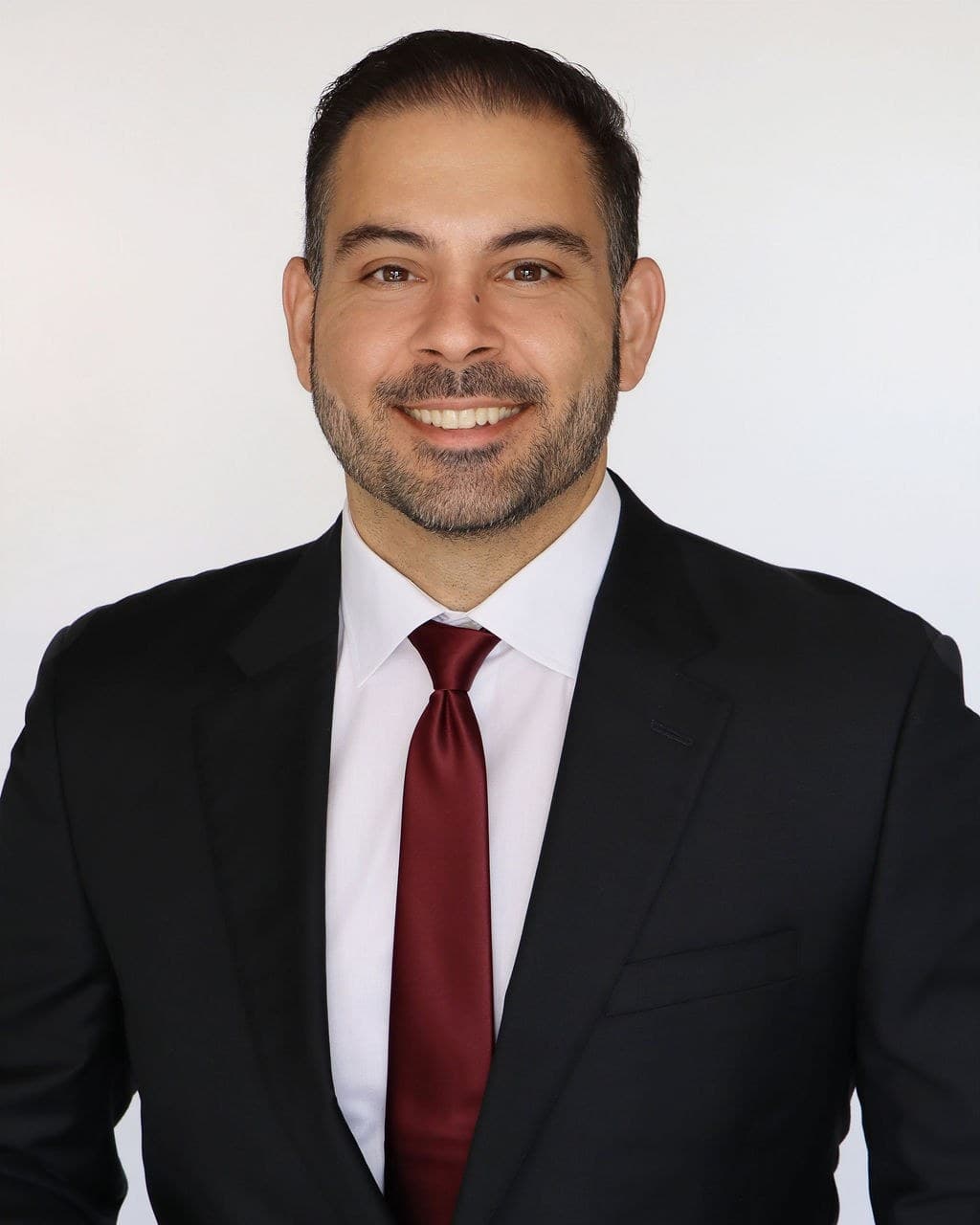
Eman Yazdchi, Esq., Certified Specialist in Workers' Compensation Law, California Board of Legal Specialization, State Bar of California.

California Board of Legal Specialization, State Bar of California

California Board of Legal Specialization, State Bar of California
- 14+
- Years of Practice
- 500+
- Cases handled over 14+ years
- $7M+
- Recovered over 14+ years
- 3
- Languages: English, Español, Farsi
Past results do not guarantee, warrant, or predict future cases. Each case is different and results depend on specific facts and circumstances.

By Eman Yazdchi, Esq. · Certified Specialist in Workers' Compensation Law, California Board of Legal Specialization, State Bar of California · Cal Bar #285231
What makes a Calabasas workers' comp settlement fair?
A fair Calabasas settlement matches the medical evidence, work limits, future care risk, and the worker's need for finality.
Calabasas workers often come from a different mix than heavy industrial cities, but the settlement questions are just as serious. Claims can involve Las Virgenes Unified employees, The Commons retail and restaurant workers, Calabasas Road office staff, country club and hospitality crews, household employees, security workers, landscapers, and construction trades moving between hillside homes and the 101 corridor. A fall, lifting injury, repetitive wrist condition, or back claim can affect work for years.
Do not rush the offer. Ask what is included. Ask what is left out. Ask who pays for care next year. The answer should be clear before the form is signed.
The value of the claim is not set by the city name or by an online calculator. It is built from permanent disability. Unpaid temporary disability. Future medical care. Job voucher issues. Penalties. Liens. The medical-legal reports matter too. A worker with light office duties and a worker who maintains grounds or moves equipment may receive different rating results even when the diagnosis sounds similar.
Calabasas cases are normally handled at the Van Nuys Workers' Compensation Appeals Board. The court process matters because a settlement must be approved before it is final. Eman Yazdchi is a Certified Specialist in Workers' Compensation Law, certified by the California Board of Legal Specialization, State Bar of California. The job is to test the offer against the rating, the future care plan, Medicare concerns, and the real consequences of closing the case.
How do C&R and Stipulated Award work in Calabasas cases?
A C&R trades claim closure for one payment; a Stipulated Award keeps accepted future medical care available.
A Compromise and Release, or C&R, usually pays one lump sum and closes the workers' comp claim. It can resolve permanent disability. It can close future medical care. It can settle disputed body parts, liens, and other terms in one document. For a Calabasas retail worker who finished therapy after a wrist injury and wants to move on, that structure may fit. It is less attractive if the worker still faces injections, surgery, or an unclear specialist plan.
A Stipulated Award keeps the case open in a narrower way. The parties agree to the permanent disability rating and the insurer pays the award over time. Future medical care for the accepted injury remains open. This can matter for a school employee with a back injury, a grounds worker with a knee claim, or a country club hospitality worker with ongoing shoulder care. The worker gives up less finality but keeps treatment protection.
Labor Code section 5001 explains why settlement approval is not optional:
Labor Code section 5001 says: "No release of liability or compromise agreement is valid unless it is approved by the appeals board or referee."
The best structure depends on the worker's life, not only the offer amount. Some workers need cash and closure. Some need medical security. Some need time to see how the injury heals. A worker close to more treatment may need open medical. A worker with stable care, no Medicare complication, and a clear rating may prefer a clean C&R. Either way, the settlement should spell out what is being paid, what medical rights are being closed or preserved, and what the worker may receive after fees and liens.
What statewide settlement ranges help set expectations?
Ranges give a rough scale only; the actual Calabasas settlement turns on disability proof and future treatment needs.
These are general California ranges, not a prediction. Your actual award depends on your disability rating, age, occupation, and future medical care. Past results do not guarantee future outcomes.
| Injury severity | Common settlement posture | General California range |
|---|---|---|
| Medical-only or short lost-time claim | Treatment is complete, no surgery, light or no permanent disability | $2,500 to $15,000 |
| Moderate permanent disability | QME report gives restrictions, future care is limited, worker can often return with changes | $15,000 to $75,000 |
| Surgical or multi-body-part claim | Operation, injections, lasting restrictions, or disputed apportionment changes the rating | $75,000 to $250,000 |
| Catastrophic disability | Severe spine, brain, nerve, or multi-system injury with high rating and major future care | $250,000 and up |
These numbers are not tied to Calabasas, and they are not a prediction. They are a map, not the road. They help spot a gap. They do not decide the case. They help a worker understand scale before reviewing an offer. A modest no-surgery claim may settle low because the future care risk is limited. A surgical spine, shoulder, knee, or hand claim may carry a larger future medical reserve. A catastrophic injury can include life pension concerns, major home or transportation issues, and long-term medical planning.
The facts behind the job matter. A Las Virgenes school employee may need to show repeated bending, student assistance, or classroom setup duties. A Commons restaurant worker may need to document lifting, carrying, slick floors, and fast-paced shifts. A hillside construction or landscaping worker may need evidence about uneven ground, tools, ladders, and repetitive load. Those details can change the rating and the settlement discussion.
Which issues change the final settlement most?
Future medical care, apportionment, Medicare, liens, work restrictions, and approved attorney fees usually move settlement value the most.
Future medical care is often the deciding issue. A short file can still have a long care tail. A small offer can look better than it is. The medical plan must be real. If the plan is vague, wait. If the pain is still high, ask why. If a test is missing, get it done first. If the worker closes medical rights through a C&R, the settlement should account for reasonable treatment that may be needed later. That may include specialist visits. It may include therapy. It may include medication, imaging, injections, surgery, or medical equipment. If the worker uses a Stipulated Award, the carrier remains responsible for reasonable treatment for the accepted injury, but disputes can still arise through utilization review and independent medical review.
Medicare issues should be handled before the settlement is signed. If the worker already has Medicare, is close to Medicare, or has applied for Social Security Disability, the settlement may need a Medicare Set-Aside review or a careful future medical allocation. The point is to protect access to later care and avoid shifting workers' comp treatment costs to Medicare in a way that creates problems after approval.
Attorney fees are part of the approval process. In California workers' comp, the injured worker does not pay fees up front. The WCAB reviews the fee and usually approves it from the settlement or award. The worker should see the gross amount, attorney fee, liens, advances, and estimated net recovery before deciding whether the settlement is acceptable.
Results in cases like this
Every case is different. Past results do not guarantee, warrant, or predict a similar outcome.
$5,000,000
Catastrophic spinal cord injury
$1,500,000
Cervical spine injury
$425,000
Slip and fall accident
Find Out What Your Calabasas Case May Be Worth
Two minutes. No fee unless we win; costs may apply.
Question 1 of 5
What type of injury do you have?
Not ready to fill this out? Just call (661) 273-1780 and we’ll ask the same questions by phone.
Free Consultation
Call or send the short form. We review your case, explain your rights, and outline your options. Free, no obligation.
We Build Your Case
We gather medical evidence, handle the insurance company, and file all the workers' comp court (WCAB) paperwork for you.
We Pursue Every Benefit
Medical care, lost wages, and permanent disability benefits. No fee unless we win your case; costs may apply.
Why does local Calabasas context matter at Van Nuys WCAB?
Local work settings matter because settlement value depends on actual job duties, not a generic injury label.
The Van Nuys WCAB handles Calabasas settlement conferences and approvals. A judge reviews the paperwork. The settlement should match the medical reports. It should make sense for the worker. The local facts help explain why the claim has value. Calabasas has school, retail, restaurant, professional office, hospitality, domestic service, landscaping, and construction work mixed into a community that many people wrongly think of as low-risk.
Those jobs create real claims. The work can look quiet from the street. The tasks can still be hard on the body. The claim should tell that truth. A classroom employee can hurt a back moving supplies or assisting students. A restaurant server can tear a knee in a fall near a kitchen. A landscaper can develop shoulder and spine problems from years of lifting, trimming, and working on slopes. A security or maintenance worker can have foot, knee, and back problems from long shifts on hard surfaces. A settlement presentation should make those duties clear.
Before signing, a Calabasas worker should ask whether the rating is final, whether future care is being sold or preserved, whether Medicare has been reviewed, whether liens are resolved, and whether the net payment is clear. Bring the offer, rating report, work status notes, and any denial letters to the review. Bring the job notes too. List the tasks. List the pain that stops work. List each doctor. List each bill. Keep it plain. A clear file helps the case. It helps the judge. It helps the worker make a choice. Do not sign in a rush. Read each page. Ask for the net number. Ask what care stays open. For a settlement review, call Yazdchi Law at (661) 273-1780.
Injured at work in Calabasas? Talk it through for free.
Most claims must be filed within one year under Labor Code section 5405. A free call tells you where your clock stands.
Frequently Asked Questions
Is a Calabasas workers' comp settlement based on my salary?
What is the main risk of signing a C&R?
Why would I choose a Stipulated Award?
Can a Calabasas settlement include future medical money?
What is a Medicare Set-Aside?
Will the WCAB judge tell me if the offer is too low?
How do liens affect my net settlement?
Can I keep treating after settlement?
Last reviewed by Eman Yazdchi, Esq., June 2026.
Free case evaluation
Get your free Calabasas case evaluation
Three fields. We respond within one business day.
Talk to a Certified Specialist
Certified Specialist in Workers' Compensation Law, California Board of Legal Specialization, State Bar of California.
Takes 30 seconds. No obligation.
Very thankful for everything they did for us. Always responsive, reassured us every step of the way and obtained a great result.
Eman by far exceeds the basic requirements other lawyers give to clients and surpasses all expectations.
Client testimonials. Testimonials are not a guarantee, warranty, or prediction of the outcome of your case.