
Chino Hills, California · Workers' Compensation
Workers' Comp Claim Denied Lawyer in Chino Hills, California
Hurt at work in Chino Hills? Workers' comp pays for medical care and part of your lost pay while you heal. A free call tells you where you stand.
Eman Yazdchi, Esq., Certified Specialist in Workers' Compensation Law, California Board of Legal Specialization, State Bar of California.
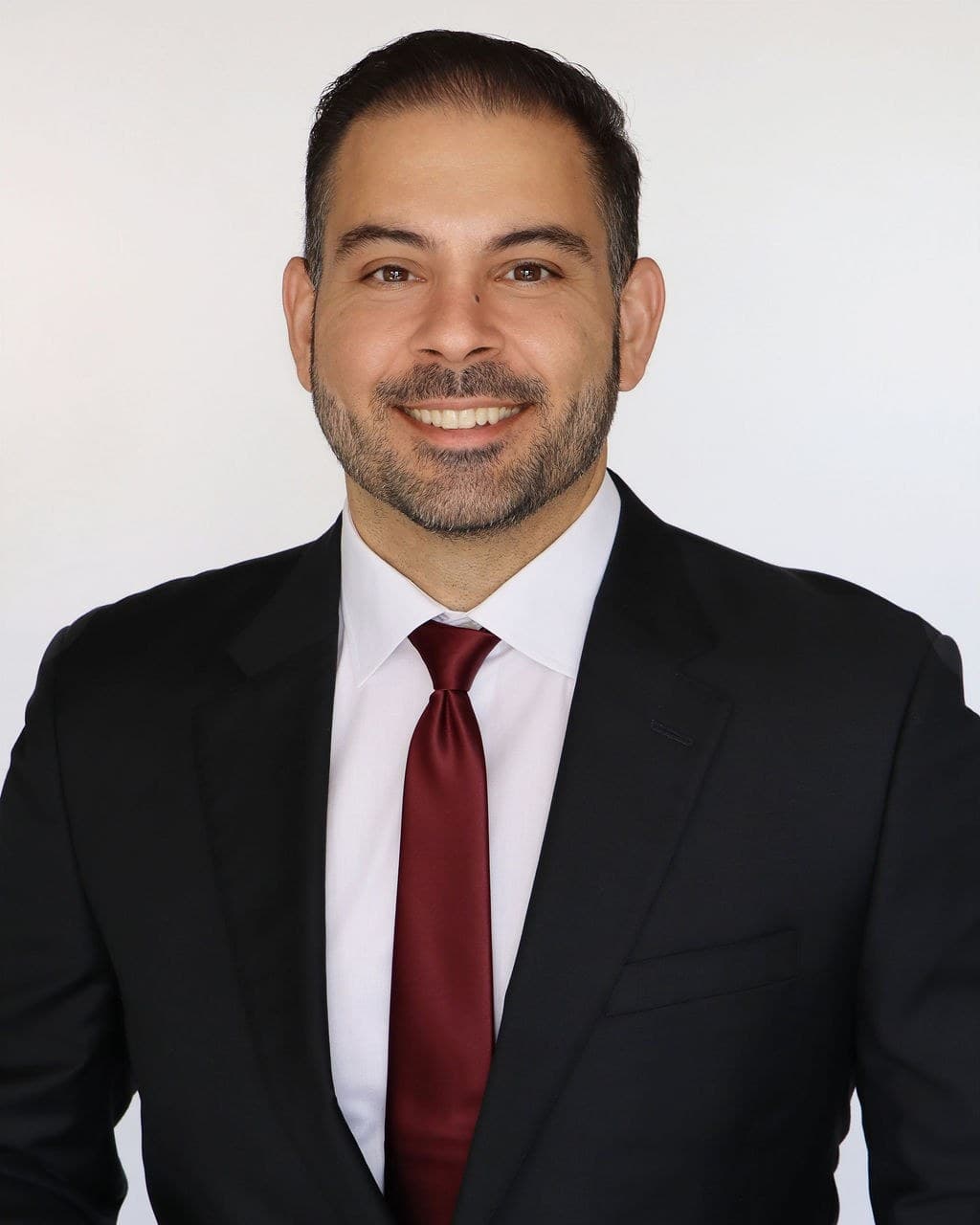

California Board of Legal Specialization, State Bar of California
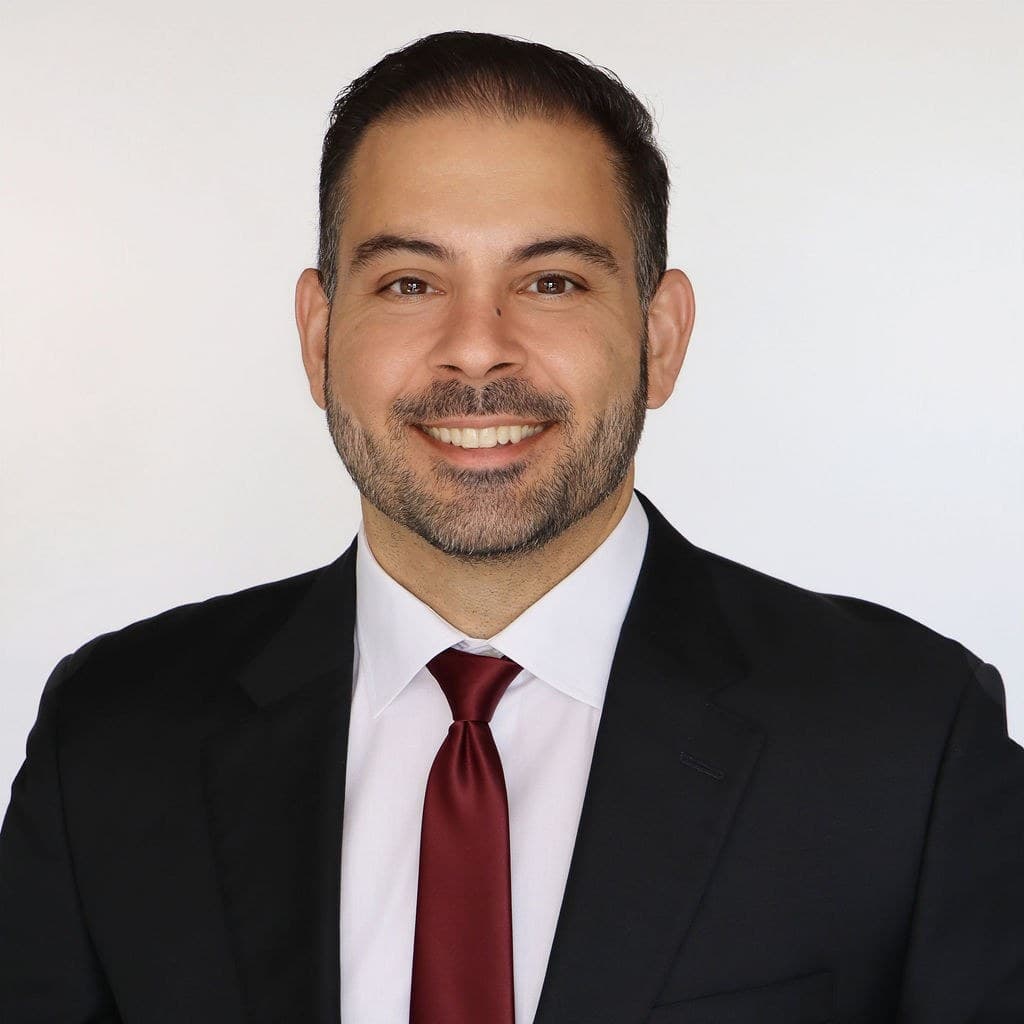
California Board of Legal Specialization, State Bar of California
- 14+
- Years of Practice
- 500+
- Cases handled over 14+ years
- $7M+
- Recovered over 14+ years
- 3
- Languages: English, Español, Farsi
Past results do not guarantee, warrant, or predict future cases. Each case is different and results depend on specific facts and circumstances.

By Eman Yazdchi, Esq. · Certified Specialist in Workers' Compensation Law, California Board of Legal Specialization, State Bar of California · Cal Bar #285231
A denial is not the end. It is the beginning of the fight for your benefits.
Getting that letter feels crushing. You were hurt at work, you did everything right, and now the insurance company is saying no. Take a breath. A denial is not a final answer in California workers' comp.
The law gives you real tools to push back. The insurer had a strict deadline to accept or deny your claim. If that window closed without a decision, the law tilts in your favor right now. Even a timely denial is a position you can challenge, not a verdict you have to live with.
Eman Yazdchi is a Certified Specialist in Workers' Compensation Law, certified by the California Board of Legal Specialization, State Bar of California (CA Bar #285231). He handles denied claims at the San Bernardino WCAB for workers from Chino Hills and the surrounding Inland Empire. Call (661) 273-1780 for a free review.
Do this right now:
- Save the denial letter and the envelope. The postmark date protects your appeal window.
- Keep going to your doctor. A denial of the claim does not always stop authorized treatment.
- Call (661) 273-1780 today. Every day you wait is time off your deadline.
Was your Chino Hills claim denied? Here is what to do.
A denial is a legal position, not the final word. You have specific deadlines to challenge it. The day the letter arrives is the day to call a lawyer.
When the denial letter shows up, your first feeling may be anger or hopelessness. That is completely understandable. But in California's workers' comp system, a denial opens a process. The insurance company has to stand behind its reasons. You get to challenge those reasons, bring your own evidence, and have a workers' comp judge decide.
Whether you stock shelves at the Shoppes at Chino Hills or drive routes along the Grand Avenue corridor, the same rules protect you. Chino Valley dairy workers and warehouse employees near the 71 freeway are covered too. A denial does not erase your rights. It starts the next phase of the fight.
Why do insurers deny workers' comp claims?
The four most common reasons: the injury wasn't work-related, a pre-existing condition caused it, you reported too late, or the treatment isn't medically necessary. Every one of these can be challenged.
Insurers deny claims because every denial saves them money. The reasons they use most often are:
- The injury wasn't work-related. They say you got hurt at home, during a personal errand, or outside work hours.
- A pre-existing condition caused it. They point to an old MRI or prior injury and say your pain is not from your current job.
- You reported too late. They argue you missed the 30-day notice window. Exceptions exist, and this defense often fails.
- The treatment is not medically necessary. Their reviewer says the surgery, imaging, or therapy your doctor ordered does not meet the insurer's guidelines.
None of these reasons ends your case. For Chino Hills retail, logistics, and dairy workers who develop injuries over time, the pre-existing-condition denial is the most common one we see at the San Bernardino WCAB. It is also among the most worth fighting. A solid medical opinion that connects your work duties to your condition can overcome it.
The 90-day rule: what §5402 means for your claim
After you file your claim form, the insurer had 90 days to decide. Miss that deadline, and the law presumes your injury is covered. You are also owed up to $10,000 in medical care during the investigation, no matter what.
When you hand in the DWC-1 claim form, §5402 gives the insurer exactly 90 days to accept or deny. If it lets that window close without a formal decision, the law presumes your injury is work-related and covered. The insurer can try to rebut that presumption, but only with evidence it found after the deadline. That is a very hard position for them to defend.
Labor Code §5402(b): "If liability is not rejected within 90 days after the date the claim form is filed under Section 5401, the injury shall be presumed compensable under this division. The presumption of this subdivision is rebuttable only by evidence discovered subsequent to the 90-day period."
During those 90 days, you are not left without care. The insurer must pay up to ten thousand dollars in necessary medical treatment while it investigates. Doctor visits, imaging, physical therapy, and prescriptions your treating doctor orders are all covered during that window. The insurer cannot pause your care while it makes up its mind. If it refused to authorize treatment during the investigation, those costs may still be owed to you.
Pull out your DWC-1 filing date right now. If more than 90 days passed before a formal decision arrived, call us. You may have a presumption working in your favor today.
Denied treatment vs. a denied claim: two different fights
Denied treatment goes through a medical review process with a 30-day deadline. A denied claim goes before a workers' comp judge. Which path you take depends on which type of denial you received.
Not all denials are the same kind. Knowing which type you have tells you where to go and how fast you need to move.
If your treatment was denied (the insurer's reviewer said your MRI, surgery, injections, or physical therapy isn't needed), the appeal goes through Independent Medical Review. A doctor with no financial tie to the insurer reviews your records against state treatment guidelines. That doctor's decision is binding. You have 30 days from the denial to start this process. Chino Hills warehouse pickers and Shoppes retail workers see UR denials for imaging and physical therapy constantly. Every one of those denials is worth appealing.
If your whole claim was denied (the insurer says your injury is not work-related at all), the dispute goes before a workers' comp judge at the San Bernardino WCAB. If the judge's ruling goes against you, you can challenge it by filing a Petition for Reconsideration (a written request asking the board to re-examine the decision). If the board also rules against you, you can ask the Court of Appeal to review that decision. And if your condition gets worse after a case closes, you may be able to reopen it within five years of the injury date.
The deadlines for each route are strict and short. Missing one can permanently end your ability to appeal. That is why calling a lawyer the day you get the denial letter is not optional.
How long do you have to respond?
The shortest deadline is 20 days for an electronically served judge's ruling. Know your deadline before you do anything else. A free call gives you a clear answer fast.
| What was denied | Your appeal route | Deadline | Law |
|---|---|---|---|
| Treatment denied at Utilization Review | Independent Medical Review | 30 days from the denial | §4610.5 |
| IMR upheld the denial | Challenge on narrow grounds only (fraud, bias, conflict of interest) | 30 days | §4610.6 |
| A judge's Findings and Award | Petition for Reconsideration (written request for the board to re-examine the ruling) | 25 days if mailed; 20 days if served electronically | §5903 |
| Reconsideration denied | Writ of Review to the Court of Appeal | 45 days | §5950 |
| New or worse disability after a closed case | Petition to Reopen | Within 5 years of the injury | §5803 |
These deadlines are firm. A judge will not extend them because you were unaware. If you are unsure which deadline applies to your denial, call (661) 273-1780. We will tell you exactly where you stand, for free.
What to do the day your denial letter arrives
Read the stated reason. Save the letter and envelope. Keep your medical appointments. Call a lawyer that day. Every hour you wait is time off your deadline.
Move through these steps as soon as the letter arrives:
Read the stated reason. The insurer must explain why it denied your claim. That reason tells your lawyer which path to take and which evidence will help most.
Save the envelope. The postmark date matters. A Chino Hills stockroom worker or a Peyton Drive delivery driver who tosses the envelope can lose proof of when the appeal window opened.
Keep your medical appointments. If your treating doctor has authorized ongoing care, keep going. A denial of the claim does not always cut off approved treatment, particularly if the 90-day window has already closed on the insurer.
Call a lawyer that same day. At Yazdchi Law, we review denial letters at no charge and tell you what the reason means, what can be done, and which clock is running right now.
If your employer punishes you for pushing back on the denial, act immediately. Cutting your shifts, moving you to a worse position, or firing you for fighting your claim is illegal. The anti-retaliation law gives you the right to get your job back, recover lost wages, and add a penalty to your award. Tell us the same day it happens.
What does a Chino Hills workers' comp denial lawyer cost?
Nothing up front. Nothing unless we win. The WCAB judge sets the fee at the end, usually 12 to 15 percent of what we recover.
You pay nothing to start and nothing by the hour. In California workers' comp, the WCAB judge sets the attorney fee at the close of the case, usually 12 to 15 percent of what we recover for you. If there is no recovery, you owe no fee. A Chino Hills retail associate fighting a denied claim gets the same quality of legal help as any other injured worker, whatever their financial situation.
Results in cases like this
Every case is different. Past results do not guarantee, warrant, or predict a similar outcome.
$5,000,000
Catastrophic spinal cord injury
$1,500,000
Cervical spine injury
$425,000
Slip and fall accident
Find Out What Your Chino Hills Case May Be Worth
Two minutes. No fee unless we win; costs may apply.
Question 1 of 5
What type of injury do you have?
Not ready to fill this out? Just call (661) 273-1780 and we’ll ask the same questions by phone.
Free Consultation
Call or send the short form. We review your case, explain your rights, and outline your options. Free, no obligation.
We Build Your Case
We gather medical evidence, handle the insurance company, and file all the workers' comp court (WCAB) paperwork for you.
We Pursue Every Benefit
Medical care, lost wages, and permanent disability benefits. No fee unless we win your case; costs may apply.
Denied-claim hearings at the San Bernardino WCAB
Chino Hills denial disputes are heard at the San Bernardino district office. Eman Yazdchi appears there regularly for retail, warehouse, and dairy workers from this area.
Where is the San Bernardino WCAB, and who does it cover?
Workers' comp hearings for Chino Hills are held at the San Bernardino district office of the Workers' Compensation Appeals Board, at 464 W 4th St, San Bernardino, CA 92401. The district covers Chino Hills, Chino, Ontario, Rancho Cucamonga, Fontana, Upland, Rialto, Colton, and the rest of San Bernardino County. Yazdchi Law appears at the San Bernardino WCAB regularly on denied-claim matters, treatment-denial appeals, and 90-day presumption disputes. Related: Chino Hills workers' comp overview and San Bernardino workers' comp.
Which Chino Hills industries produce the most denied claims?
Three groups make up most of the denied-claim matters we handle from Chino Hills at the San Bernardino WCAB:
- Retail and commercial workers: Stockroom associates, maintenance staff, and customer-service employees at the Shoppes at Chino Hills and the surrounding commercial strip. Repetitive-strain and slip-and-fall injuries in retail settings are frequently denied on pre-existing-condition grounds when symptoms built up over time rather than from a single event.
- Logistics and warehouse workers: Pickers, packers, and delivery drivers at fulfillment centers and warehouses along Peyton Drive and near the 71 freeway. Insurers often deny these back, shoulder, and knee claims by arguing the injury predates the current job or by attributing normal wear to age rather than to the work itself.
- Dairy and agricultural workers: Workers at Chino Valley dairy operations face animal-handling injuries and cumulative wear on shoulders, wrists, and backs. Cumulative-trauma denials are common because the damage builds over years. The insurer calls it aging; the law lets you call it your job.
Whatever your industry in Chino Hills, if your claim was denied, the same tools are available to you at the San Bernardino WCAB.
The 90-day presumption in San Bernardino County
One pattern we see often at the San Bernardino WCAB is the insurer that drags out the investigation without ever formally deciding. A Chino Hills retail worker or dairy employee may not realize the 90-day window has passed and the law now presumes their claim is covered. Checking the DWC-1 filing date against the formal denial date is the first thing we do on every new call. Sometimes the fight is already tilted in your favor before we even get to the hearing room. That is a good feeling to share with a scared worker who thought the denial was the end.
About your attorney
Eman Yazdchi is a Certified Specialist in Workers' Compensation Law, certified by the California Board of Legal Specialization, State Bar of California (CA Bar #285231). Fewer than one percent of California attorneys hold this credential. He has represented hundreds of injured California workers and appears regularly at the San Bernardino WCAB. More about Eman Yazdchi. Verify his State Bar profile.
Our firm has recovered up to $5,000,000 for a catastrophic spinal-cord injury and $1,500,000 for a cervical-spine injury. Past results do not guarantee future outcomes. Call (661) 273-1780 for a free review of your denied claim.
Nearby cities we serve
Injured at work in Chino Hills? Talk it through for free.
Most claims must be filed within one year under Labor Code section 5405. A free call tells you where your clock stands.
Frequently Asked Questions
What happens if the insurer missed the 90-day deadline to decide my Chino Hills claim?
What does the $10,000 in interim medical care cover during the 90-day investigation?
What are the most common reasons a Chino Hills workers' comp claim gets denied?
Can my employer fire me for fighting a denied workers' comp claim?
What is the difference between a denied treatment and a denied claim?
How long do I have to appeal after a workers' comp judge rules against me?
Can I fight a workers' comp denial if I am undocumented?
What if my condition got worse after my workers' comp case was already closed?
Last reviewed by Eman Yazdchi, Esq., June 2026.
Free case evaluation
Get your free Chino Hills case evaluation
Three fields. We respond within one business day.
Talk to a Certified Specialist
Certified Specialist in Workers' Compensation Law, California Board of Legal Specialization, State Bar of California.
Takes 30 seconds. No obligation.
Very thankful for everything they did for us. Always responsive, reassured us every step of the way and obtained a great result.
Eman by far exceeds the basic requirements other lawyers give to clients and surpasses all expectations.
Client testimonials. Testimonials are not a guarantee, warranty, or prediction of the outcome of your case.