
Chino Hills, California · Workers' Compensation
Workers' Comp Settlement Lawyer in Chino Hills, California
Hurt at work in Chino Hills? Workers' comp pays for medical care and part of your lost pay while you heal. A free call tells you where you stand.
Eman Yazdchi, Esq., Certified Specialist in Workers' Compensation Law, California Board of Legal Specialization, State Bar of California.
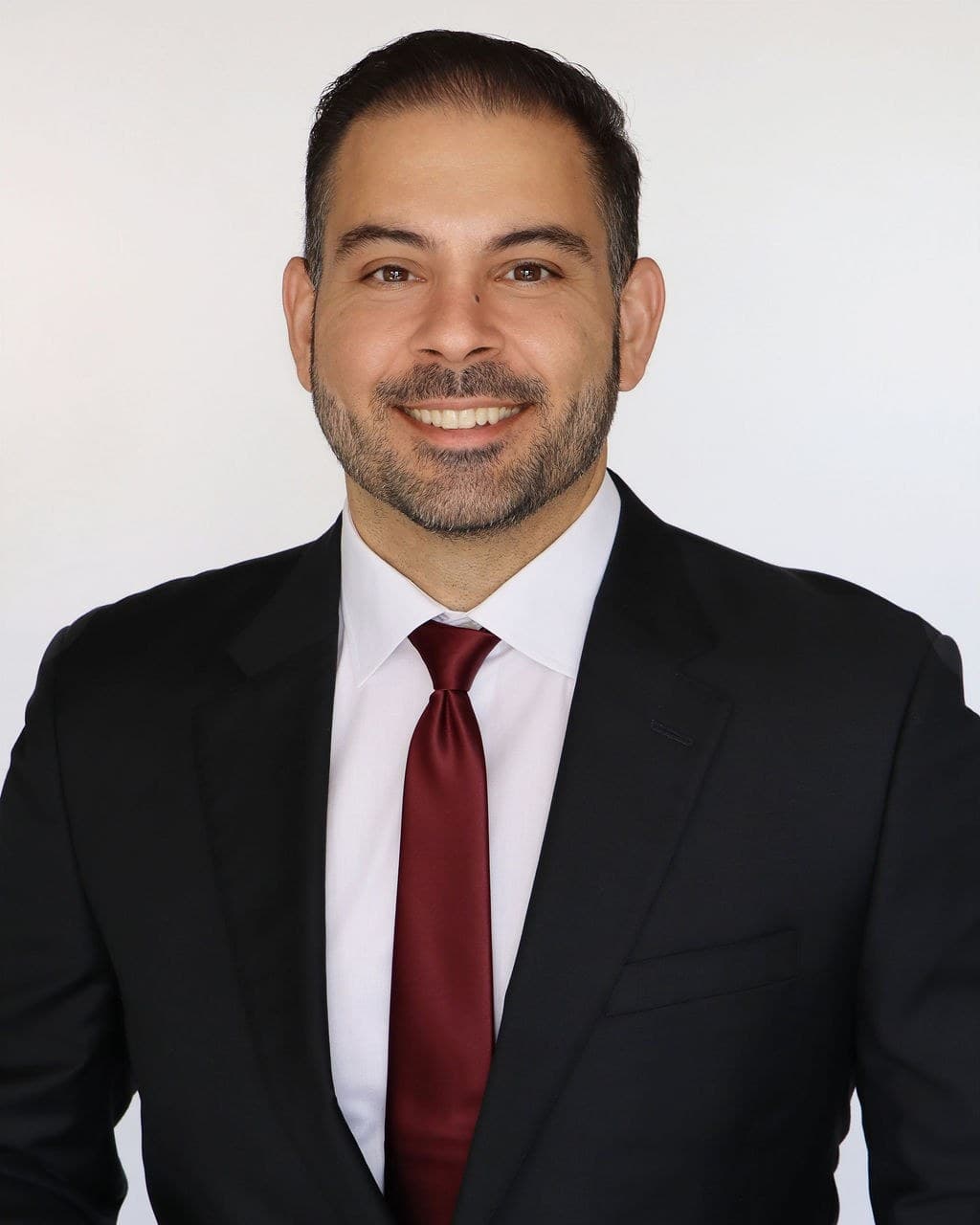

California Board of Legal Specialization, State Bar of California
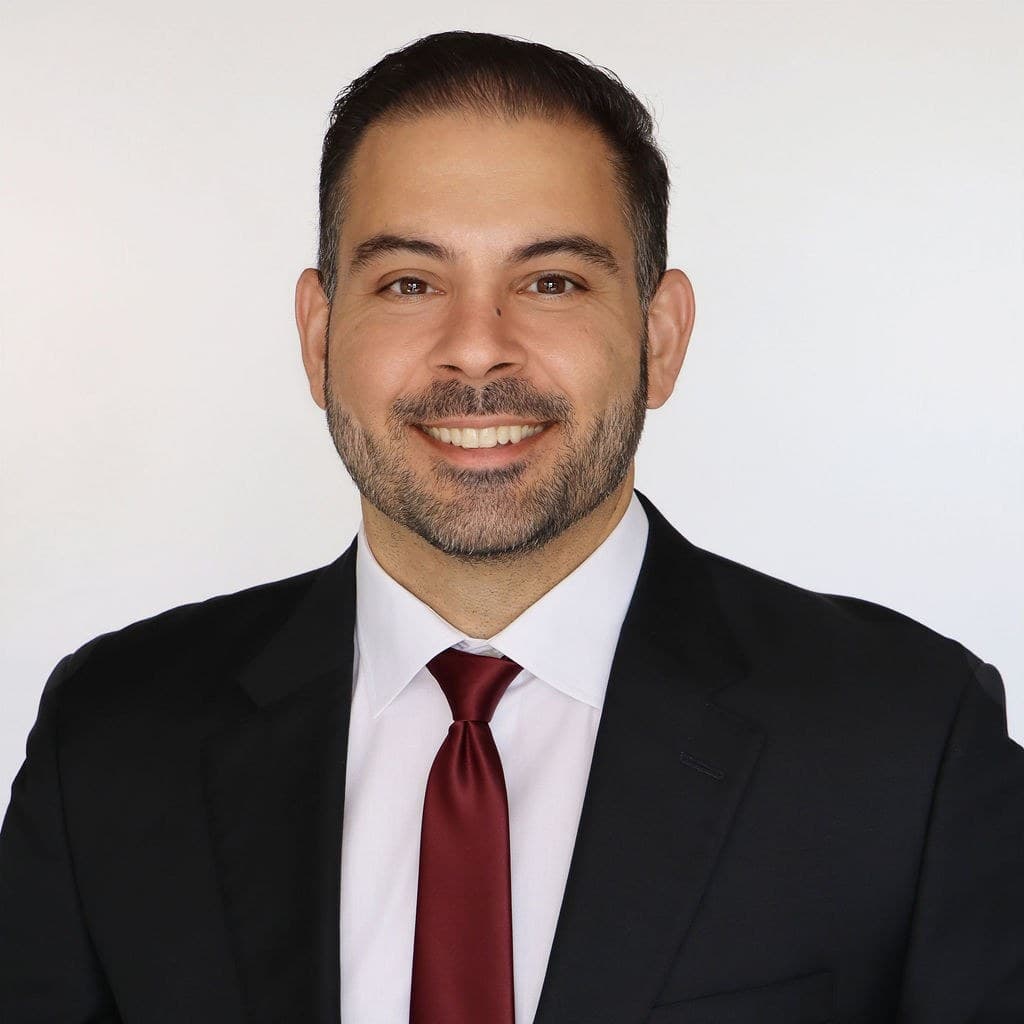
California Board of Legal Specialization, State Bar of California
- 14+
- Years of Practice
- 500+
- Cases handled over 14+ years
- $7M+
- Recovered over 14+ years
- 3
- Languages: English, Español, Farsi
Past results do not guarantee, warrant, or predict future cases. Each case is different and results depend on specific facts and circumstances.

By Eman Yazdchi, Esq. · Certified Specialist in Workers' Compensation Law, California Board of Legal Specialization, State Bar of California · Cal Bar #285231
What may a Chino Hills workers' comp settlement be worth?
A Chino Hills settlement is valued from the rating, job duties, future care, unpaid benefits, liens, and the settlement form chosen at the San Bernardino WCAB.
For a Chino Hills worker, the question is rarely just, "What is my case worth?" The better question is what the claim is worth after the medical record is stable, the rating is checked, and the future treatment plan is priced in real terms. A cashier from The Shoppes at Chino Hills, a school employee near Grand Avenue, and a commuter health care worker may have the same MRI finding but very different ratings because their jobs use the body in different ways.
California workers' compensation value usually starts with permanent disability. The doctor gives impairment findings. The rating schedule then adjusts for age and occupation. The insurer may argue that part of the disability came from arthritis, an older injury, or a condition that was not caused by work. That argument is called apportionment. A fair settlement looks at those issues before anyone signs a release.
Eman Yazdchi is the attorney handling these files. He is a Certified Specialist in Workers' Compensation Law, certified by the California Board of Legal Specialization, State Bar of California. The firm reviews Chino Hills settlement offers for injured workers who need a plain answer about the number, the medical risk, and the timing. The phone number is (661) 273-1780.
A settlement also needs court approval. Chino Hills claims are generally presented at the San Bernardino district office of the Workers' Compensation Appeals Board. A judge is not there to bargain for the worker, but the judge must see enough information to approve the papers. If the settlement leaves out a body part, ignores future care, or mishandles a Medicare issue, the problem can follow the worker long after the check clears.
Labor Code section 5001 states: "No release of liability or compromise agreement is valid unless it is approved by the appeals board or referee."
That approval rule matters because a Compromise and Release can close future medical care. Once approved, the worker is usually taking on the cost of treatment for the settled body parts. A Stipulated Award is different. It pays permanent disability over time and keeps treatment open for the accepted injury. The best answer depends on health, work plans, and how much future care is likely.
A careful review starts with simple records. What body parts are accepted? What treatment has been denied? Has the doctor placed the worker at maximum medical improvement? Is the job description correct? Has the insurer paid temporary disability at the right rate? These questions are not formalities. Each one can change the settlement discussion.
How do Compromise and Release and Stipulated Award compare?
Compromise and Release buys final closure with one payment; Stipulated Award pays the rating and usually keeps medical care open for the accepted injury.
A Compromise and Release, often called a C&R, is the clean break. The worker receives one approved payment that resolves permanent disability, disputed benefits, and usually future medical care for the covered injury. It can make sense when the worker wants control, plans to use private coverage, has moved away, or does not want to keep fighting over treatment requests inside the employer's medical network.
A Stipulated Award does not close the medical side in the same way. The parties agree to a permanent disability percentage. The carrier pays that award on a schedule. Medical treatment for the accepted body parts stays open, subject to California workers' comp rules. For a Chino Hills worker with a back injury that still needs injections, pain care, or a future surgery opinion, open medical may be worth more than a fast lump sum.
The settlement number changes when the record changes. A strong QME or AME report can raise value. Clear work restrictions can raise value when the job is physical. A bad apportionment opinion can lower value. Denied body parts, unpaid temporary disability, vocational retraining, liens, and credit for advances also affect the final net. The worker should know what is being paid, what is being closed, and what still may be disputed.
Medicare is another reason to slow down. If the worker is on Medicare, has applied, or is likely to become eligible soon, a C&R may need a Medicare Set-Aside. That is money allocated for future work injury treatment so Medicare is not billed first for care the settlement already covered. The number should be practical, not just pasted into the papers at the end.
These are general California ranges, not a prediction. Your actual award depends on your disability rating, age, occupation, and future medical care. Past results do not guarantee future outcomes.
| Injury severity | Statewide general range | Common value drivers |
|---|---|---|
| Short treatment, full return to work | $2,500 to $15,000 | Small rating, little future care, limited time off work |
| Moderate lasting limits | $15,000 to $60,000 | Permanent restrictions, therapy, injections, disputed body parts |
| Surgery or major job loss | $60,000 to $150,000 | Higher rating, retraining, future specialist care, wage loss history |
| Severe disability or long term care | $150,000 or more | High rating, life pension issues, home care, Medicare planning |
These are general California ranges, not a prediction. Your actual award depends on your disability rating, age, occupation, and future medical care. Past results do not guarantee future outcomes.
The table is only a starting point. Chino Hills retail, education, and professional service files can move above or below a broad statewide range because the actual job matters. A retail worker who cannot stand through a shift may have a different value than an office worker with the same diagnosis. A delivery worker using the Grand Avenue and 71 corridors may have driving, lifting, and schedule issues that must be built into the rating review.
Attorney fees in California workers' compensation are contingent and must be approved by the WCAB. The fee is usually a percentage approved from the settlement or award, not an hourly bill sent during the case. That fee review is another reason the settlement papers need to show the rating, benefits paid, deductions, and future medical terms clearly.
The net amount matters more than the headline amount. A worker should ask for a written breakdown before signing. The breakdown should show advances, unpaid bills, liens, attorney fee, and any medical allocation. If a C&R includes a future care number, that number should match the records. If it does not, the worker needs to know why.
Results in cases like this
Every case is different. Past results do not guarantee, warrant, or predict a similar outcome.
$5,000,000
Catastrophic spinal cord injury
$1,500,000
Cervical spine injury
$425,000
Slip and fall accident
Find Out What Your Chino Hills Case May Be Worth
Two minutes. No fee unless we win; costs may apply.
Question 1 of 5
What type of injury do you have?
Not ready to fill this out? Just call (661) 273-1780 and we’ll ask the same questions by phone.
Free Consultation
Call or send the short form. We review your case, explain your rights, and outline your options. Free, no obligation.
We Build Your Case
We gather medical evidence, handle the insurance company, and file all the workers' comp court (WCAB) paperwork for you.
We Pursue Every Benefit
Medical care, lost wages, and permanent disability benefits. No fee unless we win your case; costs may apply.
What local issues shape a Chino Hills settlement?
Chino Hills cases usually route to the San Bernardino WCAB, with local proof drawn from retail, schools, health care commutes, and Grand Avenue work patterns.
Chino Hills is a commuter city, but its claims are not generic. The Shoppes at Chino Hills brings retail lifting, standing, cart handling, and customer floor injuries. School and city service workers may have repetitive trauma claims from years of the same tasks. Health care and office workers who live in Chino Hills often treat through Inland Empire provider networks, with medical records spread between Chino, Upland, Pomona, and San Bernardino County clinics.
The local WCAB venue matters because settlement approval is a process, not just a signature. Chino Hills files are generally handled at the San Bernardino WCAB at 464 W 4th Street in San Bernardino. The judge reviews whether the settlement fits the medical record and whether the worker understands what is being closed. A rushed C&R can be costly if it trades away treatment that the worker still needs.
Local medical proof can be uneven. A worker may treat near Chino Valley Medical Center, San Antonio Regional Hospital, or an MPN clinic closer to work. The QME may be in Ontario, Rancho Cucamonga, Riverside, or Los Angeles. The settlement review should connect those records so the rating is not based on one stale report while current symptoms and restrictions are ignored.
Future medical is often the hardest choice. A Stipulated Award can preserve access to care, but treatment still goes through utilization review and network rules. A C&R can give the worker more control, but the worker must budget for later care. That choice looks different for a young worker with a knee surgery than for an older worker with Medicare questions and chronic spine treatment.
Chino Hills workers also deal with travel and schedule pressure. A worker may live near Peyton Drive, work near Grand Avenue, and treat in another city. Missed appointments can hurt the record. So can gaps in care that happen because the network is slow. Settlement review should account for the real path of treatment, not just the last report.
Before signing, a Chino Hills worker should know the gross amount, deductions, attorney fee, permanent disability percentage, body parts covered, whether future medical is open or closed, and whether Medicare or liens are being handled. Eman Yazdchi reviews those details with injured workers before the settlement is sent for approval.
Good prep is plain. Keep pay stubs. Save work notes. Track missed shifts. Bring the current medicine list. Bring denial letters. Bring names of doctors and clinics. Small records can solve big gaps. They help show what happened at work and what the injury still costs.
The last step should feel clear. The worker should know what happens after approval, when payment is expected, and who pays for care while the order is pending. If those points are vague, the settlement is not ready for signature.
Injured at work in Chino Hills? Talk it through for free.
Most claims must be filed within one year under Labor Code section 5405. A free call tells you where your clock stands.
Frequently Asked Questions
How is a Chino Hills workers' comp settlement calculated?
Should I take a Compromise and Release in Chino Hills?
What is better, a Stipulated Award or a lump sum?
Can the insurance company lower value by blaming an old condition?
What happens to future medical care after settlement?
Do I need a Medicare Set-Aside for a Chino Hills settlement?
How are attorney fees handled in a workers' comp settlement?
Where are Chino Hills workers' comp settlements approved?
Last reviewed by Eman Yazdchi, Esq., June 2026.
Free case evaluation
Get your free Chino Hills case evaluation
Three fields. We respond within one business day.
Talk to a Certified Specialist
Certified Specialist in Workers' Compensation Law, California Board of Legal Specialization, State Bar of California.
Takes 30 seconds. No obligation.
I am glad and so very pleased...he made happen what no other attorney could do. So far he has proven his weight in gold.
Eman at Yazdchi Law was extremely professional, responsive, and supportive at all times. He and his staff exceeded all of my expectations.
Client testimonials. Testimonials are not a guarantee, warranty, or prediction of the outcome of your case.