
Chino, California · Workers' Compensation
Workers' Comp Claim Denied Lawyer in Chino, California
Hurt at work in Chino? Workers' comp pays for medical care and part of your lost pay while you heal. A free call tells you where you stand.
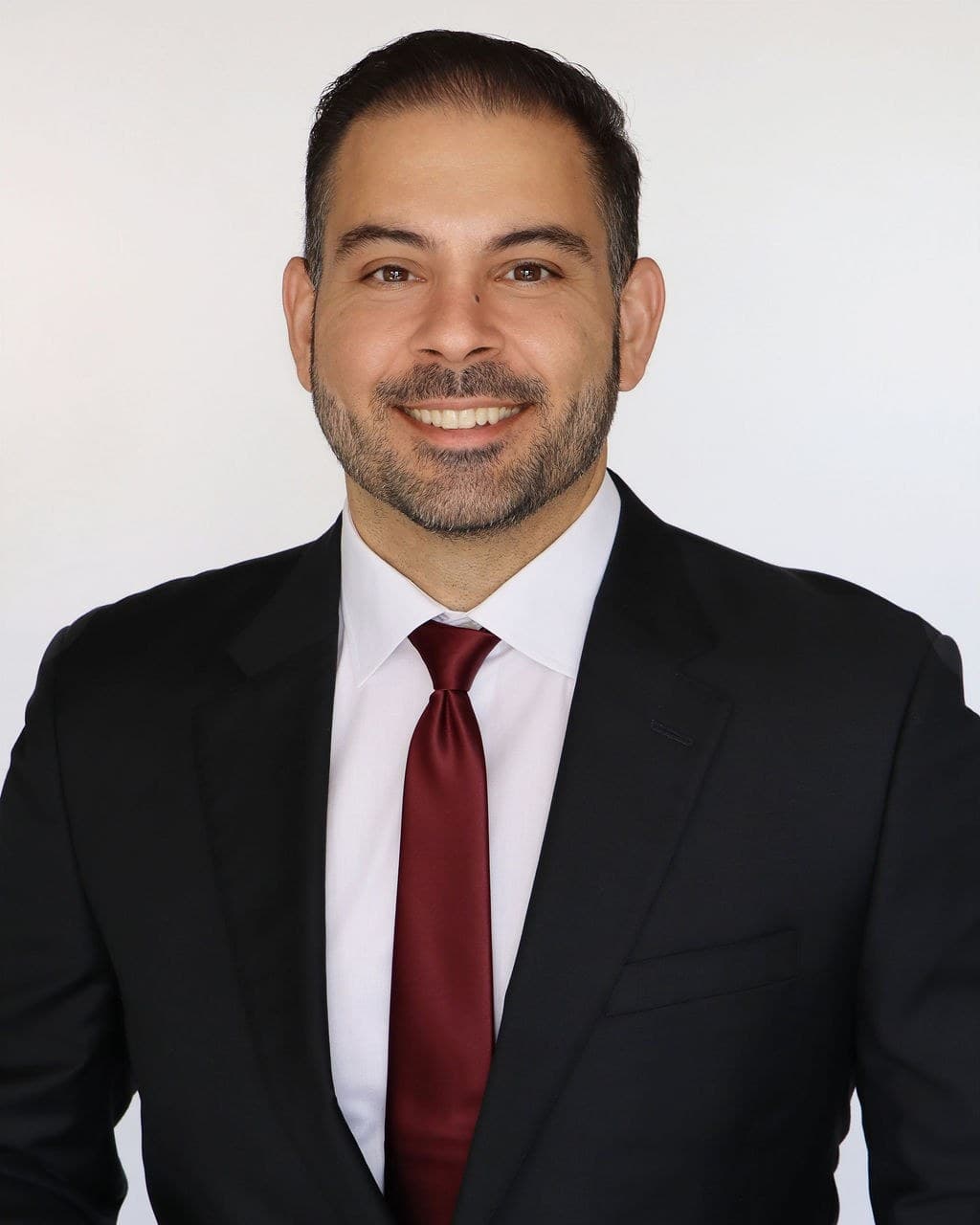
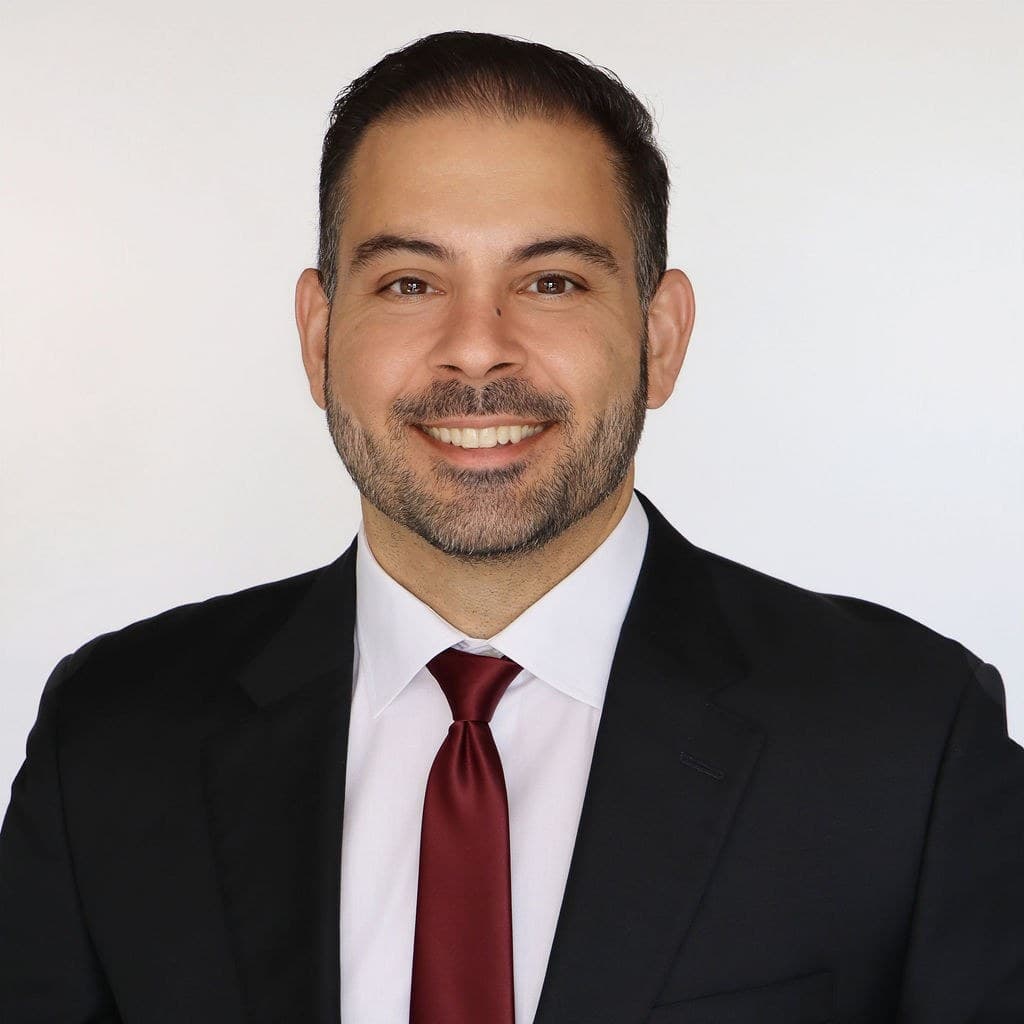
Eman Yazdchi, Esq., Certified Specialist in Workers' Compensation Law, California Board of Legal Specialization, State Bar of California.

California Board of Legal Specialization, State Bar of California
California Board of Legal Specialization, State Bar of California
- 14+
- Years of Practice
- 500+
- Cases handled over 14+ years
- $7M+
- Recovered over 14+ years
- 3
- Languages: English, Español, Farsi
Past results do not guarantee, warrant, or predict future cases. Each case is different and results depend on specific facts and circumstances.

By Eman Yazdchi, Esq. · Certified Specialist in Workers' Compensation Law, California Board of Legal Specialization, State Bar of California · Cal Bar #285231
A denial letter can make a Chino worker feel boxed in. The adjuster may say the injury is not work related, the report came late, or an old condition is the real cause. That letter is not the last word. It is a decision that can be tested with dates, records, and medical proof.
Chino claims often come from hard work that is easy to understate on paper. A selector pulling freight near the 71 and 60 interchange, a dairy worker off Eucalyptus Avenue, a Chino Airport mechanic, a correctional employee, and a clinic aide may all get the same short denial form. The facts behind those jobs are not the same.
The first move is simple. Save the letter. Keep the envelope or email. Write down when the DWC-1 claim form was given to the employer. Write down when the denial arrived. Those dates decide whether the carrier acted inside the investigation window.
Call (661) 273-1780 before you assume the claim is over. The review should cover the denial reason, the missing proof, and whether the San Bernardino WCAB needs to hear the dispute.
Why did the Chino workers' comp carrier deny the claim?
Most Chino denials come from a thin file, a rushed causation decision, or missing job details that can still be supplied.
A denial usually sounds final because it is written that way. It may say the injury did not arise out of employment, that notice was late, that the worker changed the story, or that the doctor did not explain causation. Those words matter, but they are only the carrier's position.
For a Chino warehouse worker, the denial may ignore pick rates, trailer unloading, freezer work, or pallet height. For a dairy worker, it may leave out wet concrete, hoses, stairs, animal movement, or sanitation shifts. For a Chino Airport worker, it may miss vibration, kneeling, fuel work, hand tools, and outdoor heat. The cure is not a long speech. The cure is proof that connects the body part, the task, and the date.
- Get the denial letter and any attachments.
- List the first supervisor who knew about the injury.
- Save texts about schedule changes, light duty, or being sent home.
- Ask the treating doctor to describe the work activity in plain words.
- Keep badge swipes, route sheets, dock logs, work orders, and timecards.
The strongest denied claim is often the one that becomes boring to review. The dates line up. The job task is clear. The medical note repeats the same mechanism. A witness confirms what happened. That is how a short denial can start to lose force.
Chino workers should also separate the injury issue from job fear. A supervisor may say the company has no modified work, that the worker should use sick time, or that a claim will cause problems. Those statements do not decide coverage. They are facts to save. A short note with the speaker, date, and exact words can help explain why the report was delayed or why treatment stalled.
What does Labor Code section 5402(b) mean after a denial?
The 90-day rule asks whether the carrier rejected liability on time after the claim form was filed.
Labor Code section 5402(b)(1): If liability is not rejected within 90 days after the date the claim form is filed under Section 5401, the injury shall be presumed compensable under this division. The presumption of this subdivision is rebuttable only by evidence discovered subsequent to the 90-day period.
This rule makes the claim-form date important. It is not enough to ask when pain started. We need to know when the DWC-1 was filed, when the employer received it, and when the carrier rejected liability. A denial sent after the deadline can create a powerful response for the worker.
The rule does not mean every late-denial case is automatic. It means the timing issue becomes central. The file should show the claim form, proof it was returned, the denial date, and what evidence the carrier claims it found after the deadline. If the insurer already had the key facts and simply waited, the worker has a different case than someone who never filed a claim form.
There is also an early medical-care rule during the investigation. A carrier may owe treatment up to the statutory limit while it investigates. That can include clinic care, imaging, medication, therapy, and specialist visits tied to the claimed injury. A denial that arrives after the worker was left without care should be reviewed closely.
The timing review should be done from paper, not memory. A worker may remember reporting pain on one date, but the file may show a later claim-form date. Or the employer may have known about an injury before the claim form was signed. Both details matter. Keep copies of forms, clinic intake sheets, employer emails, and any adjuster letters in one folder so the dates can be compared without guessing.
Which Chino evidence changes a denied claim?
Useful proof is local and practical: time records, work orders, witness names, medical notes, and photos of the task.
Chino cases are often won or lost on job proof. A broad job title like laborer, driver, nurse assistant, mechanic, or clerk says very little. The file needs the actual task. Was the worker lifting cartons over shoulder level, pushing loaded linen carts, climbing milk-room steps, sorting returns, changing tires, restraining a person, or standing at a packing table for ten hours?
| Dispute | Useful Chino proof | Why it matters |
|---|---|---|
| Carrier says no work cause | Dock camera request, pallet count, pick ticket, route sheet, mechanic work order | Shows the task that matches the injury |
| Carrier says late report | Supervisor text, clinic referral, shift note, incident log, coworker name | Shows the employer had notice earlier |
| Carrier blames an old condition | Prior records, new MRI, symptom timeline, job-duty statement | Separates old imaging from new disability |
| Carrier denies treatment | Doctor request, utilization review letter, pharmacy record, therapy referral | Shows the care requested and the deadline to respond |
For Mountain Avenue and Central Avenue workers, traffic and commuting do not explain a back injury from trailer work. For Euclid Avenue dairy crews, a carrier cannot fairly decide causation without knowing the surfaces, tools, and shift pace. For correctional staff and public employees, incident reports and duty rosters can show a sudden event that a denial letter leaves out.
Medical proof should be just as concrete. Tell the provider the job task, not only the pain level. Instead of saying the back hurts, explain that the pain began after unloading floor-loaded boxes for a full shift or after lifting a patient from a low chair. Instead of saying the wrist hurts, explain the scanning, gripping, hose handling, tool use, or keyboard volume. That level of detail helps the doctor write a report the carrier cannot dismiss as vague.
Results in cases like this
Every case is different. Past results do not guarantee, warrant, or predict a similar outcome.
$5,000,000
Catastrophic spinal cord injury
$1,500,000
Cervical spine injury
$425,000
Slip and fall accident
Find Out What Your Chino Case May Be Worth
Two minutes. No fee unless we win; costs may apply.
Question 1 of 5
What type of injury do you have?
Not ready to fill this out? Just call (661) 273-1780 and we’ll ask the same questions by phone.
Free Consultation
Call or send the short form. We review your case, explain your rights, and outline your options. Free, no obligation.
We Build Your Case
We gather medical evidence, handle the insurance company, and file all the workers' comp court (WCAB) paperwork for you.
We Pursue Every Benefit
Medical care, lost wages, and permanent disability benefits. No fee unless we win your case; costs may apply.
Where is a denied Chino workers' comp claim heard?
Denied Chino claims are handled through the San Bernardino WCAB, where local proof and clear timelines matter.
Chino workers' compensation disputes are commonly venued at the San Bernardino Workers' Compensation Appeals Board district office. That office handles conferences, trials, settlement review, and orders in disputed claims from the Inland Empire. A worker does not need to know the board process before calling. The first task is to organize the file so the dispute can be presented clearly.
Local context matters because Chino is not a generic suburb in these cases. The city has logistics near the freeway corridors, agricultural and dairy work south of the city core, public-sector injury files, airport and repair work, health care, schools, retail, and small manufacturing. Each setting creates different evidence.
A logistics case may need a pallet manifest and lift-height photos. A dairy case may need sanitation schedules and photos of wet floors. A Chino Airport case may need a maintenance ticket, tool list, and hangar witness. A public employee case may need the incident report, roster, and a written account made before memory fades.
The venue also affects how the case is prepared. A mandatory settlement conference is not the place to discover that the only witness moved, the clinic note named the wrong employer, or the denial letter used a date no one checked. Before a hearing, the file should be sorted into notice, injury mechanism, treatment, wage loss, and disability. That simple order helps the judge see the dispute quickly.
Bring the denial letter, the claim number, medical notes, pharmacy slips, work restrictions, and any text from a supervisor. If you only have part of that file, call anyway. A missing document can often be requested later. What cannot be replaced is a missed deadline.
If the denial involved a cumulative injury, write down the months or years of repeated tasks. Chino claims often involve long exposure, not one dramatic accident. A worker who scanned freight, washed dairy equipment, handled inmate movement, repaired aircraft parts, or lifted patients for years needs a timeline that shows when the pain became disability and when the worker first linked it to the job.
The first review should also identify the body parts in dispute. Chino denials sometimes accept one part and deny another, which can hide the real value of future care.
Attorney Eman Yazdchi handles denied workers' comp claims for Chino workers. The review is free, and there is no upfront attorney fee in a standard workers' compensation case. Call (661) 273-1780 to check the denial, the 90-day timeline, and the next filing step.
Injured at work in Chino? Talk it through for free.
Most claims must be filed within one year under Labor Code section 5405. A free call tells you where your clock stands.
Frequently Asked Questions
What should I do first after a Chino workers' comp denial?
Can a late denial help my Chino case?
Is a denied claim the same as a denied MRI or therapy request?
What if the insurer says my Chino injury is from an old condition?
Which WCAB handles Chino denied claims?
Can I keep getting medical care while the denial is disputed?
Does immigration status stop a Chino worker from fighting a denial?
How much does it cost to call Yazdchi Law about a denied claim?
Last reviewed by Eman Yazdchi, Esq., June 2026.
Free case evaluation
Get your free Chino case evaluation
Three fields. We respond within one business day.
Talk to a Certified Specialist
Certified Specialist in Workers' Compensation Law, California Board of Legal Specialization, State Bar of California.
Takes 30 seconds. No obligation.
Eman by far exceeds the basic requirements other lawyers give to clients and surpasses all expectations.
Eman really knows his stuff and we were very pleased with our end result.
Client testimonials. Testimonials are not a guarantee, warranty, or prediction of the outcome of your case.