
Chino, California · Workers' Compensation
Workers' Comp Settlement Lawyer in Chino, California
Hurt at work in Chino? Workers' comp pays for medical care and part of your lost pay while you heal. A free call tells you where you stand.
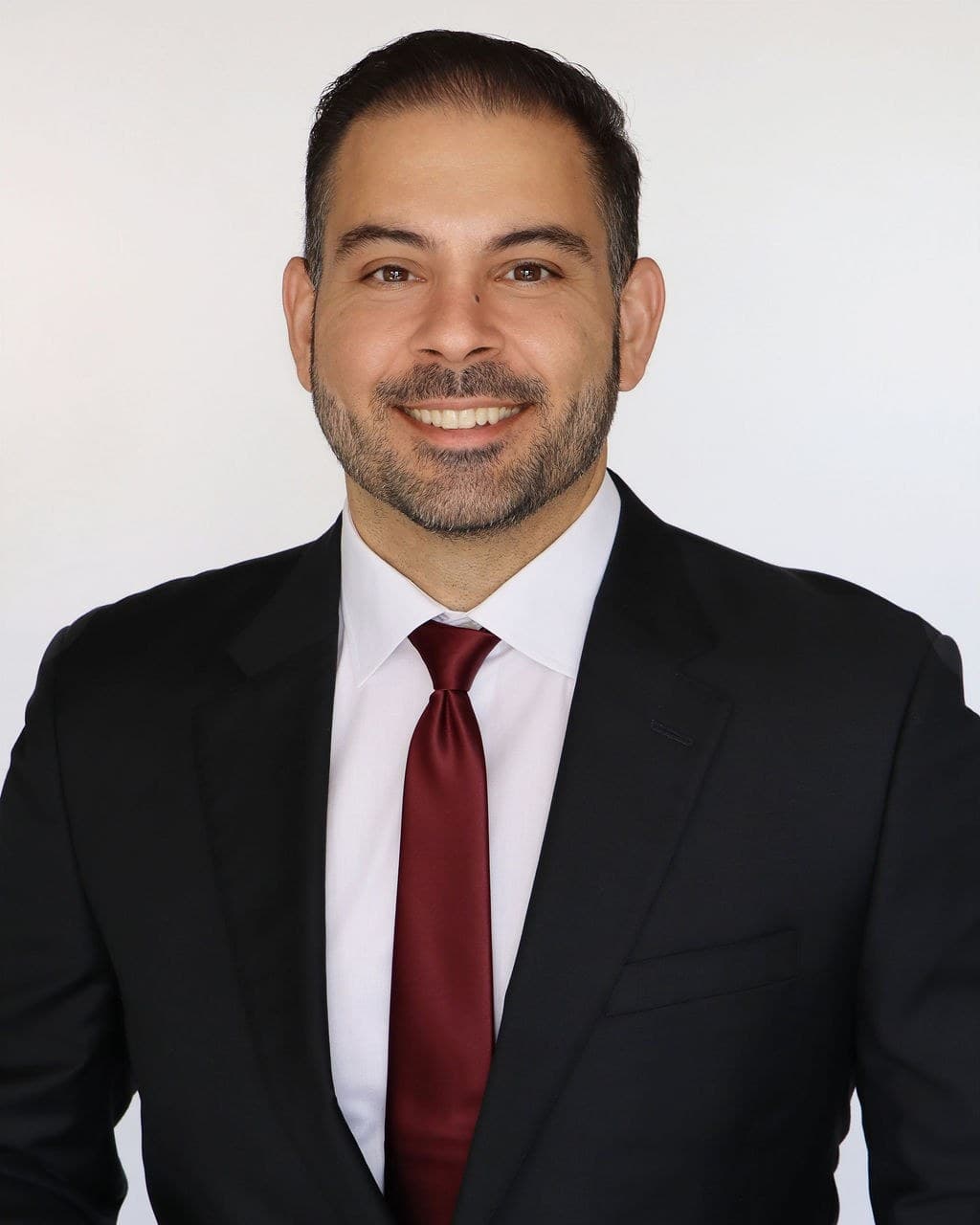
Eman Yazdchi, Esq., Certified Specialist in Workers' Compensation Law, California Board of Legal Specialization, State Bar of California.

California Board of Legal Specialization, State Bar of California
California Board of Legal Specialization, State Bar of California
- 14+
- Years of Practice
- 500+
- Cases handled over 14+ years
- $7M+
- Recovered over 14+ years
- 3
- Languages: English, Español, Farsi
Past results do not guarantee, warrant, or predict future cases. Each case is different and results depend on specific facts and circumstances.

By Eman Yazdchi, Esq. · Certified Specialist in Workers' Compensation Law, California Board of Legal Specialization, State Bar of California · Cal Bar #285231
What may a Chino workers' comp claim settle for?
A Chino settlement is built from the medical rating, job demands, future care, disability payments, liens, and the WCAB form used to close the case.
Chino work injuries often come from jobs that are hard on the body. Correctional staff at California Institution for Men or California Institution for Women may deal with restraint injuries, falls, and repetitive security work. Chino Airport and warehouse employees may have lifting, driving, and equipment claims. Dairy, food, and retail workers may have years of strain before they finally report the injury.
The settlement value is not a guess based on the city name. It comes from the medical reports, the permanent disability rating, and the cost of future care. If the doctor says the worker can no longer lift, stand, grip, or work around custody risks, those limits can matter. If the insurer claims the condition came from age or an old injury, that can reduce the offered number unless the medical reasoning is challenged.
Eman Yazdchi is the attorney for the worker, not Mike Crouch. Eman Yazdchi is a Certified Specialist in Workers' Compensation Law, certified by the California Board of Legal Specialization, State Bar of California. He reviews Chino settlement offers for the rating, deductions, body parts, future medical terms, and net amount before the worker signs. The firm can be reached at (661) 273-1780.
A workers' comp settlement is not enforceable just because the insurance adjuster and worker agree. The papers go to the Workers' Compensation Appeals Board. For Chino, that usually means the San Bernardino WCAB. The judge looks for enough detail to approve the agreement, including the injury dates, body parts, benefit history, and whether the settlement is adequate.
Labor Code section 5001 states: "No release of liability or compromise agreement is valid unless it is approved by the appeals board or referee."
That rule is especially important when the settlement closes medical care. A worker who takes a Compromise and Release usually accepts money now and gives up the right to have the carrier pay later medical treatment for the settled injury. A Stipulated Award keeps the case more open. It pays the agreed rating and usually leaves treatment available under workers' comp rules.
The first review is practical. Which body parts are admitted? Which are denied? Is the worker back at work, on light duty, or off work completely? Are there missed temporary disability checks? Is the treating doctor asking for more care? A settlement answer should come after those facts are organized.
Which settlement form protects a Chino worker best?
A Stipulated Award keeps accepted medical care open; Compromise and Release closes the claim for one payment and shifts future care risk to the worker.
For Chino workers, the settlement form can matter as much as the amount. A C&R may help a worker who wants to end the claim, move on from the network, and control medical choices. It can also create risk if the injury still needs active treatment. A warehouse back injury with possible surgery, a correctional officer shoulder tear, or a knee claim with hardware can need care long after the first settlement offer.
A Stipulated Award is less final. The worker and carrier agree to the disability percentage. Payments are made under the award. Medical care stays open for the accepted body parts, though it remains subject to utilization review, medical provider network rules, and treatment disputes. That can be valuable when the worker has a chronic injury but does not want to sell the medical side too cheaply.
Several facts can move settlement value. A complete QME report helps. A clear job description helps. So do records that explain why the worker cannot return to the same job at CIM, CIW, Chino Airport, a dairy operation, or an Inland Empire warehouse. Value can fall when the report ignores work duties, leaves out a body part, or assigns apportionment without a sound medical explanation.
Medicare planning should be handled before the last draft, not after. If a worker is on Medicare or likely to qualify soon, a C&R that closes future medical can require a Medicare Set-Aside analysis. The point is to protect Medicare's interest and avoid later payment problems. A rushed settlement can leave the worker with money that looks adequate on paper but does not cover the real care plan.
These are general California ranges, not a prediction. Your actual award depends on your disability rating, age, occupation, and future medical care. Past results do not guarantee future outcomes.
| Injury severity | Statewide general range | Common value drivers |
|---|---|---|
| Brief care with full duty release | $2,500 to $15,000 | Low rating, fast recovery, little or no future care |
| Ongoing limits without surgery | $15,000 to $60,000 | Work restrictions, injections, therapy, disputed apportionment |
| Surgery or permanent job change | $60,000 to $150,000 | Higher rating, retraining voucher, future specialist visits |
| Serious disability with major care needs | $150,000 or more | High rating, life pension analysis, home help, Medicare planning |
These are general California ranges, not a prediction. Your actual award depends on your disability rating, age, occupation, and future medical care. Past results do not guarantee future outcomes.
The range is statewide because Chino has no special settlement chart. A correctional officer with safety restrictions may have different value than a store employee with the same shoulder diagnosis. A Chino Airport mechanic with hand limits may have a different rating problem than a clerical worker. The number should follow the medical record and the job, not a shortcut.
Attorney fees are part of the settlement review. In California workers' comp, the fee is contingent and must be approved by the WCAB. The worker should see the proposed fee, permanent disability advances, medical liens, child support liens if any, and the net payment. A clean explanation helps prevent a settlement that looks larger than it really is.
A fair review also checks timing. Some cases should not settle before the worker reaches a stable medical point. Other cases are ready because the rating is clear and treatment needs are known. The worker should not be pushed into a final release only because the adjuster wants to close the file before the next hearing.
The net amount needs the same care. Advances, liens, fee approval, and medical allocations can change what the worker actually receives. A simple settlement sheet should explain each deduction. If the number cannot be explained in plain language, it should be questioned before signature.
Results in cases like this
Every case is different. Past results do not guarantee, warrant, or predict a similar outcome.
$5,000,000
Catastrophic spinal cord injury
$1,500,000
Cervical spine injury
$425,000
Slip and fall accident
Find Out What Your Chino Case May Be Worth
Two minutes. No fee unless we win; costs may apply.
Question 1 of 5
What type of injury do you have?
Not ready to fill this out? Just call (661) 273-1780 and we’ll ask the same questions by phone.
Free Consultation
Call or send the short form. We review your case, explain your rights, and outline your options. Free, no obligation.
We Build Your Case
We gather medical evidence, handle the insurance company, and file all the workers' comp court (WCAB) paperwork for you.
We Pursue Every Benefit
Medical care, lost wages, and permanent disability benefits. No fee unless we win your case; costs may apply.
What local facts matter in a Chino settlement review?
Chino cases usually go through the San Bernardino WCAB, with proof tied to corrections, airport work, dairy operations, logistics, and local medical networks.
Chino has several work settings that affect settlement review. Correctional employees may have injury reports, use of force records, and job restrictions that do not look like ordinary retail files. Airport and logistics workers may need detailed lifting, driving, ladder, and equipment descriptions. Dairy and food production workers may have repetitive claims that developed over years, making injury date and medical history important.
The San Bernardino WCAB, located at 464 W 4th Street in San Bernardino, generally handles Chino workers' comp settlements. The venue is familiar with Inland Empire claims, but the judge still depends on the papers. The settlement should identify the correct employer, insurance carrier, injury dates, body parts, temporary disability paid, medical treatment, and future medical terms.
Medical records often come from several places. A Chino worker may treat near Chino Valley Medical Center, San Antonio Regional Hospital, an occupational clinic in Ontario, or a specialist in Rancho Cucamonga. The QME may examine the worker months after treatment started. Settlement review should compare the evaluator's report against the treating record and the actual job limits.
Future medical can be the biggest local concern. A worker who still needs pain management, orthopedic follow up, or medication may value open care. Another worker may prefer a C&R because the network has delayed care or the worker has moved away from Chino. Neither answer should be chosen until the worker knows what treatment is likely and who will pay for it after approval.
Chino workers may also have records from several employers or job sites. That matters in repetitive trauma cases. A dairy worker may have years of lifting. A warehouse worker may have more than one staffing agency. A correctional employee may have both a specific incident and a cumulative claim. The settlement papers should match that history.
Before a Chino worker signs, the settlement should answer five practical questions: what is the gross amount, what is the net amount, what medical care is closing, what claims are still open if any, and how Medicare or liens are handled. Eman Yazdchi reviews those points so the worker is not left guessing at the approval conference.
Simple proof helps. Keep wage records. Save work notes. List every clinic visit. Write down denied care. Keep the job offer or light duty note. Bring the QME report and the latest work status slip. These basic items can make the settlement talk more accurate and less rushed.
After approval, the worker should know the next steps. Payment may take time. Medical care may continue under a Stipulated Award. Under a C&R, care may shift to the worker after approval. Clear terms help avoid a bad surprise when the claim file closes.
Injured at work in Chino? Talk it through for free.
Most claims must be filed within one year under Labor Code section 5405. A free call tells you where your clock stands.
Frequently Asked Questions
How is a Chino workers' comp settlement valued?
What does a Compromise and Release do?
Why would a Chino worker choose a Stipulated Award?
Can future medical care be bought out?
Does Medicare affect a Chino workers' comp settlement?
What if the QME report undervalues my Chino job duties?
How are lawyer fees paid in a Chino workers' comp settlement?
Where does a Chino workers' comp settlement get approved?
Last reviewed by Eman Yazdchi, Esq., June 2026.
Free case evaluation
Get your free Chino case evaluation
Three fields. We respond within one business day.
Talk to a Certified Specialist
Certified Specialist in Workers' Compensation Law, California Board of Legal Specialization, State Bar of California.
Takes 30 seconds. No obligation.
Eman at Yazdchi Law was extremely professional, responsive, and supportive at all times. He and his staff exceeded all of my expectations.
A fighting force both consistent and compassionate on a scale’s a 5 all around.
Client testimonials. Testimonials are not a guarantee, warranty, or prediction of the outcome of your case.