
Crenshaw, California · Workers' Compensation
Crenshaw Denied Workers' Compensation Claim Lawyer
Hurt at work in Crenshaw? Workers' comp pays for medical care and part of your lost pay while you heal. A free call tells you where you stand.
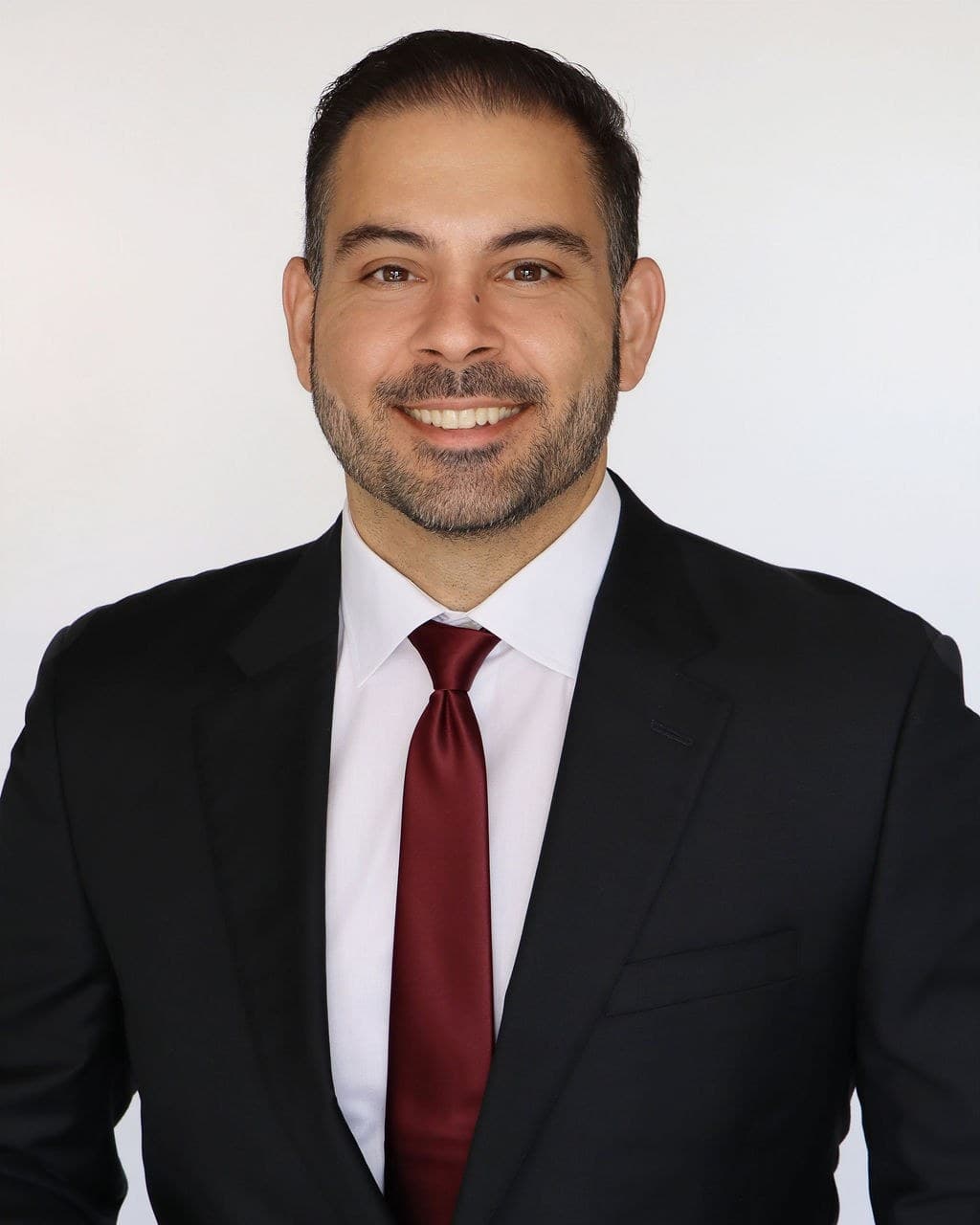
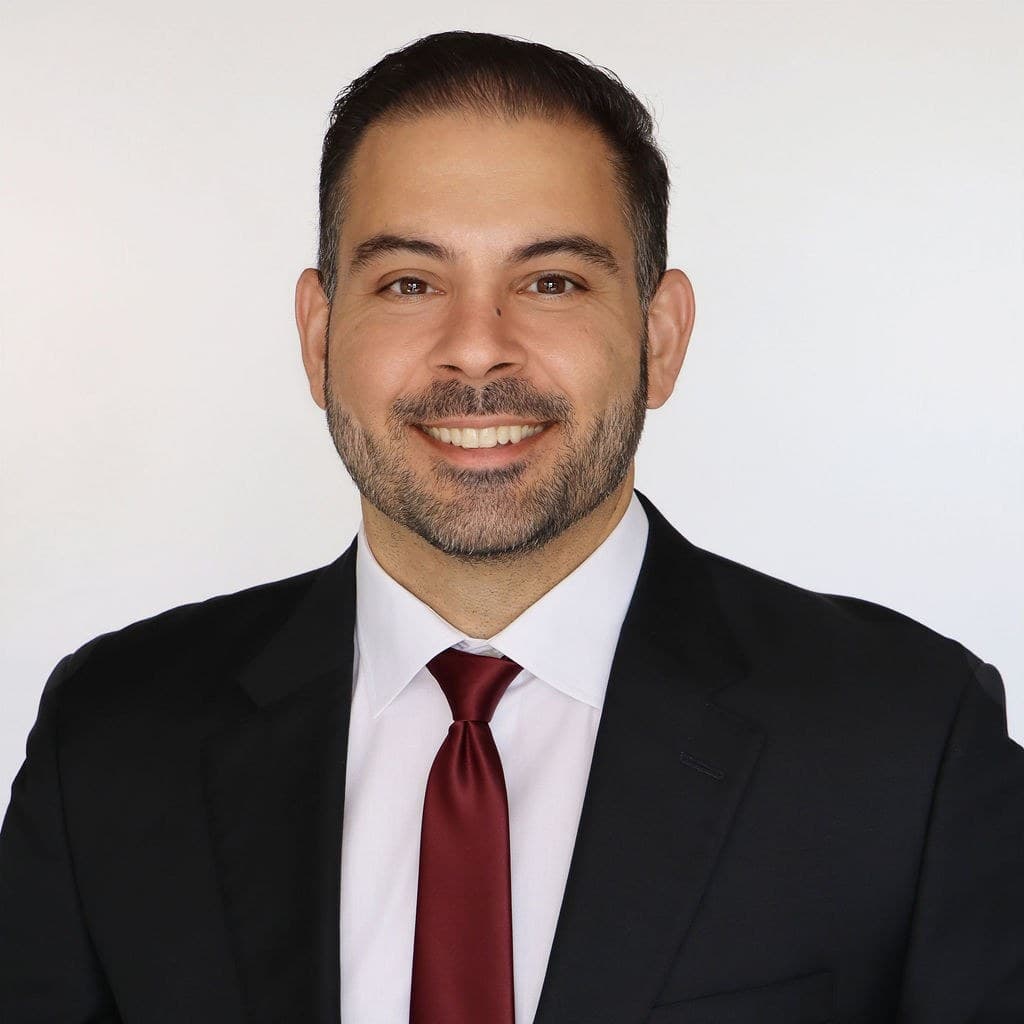
Eman Yazdchi, Esq., Certified Specialist in Workers' Compensation Law, California Board of Legal Specialization, State Bar of California.

California Board of Legal Specialization, State Bar of California
California Board of Legal Specialization, State Bar of California
- 14+
- Years of Practice
- 500+
- Cases handled over 14+ years
- $7M+
- Recovered over 14+ years
- 3
- Languages: English, Español, Farsi
Past results do not guarantee, warrant, or predict future cases. Each case is different and results depend on specific facts and circumstances.

By Eman Yazdchi, Esq. · Certified Specialist in Workers' Compensation Law, California Board of Legal Specialization, State Bar of California · Cal Bar #285231
A denial is not the end. It is the beginning of the fight for your benefits. In California, you have real legal routes to challenge a denial, and a strict deadline to use them. Do not wait.
If your workers' comp claim or a treatment was turned down, you may still be entitled to full medical care under the 90-day rule, a formal hearing at the Los Angeles WCAB, and an appeal all the way to the Court of Appeal. A Crenshaw worker who fights back often wins. A worker who does nothing almost never does.
Your first three steps today:
- Check the date on the denial letter. Your response deadline starts the day you receive it. Every day matters.
- Gather every document you have. Your DWC-1 form, medical records, the denial letter itself, and any texts or emails about your injury.
- Call for a free review. Eman Yazdchi, a Certified Specialist in Workers' Compensation Law, California Board of Legal Specialization, State Bar of California, handles denied-claim fights at the Los Angeles WCAB. Call (661) 273-1780.
Was your Crenshaw claim denied? Here is what to do.
Check the date on your denial, pull together your documents, and call a workers' comp attorney the same day. You have a short window to respond, and every day counts.
Getting a denial does not mean the insurer is right. It means they have taken a position. California law gives you the tools to challenge that position. A lawyer can often flip a denial or win full benefits on appeal. The key is moving quickly, because your response window is measured in weeks, not months.
Crenshaw workers face denials across every kind of job. A retail clerk on Crenshaw Boulevard who hurt her shoulder lifting stock. A food-service worker at Baldwin Hills Crenshaw Plaza who developed wrist pain from years of the same motions. A Metro K Line operations worker hurt during a track shift. A home health aide who injured her back moving a patient. All of them received denial letters. All of them had rights. We are here to help you use yours.
Why do insurers deny workers' comp claims?
They say the injury is not work-related, blame an old condition, claim you reported too late, or call the treatment unnecessary. None of these reasons automatically ends your case.
Understanding why you were turned down helps you fight back. Here are the most common reasons and what they mean for you:
- "Your injury did not happen at work." The insurer says your condition has nothing to do with your job. This is the most common denial in Crenshaw. A medical opinion that connects your condition to your work duties can often overturn it.
- "An old injury or your health caused this." The insurer points to a prior condition, your age, or normal wear. The law requires them to back this up with real medical proof, not a guess.
- "You reported too late." There is a rule for reporting to your employer and a one-year rule for filing a formal claim. But there are exceptions. A slow-build rule protects workers whose symptoms developed over time, which is common in restaurant and clinical work.
- "The treatment is not needed." The insurer's review process approves or denies every treatment your doctor orders. When it says no, that is a separate fight from a denied claim, and the path forward is different. We cover both below.
Some denials are issued just to see if you give up. Many workers do. We are here so you do not have to.
The 90-day rule: what it means for your claim
The insurer has 90 days from your DWC-1 form to accept or turn down your claim. If it misses that window, the law presumes you are covered. And up to $10,000 in medical care is owed right now, even while they investigate.
The single most important rule in a denial fight is the 90-day clock. Here is how it works under §5402:
Labor Code §5402(b): "If liability is not rejected within 90 days after the date the claim form is filed under Section 5401, the injury shall be presumed compensable under this division. The presumption of this subdivision is rebuttable only by evidence discovered subsequent to the 90-day period."
In plain words: if the insurer sits on your claim for more than 90 days, it has given up its right to deny you outright. The law then presumes you are covered. The insurer would need new evidence found after that window even to try to challenge you.
That same law has a second piece just as important. Even while the insurer is investigating, it owes you up to $10,000 in medical care right now. That money is available before the insurer ever decides to accept or turn down your claim. They cannot freeze your doctors, your imaging, or your prescriptions while they take their time. If a Crenshaw restaurant worker files a claim for a repetitive wrist injury and the insurer wants three months to investigate, the worker still gets treatment covered up to that cap during those three months.
If you filed your DWC-1 form and heard nothing back within 90 days, call us today. That silence may already be working in your favor.
Denied treatment vs. a denied claim: two different fights
A denied treatment and a denied claim are two separate problems. Each has its own appeal route and its own deadline. Mixing them up is one of the most costly mistakes a hurt worker can make.
Workers often confuse these two because both feel like the insurer saying "no." But they travel very different roads.
When a treatment is turned down
Every treatment your doctor orders goes through a Utilization Review process. A Utilization Review doctor checks it against California treatment guidelines and either approves or turns it down. If the answer is no, you have 30 days to request an Independent Medical Review. That review is done by a neutral doctor with no ties to the insurer. The result is almost always final, except in narrow situations like fraud or an obvious conflict of interest.
A Metro K Line worker whose doctor ordered a shoulder MRI, and whose insurer said no through Utilization Review, has just 30 days to ask for that independent review. Missing that deadline may close the door on that treatment entirely.
When the whole claim is turned down
If the insurer says your injury is not work-related at all, that is a full claim denial. You fight this at the Workers' Compensation Appeals Board. Your attorney opens your case by filing the paperwork, and a workers' comp judge hears the dispute. If the judge rules against you, you can file a Petition for Reconsideration, which is a written request asking the board to review the judge's decision again. If that is denied, you have the right to take it to the Court of Appeal through a Writ of Review.
How long do you have to respond to a denial?
Your window is short. Treatment denials: 30 days. A judge's ruling: 20 to 25 days. Miss either deadline and the door may close for good.
Here is every appeal deadline in one place. Courts do not extend these dates easily. If you are close to any of them, call right away.
| What was denied | Your appeal route | Deadline | Law |
|---|---|---|---|
| Treatment denied at Utilization Review | Independent Medical Review | 30 days from the denial | §4610.5 |
| Independent Medical Review upheld the denial | Appeal on narrow grounds only (fraud, bias, conflict) | 30 days | §4610.6 |
| A judge's decision (Findings and Award) | Petition for Reconsideration (written request for board review) | 25 days if mailed, 20 days if served electronically | §5903 |
| Reconsideration denied | Writ of Review to the Court of Appeal | 45 days | §5950 |
| New or worsened disability after a closed case | Petition to Reopen | Within 5 years of the injury date | §5803 |
Not sure which deadline applies to you? A free call will tell you exactly where you stand: (661) 273-1780.
What to do the day your denial letter arrives
Write down the date you received it, read it carefully, pull your documents together, and call an attorney that same day. The deadline clock starts the moment the letter reaches you.
A denial letter can feel like a gut punch. Take a moment, then act. Here is a short checklist for that day:
- Write down today's date. Your appeal deadline runs from when you received the letter, not when it was mailed.
- Read the letter carefully. Is this a treatment denial, a full claim denial, or a notice of delay? The right move depends on which one you have.
- Gather your documents. Your DWC-1 form, medical records from any treatment so far, your employer's accident report, and every letter or text with the insurer.
- Do not call the insurer's adjuster alone. Anything you say can be used to keep your claim turned down. Let your attorney handle that conversation first.
- Call Yazdchi Law. Eman Yazdchi has handled denied-claim fights at the Los Angeles WCAB across every industry in South LA. The call is free and there is no obligation. (661) 273-1780.
Can you be fired for fighting a denial?
No. Punishing a worker for filing or pursuing a workers' comp claim is illegal under California law. You can win your job back, your lost wages, and a penalty added to your award.
Some employers pressure workers to drop denied claims. Others change a worker's hours, cut their pay, or find a reason to let them go after the claim is filed. All of that is against California law. The anti-retaliation rule gives you the right to reinstatement, your lost wages, and a 50% penalty added to your award, up to $10,000. If your employer is making your work life harder because you filed or refused to drop a claim, tell us right away.
Results in cases like this
Every case is different. Past results do not guarantee, warrant, or predict a similar outcome.
$5,000,000
Catastrophic spinal cord injury
$1,500,000
Cervical spine injury
$425,000
Slip and fall accident
Find Out What Your Crenshaw Case May Be Worth
Two minutes. No fee unless we win; costs may apply.
Question 1 of 5
What type of injury do you have?
Not ready to fill this out? Just call (661) 273-1780 and we’ll ask the same questions by phone.
Free Consultation
Call or send the short form. We review your case, explain your rights, and outline your options. Free, no obligation.
We Build Your Case
We gather medical evidence, handle the insurance company, and file all the workers' comp court (WCAB) paperwork for you.
We Pursue Every Benefit
Medical care, lost wages, and permanent disability benefits. No fee unless we win your case; costs may apply.
Denied-claim fights at the Los Angeles WCAB
Crenshaw denial cases are heard at the Los Angeles WCAB at 320 W 4th Street. Eman Yazdchi appears there regularly on denied-claim and cumulative-trauma cases from across South LA.
Where is the Los Angeles WCAB, and how does it serve Crenshaw workers?
Crenshaw is part of the Los Angeles WCAB district. Denied-claim hearings, Petitions for Reconsideration, and appeals all run through the board at 320 W 4th Street, Los Angeles. For a Crenshaw worker, that is a straight shot west on the 10 or down Crenshaw Boulevard to downtown LA. Yazdchi Law appears there regularly on denied claims and cumulative-trauma disputes. Free bilingual representation is available from the first call through the final hearing. Related: Los Angeles workers' comp overview and California claim-denied resources.
Which Crenshaw workers most often face denials?
Crenshaw's economy runs on small business, transit, and community health. The workers who most often come to our office with a denial letter include:
- Retail and restaurant workers on Crenshaw Boulevard: shoulder, wrist, and back injuries from lifting stock, standing long shifts, and repetitive service work. Cumulative-trauma denials are common here because no single incident caused the injury.
- Baldwin Hills Crenshaw Plaza workers: food-court, retail, and service workers facing "pre-existing condition" or "not work-related" letters from large insurers who count on workers not knowing their rights.
- Metro K Line construction and operations staff: track workers and operators whose back, knee, and hearing-loss claims are contested on causation grounds.
- Home health aides and clinical workers in the South LA corridor: patient-handling injuries denied because the insurer says the worker had prior conditions or waited too long to report.
We see these denials every week. We know the exact arguments each insurer uses for each industry, and we know how to counter them at the LA board.
Cumulative-trauma denials in Crenshaw: why they happen and how to fight them
Many Crenshaw workers do the same tasks for years: serving tables, stocking shelves, moving patients, operating transit equipment. The injury builds slowly, with no single accident to point to. When those workers file a claim, the insurer's first move is often to say the injury is not from work because there was no workplace event. That is the cumulative-trauma denial, and it is very common across Crenshaw's restaurant, retail, and clinical industries.
Fighting back starts with a medical opinion that connects your condition to your work duties. The right doctor can trace a wrist injury to years of repetitive service work, or a knee problem to daily stairs on a transit platform. The Qualified Medical Evaluator process gives each side the chance to present medical evidence through a single neutral doctor chosen from a state panel. We know the local evaluator pool and work this process carefully. Related: California cumulative-trauma claims.
What if you are undocumented?
Your immigration status does not change your workers' comp rights in California. Every worker, regardless of documentation, is entitled to medical care, wage replacement, and a disability award for a work injury. Your employer cannot threaten to report you for filing a claim or fighting a denial. That threat is its own separate violation of state law. We represent undocumented workers throughout Crenshaw and South LA, and our office is bilingual. Your private information stays private.
What does fighting a denied claim cost?
Nothing up front, and nothing unless we win. Workers' comp attorney fees in California are set by the judge, usually 12 to 15 percent of what we recover for you.
You do not pay by the hour. You do not pay a retainer. In California, workers' comp attorney fees are set by the WCAB judge, typically 12 to 15 percent of your award or settlement, paid only after you win. If there is no recovery, you owe nothing. A Crenshaw retail worker fighting a denial gets the same quality of legal fight as anyone else.
About your attorney
Eman Yazdchi is a Certified Specialist in Workers' Compensation Law, certified by the California Board of Legal Specialization, State Bar of California (CA Bar #285231). Only a small fraction of California attorneys hold this designation. He has represented hundreds of injured California workers and appears regularly at the Los Angeles WCAB. Our firm has recovered up to $5,000,000 for a catastrophic spinal-cord injury and $1,500,000 for a cervical-spine injury. Past results do not guarantee future outcomes. More about Eman Yazdchi. Verify his State Bar profile.
Nearby South LA cities we also serve
Injured at work in Crenshaw? Talk it through for free.
Most claims must be filed within one year under Labor Code section 5405. A free call tells you where your clock stands.
Frequently Asked Questions
What happens if the insurer misses the 90-day deadline to accept or deny my Crenshaw workers' comp claim?
What does the $10,000 interim medical care cover while the insurer is still investigating my claim?
What are the most common reasons workers' comp claims in Crenshaw get denied?
Can I be fired for challenging a denied workers' comp claim?
My doctor ordered physical therapy and the insurer said no. What do I do?
I am undocumented. Can I still fight a denied workers' comp claim in Crenshaw?
How long does it take to resolve a denied-claim case at the Los Angeles WCAB?
My workers' comp case was already closed and my condition has gotten worse. Can I still do anything?
Last reviewed by Eman Yazdchi, Esq., June 2026.
Free case evaluation
Get your free Crenshaw case evaluation
Three fields. We respond within one business day.
Talk to a Certified Specialist
Certified Specialist in Workers' Compensation Law, California Board of Legal Specialization, State Bar of California.
Takes 30 seconds. No obligation.
Eman by far exceeds the basic requirements other lawyers give to clients and surpasses all expectations.
Eman really knows his stuff and we were very pleased with our end result.
Client testimonials. Testimonials are not a guarantee, warranty, or prediction of the outcome of your case.