
Hemet, California · Workers' Compensation
Hemet Workers' Comp Claim Denied Lawyer
Hurt at work in Hemet? Workers' comp pays for medical care and part of your lost pay while you heal. A free call tells you where you stand.
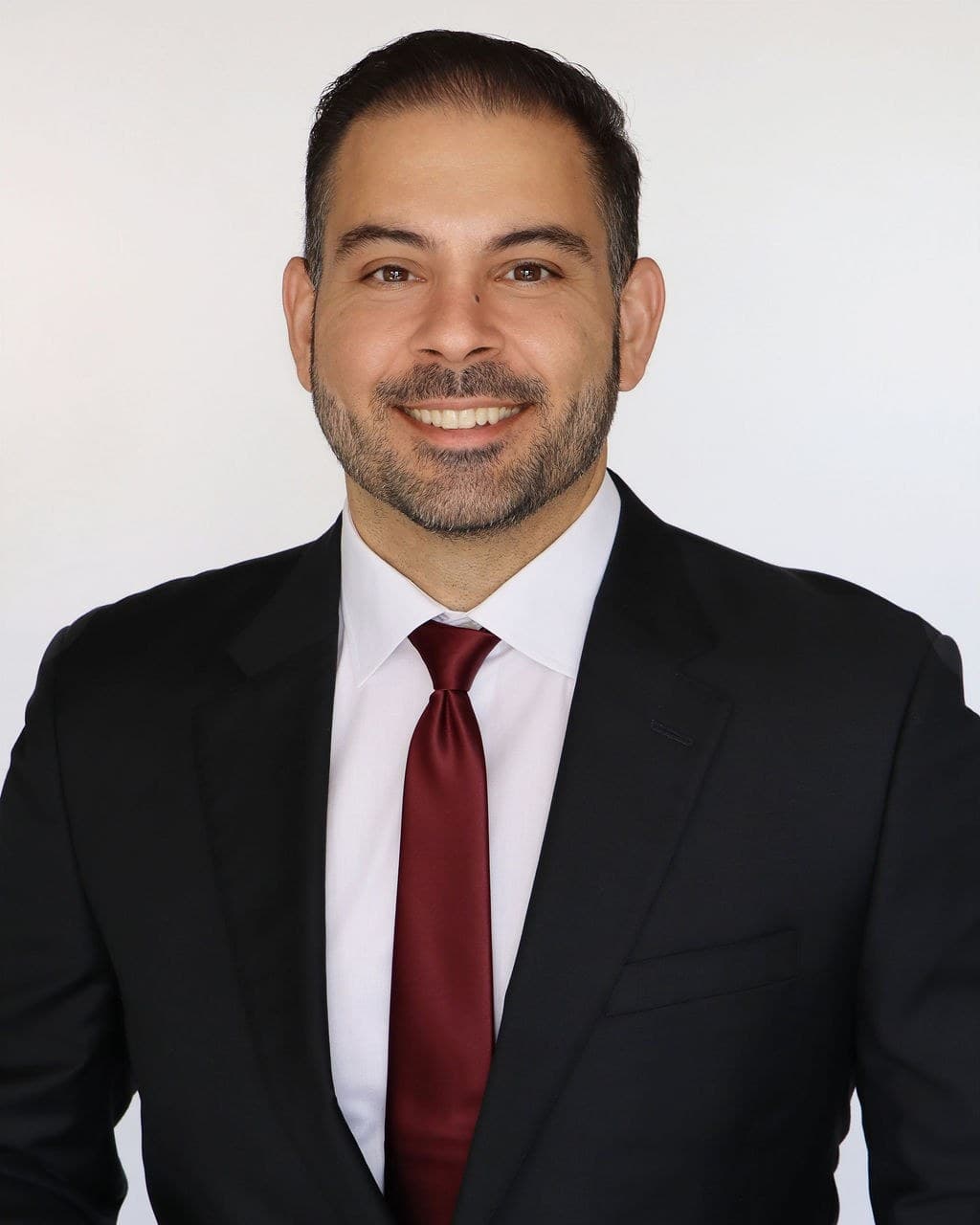
Eman Yazdchi, Esq., Certified Specialist in Workers' Compensation Law, California Board of Legal Specialization, State Bar of California.

California Board of Legal Specialization, State Bar of California

California Board of Legal Specialization, State Bar of California
- 14+
- Years of Practice
- 500+
- Cases handled over 14+ years
- $7M+
- Recovered over 14+ years
- 3
- Languages: English, Español, Farsi
Past results do not guarantee, warrant, or predict future cases. Each case is different and results depend on specific facts and circumstances.

By Eman Yazdchi, Esq. · Certified Specialist in Workers' Compensation Law, California Board of Legal Specialization, State Bar of California · Cal Bar #285231
A denial letter can feel like a door slammed shut. It may arrive after a fall on Florida Avenue, a patient lift at Hemet Global Medical Center, a hot field shift near the San Jacinto Valley basin, or months of pain from warehouse work. You may be worried about rent, care, and whether anyone believes you.
Take a breath. A denial is one insurance decision. It is not the final word from a judge. California gives injured workers ways to push back, build medical proof, and ask the Riverside Workers' Compensation Appeals Board to decide the dispute.
The first date to check is the date your DWC-1 claim form was filed. That form starts the insurer's decision clock. If the carrier waited too long, the law may help you. If it denied care through Utilization Review, a separate medical appeal may apply. If it says your injury is not work related, a medical-legal exam may become the key proof.
Yazdchi Law handles denied Hemet claims with Eman Yazdchi, CA Bar #285231. He is a Certified Specialist in Workers' Compensation Law, certified by the California Board of Legal Specialization, State Bar of California. The firm represents injured workers at the Riverside WCAB and can be reached at (661) 273-1780.
What should you do after a Hemet workers' comp denial?
Save the denial letter, mark the dates, keep treating, and get legal help before the insurer's reasons harden into the case record.
Start with the paper in your hand. A denial letter should say why the insurer turned down the claim. It may say you reported late, there were no witnesses, the injury happened away from work, your condition is old, or the doctor did not connect it to your job. Do not argue with the adjuster by phone without a plan. Write down who called, what they said, and when they said it.
Next, gather simple proof. Save text messages to your supervisor, time cards, incident reports, clinic notes, photos, and names of coworkers who saw what happened. If your injury built up over time, list the tasks that hurt you. For a Hemet CNA, that may be turning residents and moving beds. For a Florida Avenue stocker, it may be unloading trucks and lifting cases. For an outdoor worker near Diamond Valley Lake or the valley farms, it may be heat, ladders, tools, and long shifts.
Do not stop medical care just because the insurer said no. If you need urgent care, get it. If you are in the employer's medical provider network, ask for a change of doctor if the first report is thin or wrong. A strong treating report can explain your job duties, diagnosis, work limits, and need for care in plain medical terms.
How does the 90-day decision rule help?
When an insurer misses the claim decision deadline, the worker may gain powerful leverage because the injury can be presumed covered.
After you file the DWC-1 claim form, the insurer does not get unlimited time. For most claims, it has 90 days to reject liability. If it does not reject the claim in that window, the injury may be treated as covered unless the insurer later finds new evidence that it could not have found earlier.
"the injury shall be presumed compensable under this division"
California Labor Code section 5402(b)(1)
This matters in real Hemet claims. A hospital worker may file a back injury claim after years of patient transfers. A carrier may send delay letters while it looks for old records. If the deadline passes without a proper rejection, the worker may have a much stronger position at the Riverside board.
The same law also deals with early treatment. While the carrier investigates, it must authorize reasonable medical care for the claimed injury, up to $10,000, until it accepts or rejects the claim. That can matter when you need an MRI, medicine, therapy, or a specialist visit before the insurance company makes up its mind.
Keep the claim form, proof of delivery, and every delay letter. The exact dates can change the case. A missing date can let the carrier blur the timeline. A clean file can show the judge what happened.
Why do insurers deny Hemet workers' comp claims?
Most denials come from causation fights, late reporting claims, weak first medical reports, or the insurer blaming age or home life.
Insurers often deny claims for reasons that sound final but can be challenged. They may say there was no one-time accident. That answer misses cumulative trauma, which means harm from repeated work over time. Many Hemet workers do not have one dramatic event. They have years of lifting, bending, reaching, driving, stocking, cleaning, or patient care.
They may say you waited too long to report. But many workers try to work through pain. A warehouse worker may think a sore shoulder will calm down. A school custodian may finish the week before asking for care. Late reporting can create a fight, but it does not always end the case.
They may say your condition is degenerative. That word often means normal wear or aging. It does not answer the real question. Work can light up, speed up, or worsen a body part that already had some changes. The medical-legal doctor must explain what part of your disability came from work and what part came from other causes.
They may also deny because the first clinic note is weak. If the doctor wrote only "back pain" and did not list your job duties, the adjuster may use that gap. The fix is not panic. The fix is a better record, a careful history, and the right medical-legal process.
| Denial issue | What it means | Response |
|---|---|---|
| 90-day claim decision | The carrier must usually accept or reject after the DWC-1 is filed | Build a date chart and raise the presumption if the carrier was late |
| $10,000 interim care | Early treatment can be owed while the carrier investigates | Save RFAs, denials, and treatment bills |
| UR treatment denial | A reviewer says the requested care is not medically needed | Check the UR letter and IMR deadline |
| Causation denial | The carrier says work did not cause the injury | Use job duties, medical history, and a QME report |
| Old condition defense | The carrier blames age, arthritis, or a prior injury | Ask the doctor to separate work and non-work causes |
What if treatment was denied through UR or IMR?
A treatment denial is different from a claim denial, so the response must follow the medical review path and its short deadline.
Utilization Review, often called UR, is the insurer's review of treatment your doctor requested. The doctor may ask for an MRI, therapy, injections, surgery, medicine, or work conditioning. A reviewer may deny it by saying the request does not meet treatment guidelines.
If UR denies care, the usual next step is Independent Medical Review, often called IMR. IMR is not a normal court hearing. It is a paper review of the medical records. That means the records sent in matter a lot. A bare request is easier to deny. A request that explains your exam findings, failed care, job duties, and guideline support has a better foundation.
IMR has a short deadline. Do not let the form sit on the kitchen table. If you miss the window, the denied treatment may stay denied for that request. Sometimes your doctor can submit a new request with better facts, but that costs time and pain.
If IMR upholds the denial, the claim may still have value. You may need a new treating report, a QME evaluation, or a different treatment plan. The key is to separate two issues: whether the whole injury is accepted, and whether one treatment request is approved. They are related, but they are not the same fight.
How does a denied claim get heard at Riverside WCAB?
A denied Hemet case moves forward by filing the right WCAB papers, getting medical-legal proof, and asking for a hearing.
Hemet workers' comp cases are handled at the Riverside district office of the Workers' Compensation Appeals Board, 3737 Main Street in downtown Riverside. From Hemet, the route usually follows State Route 74 and Interstate 215. The board also hears cases from San Jacinto, Menifee, Perris, Moreno Valley, Beaumont, Banning, and Lake Elsinore.
When the insurer denies the claim, the worker can file an Application for Adjudication. That opens a case at the WCAB. If medical causation is disputed, the worker may need a Qualified Medical Evaluator, or QME. This is a doctor from a state panel who evaluates disputed medical issues. The QME report can decide whether the injury is work related, what treatment is needed, and what work limits apply.
After the medical record is ready, the case can move to a Mandatory Settlement Conference. Many denied cases settle after the carrier sees the full record. If not, the judge can set trial. There is no jury. The judge reviews testimony, medical reports, and exhibits, then issues a decision.
This process can feel slow, but each step has a purpose. The goal is to replace the adjuster's denial with proof a judge can use.
What benefits can come back if the denial is reversed?
A successful challenge can reopen medical care, wage checks, disability benefits, and penalties for unreasonable delay in the right case.
If the denial is overcome, the first benefit is medical care for the work injury. That care should be paid by the workers' comp carrier, not out of your pocket. It can include doctor visits, therapy, tests, medicine, injections, surgery, and mileage to approved care.
The second benefit may be temporary disability. These are wage checks when your doctor takes you off work or gives limits your employer cannot meet. The amount is generally tied to your earnings before the injury, subject to state minimums and maximums.
The third benefit may be permanent disability. That comes after your condition becomes stable. A doctor gives impairment and work limits. The rating then considers your age and job. A patient lift worker, a farm laborer, and an office worker may not rate the same, even with a similar diagnosis.
There may also be a voucher if you cannot return to your usual job, and there can be penalties if the insurer unreasonably delayed or denied benefits. No page can promise an outcome. The value depends on the medical proof, wages, dates, and judge findings.
Results in cases like this
Every case is different. Past results do not guarantee, warrant, or predict a similar outcome.
$5,000,000
Catastrophic spinal cord injury
$1,500,000
Cervical spine injury
$425,000
Slip and fall accident
Find Out What Your Hemet Case May Be Worth
Two minutes. No fee unless we win; costs may apply.
Question 1 of 5
What type of injury do you have?
Not ready to fill this out? Just call (661) 273-1780 and we’ll ask the same questions by phone.
Free Consultation
Call or send the short form. We review your case, explain your rights, and outline your options. Free, no obligation.
We Build Your Case
We gather medical evidence, handle the insurance company, and file all the workers' comp court (WCAB) paperwork for you.
We Pursue Every Benefit
Medical care, lost wages, and permanent disability benefits. No fee unless we win your case; costs may apply.
What makes Hemet denied claims different?
Hemet claims often involve healthcare lifting, Florida Avenue retail and warehouse work, farm labor, heat, and Riverside WCAB procedures.
Hemet is not just another dot on a map. The job mix shapes the denial. Hemet Global Medical Center and nearby skilled nursing homes create many back, neck, shoulder, and wrist claims from patient handling. Aides may be told the injury is age related, even when years of transfers and short staffing tell a different story.
Florida Avenue is the main work corridor for retail, food service, delivery, and warehouse jobs. These workers often face denials after repetitive lifting, forklift events, slips, or shoulder strains. The carrier may say there was no clear accident. The answer may be a detailed cumulative trauma history, not a louder argument.
Outdoor workers near the San Jacinto Valley farms, construction sites, Diamond Valley Lake work zones, and east-valley housing tracts face heat, ladders, tools, and uneven ground. Summer days can be severe. If heat illness, dehydration, or a fall is denied, records about shade, water, training, and the shift timeline can matter.
Hemet Unified School District workers, bus drivers, custodians, cafeteria workers, and classroom aides can also have claims denied after lifting, slips, or student-assistance injuries. Public employees still need medical proof, clean timelines, and the right forms.
For local emergency care, Hemet Global Medical Center on Latham Avenue is the main acute-care hospital in Hemet. Menifee Global Medical Center serves the western valley. Follow-up care usually goes through the employer's medical provider network. If the first doctor ignores your real job duties, ask about changing doctors inside the network.
Yazdchi Law appears at the Riverside WCAB for San Jacinto Valley workers. The firm offers bilingual support and uses interpreters when needed. The attorney is Eman Yazdchi, not a case runner. He is the Certified Specialist in Workers' Compensation Law, certified by the California Board of Legal Specialization, State Bar of California.
Injured at work in Hemet? Talk it through for free.
Most claims must be filed within one year under Labor Code section 5405. A free call tells you where your clock stands.
Frequently Asked Questions
Is my Hemet workers' comp case over if it was denied?
No. A denial is an insurance decision, not the final word. You may be able to challenge the denial at the Riverside WCAB, request a medical-legal exam, use the 90-day decision rule, or fight a treatment denial through IMR. Save the letter and call before deadlines pass.
What is the 90-day rule for a denied claim?
For most claims, the insurer has 90 days after the DWC-1 claim form is filed to accept or reject liability. If it does not reject in time, the injury may be presumed covered. The dates on the claim form, delay letters, and denial letter are very important.
Can I get medical care while the insurer investigates?
Yes, in many cases. California law provides for interim medical care during the investigation period, limited to $10,000 until the claim is accepted or rejected. Keep copies of treatment requests, bills, and any letters that deny or delay care.
Why did the insurer say my Hemet injury was not work related?
Common reasons include late reporting, no witness, old medical problems, weak clinic notes, or a claim that your pain came from home life. These reasons can be challenged with job-duty proof, witness names, treating reports, and a QME evaluation.
What is the difference between UR and IMR?
UR is the insurer's review of treatment your doctor requested. IMR is the outside paper review used after UR denies treatment. If your MRI, therapy, injection, or surgery was denied, read the UR letter right away because the IMR deadline is short.
Where is a Hemet denied claim heard?
Hemet denied claims are handled at the Riverside WCAB, 3737 Main Street in Riverside. Many filings are electronic, but hearings, conferences, and trials are on the Riverside board calendar. The same district also handles nearby San Jacinto Valley cities.
Do undocumented Hemet workers have the right to challenge a denial?
Yes. California workers' comp protects employees regardless of immigration status. An employer or insurer should not use immigration threats to stop a claim. Interpreter help can be used at hearings and medical-legal steps when needed.
What does it cost to hire Yazdchi Law for a denial?
There is no hourly fee. California workers' comp attorney fees are set by a judge and usually come as a percentage of the recovery. You can call (661) 273-1780 to ask Eman Yazdchi's team to review the denial letter.
Last reviewed by Eman Yazdchi, Esq., June 2026.
Free case evaluation
Get your free Hemet case evaluation
Three fields. We respond within one business day.
Talk to a Certified Specialist
Certified Specialist in Workers' Compensation Law, California Board of Legal Specialization, State Bar of California.
Takes 30 seconds. No obligation.
Eman by far exceeds the basic requirements other lawyers give to clients and surpasses all expectations.
Eman really knows his stuff and we were very pleased with our end result.
Client testimonials. Testimonials are not a guarantee, warranty, or prediction of the outcome of your case.