
La Canada Flintridge, California · Workers' Compensation
La Cañada Flintridge Workers' Comp Claim Denied Lawyer in California
Hurt at work in La Canada Flintridge? Workers' comp pays for medical care and part of your lost pay while you heal. A free call tells you where you stand.
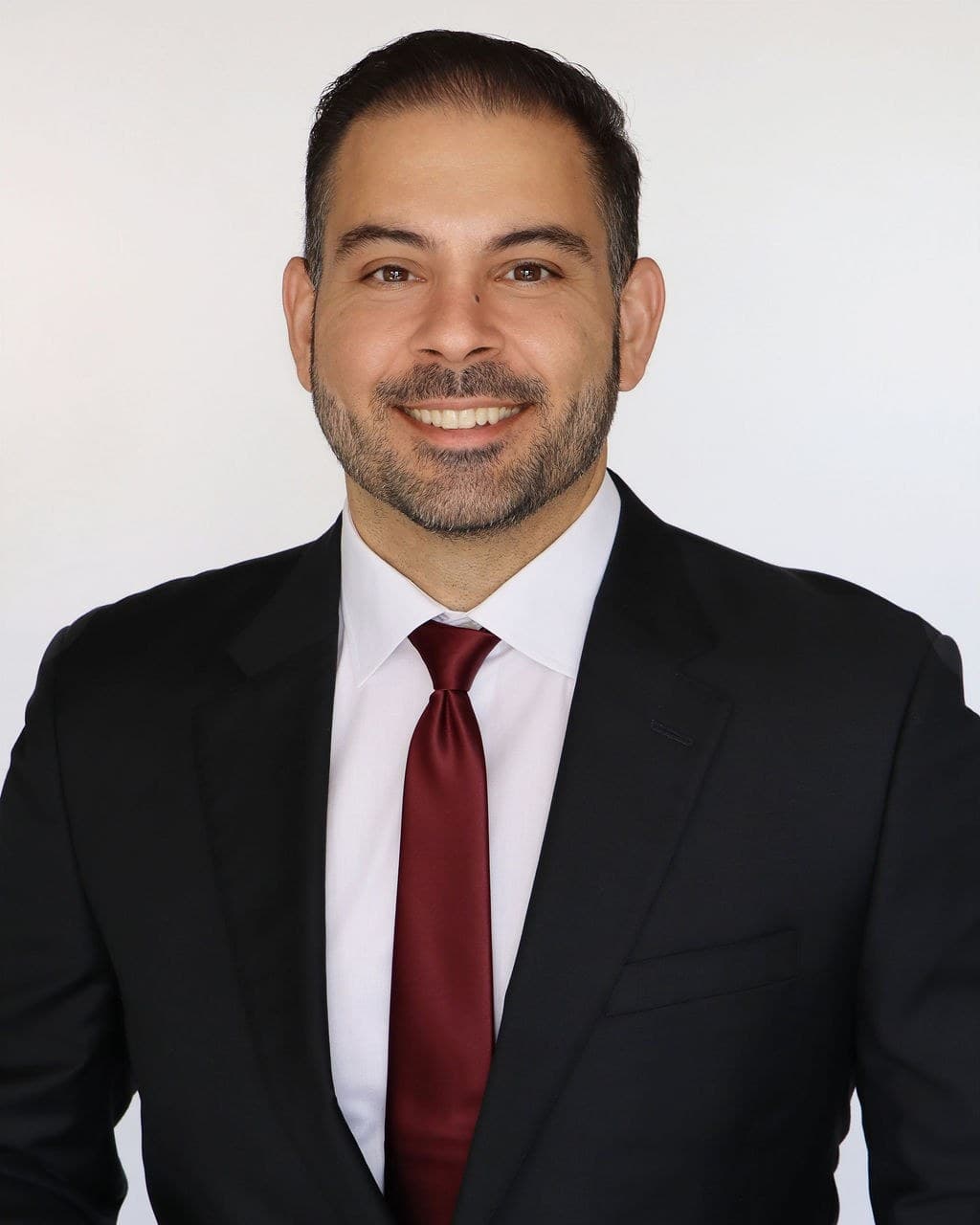
Eman Yazdchi, Esq., Certified Specialist in Workers' Compensation Law, California Board of Legal Specialization, State Bar of California.

California Board of Legal Specialization, State Bar of California
California Board of Legal Specialization, State Bar of California
- 14+
- Years of Practice
- 500+
- Cases handled over 14+ years
- $7M+
- Recovered over 14+ years
- 3
- Languages: English, Español, Farsi
Past results do not guarantee, warrant, or predict future cases. Each case is different and results depend on specific facts and circumstances.

By Eman Yazdchi, Esq. · Certified Specialist in Workers' Compensation Law, California Board of Legal Specialization, State Bar of California · Cal Bar #285231
What should a La Cañada Flintridge worker do after a claim denial?
A denied claim can still move forward when the worker separates the denial type, deadline, medical proof, and WCAB venue.
A denial letter can feel like the end of the case. For a La Cañada Flintridge worker, it is often the point where the real dispute begins. A JPL contractor may be told a back injury is not work related. A school employee may be told a knee injury was reported too late. A Descanso Gardens grounds worker may be told shoulder pain came from age. A Foothill Boulevard restaurant worker may be told there is not enough proof. Each reason needs a different response.
The first question is simple. What did the carrier deny? If the carrier denied the whole claim, the case belongs in the Los Angeles WCAB track. The worker may need to file an Application for Adjudication, request a medical-legal evaluation, gather witness proof, and show how the work caused or aggravated the injury. If the carrier accepted the claim but denied a treatment request, the case usually moves through Utilization Review and Independent Medical Review. If a judge already issued a final WCAB decision, reconsideration time may control.
La Cañada Flintridge has a mix of technical work, school work, healthcare-adjacent jobs, city services, landscaping, estate maintenance, retail, and restaurant work. Denials often miss the real physical demands of those jobs. Repeated lab work, field work on sloped properties, classroom lifting, custodial tasks, food service pace, and long drives to nearby work sites can all create records that matter.
Yazdchi Law reviews the denial letter, the claim form, medical records, witness proof, and deadline posture. Eman Yazdchi is a Certified Specialist in Workers' Compensation Law, California Board of Legal Specialization, State Bar of California. The firm handles La Cañada Flintridge denied claims at the Los Angeles WCAB and through the medical review system. Call (661) 273-1780 for a free case review.
Which legal path applies to a La Cañada Flintridge denial?
La Cañada Flintridge workers need fast deadline review because claim, treatment, and reconsideration disputes follow separate tracks.
Labor Code section 5402(b) says: "If liability is not rejected within 90 days after the date the claim form is filed under Section 5401, the injury shall be presumed compensable under this division."
A whole-claim denial challenges the injury itself. The adjuster may say the worker did not report the injury. The adjuster may say the injury happened at home. The adjuster may blame age or a prior condition. The adjuster may say the medical records do not support work causation. For La Cañada Flintridge workers, those arguments often appear in cumulative trauma cases. A technician may spend years at a workstation. A school worker may lift supplies, students, or equipment. A grounds worker may use tools on uneven hillside properties. A denial that ignores those duties can be challenged with detailed job proof.
The 90-day decision rule is one of the first checks. Once the worker files a completed DWC-1 claim form, the carrier has 90 days to accept or deny the claim in writing. If it does not act in time, the claim is presumed compensable, subject to legal limits. During the investigation window, the carrier must also authorize up to $10,000 in reasonable medical treatment within one working day after the claim form is filed. That interim care rule is important when an injured worker needs early care but the adjuster is still investigating.
A treatment denial is narrower. The carrier may accept the injury but deny a specific request from the treating doctor. Common examples include MRI studies, orthopedic consults, epidural injections, shoulder surgery, knee surgery, pain management, physical therapy, and medication. The doctor submits a Request for Authorization. UR reviews it against the Medical Treatment Utilization Schedule. If UR denies or changes the request, the worker generally has 30 days from receiving the UR decision to request IMR.
IMR is based on documents. The reviewer is not visiting the worksite. The reviewer is not interviewing the worker. The reviewer reads what is in the file. That is why the treating doctor should explain failed care, exam findings, imaging, work limits, and the reason the requested treatment fits the guideline. A short request that says patient needs MRI may be easier to deny. A focused request tied to symptoms, exam findings, and job demands is stronger.
| Denial route | What it means | Deadline or timing | La Cañada Flintridge action step |
|---|---|---|---|
| §5402(b) 90-day decision | The insurer must accept or deny the whole claim after the DWC-1 is filed. | Written decision due within 90 days. | Compare the claim form date, denial date, and proof of service. |
| §5402(c) interim care | Medical care is owed while the carrier investigates the claim. | Up to $10,000 must be authorized within one working day after the claim form is filed. | Ask for treatment access even when compensability is still under review. |
| UR treatment denial | The carrier denied, delayed, or modified a requested treatment. | The UR notice date and receipt date control the next step. | Gather the RFA, UR decision, treating records, imaging, and work history. |
| IMR appeal | An independent reviewer decides whether the treatment fits medical guidelines. | Generally 30 days from receiving the UR denial. | File the IMR request and supply the clearest medical support available. |
| WCAB reconsideration | A party asks the WCAB to review a final order, decision, or award. | Generally 20 days after service of the final WCAB decision, with service rules checked before counting. | Calendar immediately and assess whether the legal grounds support review. |
Reconsideration has to be handled carefully. It is not a way to add proof that should have been prepared earlier. It is not an IMR appeal. It is a legal challenge to a final WCAB decision. The deadline is short. A worker who receives a final decision from the Los Angeles WCAB should get the service date reviewed right away.
Some denied claims also involve employer conduct, but the ordinary denied-claim review should stay focused. This page does not use any unsupported retaliation theory for retaliation claims. A denied injury claim is usually won or lost on timely filing, medical causation, credible work history, and proper use of the WCAB and IMR procedures. No lawyer can guarantee an outcome.
Results in cases like this
Every case is different. Past results do not guarantee, warrant, or predict a similar outcome.
$5,000,000
Catastrophic spinal cord injury
$1,500,000
Cervical spine injury
$425,000
Slip and fall accident
Find Out What Your La Canada Flintridge Case May Be Worth
Two minutes. No fee unless we win; costs may apply.
Question 1 of 5
What type of injury do you have?
Not ready to fill this out? Just call (661) 273-1780 and we’ll ask the same questions by phone.
Free Consultation
Call or send the short form. We review your case, explain your rights, and outline your options. Free, no obligation.
We Build Your Case
We gather medical evidence, handle the insurance company, and file all the workers' comp court (WCAB) paperwork for you.
We Pursue Every Benefit
Medical care, lost wages, and permanent disability benefits. No fee unless we win your case; costs may apply.
Where are La Cañada Flintridge denied claims handled locally?
Local proof matters because JPL, schools, gardens, and Foothill jobs create different injury patterns, witnesses, records, and medical timelines.
La Cañada Flintridge denied workers' comp claims are handled through the Los Angeles district office of the Workers' Compensation Appeals Board at 320 West 4th Street. That office handles the WCAB side of denied claims, including Applications for Adjudication, conferences, trials, settlements, final orders, and reconsideration issues. Treatment denials still use UR and IMR. The Los Angeles WCAB remains the court venue for the workers' comp case.
Local work history should be described in concrete terms. JPL and nearby aerospace contractor work may involve lab benches, clean rooms, long computer use, equipment handling, field testing, and controlled job sites. La Cañada Unified School District jobs may involve classroom setup, student support, custodial work, cafeteria tasks, and campus maintenance. Descanso Gardens and estate maintenance work may involve lifting, pruning, tool use, carts, slopes, irrigation, and repeated shoulder work. Foothill Boulevard restaurants and retail shops may involve standing, carrying, stocking, dish work, delivery loading, and slip hazards.
Those details matter because denial letters often flatten the job into a short title. A title like technician, aide, cook, clerk, or gardener does not explain the work. A good denied-claim record should describe weight, frequency, posture, pace, tools, route, surfaces, breaks, overtime, and the date symptoms changed. Witnesses may include coworkers, supervisors, school staff, crew leads, security staff, vendors, or family members who saw the worker before and after the injury.
Medical records in this area may come from USC Verdugo Hills Hospital, Huntington Health in Pasadena, Adventist Health Glendale, urgent care clinics, employer medical provider networks, or specialty offices in Glendale, Pasadena, Burbank, or downtown Los Angeles. First records are important. If they do not mention work, the carrier may rely on that gap. Later reports can still explain the link, but the explanation should be specific and consistent.
Yazdchi Law helps organize the local proof, identify the correct deadline, and choose the right route. The firm can review whether the carrier missed the 90-day decision window, whether interim care was owed, whether the UR denial should go to IMR, and whether a WCAB decision creates a reconsideration deadline. Call (661) 273-1780.
Injured at work in La Canada Flintridge? Talk it through for free.
Most claims must be filed within one year under Labor Code section 5405. A free call tells you where your clock stands.
Frequently Asked Questions
Does a La Cañada Flintridge denial end my workers' comp rights?
Which WCAB handles La Cañada Flintridge denied claims?
What is the 90-day decision deadline after I file a DWC-1?
Can I receive treatment while the insurer investigates?
How do I appeal a treatment denial through IMR?
What if a final WCAB decision went against me?
What local proof helps a La Cañada Flintridge denied claim?
What does it cost to call Yazdchi Law about a denial?
Last reviewed by Eman Yazdchi, Esq., June 2026.
Free case evaluation
Get your free La Canada Flintridge case evaluation
Three fields. We respond within one business day.
Talk to a Certified Specialist
Certified Specialist in Workers' Compensation Law, California Board of Legal Specialization, State Bar of California.
Takes 30 seconds. No obligation.
Eman by far exceeds the basic requirements other lawyers give to clients and surpasses all expectations.
Eman really knows his stuff and we were very pleased with our end result.
Client testimonials. Testimonials are not a guarantee, warranty, or prediction of the outcome of your case.