
La Canada Flintridge, California · Workers' Compensation
La Cañada Flintridge Workers' Comp Settlement Lawyer in California
Hurt at work in La Canada Flintridge? Workers' comp pays for medical care and part of your lost pay while you heal. A free call tells you where you stand.
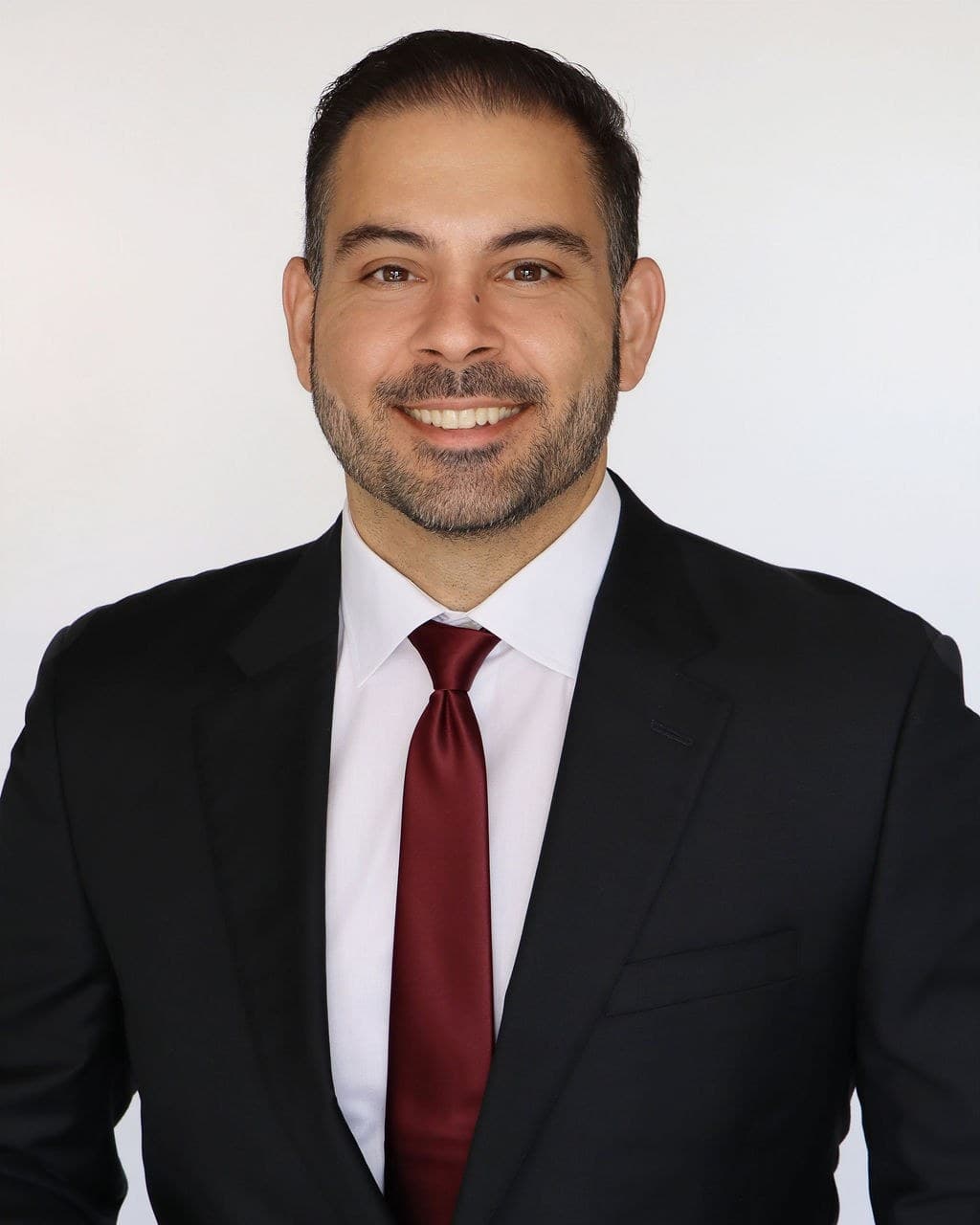
Eman Yazdchi, Esq., Certified Specialist in Workers' Compensation Law, California Board of Legal Specialization, State Bar of California.

California Board of Legal Specialization, State Bar of California

California Board of Legal Specialization, State Bar of California
- 14+
- Years of Practice
- 500+
- Cases handled over 14+ years
- $7M+
- Recovered over 14+ years
- 3
- Languages: English, Español, Farsi
Past results do not guarantee, warrant, or predict future cases. Each case is different and results depend on specific facts and circumstances.

By Eman Yazdchi, Esq. · Certified Specialist in Workers' Compensation Law, California Board of Legal Specialization, State Bar of California · Cal Bar #285231
If you are being asked to settle after a work injury in La Cañada Flintridge, the number on the paper may feel final and confusing. You may be worried about surgery, missed checks, or whether you are giving up medical care you still need.
A settlement should not be a rushed signature. It should answer three plain questions. What is the permanent damage? What care may be needed later? And does the settlement leave you with enough protection after fees and liens are handled?
Do you have a settlement case in La Cañada Flintridge?
You may have a settlement case if your work injury left lasting limits, future care needs, or a disputed disability rating.
Many La Cañada Flintridge claims come from JPL contractor work, school district jobs, Descanso Gardens crews, Foothill Boulevard retail, and healthcare commutes into Glendale or Pasadena. A single fall can start the claim. So can years of lifting, reaching, keyboard work, driving, or grounds maintenance.
The settlement point usually comes after your doctor says your condition is stable. That does not mean you are fully healed. It means the doctor can rate the lasting injury. The rating then becomes the starting point for money talks.
Yazdchi Law handles these files at the Los Angeles WCAB. Eman Yazdchi is a Certified Specialist in Workers' Compensation Law, certified by the California Board of Legal Specialization, State Bar of California, CA Bar #285231.
How much is a La Cañada Flintridge workers' comp claim worth?
The value depends on your rating, your job, your age, future care, and whether medical stays open or gets bought out.
No honest review starts with a fixed dollar number. The insurance company looks at the medical report, the permanent disability rating, the body parts accepted, and the cost of future care. A heavy JPL facilities job, school maintenance job, or Descanso Gardens grounds job may rate differently from a desk job with the same medical injury.
These statewide ranges help explain the moving parts. They are not La Cañada Flintridge quotes. The final number depends on the medical record, rating math, and settlement form.
These are general California ranges, not a prediction. Your actual award depends on your disability rating, age, occupation, and future medical care. Past results do not guarantee future outcomes.
| Injury severity | Typical permanent disability rating | Approximate statewide settlement range |
|---|---|---|
| Minor strain with short care | 0% to 5% | $2,000 to $10,000 |
| Back, neck, shoulder, or knee injury with therapy and work limits | 6% to 20% | $10,000 to $40,000 |
| Disc injury, torn shoulder, surgery recommendation, or lasting job limits | 21% to 45% | $40,000 to $120,000 |
| Fusion, major joint surgery, nerve damage, or several accepted body parts | 46% to 69% | $120,000 to $250,000+ |
| Catastrophic injury with life care needs | 70% to 100% | Case-specific and often structured |
For a foothill worker, the rating report deserves a careful read. The report should match the job. A lab support worker who lifts equipment, a campus aide who helps students, and a gardener who handles tools do not use their bodies the same way. If the report treats them all like office workers, the settlement may start from the wrong place.
Body parts also matter. A fall may injure the back, shoulder, wrist, and knee at once. A repetitive job may involve both hands, the neck, and the low back. If the settlement only lists one accepted body part, later care for the others may be harder to protect.
Take-home money is the last step, not the first one. Attorney fees, liens, advances, and unpaid disability can change the final check. A useful review lays those numbers out before the papers are signed.
Compromise and Release vs Stipulated Award
A Compromise and Release usually closes the claim for one payment. A Stipulated Award keeps medical care open.
A Compromise and Release, often called a C&R, pays one lump sum. It usually closes permanent disability, future medical care, and most disputes tied to the accepted injury. After approval, you manage future care from the settlement funds.
A Stipulated Award, often called Stips, pays the disability award over time. It keeps medical treatment open for the accepted body parts. This can matter if you need injections, medication, therapy, or a possible surgery later.
Labor Code section 5001 says: "No release of liability or compromise agreement is valid unless it is approved by the appeals board or referee."
That approval step matters. A workers' compensation judge reviews the papers before the settlement becomes binding. The judge can ask about future medical care, unpaid liens, attorney fees, and whether you understand the rights being closed.
There is no single right form for every worker. A JPL contractor moving out of state may value finality. A school employee with a serious back injury may need treatment kept open. The right question is practical: what are you giving up, and what are you getting in exchange?
What changes your settlement value?
Rating, age, occupation, apportionment, future care, liens, and Medicare issues can all move the settlement number.
The permanent disability rating is the anchor. For most newer injuries, the doctor gives an impairment number. The state rating formula adjusts it for age and occupation. Harder physical work often raises the rating. Some lighter work may lower it.
Apportionment is another major fight. That means the insurer tries to blame part of your disability on age, an old injury, or a condition outside work. If the doctor assigns a large non-work share, the settlement offer may drop. The medical report has to explain the split in a real way.
Future medical care also changes the value. A file with only a few follow-up visits has different risk than a file with pain management, spinal injections, hardware removal, or joint surgery. This is where a quick offer can be dangerous. It may not include the care you still need.
Temporary disability issues can also affect settlement talks. If checks were late, cut off early, or based on the wrong wage, the settlement should account for that dispute. The same is true for mileage, out-of-pocket prescriptions, and unpaid medical bills.
What about Medicare and settlement paperwork?
Medicare issues must be handled before settlement when future treatment may shift to Medicare after the case closes.
If you have Medicare, expect Medicare soon, or have a serious injury, the settlement may need a Medicare Set-Aside. That is money reserved for future treatment tied to the work injury. It protects Medicare from paying first for care the workers' comp settlement already funded.
Not every case needs a formal set-aside. But it should be checked before a C&R closes medical care. The same is true for medical liens, EDD liens, child support liens, and unpaid treatment bills. A clean settlement resolves those issues on paper, not after the check is delayed.
How do attorney fees work?
Workers' comp fees are contingency fees set by the judge, commonly 12% to 15% of the settlement or award.
You do not pay hourly fees to start a workers' comp settlement case. The fee is requested at the end and reviewed by the WCAB judge. It usually comes from the recovery, not from medical care already provided.
The fee review is part of the same approval process. The judge looks at the settlement and the fee together. That helps protect an injured worker from signing papers that are not clear or fair on their face.
Before a settlement conference, bring the offer, the last medical report, any denial letters, and a list of treatment you still need. If you have work restrictions, bring those too. Small details can change the settlement discussion.
Results in cases like this
Every case is different. Past results do not guarantee, warrant, or predict a similar outcome.
$5,000,000
Catastrophic spinal cord injury
$1,500,000
Cervical spine injury
$425,000
Slip and fall accident
Find Out What Your La Canada Flintridge Case May Be Worth
Two minutes. No fee unless we win; costs may apply.
Question 1 of 5
What type of injury do you have?
Not ready to fill this out? Just call (661) 273-1780 and we’ll ask the same questions by phone.
Free Consultation
Call or send the short form. We review your case, explain your rights, and outline your options. Free, no obligation.
We Build Your Case
We gather medical evidence, handle the insurance company, and file all the workers' comp court (WCAB) paperwork for you.
We Pursue Every Benefit
Medical care, lost wages, and permanent disability benefits. No fee unless we win your case; costs may apply.
What is local about a La Cañada Flintridge settlement?
Local value issues often come from JPL contractors, school staff, horticulture work, healthcare commutes, and the Los Angeles WCAB.
La Cañada Flintridge workers' comp cases are heard at the Los Angeles WCAB, 320 W 4th Street, Los Angeles. Yazdchi Law appears there on settlement conferences, rating disputes, and approval hearings for foothill-area workers.
The city has a smaller workforce than Los Angeles, but the jobs can be hard on the body. JPL contractor and aerospace support work can involve lifting, lab setups, security posts, driving, and repetitive technical tasks. La Cañada Unified School District jobs include aides, custodians, teachers, cafeteria staff, and maintenance crews. Descanso Gardens and estate-property work can involve slopes, tools, carts, irrigation, and long days outside.
Emergency care often starts at USC Verdugo Hills Hospital in Glendale or nearby Pasadena and Glendale facilities. Those first records matter. They can show the body parts hurt, the date of injury, and whether the injury was reported as work-related from the start.
Local geography can show up in the file too. A worker may split time between a La Cañada Flintridge site, a Glendale medical office, and a Los Angeles hearing. A clear file map helps avoid confusion about where the injury happened and which employer controlled the work.
Spanish-speaking workers should also ask for an interpreter for hearings, depositions, and medical-legal exams. You should not have to guess at settlement terms in a language that is not comfortable for you.
For a free review of a La Cañada Flintridge settlement offer, call (661) 273-1780.
Injured at work in La Canada Flintridge? Talk it through for free.
Most claims must be filed within one year under Labor Code section 5405. A free call tells you where your clock stands.
Frequently Asked Questions
Should I take the first La Cañada Flintridge settlement offer?
Does a C&R close my medical care?
Can I keep medical care open after settlement?
How long does settlement take at the Los Angeles WCAB?
What if the doctor blamed part of my injury on age?
Are attorney fees paid upfront?
Does immigration status stop a settlement?
Who handles my La Cañada Flintridge settlement review?
Last reviewed by Eman Yazdchi, Esq., June 2026.
Free case evaluation
Get your free La Canada Flintridge case evaluation
Three fields. We respond within one business day.
Talk to a Certified Specialist
Certified Specialist in Workers' Compensation Law, California Board of Legal Specialization, State Bar of California.
Takes 30 seconds. No obligation.
Eman really knows his stuff and we were very pleased with our end result.
I am glad and so very pleased...he made happen what no other attorney could do. So far he has proven his weight in gold.
Client testimonials. Testimonials are not a guarantee, warranty, or prediction of the outcome of your case.