
La Habra Heights, California · Workers' Compensation
La Habra Heights Workers' Comp Claim Denied Lawyer in California
Hurt at work in La Habra Heights? Workers' comp pays for medical care and part of your lost pay while you heal. A free call tells you where you stand.
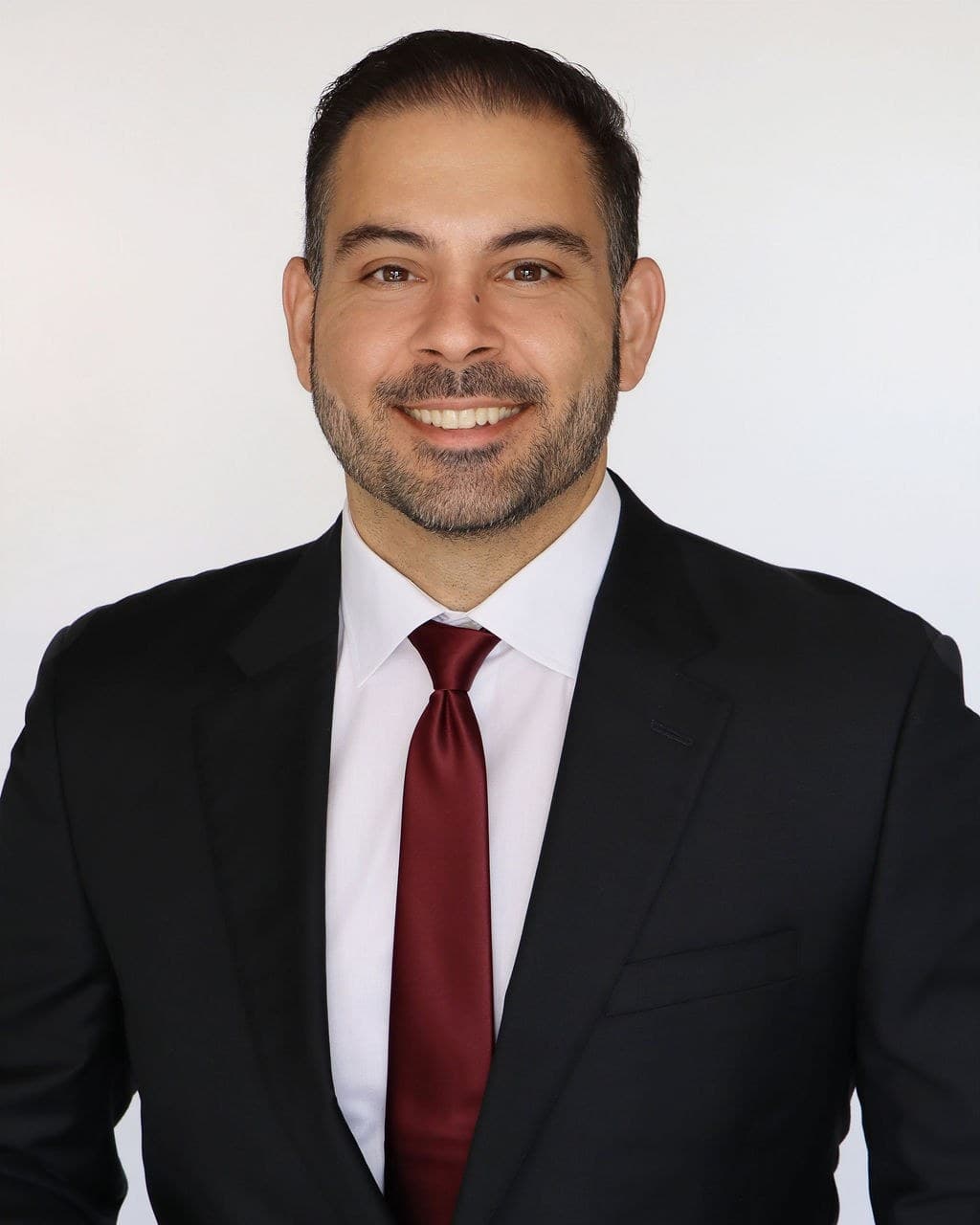
Eman Yazdchi, Esq., Certified Specialist in Workers' Compensation Law, California Board of Legal Specialization, State Bar of California.

California Board of Legal Specialization, State Bar of California

California Board of Legal Specialization, State Bar of California
- 14+
- Years of Practice
- 500+
- Cases handled over 14+ years
- $7M+
- Recovered over 14+ years
- 3
- Languages: English, Español, Farsi
Past results do not guarantee, warrant, or predict future cases. Each case is different and results depend on specific facts and circumstances.

By Eman Yazdchi, Esq. · Certified Specialist in Workers' Compensation Law, California Board of Legal Specialization, State Bar of California · Cal Bar #285231
A denial letter can make a work injury feel personal. It may say the injury did not happen at work. It may say you waited too long. It may say the doctor has not proven enough. For a La Habra Heights worker, that letter often lands after weeks of pain, missed shifts, and confusing calls with an adjuster.
The letter matters, but it does not close the case by itself. California workers' comp has separate paths for different denials. A gardener hurt on a hillside estate may need photos of the slope and tool load. A city maintenance worker on Hacienda Road may need a clear report of the task. A tree crew member near Powder Canyon may need crew notes and first aid records. A caregiver driving to Whittier may need a timeline that shows when the pain started. The first job is to sort the denial, preserve the record, and keep medical care moving where the law allows it.
What should you do after a denied La Habra Heights workers' comp claim?
Start by separating claim denial from treatment denial, saving every letter, and getting the case into the correct WCAB track.
Read the denial date, the reason given, and the body parts listed. Keep the envelope if it came by mail. Save the DWC-1 claim form, the employer report, urgent care notes, work restrictions, and any text messages about how the injury happened. These details often decide whether the insurer denied too soon, denied too late, or ignored facts that support the claim.
Also write a plain timeline while the facts are fresh. Include the first day you felt pain, the task you were doing, who saw it, when you told a supervisor, and where you first got care. If the injury built up over months, list the repeated tasks and how often you did them. Use simple facts. Name the hill, route, client home, truck, tool, ladder, animal area, or piece of equipment if it helps explain the work. A clear timeline can help a doctor, a QME, and a judge understand what the adjuster missed.
Yazdchi Law reviews these papers with the worker and builds the next step. Eman Yazdchi is a Certified Specialist in Workers' Compensation Law, certified by the California Board of Legal Specialization, State Bar of California. The firm can be reached at (661) 273-1780.
How do denied workers' comp claims get reopened in California?
A denial can be challenged through medical evidence, deadline pressure, independent review, and a WCAB filing that forces the insurer to prove its position.
Labor Code section 5402(b) says: "If liability is not rejected within 90 days after the date the claim form is filed under Section 5401, the injury shall be presumed compensable under this division."
There are two common denial lanes. The insurer may deny the whole claim by saying the injury is not work-related. Or it may accept the claim but deny a medical request, such as an MRI, injection, surgery, therapy, or medication. A whole-claim denial usually moves through an Application for Adjudication at the Workers' Compensation Appeals Board. It may also need medical-legal reporting and a hearing if the insurer does not reverse course. A treatment denial usually moves through Utilization Review and Independent Medical Review.
Labor Code section 5402 gives the insurer 90 days after the claim form is filed to accept or deny the claim. If the insurer does not reject liability within that window, the injury is presumed covered. The insurer can still try to rebut that presumption under the rules. During the investigation period, Labor Code section 5402(c) limits interim medical treatment liability to $10,000 until the claim is accepted or rejected. That care still must fit the workers' comp treatment rules. Even so, the insurer cannot simply ignore the claim while it investigates.
If the denial is about a treatment request, the timeline is different. A treating doctor sends a Request for Authorization. Utilization Review can approve, modify, delay, or deny it. If UR denies or modifies the request, Labor Code section 4610.5 gives the worker 30 days to request Independent Medical Review. IMR is paper driven. The appeal should show the failed care, the exam findings, and the doctor's reason for the requested treatment.
Denial letters often use short phrases that hide the real issue. "No industrial injury" means the insurer disputes work cause. "Insufficient medical evidence" means the adjuster says the record is thin. "Non-certification" usually means UR refused the doctor's request. "Apportionment" means the insurer is trying to divide disability between work and other causes. Each phrase calls for a different response. Read the exact words before choosing the next step.
What deadlines matter after a denial letter?
Short deadlines control the next move, so keep denial letters, envelopes, medical notes, and claim forms in one folder today.
| Denial route | What it means | Deadline or pressure point | Authority |
|---|---|---|---|
| Whole claim denied | The insurer says the injury is not covered. | File the WCAB case before the one-year claim deadline becomes a problem. | §5405, §5500 |
| Late claim decision | The insurer did not accept or deny in time. | 90 days after the claim form can create a compensability presumption. | §5402 |
| Interim care during investigation | Medical care may be owed while the claim is investigated. | Up to $10,000 until acceptance or rejection, subject to treatment rules. | §5402(c) |
| UR treatment denial | The insurer's review doctor denied or changed requested care. | Request IMR within 30 days of the UR decision. | §4610.5 |
| IMR decision challenge | The IMR result may have a narrow legal defect. | File within 30 days after service of the IMR determination. | §4610.6 |
| Final WCAB order | A judge issued a final decision or award. | Reconsideration is generally 20 days after service, so act at once. | §5903 |
Medical evidence drives most denial reversals. For a La Habra Heights worker, that can mean matching the injury to actual job duties. The record should show if the worker carried tools on steep drives, trimmed brush in fire zones, lifted irrigation supplies, handled animals, maintained city property, or drove the same route into Whittier and La Habra job sites. The QME process can address causation when the insurer says the condition is age-related or happened away from work.
A final order has its own appeal clock. A Petition for Reconsideration is generally due within 20 days after service of a final order, decision, or award. Some service rules can affect counting. Do not wait on that. Once a judge issues a final decision, the file needs immediate review.
Results in cases like this
Every case is different. Past results do not guarantee, warrant, or predict a similar outcome.
$5,000,000
Catastrophic spinal cord injury
$1,500,000
Cervical spine injury
$425,000
Slip and fall accident
Find Out What Your La Habra Heights Case May Be Worth
Two minutes. No fee unless we win; costs may apply.
Question 1 of 5
What type of injury do you have?
Not ready to fill this out? Just call (661) 273-1780 and we’ll ask the same questions by phone.
Free Consultation
Call or send the short form. We review your case, explain your rights, and outline your options. Free, no obligation.
We Build Your Case
We gather medical evidence, handle the insurance company, and file all the workers' comp court (WCAB) paperwork for you.
We Pursue Every Benefit
Medical care, lost wages, and permanent disability benefits. No fee unless we win your case; costs may apply.
What local details matter in a La Habra Heights denial?
La Habra Heights claims usually connect rural property work, public service, and Whittier-area care with the Los Angeles WCAB office.
La Habra Heights is not a warehouse city, and that matters. Many injuries come from semi-rural work: hillside landscaping, tree trimming, irrigation repair, equestrian property service, estate maintenance, public works, and brush clearance near open-space areas. A denial letter may call the injury personal or degenerative because the employer does not have a large industrial site. That misses how physical the local work can be.
Denied La Habra Heights claims are handled through the Los Angeles district office of the Workers' Compensation Appeals Board, 320 West 4th Street, Los Angeles. The office can hear disputes over claim denials, temporary disability, medical treatment, QME reporting, penalties, and petitions after an IMR decision. Yazdchi Law appears at the Los Angeles WCAB on disputed injury cases and can connect the file to the correct venue.
Local medical records also matter. A first visit at PIH Health Whittier Hospital, an urgent care near Whittier Boulevard, or a clinic note from a Whittier-area provider can become key evidence. The record should say the pain came from work. It should describe the exact task. It should list every injured body part. A vague first note gives the insurer room to deny.
Why city-specific proof helps
A La Habra Heights case may involve a small employer with few written job descriptions. That makes worker testimony, photos of the terrain, invoices, route sheets, and witness names more important. If the job required lifting on slopes, working around animals, hauling green waste, or driving between properties, those details should be in the medical history. The more concrete the work picture, the harder it is for the denial to turn on vague labels.
Small crews also create notice problems. A worker may tell the owner, foreman, property manager, or dispatch contact by phone instead of filling out a form. Save texts, call logs, job tickets, photos, and any message asking for help or time off. Those records can show that the employer knew about the injury even if the carrier later says notice was late.
Attorney fees in California workers' comp are contingent and approved by a WCAB judge, often as a percentage of the recovery. There is no hourly fee to start. Past results do not guarantee future outcomes, and each case turns on its own proof.
Injured at work in La Habra Heights? Talk it through for free.
Most claims must be filed within one year under Labor Code section 5405. A free call tells you where your clock stands.
Frequently Asked Questions
Is a La Habra Heights denial final?
What if the insurer waited more than 90 days?
Can I get medical care while the insurer investigates?
How do I appeal a denied MRI, surgery, or therapy request?
Where is a La Habra Heights denied claim heard?
What if the IMR decision looks wrong?
How fast do I need to challenge a judge's final decision?
Who is the attorney on the case?
Last reviewed by Eman Yazdchi, Esq., June 2026.
Free case evaluation
Get your free La Habra Heights case evaluation
Three fields. We respond within one business day.
Talk to a Certified Specialist
Certified Specialist in Workers' Compensation Law, California Board of Legal Specialization, State Bar of California.
Takes 30 seconds. No obligation.
A fighting force both consistent and compassionate on a scale’s a 5 all around.
Very thankful for everything they did for us. Always responsive, reassured us every step of the way and obtained a great result.
Client testimonials. Testimonials are not a guarantee, warranty, or prediction of the outcome of your case.