
Olympic Park, California · Workers' Compensation
Olympic Park Workers' Compensation Lawyer
Hurt at work in Olympic Park? Workers' comp pays for medical care and part of your lost pay while you heal. A free call tells you where you stand.
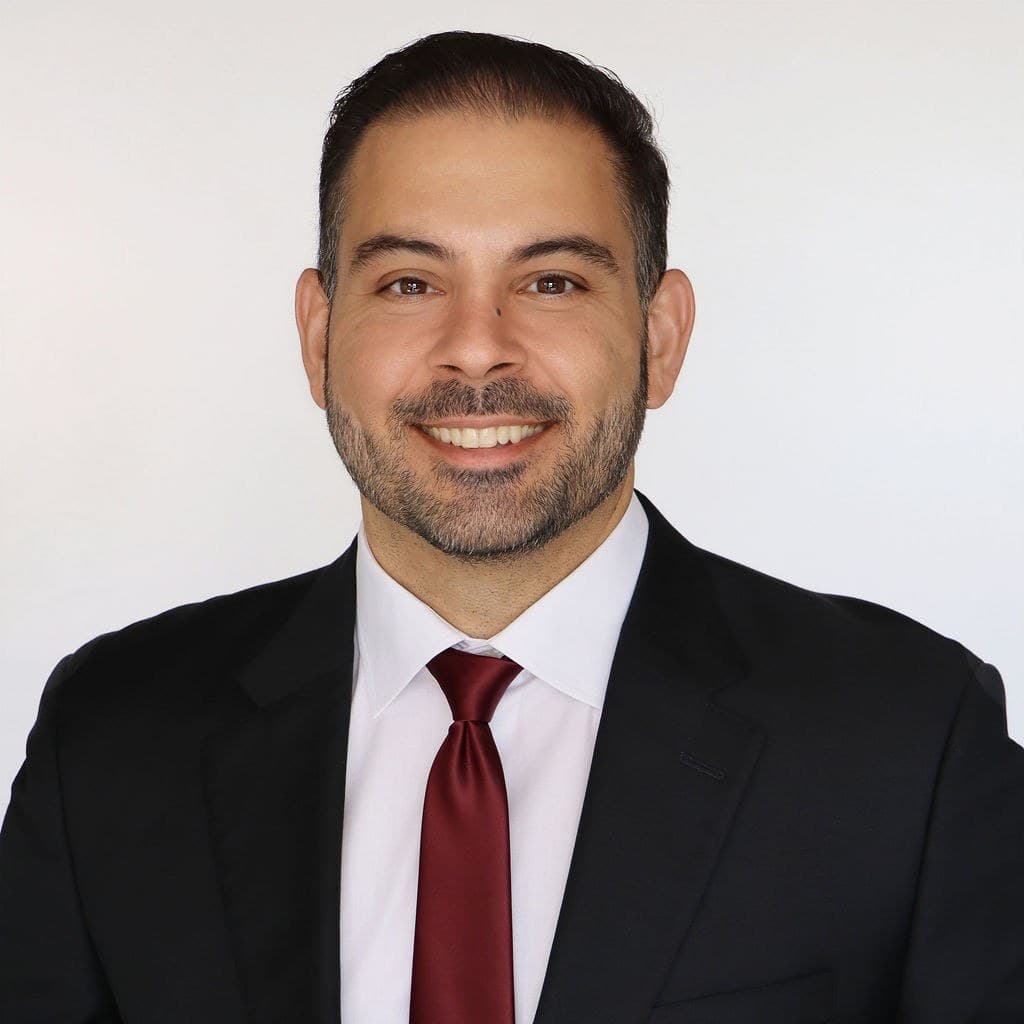
Eman Yazdchi, Esq., Certified Specialist in Workers' Compensation Law, California Board of Legal Specialization, State Bar of California.


California Board of Legal Specialization, State Bar of California
California Board of Legal Specialization, State Bar of California
- 14+
- Years of Practice
- 2,000+
- Cases handled over 14+ years
- $50M+
- Recovered over 14+ years
- 3
- Languages: English, Español, Farsi
Past results do not guarantee, warrant, or predict future cases. Each case is different and results depend on specific facts and circumstances.
Prepared by Yazdchi Law
If you were hurt on the job in Olympic Park, you have rights, and you do not have to face the insurance company alone.
The Olympic corridor is dense, busy, and easy to overlook. Workers stock beauty supply shelves, sew or cut garments, prep food, repair cars, clean apartment buildings, unload vans, and serve customers along Olympic Boulevard, Pico, Western, and Vermont. Many injuries are quiet at first. A wrist tingles. A back tightens. A knee swells after weeks of stairs.
California workers' comp may cover medical care, two-thirds wage checks while you cannot work, permanent disability, mileage, and a retraining voucher. You do not need to prove the employer was careless. Most claims must be filed within one year, so make a written report and get medical notes that connect the injury to work.
Fast reporting is especially important here. Small shops may not have formal HR. A manager may tell you to use your own insurance or come back when you feel better. Put the injury in writing anyway. A text message can help show when you reported it and what body parts were involved.
Eman Yazdchi is a Certified Specialist in Workers' Compensation Law, California Board of Legal Specialization, State Bar of California. He represents injured California workers whose Olympic Park claims are handled at the Los Angeles WCAB. Call (661) 273-1780.
Do you have an Olympic Park workers' comp case?
You may have a claim if work along the Olympic corridor caused sudden harm or repeated strain.
A covered injury can happen in one moment. A restaurant worker can slip near a dish pit. An auto shop employee can strain a back lifting tires. A warehouse clerk can be hit by falling stock. A retail worker can trip while carrying boxes to the front of the store.
A covered injury can also build over time. Garment-adjacent cutting, sewing, pressing, tagging, and packing can wear down hands, necks, shoulders, and backs. Beauty supply workers may lift cases and stand for long shifts. Apartment maintenance crews climb stairs, move appliances, and handle chemicals. Immigration status, language, and cash wages do not erase California comp rights.
Describe the work in plain detail. Tell the doctor how many boxes you lifted, how long you stood, what machine you used, or what chemicals you handled. General pain notes are weaker than job-specific notes. The medical record should sound like your real shift.
What benefits can you receive?
Your claim can provide treatment, partial wage checks, permanent disability payments, travel mileage, and retraining help after restrictions.
Medical treatment should address the work injury without deductibles or copays. It can include clinic visits, specialist care, imaging, therapy, injections, prescriptions, surgery, and braces. If an adjuster delays care, the record should show what was requested and why it was needed.
Temporary disability pays two-thirds of average weekly wages, up to the state cap, when the doctor keeps you off work or gives limits the employer cannot honor. The usual cap is 104 weeks within five years. Permanent disability pays for lasting loss after the condition stabilizes. If you cannot go back to sewing, stocking, cooking, driving, cleaning, or repair work, a retraining voucher may help with a new path.
Modified work must fit the restrictions. A sewing worker with hand limits should not be sent back to full-speed cutting. A stock worker with lifting limits should not be assigned the same cases. A clear doctor note helps show when wage benefits are still owed.
How much is an Olympic Park workers' comp claim worth?
Claim value depends on the permanent rating, occupation, age, wages, medical care, and whether future treatment remains open.
Olympic Park cases do not share one value. A short ankle sprain at a discount store is different from hand surgery after years of cutting fabric. A kitchen burn is different from a warehouse back injury with permanent lifting limits. The medical report and job duties drive the value discussion.
For injuries after 2013, the doctor starts with an impairment score. The California rating method applies a 1.4 multiplier, then adjusts for age and occupation. The adjustment can move the result up or down. The rating controls permanent disability weeks. Future medical care matters when the worker is considering settlement.
A QME may become important if the insurer disputes your doctor. QME means Qualified Medical Evaluator. The doctor is picked through a state panel process. The report can decide work causation, permanent disability, future care, and whether the insurer owes more benefits.
| Injury severity | Typical permanent-disability rating | Approximate value range |
|---|---|---|
| Minor strain or sprain | 0% to 10% | $0 to $10,000 |
| Moderate injury needing injections or surgery | 10% to 30% | $10,000 to $60,000 |
| Serious injury or single-level fusion | 30% to 55% | $60,000 to $175,000 |
| Severe or multi-level injury | 55% to 80% | $175,000 to $500,000 |
| Catastrophic spinal-cord injury or TBI | 80% to 100% | $500,000 and higher |
These are general California ranges, not a prediction. Your actual award depends on your disability rating, age, occupation, and future medical care. Past results do not guarantee future outcomes.
What if the insurer denies your claim?
You can answer a denial with job proof, medical records, witness names, and the correct review process.
Insurers may say the pain is personal, the employer was not told, or the worker was an independent contractor. Olympic Park workers can fight those claims with schedules, text messages, delivery records, pay apps, photos, coworker names, and medical notes. A small shop still has duties under the comp system.
After the claim form is filed, the insurer has 90 days to accept or deny. During that investigation, up to $10,000 in medical care can be owed. Treatment denials usually move through Independent Medical Review within 30 days. A bad judge decision may require a Petition for Reconsideration, which is a written request for review. The deadline is 25 days by mail or 20 days electronically.
How long do you have to file in Olympic Park?
Report the injury in writing within 30 days when possible. File within one year to protect the claim.
Olympic corridor jobs can change quickly. Businesses open, close, rename, or move. If you are hurt, write down the legal business name, manager, address, shift, body parts, and witnesses. Keep photos of the worksite and any messages about the injury.
For repeated work strain, the clock may start when you have disability and know the job caused it. That is often when a doctor connects sewing, lifting, cutting, stocking, driving, or cleaning to your condition. Do not wait until the pain forces you out of work.
| Step | Time limit | Law |
|---|---|---|
| Report the injury to your employer | 30 days from the injury | Labor Code §5400 |
| File the workers' comp claim | 1 year from the injury | Labor Code §5405 |
| Start date for a cumulative injury | When disability and work cause are both known | Labor Code §5412 |
| Insurer accepts or denies the claim | 90 days after the claim form is filed | Labor Code §5402 |
| Appeal a denied treatment request | 30 days after the denial | Labor Code §4610.5 |
Labor Code §4600(a): "Medical, surgical, chiropractic, acupuncture, and hospital treatment, including nursing, medicines, medical and surgical supplies, crutches, and apparatuses, including orthotic and prosthetic devices and services, that is reasonably required to cure or relieve the injured worker from the effects of the worker's injury shall be provided by the employer."
Results in cases like this
Every case is different. Past results do not guarantee, warrant, or predict a similar outcome.
$5,000,000
Catastrophic spinal cord injury
$1,500,000
Cervical spine injury
$425,000
Slip and fall accident
Find Out What Your Olympic Park Case May Be Worth
Two minutes. No fee unless we win; costs may apply.
Question 1 of 5
What type of injury do you have?
Not ready to fill this out? Just call (661) 273-1780 and we’ll ask the same questions by phone.
Free Consultation
Call or send the short form. We review your case, explain your rights, and outline your options. Free, no obligation.
We Build Your Case
We gather medical evidence, handle the insurance company, and file all the workers' comp court (WCAB) paperwork for you.
We Pursue Every Benefit
Medical care, lost wages, and permanent disability benefits. No fee unless we win your case; costs may apply.
Why do Olympic Park workers choose Yazdchi Law?
Olympic Park claims need proof from small businesses, dense worksites, language access, and the Los Angeles WCAB process.
Olympic Park sits south of Koreatown and west of Pico-Union, around the Olympic Boulevard corridor. Work injuries often come from garment-adjacent shops, beauty supply wholesalers, restaurants, bakeries, auto body and tire shops, small warehouses, apartment maintenance, cleaning crews, and independent retail. Workers may speak Spanish, Korean, or another first language. That should not stop the claim from being heard.
Olympic Park claims are heard at the Los Angeles district WCAB. The office handles treatment disputes, denied claims, ratings, settlement conferences, and trials for this part of Los Angeles. The case may involve a small employer, a staffing company, a building owner, or a contractor, but the comp claim focuses on your employer and insurer.
Because many Olympic corridor businesses are small, workers should save simple proof early. Keep photos of the work area, pay app records, delivery labels, shift texts, and names of coworkers. These items can show employment, job duties, and the exact task that caused the injury.
What does an Olympic Park claim cost?
You do not need a retainer to start a workers' comp case. Attorney fees are approved by a WCAB judge and often range from 12% to 15% of the recovery. The fee comes from the recovery, not from weekly payments to the lawyer.
What records help along the Olympic corridor?
Save shift texts, pay app screenshots, delivery labels, photos of machines, chemical bottles, box weights, and work restrictions. If your employer uses another business name on checks or invoices, save that too. It can help identify the correct insurance carrier.
Eman Yazdchi is a Certified Specialist in Workers' Compensation Law, California Board of Legal Specialization, State Bar of California. Yazdchi Law has represented hundreds of California workers. The firm builds the file from practical proof: who controlled the shift, what task hurt you, what the first doctor recorded, and what work you can still do.
Injured at work in Olympic Park? Talk it through for free.
Most claims must be filed within one year under Labor Code section 5405. A free call tells you where your clock stands.
Frequently Asked Questions
Do I pay anything up front for an Olympic Park workers' comp lawyer?
Can my Olympic Park employer fire me for filing?
What if I am undocumented?
How long does an Olympic Park claim take?
Can I pick my own doctor?
What if I was called an independent contractor?
What if my injury came from sewing or cutting for years?
Can I get help if English is not my first language?
Free case evaluation
Get your free Olympic Park case evaluation
Three fields. We respond within one business day.
Talk to a Certified Specialist
Certified Specialist in Workers' Compensation Law, California Board of Legal Specialization, State Bar of California.
Takes 30 seconds. No obligation.
Eman at Yazdchi Law was extremely professional, responsive, and supportive at all times. He and his staff exceeded all of my expectations.
A fighting force both consistent and compassionate on a scale’s a 5 all around.
Client testimonials. Testimonials are not a guarantee, warranty, or prediction of the outcome of your case.