
San Fernando, California · Workers' Compensation
San Fernando Workers' Comp Lawyer
Hurt at work in San Fernando? Workers' comp pays for medical care and part of your lost pay while you heal. A free call tells you where you stand.
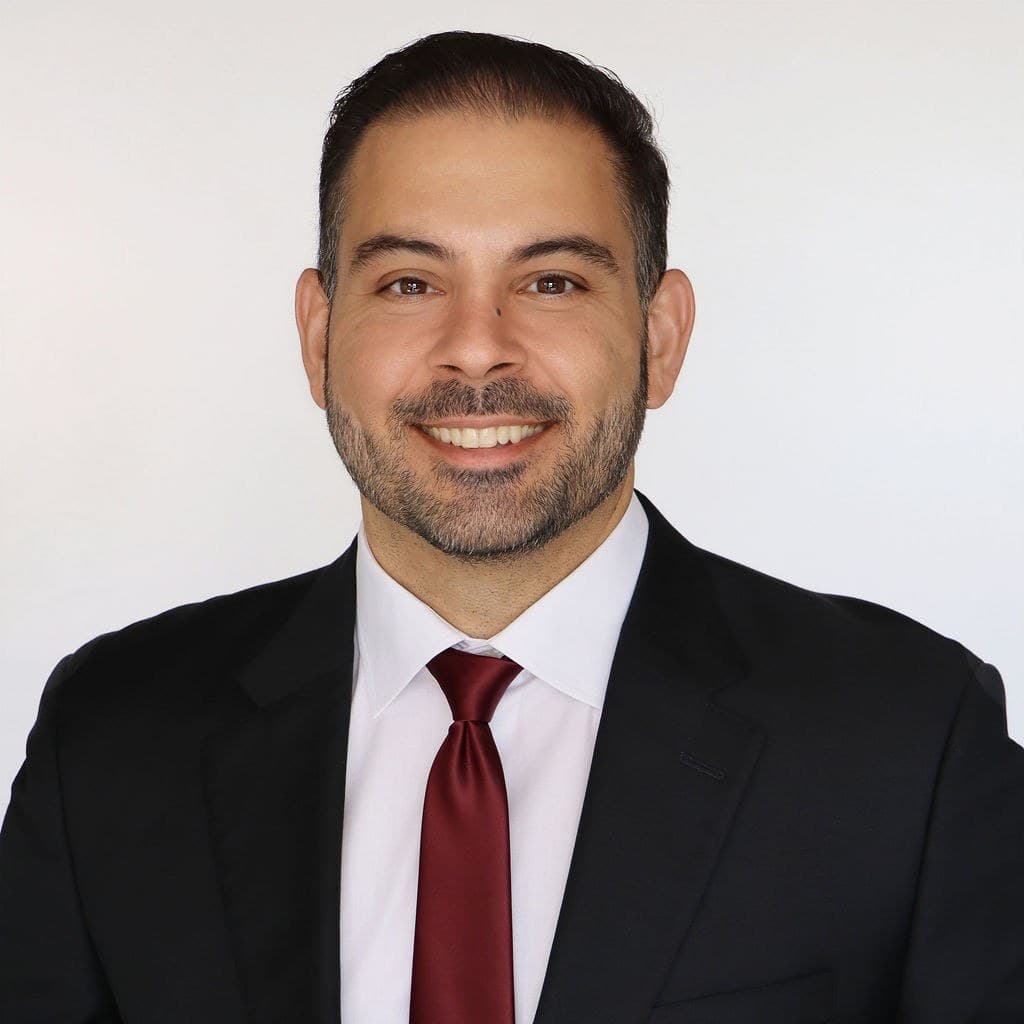
Eman Yazdchi, Esq., Certified Specialist in Workers' Compensation Law, California Board of Legal Specialization, State Bar of California.


California Board of Legal Specialization, State Bar of California
California Board of Legal Specialization, State Bar of California
- 14+
- Years of Practice
- 2,000+
- Cases handled over 14+ years
- $50M+
- Recovered over 14+ years
- 3
- Languages: English, Español, Farsi
Past results do not guarantee, warrant, or predict future cases. Each case is different and results depend on specific facts and circumstances.
Prepared by Yazdchi Law
A San Fernando worker with a job-related injury or illness may have a California workers' compensation claim. Eman Yazdchi is a Certified Specialist in Workers' Compensation Law, certified by the California Board of Legal Specialization, State Bar of California. Call (661) 273-1780 to discuss care, restrictions, benefits, or a disputed claim.
Are you unsure whether a San Fernando work injury is serious enough to report, or what to do after the insurer sends a letter? The first review should identify the event or repeated task. It should also identify the medical restriction and the date on the notice. That helps a worker decide whether the immediate issue is care, time off, a work offer, or a response to a denial.
The City of San Fernando describes a close community of about 24,000 residents within 2.4 square miles in the northeast San Fernando Valley. Its economic development page also identifies commercial and industrial space and services for local businesses. San Fernando is a distinct city within the wider Valley, so the work history should identify the actual worksite and shift rather than rely on a regional label. Those facts provide setting, not proof of an injury.
Eman Yazdchi represents injured workers throughout California. He is a Certified Specialist in Workers' Compensation Law, certified by the California Board of Legal Specialization, State Bar of California (CA Bar #285231). Call (661) 273-1780 for a free consultation about a San Fernando work injury.
Can a San Fernando worker file a workers' compensation claim?
A worker may seek California benefits when medical and work evidence supports a job-related injury or illness, including a condition that developed through repeated duties.
Report the problem to a supervisor and request a DWC-1 claim form. Keep your copy, work-status notes, medical records, claim letters, schedules, and pay information. For a one-time event, record the date, place, task, body part, and witnesses. For symptoms that accumulated, list the jobs and duties that changed your condition.
The California workers' comp guide explains the wider process. A consultation can focus on the first practical issue in your own file: treatment, lost wages, restrictions, a denial, or a notice date. A useful timeline pairs each work change with the related medical visit or employer notice, rather than listing documents without context.
What medical care can workers' compensation cover?
Workers' compensation may provide treatment reasonably needed to cure or relieve a work injury when the medical request and claim evidence support it.
Labor Code 4600 addresses reasonably required medical treatment. Save the doctor's request, utilization-review decision, authorization, denial, and appointment information. A date or missing page can affect what must be addressed next.
If the injury involves warehouse work, manufacturing, food service, public work, construction, delivery, or a desk assignment, describe the real demands. A job title alone does not explain lifting, force, pace, vibration, keyboarding, or time on your feet.
When can temporary or permanent disability benefits apply?
Temporary disability may replace part of lost wages during medically supported work restrictions. Permanent disability is evaluated later under the rating rules.
Temporary disability is generally two-thirds of average weekly wages, subject to state limits. For most injuries on or after January 1, 2008, Labor Code 4656 provides a 104-week limit within five years, with statutory exceptions. Bring payroll records when hours, overtime, shifts, or a second job vary.
For injuries on or after January 1, 2013, Labor Code 4660.1 governs key rating rules. It adjusts for age and occupation. Labor Code 4658 addresses payment weeks. A rating tool cannot predict a result. Medical findings, prior conditions, future care, and other facts require individual review.
What deadlines follow a San Fernando workplace injury?
Give notice promptly, return the DWC-1 form to the employer, and preserve dates because notice and claim-filing deadlines answer different questions.
Labor Code 5400 generally calls for notice within 30 days. The employer should provide or mail a DWC-1 within one working day after learning of an injury or illness. Sign and date it. Return it and retain a copy.
Labor Code 5405 often supplies a one-year filing limitation. Exceptions and other events can change the analysis. A late report does not automatically answer every issue. Write down when you reported the problem and how. Note whether it was in person, by phone, text, or email.
How are specific and cumulative injuries different?
A specific injury follows an event; a cumulative injury develops through repeated work, and its date depends on disability and knowledge of the work connection.
Labor Code 3208.1 recognizes specific and cumulative injuries. A cumulative claim may involve repeated lifting, reaching, gripping, driving, patient handling, or machine work. Describe frequency, force, duration, and symptom changes.
For the cumulative date, Labor Code 5412 looks to when disability occurred and when the worker knew, or should have known, that work caused it. Give the doctor your complete work and health history.
What if the claim or requested treatment is denied?
Keep every denial and its service date. A claim denial and a treatment denial use separate review paths and may have different response deadlines.
After the DWC-1 is filed with the employer, Labor Code 5402 generally allows 90 days for a liability decision; certain specified claims use 75 days. The statute addresses interim treatment up to $10,000 under its terms. Keep the denial, envelope, attachments, and medical evidence.
When utilization review refuses requested care, Labor Code 4610.5 generally allows an independent medical review request within 30 days after service of the UR decision. A formulary exception has a 10-day rule. Read the notice carefully. The denied-claim guide lists records to bring.
How are disputed medical opinions obtained?
Treatment review and medical-legal evaluation serve different purposes. Match records and response to the dispute. Read the notice. Both may have deadlines.
A useful medical report addresses the work history and diagnosis. It also addresses examination, care, limits, and cause. Correct a mistaken date or task in writing. Preserve the supporting record. Accuracy is more useful than a broad statement that work was difficult.
For a represented worker with a medical-legal dispute, Labor Code 4062.2 provides a state panel qualified medical evaluator process. The parties follow the panel and selection rules, or may agree to an AME. The firm does not have its own QME.
What should you check before accepting modified work?
Compare the written offer with the doctor's limits, retain the schedule and job description, and report any task that exceeds those limits.
Modified or alternative work may fit a worker's condition when the actual duties match the written restrictions. Check standing, lifting, driving, pace, breaks, staffing, and equipment. Keep messages and tell the treating provider when the real assignment differs.
Do not sign a release, resignation, or settlement under pressure. Ask what it covers and how it affects care or benefits. The DWC return-to-work information describes regular, modified, and alternative work. If claim activity is followed by discrimination, Labor Code 132a may apply after review of the facts.
Results in cases like this
Every case is different. Past results do not guarantee, warrant, or predict a similar outcome.
$5,000,000
Catastrophic spinal cord injury
$1,500,000
Cervical spine injury
$425,000
Slip and fall accident
Find Out What Your San Fernando Case May Be Worth
Two minutes. No fee unless we win; costs may apply.
Question 1 of 5
What type of injury do you have?
Not ready to fill this out? Just call (661) 273-1780 and we’ll ask the same questions by phone.
Free Consultation
Call or send the short form. We review your case, explain your rights, and outline your options. Free, no obligation.
We Build Your Case
We gather medical evidence, handle the insurance company, and file all the workers' comp court (WCAB) paperwork for you.
We Pursue Every Benefit
Medical care, lost wages, and permanent disability benefits. No fee unless we win your case; costs may apply.
How can local work details help explain the injury?
City context can suggest useful questions. Your own duties provide the claim evidence. So do dates, medical records, and employer documents.
The City of San Fernando economic development page, checked September 10, 2026, describes approximately 24,000 residents in 2.4 square miles and identifies commercial and industrial space. It also describes city business support and business concierge services. These are community facts, not allegations about an employer or a prediction about a claim.
Use that setting to be specific. A delivery worker may need to describe loading, stairs, traffic, and repeated stops. A machinist may need to explain force, vibration, and tool changes. A retail, restaurant, school, health, or public-service worker may need to identify standing, reaching, lifting, or patient contact. Tell the story of your shift rather than borrowing a generic job description.
Make one timeline with the first symptom or event, shift, task, report, appointment, restriction, and response. Add schedules, texts, pay stubs, witness names, and notices. If work changed after a report, record both the written offer and what happened on the floor.
Where can a San Fernando worker find public workers' compensation help?
The DWC Information and Assistance Unit provides free forms, guides, workshops, and public information at its statewide service center for injured workers.
The DWC Information and Assistance Unit explains forms, workshops, local offices, and the Information Services Center at 1-800-736-7401. The DWC claim-filing page explains the DWC-1 process. These resources are useful for general information; a specific file still turns on its own records.
How can Eman Yazdchi review a San Fernando claim?
Eman Yazdchi can review what happened. He can also review the medical issue, claim status, and next document or deadline.
Eman Yazdchi is based in Palmdale and is a Certified Specialist in Workers' Compensation Law, certified by the California Board of Legal Specialization, State Bar of California (CA Bar #285231). During an initial call, the firm can identify the records needed for a case review, such as the DWC-1, current work-status note, treatment notice, pay record, or modified-duty offer.
Call (661) 273-1780 or use the contact form to request a free consultation. Each matter is evaluated individually before representation is accepted. Spanish-speaking readers can also see the San Fernando Spanish page.
Injured at work in San Fernando? Talk it through for free.
Most claims must be filed within one year under Labor Code section 5405. A free call tells you where your clock stands.
Frequently Asked Questions
What should I save after a San Fernando work injury?
Can a part-time or temporary worker have a claim?
Does a prior condition defeat a claim?
What does a QME panel notice mean?
Can I work while my claim is open?
What if the insurer says my injury is not work related?
How do I request a consultation?
Free case evaluation
Get your free San Fernando case evaluation
Three fields. We respond within one business day.
Talk to a Certified Specialist
Certified Specialist in Workers' Compensation Law, California Board of Legal Specialization, State Bar of California.
Takes 30 seconds. No obligation.
Eman really knows his stuff and we were very pleased with our end result.
I am glad and so very pleased...he made happen what no other attorney could do. So far he has proven his weight in gold.
Client testimonials. Testimonials are not a guarantee, warranty, or prediction of the outcome of your case.