
Universal City, California · Workers' Compensation
Workers' Comp Lawyer in Universal City, California
Hurt at work in Universal City? Workers' comp pays for medical care and part of your lost pay while you heal. A free call tells you where you stand.
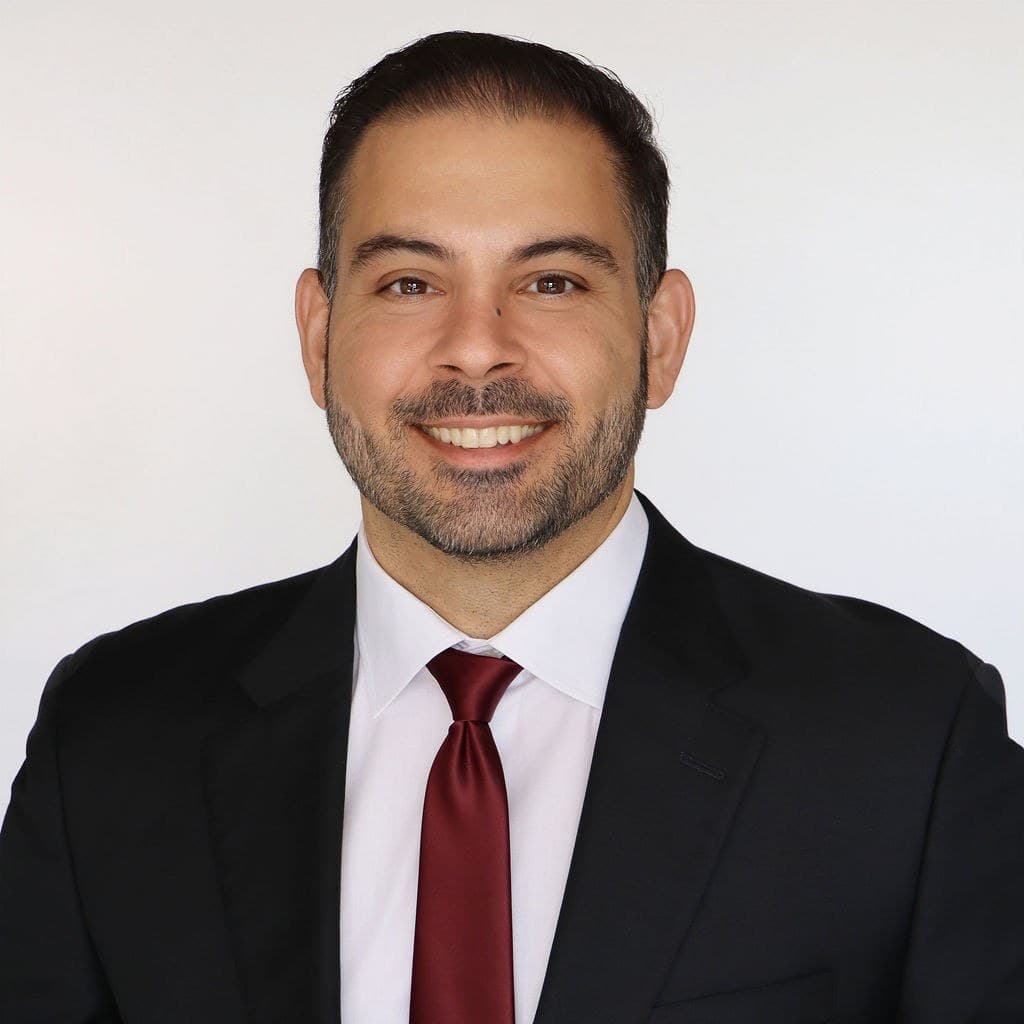
Eman Yazdchi, Esq., Certified Specialist in Workers' Compensation Law, California Board of Legal Specialization, State Bar of California.


California Board of Legal Specialization, State Bar of California
California Board of Legal Specialization, State Bar of California
- 14+
- Years of Practice
- 2,000+
- Cases handled over 14+ years
- $50M+
- Recovered over 14+ years
- 3
- Languages: English, Español, Farsi
Past results do not guarantee, warrant, or predict future cases. Each case is different and results depend on specific facts and circumstances.
Prepared by Yazdchi Law
If you were hurt on the job in Universal City, you have rights, and you do not have to face the insurance company alone. Pain can change a whole week. Missed checks can change a whole home. The first step is getting calm, clear help.
In California, you can likely qualify even if nobody did anything wrong. Workers' comp can pay medical care, part of your lost wages, permanent disability, mileage, and job retraining. You usually have one year to file the claim form, so do not wait.
Universal City claims often come from studio production, set construction, grip and electrical work, theme park operations, Universal CityWalk restaurants and retail, parking, shuttle driving, hotels, and Cahuenga Pass service jobs. The injury may happen backstage or in front of guests.
Eman Yazdchi, CA Bar #285231, is a Certified Specialist in Workers' Compensation Law, California Board of Legal Specialization, State Bar of California. Universal City cases are heard at the Van Nuys WCAB. Call (661) 273-1780 for a free review.
Do you have a Universal City workers' comp case?
You likely have a case if your job caused or worsened an injury, even if the injury built up slowly.
You do not need to prove your boss meant to hurt you. You need to show the injury happened while doing your job, or that work made an old problem worse. That can be one accident, like a fall, burn, crash, or lifting injury. It can also be years of repeated work.
A production worker can hurt a back moving gear. A ride operator can develop knee or shoulder pain. A cook can burn a hand at CityWalk. A shuttle driver can be hit in traffic. A costume, wardrobe, or retail worker can develop repetitive wrist or neck symptoms.
Undocumented workers are covered too. Your employer cannot use immigration threats to scare you away from treatment. If a supervisor says that, write down the words, the date, and who heard it.
What benefits can you receive?
Workers' comp can pay doctors, wage checks, permanent disability, mileage, and retraining when your old job is no longer safe.
The medical rule is simple for you. If treatment is needed to cure or relieve your work injury, the insurer pays. That includes clinic visits, specialists, imaging, therapy, medicine, injections, surgery, braces, and needed devices. You should not pay deductibles or copays.
Labor Code section 4600: "Medical, surgical, chiropractic, acupuncture, and hospital treatment, including nursing, medicines, medical and surgical supplies, crutches, and apparatuses, including orthotic and prosthetic devices and services, that is reasonably required to cure or relieve the injured worker from the effects of his or her injury shall be provided by the employer."
If the doctor takes you off work, temporary disability usually pays two-thirds of your average weekly wage. That benefit has state caps and a 104-week limit within five years. If you return with lasting limits, a doctor rates your permanent disability.
Entertainment work has unusual records. Call sheets, shift apps, vendor names, production logs, incident reports, and badge data can matter. Theme park and CityWalk workers may also have witness names from changing crews. Keep screenshots before access ends.
If your employer cannot offer safe work after your injury, you may also qualify for a Supplemental Job Displacement Benefit voucher. That voucher can help pay for retraining, school, tools, and related costs.
How much is a Universal City workers' comp claim worth?
Value depends on your rating, age, job duties, future care, and whether the insurer proves any non-work share.
No honest lawyer can price your case from a short phone call. The number comes from medical proof. Once your condition is stable, a doctor gives a permanent disability rating. For newer injuries, the rating uses a 1.4 multiplier and then adjusts for age and job duties. It can move up or down.
A grip with a lumbar injury, a theme park worker with a knee injury, and a CityWalk cook with a burn do not have the same value. The rating must fit the work demands, medical proof, and future care. Job duties matter when the doctor describes permanent limits.
| Injury severity | Typical permanent-disability rating | Approximate value range |
|---|---|---|
| Minor strain or sprain | 0% to 10% | $0 to $10,000 |
| Moderate injury needing injections or surgery | 10% to 25% | $10,000 to $40,000 |
| Serious injury or single-level fusion | 25% to 50% | $40,000 to $150,000 |
| Severe or multi-level injury | 50% to 70% | $150,000 to $400,000 |
| Catastrophic spinal-cord injury or TBI | 70% to 100% | $400,000 and higher |
These are general California ranges, not a prediction. Your actual award depends on your disability rating, age, occupation, and future medical care. Past results do not guarantee future outcomes.
Insurers often argue apportionment. That means they blame part of your disability on age, old injuries, arthritis, or another cause. The doctor must explain the how and why. A weak split can be challenged through the QME panel process.
What if the insurer denies your claim?
A denial is not the end. You can challenge the decision, protect treatment, and build a better medical record.
After you file the DWC-1 claim form, the insurer has 90 days to accept or deny the case. While it investigates, up to $10,000 in medical care can be owed. That early care matters when pain is fresh and work notes are needed.
Universal City denials may blame off-duty activity, a prior production job, a vendor mix-up, or lack of notice. The response should identify the real employer, the worksite, the supervisor, the date, and the medical link to job duties. Fast proof helps in a multi-employer setting.
A treatment denial uses a different path. First comes Utilization Review, called UR. If UR says no to care your doctor requested, you normally have 30 days to ask for Independent Medical Review. That is a state doctor review of the denial.
If a judge issues a decision that harms your case, a Petition for Reconsideration asks the Workers' Compensation Appeals Board to review it again. The deadline is short: 20 days for electronic service, or 25 days if mailed.
How long do you have to file in Universal City?
Tell your employer within 30 days and file the claim form within one year when you can.
Deadlines can decide a case before anyone talks about your pain. Report the injury in writing. A text or email is better than a hallway talk. Ask for the DWC-1 claim form and keep a copy after you sign it.
Production and theme park workers often move between crews. Do not let that blur the injury report. Send written notice to the employer or staffing company that paid you, and keep copies of call sheets, schedules, and messages.
| Step | Time limit | Law |
|---|---|---|
| Report the injury to your employer | Within 30 days | section 5400 |
| File the workers' comp claim form | Usually within 1 year | section 5405 |
| Build-up injury clock starts | When you have disability and know work caused it | section 5412 |
| Insurer must accept or deny | Within 90 days after the claim form | section 5402 |
| Appeal a denied treatment request | Within 30 days through IMR | section 4610.5 |
If your pain built up over time, the date is not always your first sore day. It is usually when you had disability and knew, or should have known, that work caused it. A doctor's note often makes that clear.
Why Universal City workers choose Yazdchi Law
You get a certified workers' comp attorney, local WCAB experience, and no hourly bill while your claim is pending.
Eman Yazdchi, CA Bar #285231, is a Certified Specialist in Workers' Compensation Law, California Board of Legal Specialization, State Bar of California. He has represented hundreds of California workers and appears regularly at the Van Nuys WCAB.
The local file may involve NBCUniversal studio records, CityWalk employer documents, vendor staffing contracts, parking or shuttle reports, and doctors in the Valley. Yazdchi Law organizes those facts so the insurer cannot hide behind a confusing work chain.
You also get clear advice on settlement choices. A lump-sum settlement can close future care. A stipulated award can keep medical care open. The right choice depends on your injury and treatment plan.
The fee is not paid up front. In California workers' comp, attorney fees are usually set by the judge at about 12 to 15 percent of the recovery. The fee comes from the recovery, not from your pocket at the start.
Results in cases like this
Every case is different. Past results do not guarantee, warrant, or predict a similar outcome.
$5,000,000
Catastrophic spinal cord injury
$1,500,000
Cervical spine injury
$425,000
Slip and fall accident
Find Out What Your Universal City Case May Be Worth
Two minutes. No fee unless we win; costs may apply.
Question 1 of 5
What type of injury do you have?
Not ready to fill this out? Just call (661) 273-1780 and we’ll ask the same questions by phone.
Free Consultation
Call or send the short form. We review your case, explain your rights, and outline your options. Free, no obligation.
We Build Your Case
We gather medical evidence, handle the insurance company, and file all the workers' comp court (WCAB) paperwork for you.
We Pursue Every Benefit
Medical care, lost wages, and permanent disability benefits. No fee unless we win your case; costs may apply.
Universal City sits at the Cahuenga Pass, where studio production, theme park work, CityWalk service jobs, hotels, parking, and shuttle operations overlap. A single injury may involve a production company, vendor, staffing agency, or venue operator. Write down who paid you, who supervised you, and where the task happened.
The Van Nuys WCAB hears Universal City claims. It commonly handles San Fernando Valley and entertainment-adjacent files. Nearby care may start in the Valley or Hollywood area, but the claim record still needs the DWC-1, work status notes, witness names, and any incident report from the lot, park, restaurant, hotel, or shuttle operation.
Universal City records for studio, park, and vendor claims
Universal City work often involves more than one company. Save the name on your paycheck, the name on your badge, the person who gave orders, and the place where the task happened. A production worker should keep call sheets, crew texts, wrap times, location notes, and equipment lists. A set construction, grip, or electrical worker should photograph the lift, cart, cable path, ladder, stair, or loading area when safe.
Theme park, CityWalk, parking, hotel, and shuttle claims need shift proof. Save the schedule, station assignment, guest incident report, radio call, route sheet, and witness names. If the employer cuts off app access after you report the injury, screenshots taken early can matter. For vendors and staffing agencies, keep the onboarding email, timekeeping app, and supervisor messages.
- Production files: call sheets, vendor names, crew texts, equipment lists, and wrap times.
- Theme park files: station assignments, radio calls, guest incident notes, and supervisor reports.
- CityWalk and hotel files: schedules, kitchen or room assignments, spill photos, and witness names.
- Parking and shuttle files: route sheets, vehicle numbers, traffic reports, and dash camera notices.
Universal City workers may treat in the Valley, Hollywood, Burbank, or elsewhere in Los Angeles. Keep the first clinic note and every work status note. If a doctor says modified work is needed, send that note to the employer or staffing company in writing and keep proof that it was received.
Universal City workers should capture the chain of command. The person who hired you, the person who directed the task, and the company named on the production or venue paperwork may not match. Write all three down. That prevents delay when an insurer says the wrong employer was named.
If a set changes, a ride area reopens, or a restaurant cleans the spill before photos, make a note right away. A same-day text to yourself can help fix the time, place, and cause.
Entertainment work changes fast. A call sheet, vendor text, or parking pass may be gone by the next week. Save it before the production wraps or the staffing app closes. If your injury happened during load-in, strike, rehearsal, prep, or a live guest operation, use those words when you report it. They explain the pace and risk.
Injured at work in Universal City? Talk it through for free.
Most claims must be filed within one year under Labor Code section 5405. A free call tells you where your clock stands.
Frequently Asked Questions
Do I pay anything up front for a Universal City workers' comp lawyer?
Can I be fired for filing a Universal City workers' comp claim?
Can undocumented workers file workers' comp in Universal City?
How long will my Universal City claim take?
Can I choose my own doctor?
What if my Universal City claim is denied?
Which WCAB office hears Universal City cases?
What kinds of Universal City injuries does Yazdchi Law handle?
Free case evaluation
Get your free Universal City case evaluation
Three fields. We respond within one business day.
Talk to a Certified Specialist
Certified Specialist in Workers' Compensation Law, California Board of Legal Specialization, State Bar of California.
Takes 30 seconds. No obligation.
I am glad and so very pleased...he made happen what no other attorney could do. So far he has proven his weight in gold.
Eman at Yazdchi Law was extremely professional, responsive, and supportive at all times. He and his staff exceeded all of my expectations.
Client testimonials. Testimonials are not a guarantee, warranty, or prediction of the outcome of your case.