
West Adams, California · Workers' Compensation
West Adams Workers' Compensation Lawyer
Hurt at work in West Adams? Workers' comp pays for medical care and part of your lost pay while you heal. A free call tells you where you stand.
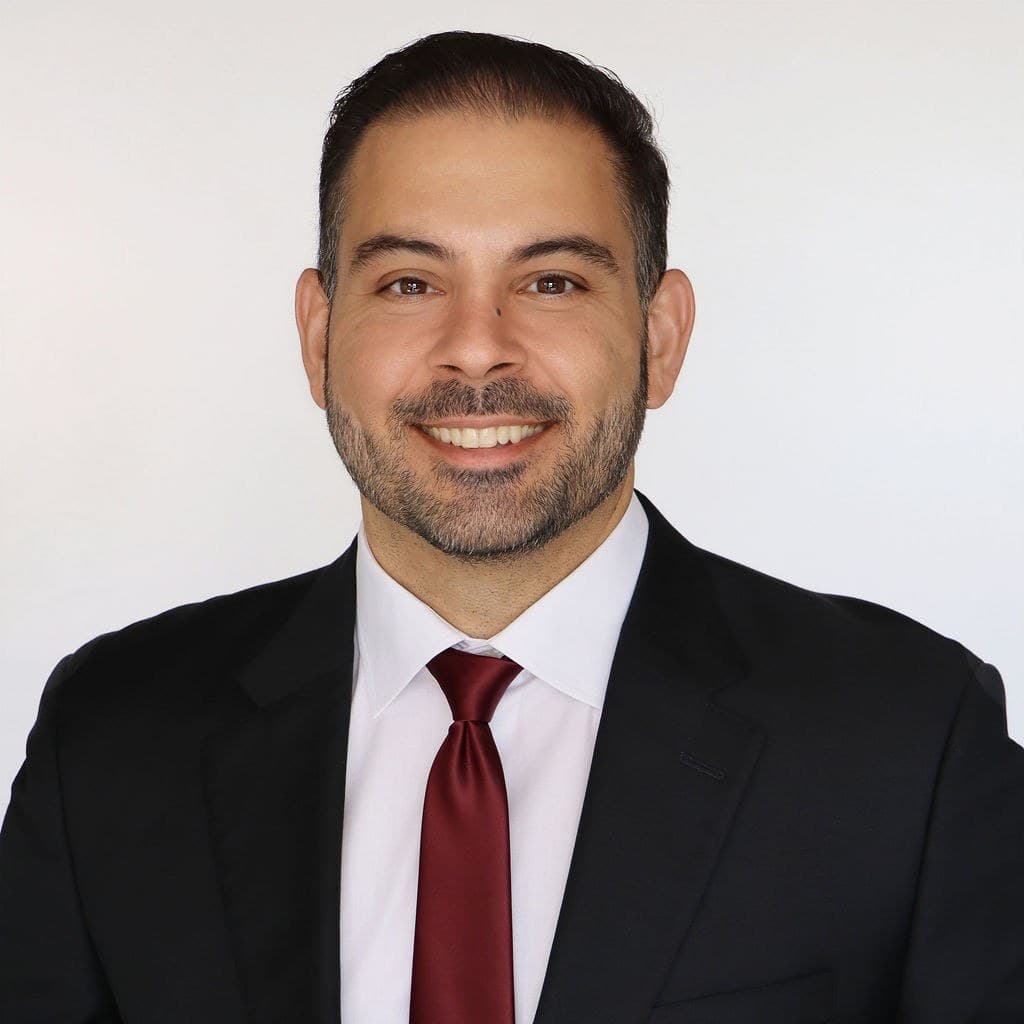
Eman Yazdchi, Esq., Certified Specialist in Workers' Compensation Law, California Board of Legal Specialization, State Bar of California.


California Board of Legal Specialization, State Bar of California
California Board of Legal Specialization, State Bar of California
- 14+
- Years of Practice
- 2,000+
- Cases handled over 14+ years
- $50M+
- Recovered over 14+ years
- 3
- Languages: English, Español, Farsi
Past results do not guarantee, warrant, or predict future cases. Each case is different and results depend on specific facts and circumstances.
Prepared by Yazdchi Law
If you were hurt on the job in West Adams, you may feel stuck between pain, rent, and an employer who wants you quiet. You have rights. You do not have to face the insurance company alone.
Most job injuries qualify even when no one did anything wrong. A USC dining worker who slips near a loading area, a Keck Medicine housekeeper with shoulder pain, a Crenshaw corridor framer who falls, and a retail worker on Adams Boulevard all use the same claim system.
Workers' comp can pay for doctor visits, surgery, medicine, mileage, two-thirds wage checks while you cannot work, a disability award, and retraining if your old job is gone. The usual filing deadline is one year. The safest first step is written notice to your supervisor, then a DWC-1 claim form.
Eman Yazdchi is a Certified Specialist in Workers' Compensation Law, California Board of Legal Specialization, State Bar of California. Yazdchi Law handles West Adams claims at the Los Angeles WCAB at 320 W 4th Street. Call (661) 273-1780 for a free review.
Do you have a West Adams workers' comp case?
You likely have a claim if your job caused an injury, flare-up, or illness during normal West Adams work duties.
California uses a no-fault system. That means you do not need to prove your boss caused the accident. You need to show the injury happened because of work, or while you were doing work. Lawyers often call this AOE/COE. In plain English, the injury must arise from your job and happen in the course of your job.
That can be one bad event. A server near Jefferson can burn a hand. A USC grounds worker can twist a knee near Exposition Park. A roofer on a West Adams restoration job can fall from a ladder. It can also be a build-up injury. Years of lifting linen carts, stocking shelves, or using power tools can wear down your back, wrist, neck, or shoulder.
Undocumented workers are also covered. Your immigration status does not erase your right to medical care and wage checks. A boss also may not threaten immigration action because you filed a claim. If that happened, tell a lawyer before you sign any paper.
Labor Code section 4600: "Medical, surgical, chiropractic, acupuncture, and hospital treatment, including nursing, medicines, medical and surgical supplies, crutches, and apparatuses, including orthotic and prosthetic devices and services, that is reasonably required to cure or relieve the injured worker from the effects of his or her injury shall be provided by the employer."
What benefits can you receive after a West Adams job injury?
Benefits can include paid medical care, wage checks, disability payments, travel mileage, and retraining if your job cannot take you back.
The first benefit is medical care. The insurer should pay for reasonable treatment needed to cure or relieve your injury. That can include an urgent care visit, imaging, therapy, injections, surgery, medicine, braces, and follow-up appointments. There are no copays for covered care.
The second benefit is temporary disability. These are wage checks when the doctor says you cannot work, or your employer has no light duty within your limits. The usual amount is two-thirds of your average weekly wage, up to the state cap. The benefit can run up to 104 weeks within five years.
The third benefit is permanent disability. This starts after your condition becomes stable. A doctor rates your lasting loss. For post-2013 injuries, the rating uses a 1.4 multiplier and then weighs age and occupation. A Keck patient transporter and an office clerk may not rate the same way because their jobs stress the body differently.
You may also receive mileage for medical trips. If your employer cannot offer regular, modified, or alternate work, you may qualify for a retraining voucher. That voucher can help pay for school, tools, testing fees, and computer equipment.
How much is a West Adams workers' comp claim worth?
Value depends on your rating, job, age, medical needs, lost time, and whether the insurer tries to blame other causes.
No lawyer can name a fair value without medical records. The number grows from proof. Your diagnosis matters. So does surgery, future care, work limits, wage loss, and whether a doctor divides disability between work and non-work causes. The insurer may call that split apportionment. A strong medical record keeps that split honest.
| Injury severity | Typical permanent-disability rating | Approximate value range |
|---|---|---|
| Minor strain or sprain | 0 to 10 percent | Often under $10,000 |
| Moderate injury needing injections or surgery | 10 to 30 percent | About $10,000 to $40,000 |
| Serious injury or single-level fusion | 30 to 60 percent | About $40,000 to $120,000 |
| Severe or multi-level injury | 60 to 90 percent | About $120,000 to $300,000 or more |
| Catastrophic spinal-cord or brain injury | Very high rating, often with life care | Can reach seven figures in rare cases |
These are general California ranges, not a prediction. Your actual award depends on your disability rating, age, occupation, and future medical care. Past results do not guarantee future outcomes.
West Adams work often involves lifting and fast pace. Dining halls near USC, back-of-house kitchens, Keck Medicine support teams, and crews along the 10 Freeway can all produce serious body-part claims. A careful rating should reflect the real job, not a generic title.
What if the insurer denies your West Adams claim?
A denial is not the last word. You can challenge the decision, build medical proof, and keep strict appeal clocks in view.
After you submit the claim form, the insurer has 90 days to accept or deny the case. During that review period, medical care may be owed up to a $10,000 cap. Save every denial letter, text, work note, and clinic paper. Those records help show what happened and when.
If the insurer denies treatment, the path usually starts with Utilization Review, then Independent Medical Review. IMR means an outside doctor reviews the treatment request. You generally have 30 days to ask for it after the UR denial. If the whole claim is denied, the fight moves through the WCAB. A Petition for Reconsideration is a written request asking the board to look at a judge's decision again.
West Adams claims often turn on details. The location of a fall at a USC loading dock, the exact lift that hurt a Keck worker, or the work history of a housekeeper near Adams and Western may decide the medical story. Do not wait until memories fade.
How long do you have to file in West Adams?
Tell your employer within 30 days when possible, then protect the one-year filing clock before the insurer uses delay against you.
Fast notice helps. A text, email, or written note can work. Say you were hurt at work, name the body part, and give the date. Ask for the DWC-1 claim form. If your injury built up over time, the clock can start when you first had disability and knew, or should have known, work caused it.
| Step | Time limit | Rule |
|---|---|---|
| Report the injury to your employer | 30 days from the injury | section 5400 |
| File the claim form or application | 1 year in most cases | section 5405 |
| Cumulative injury clock | When disability starts and you know work caused it | section 5412 |
| Insurer accepts or denies the claim | 90 days after the claim form | section 5402 |
| Request IMR after a treatment denial | 30 days after the UR denial | section 4610.5 |
| Ask the WCAB to review a judge decision | 20 days electronic or 25 days mailed | section 5903 |
These clocks are statewide. They apply the same way to a West Adams restaurant worker, a USC campus employee, and a construction laborer near the Expo line. When a deadline is close, call before you answer the adjuster alone.
Why do West Adams workers choose Yazdchi Law?
Yazdchi Law brings certified workers' comp focus, Los Angeles WCAB experience, and direct attention to local West Adams job facts.
Eman Yazdchi is a Certified Specialist in Workers' Compensation Law, California Board of Legal Specialization, State Bar of California. The firm represents injured workers, not insurance companies. West Adams cases are heard at the Los Angeles WCAB at 320 W 4th Street in downtown Los Angeles.
The local facts matter. West Adams is tied to USC work, Keck Medicine support jobs, small restaurants on Adams and Jefferson, renovation crews in historic homes, and commuters moving along the 10 Freeway and Crenshaw. A useful claim presentation explains those facts in plain medical and legal terms.
Attorney fees in workers' comp are usually a judge-set percentage of the recovery, often 12 to 15 percent. You do not pay hourly fees to start the case. Call (661) 273-1780 if you need a review.
Which California workers' comp rules support this page?
These official rules explain medical care, wage checks, ratings, filing clocks, retaliation rights, and protection for undocumented workers.
Results in cases like this
Every case is different. Past results do not guarantee, warrant, or predict a similar outcome.
$5,000,000
Catastrophic spinal cord injury
$1,500,000
Cervical spine injury
$425,000
Slip and fall accident
Find Out What Your West Adams Case May Be Worth
Two minutes. No fee unless we win; costs may apply.
Question 1 of 5
What type of injury do you have?
Not ready to fill this out? Just call (661) 273-1780 and we’ll ask the same questions by phone.
Free Consultation
Call or send the short form. We review your case, explain your rights, and outline your options. Free, no obligation.
We Build Your Case
We gather medical evidence, handle the insurance company, and file all the workers' comp court (WCAB) paperwork for you.
We Pursue Every Benefit
Medical care, lost wages, and permanent disability benefits. No fee unless we win your case; costs may apply.
West Adams claims usually file at the Los Angeles WCAB downtown. From Adams and Western, the trip is often a short drive east on the 10, but traffic and parking can make hearings stressful. The firm handles appearances and keeps you prepared before each date.
Local injury patterns include dining services near USC, Keck Medicine patient support, housekeepers and security staff, retail workers on Adams Boulevard, and construction crews renovating older homes near Jefferson Park. These jobs can cause falls, cuts, burns, back injuries, shoulder tears, knee damage, stress claims, and repetitive strain.
Injured at work in West Adams? Talk it through for free.
Most claims must be filed within one year under Labor Code section 5405. A free call tells you where your clock stands.
Frequently Asked Questions
Do I pay anything up front for a West Adams workers' comp lawyer?
Can I be fired for filing a West Adams workers' comp claim?
What if I am undocumented and got hurt near USC or Adams Boulevard?
How long will my West Adams claim take?
Can I pick my own doctor after a West Adams work injury?
What if my injury happened over years of lifting or cleaning?
What should I bring to a free review?
Where is my West Adams workers' comp hearing?
Free case evaluation
Get your free West Adams case evaluation
Three fields. We respond within one business day.
Talk to a Certified Specialist
Certified Specialist in Workers' Compensation Law, California Board of Legal Specialization, State Bar of California.
Takes 30 seconds. No obligation.
Eman really knows his stuff and we were very pleased with our end result.
I am glad and so very pleased...he made happen what no other attorney could do. So far he has proven his weight in gold.
Client testimonials. Testimonials are not a guarantee, warranty, or prediction of the outcome of your case.