
Camarillo, California · Workers' Compensation
Workers' Comp Claim Denied Lawyer in Camarillo, California
Hurt at work in Camarillo? Workers' comp pays for medical care and part of your lost pay while you heal. A free call tells you where you stand.
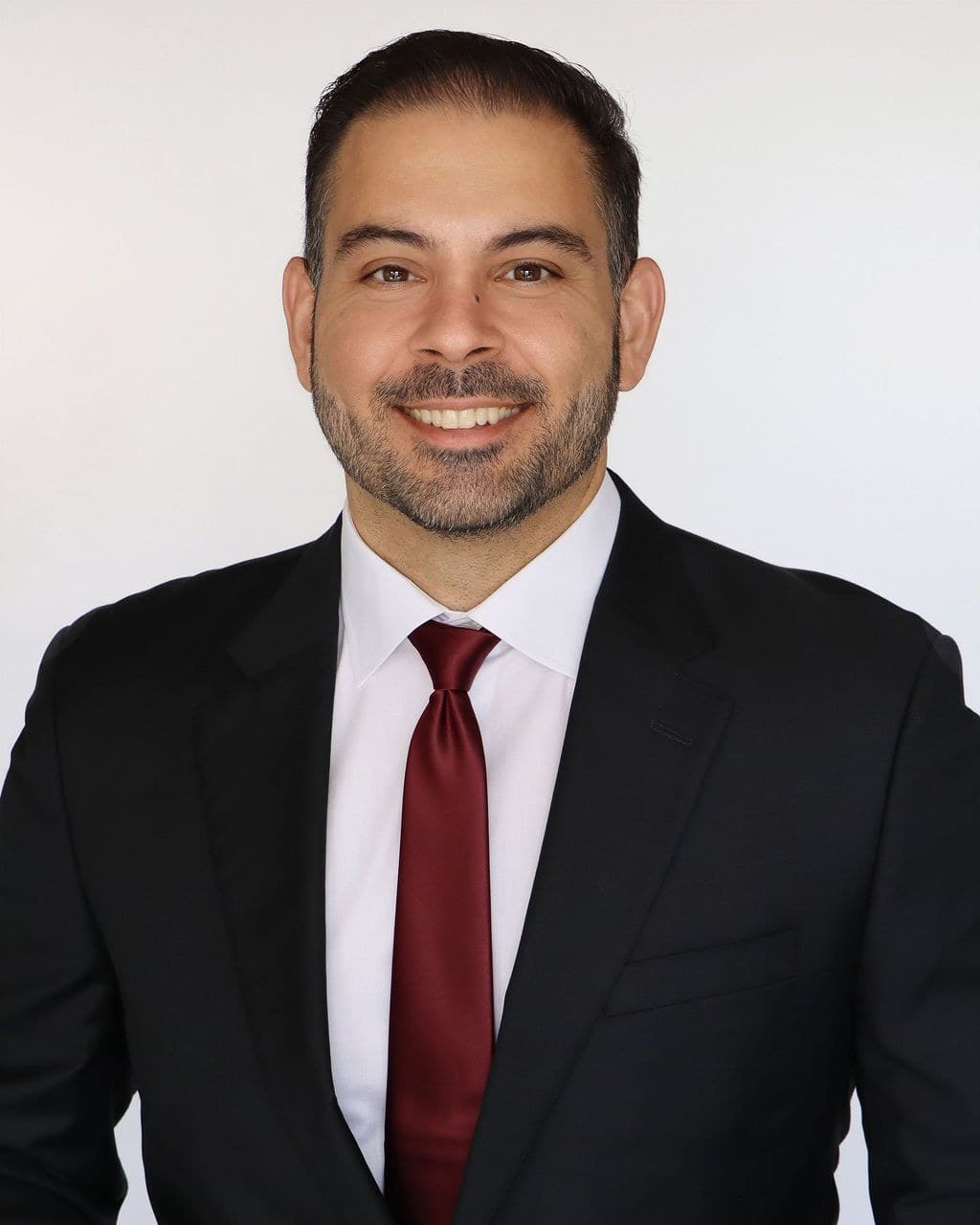
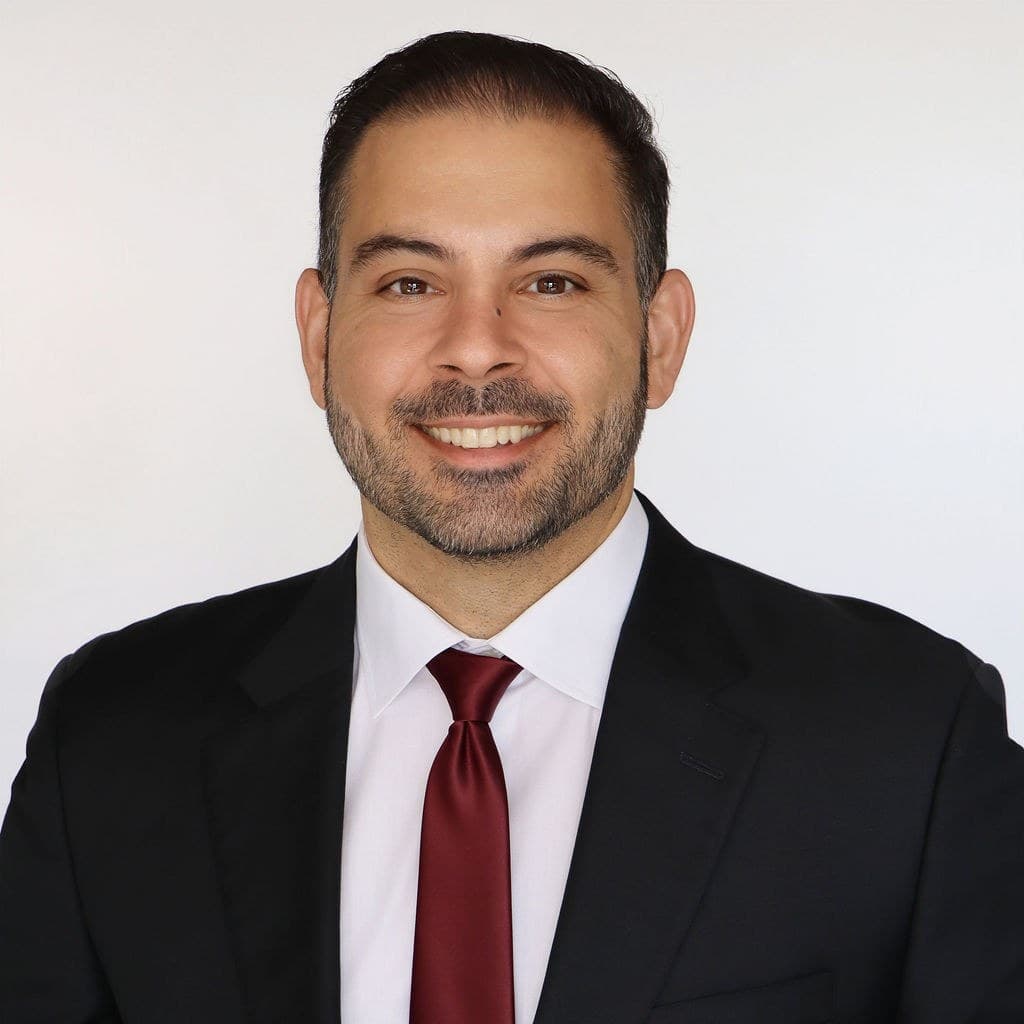
Eman Yazdchi, Esq., Certified Specialist in Workers' Compensation Law, California Board of Legal Specialization, State Bar of California.

California Board of Legal Specialization, State Bar of California
California Board of Legal Specialization, State Bar of California
- 14+
- Years of Practice
- 500+
- Cases handled over 14+ years
- $7M+
- Recovered over 14+ years
- 3
- Languages: English, Español, Farsi
Past results do not guarantee, warrant, or predict future cases. Each case is different and results depend on specific facts and circumstances.

By Eman Yazdchi, Esq. · Certified Specialist in Workers' Compensation Law, California Board of Legal Specialization, State Bar of California · Cal Bar #285231
A denial letter arrives and the floor drops out. You are hurt, the bills are piling up, and the insurance company is telling you your injury does not count. Take a breath. A denial is not the end. It is the beginning of the fight.
Insurers deny claims every day for reasons that can be disputed and overturned. Whether you work at Camarillo Premium Outlets, an aerospace firm near the Camarillo Airport, a biotech lab, or a hospital in Ventura County, you have the same rights as every California worker. Those rights do not disappear because the insurer sent you a letter.
Take these three steps right now:
- Keep the denial letter and note today's date. Your appeal deadline started when that letter was sent. The postmark date and the letter date may both matter to a judge.
- Do not sign any release or settlement the insurer sends you. Signing can close your case permanently. Get an attorney to review it first.
- Call us at (661) 273-1780. A free review takes about 20 minutes. We tell you exactly what was denied and which path gives you the best chance to fight back.
Was your Camarillo claim denied? Here is what to do first
Keep the letter, note the date, and call a Certified Specialist. Your window to appeal is likely 20 to 30 days. Missing it can close your case for good.
Camarillo has a busy, varied economy. Retail workers at the outlets face cumulative motion injuries. Aerospace and defense contractors near the Camarillo Airport put mechanics and technicians through years of hard physical work. Life-science and biotech companies line the corridors along the 101. Healthcare workers at area hospitals carry patients and equipment every shift. Each of these industries produces workers' comp claims. And each one produces denials.
A denial does not mean the insurer is right. It means they took a position. Every type of denial has a path to challenge it. Each path has a timer. The first step is figuring out what kind of denial you received, because that determines your next move.
Why do insurers deny workers' comp claims?
The four most common reasons: the injury is not work-related, a pre-existing condition is to blame, you reported too late, or the requested treatment is not medically necessary.
The reason in your denial letter tells you which door to open. Here are the patterns we see most often from Ventura County workers:
- Not work-related. The insurer says the injury happened off the job. Or they argue your work duties did not cause it. This comes up often with cumulative injuries. A Camarillo Outlets worker who builds up a shoulder injury over years of repetitive scanning may hear this argument.
- Pre-existing condition. They point to an old injury, prior imaging, or normal aging. They say your job did not make it worse. Aerospace technicians and lab workers often hear this after years of the same physical demands.
- Late reporting. California gives you 30 days to tell your employer about the injury in writing. If you were near that line, the insurer may try to use it against you.
- Not medically necessary. Your treating doctor ordered an MRI, surgery, or a specialist visit. The insurer put it through a review process and said no. Healthcare workers at Dignity Health or a Ventura County clinic often face this. It happens after a doctor requests imaging or a procedure and the insurer says it is not needed.
- Cumulative trauma. Build-up injuries from repetitive work at a lab bench, a packaging station, or an assembly line are contested frequently. The insurer argues the injury built slowly and no specific work event caused it.
Your denial is the insurer's first word. It does not have to be the last. You have the right to dispute it. We fight these cases at the Oxnard WCAB every week.
The 90-day rule: what §5402 means for your Camarillo claim
The insurer has 90 days from your DWC-1 form to accept or deny. Miss that window, and California law presumes your injury is covered.
Labor Code §5402(b): "If liability is not rejected within 90 days after the date the claim form is filed under Section 5401, the injury shall be presumed compensable under this division. The presumption of this subdivision is rebuttable only by evidence discovered subsequent to the 90-day period."
This is one of the strongest protections California workers have. Once you hand in the DWC-1 claim form, the clock starts. If the insurer does not send a written denial within 90 days, the law treats the claim as covered. The insurer can still challenge it later. But they can only use evidence found after that 90-day window closed. The burden shifts to them.
During those 90 days, you are not left without care. California requires the insurer to cover up to ten thousand dollars in medical treatment while they investigate. A retail worker at the outlets, a parts handler near the airport, or a hospital aide in Ventura County all have the right to that care. The insurer cannot stop your treatment while they make up their mind.
If the insurer missed its 90-day window and then denied you anyway, that denial can be challenged. Call us and we will review the timeline with you.
Denied treatment vs. a denied claim: two different fights
A treatment denial goes through a medical review process. A full claim denial goes before a judge. Each has its own deadline and its own steps.
These two types of denial look similar but work very differently. Mixing them up can cause you to miss your window.
Denied treatment (Utilization Review): When your treating doctor orders a procedure and the insurer says no, that is a Utilization Review denial. A medical reviewer hired by the insurer compares your case against state treatment guidelines. If the reviewer says no, you have 30 days to request Independent Medical Review. A state-contracted reviewer looks at your full records. They have no financial tie to your insurer. They either overturn or uphold the UR denial. That decision is nearly always final. To challenge it further, you must show fraud, a conflict of interest, or that the reviewer failed to consider your records. Those are narrow grounds.
Denied claim: If the insurer denied your entire claim, or if a workers' comp judge ruled against you, you fight that at the WCAB. You file a Petition for Reconsideration. That is a written request asking the judge to look at the decision again. You have 25 days if the decision was mailed to you. You have 20 days if it was sent electronically. Missing that window usually ends your appeal rights at the board level.
After Reconsideration, if the board denies it, you can ask the Court of Appeal to step in. You do that by filing a Writ of Review within 45 days.
If your case is already closed but your condition has gotten worse, you may still have options. California law lets you ask to reopen the case within five years of the original injury date. Many workers do not know this path exists.
How long do you have to respond to a denial in Camarillo?
Treatment denials: 30 days. A judge's decision: 25 days if mailed, 20 if electronic. Writ of Review: 45 days. Reopening a closed case: within 5 years of the original injury date.
Every type of denial has a different clock. The table below shows each one. Missing any of these deadlines can permanently close the door on your appeal.
| What was denied | Your appeal route | Deadline | Law |
|---|---|---|---|
| Treatment denied at Utilization Review | Independent Medical Review | 30 days from the denial | §4610.5 |
| IMR upheld the denial | Appeal on narrow grounds (fraud, conflict of interest, or failure to review records) | 30 days | §4610.6 |
| Judge's decision (Findings and Award) | Petition for Reconsideration | 25 days if mailed; 20 days if served electronically | §5903 |
| Reconsideration denied | Writ of Review to the Court of Appeal | 45 days | §5950 |
| New or worsened disability after a closed case | Petition to Reopen | Within 5 years of the original injury date | §5803 |
Not sure which row covers your situation? Your case is heard at the Oxnard WCAB, about 10 miles from Camarillo along the 101. We appear there regularly and know the local schedule. Call (661) 273-1780 and we will sort out your deadline fast.
What to do the day your denial letter arrives
Write down the date, keep the envelope, do not sign anything, and call an attorney. Your deadline started ticking when that letter was sent.
The day the denial arrives is the day your clock begins. Here is a short checklist:
- Note the date on both the envelope and the letter. A court can use either date for deadline calculations. Keep both.
- Read the stated reason carefully. "Not medically necessary" is one fight. "Not work-related" is another. The reason is your map.
- Do not call the insurance adjuster to argue. Adjusters write notes on every call. Let your attorney do the talking.
- Do not sign a settlement that arrives the same week. Insurers sometimes send a low offer right after a denial. Signing closes your case. Have an attorney review it first.
- Call (661) 273-1780. The review is free. We tell you what your deadline is and whether your denial has a strong path forward.
We have helped workers across Camarillo and Ventura County fight back after denials. Outlet workers. Aerospace techs. Lab staff. Clinical healthcare workers. You do not have to navigate this alone.
If your employer retaliates for fighting a denial
Some workers face trouble at work after they push back on a denial. A sudden schedule change, a new performance review, or a termination right after you challenged the insurer are warning signs. Challenging a denial is a protected act. California law prohibits any form of punishment for pursuing your rights. If your employer retaliates, you may be entitled to your job back, your lost wages, and a penalty on top of your workers' comp award. Call us right away if this happens to you.
Results in cases like this
Every case is different. Past results do not guarantee, warrant, or predict a similar outcome.
$5,000,000
Catastrophic spinal cord injury
$1,500,000
Cervical spine injury
$425,000
Slip and fall accident
Find Out What Your Camarillo Case May Be Worth
Two minutes. No fee unless we win; costs may apply.
Question 1 of 5
What type of injury do you have?
Not ready to fill this out? Just call (661) 273-1780 and we’ll ask the same questions by phone.
Free Consultation
Call or send the short form. We review your case, explain your rights, and outline your options. Free, no obligation.
We Build Your Case
We gather medical evidence, handle the insurance company, and file all the workers' comp court (WCAB) paperwork for you.
We Pursue Every Benefit
Medical care, lost wages, and permanent disability benefits. No fee unless we win your case; costs may apply.
Fighting denials at the Oxnard WCAB: what Camarillo workers need to know
Camarillo cases go to the Oxnard WCAB, about 10 miles west along the 101. Eman Yazdchi appears there regularly and knows the Ventura County denial patterns, judges, and schedules.
Where is the Oxnard WCAB?
All Camarillo workers' comp disputes, including full-claim denials and treatment appeals, are heard at the Oxnard district office of the Workers' Compensation Appeals Board. The address is 2220 E. Gonzales Road, Oxnard, CA 93036. The Oxnard district covers Camarillo, Ventura, Oxnard, Thousand Oaks, Simi Valley, Moorpark, Port Hueneme, Fillmore, Santa Paula, Ojai, and the rest of Ventura County. Yazdchi Law appears at this office regularly on full-claim denials, Utilization Review disputes, and Reconsideration petitions. Free bilingual representation is available from the first call through the final hearing.
Camarillo industries and the denial patterns we fight
Ventura County's economy shapes the types of denials we see at the Oxnard WCAB. Here are the most common ones from the Camarillo area:
- Camarillo Premium Outlets retail workers: Shoulder and wrist injuries from repetitive scanning, stocking, and customer handling. Insurers frequently call these non-work-related or blame prior body wear.
- Aerospace and aviation workers near the Camarillo Airport: Mechanics, technicians, and parts handlers who build up joint damage over long careers. The insurer's standard argument is that the damage is from age, not work.
- Biotech and life-science lab workers: Wrist, shoulder, and neck injuries from pipetting, microscope work, and prolonged awkward postures. Cumulative trauma denials are common because the build-up is slow and easy for an insurer to contest.
- Healthcare staff at Dignity Health, Los Robles Regional, and local clinics: Surgical and imaging denials after conservative care has already failed. UR reviewers often say no before a full review of the patient record is done.
- Cal State Channel Islands employees: Maintenance workers, facilities staff, and lab techs facing denials after cumulative injuries that have no single dramatic event to point to.
What to expect at the Oxnard WCAB
Expedited hearings for temporary-disability disputes move quickly at this district. Full denial trials go on the regular calendar, which takes longer. Knowing which type of hearing to request, and when, is part of building the right strategy. We handle that for every Camarillo client we take on.
What does it cost to fight a denial?
Nothing up front, and nothing unless we win. Attorney fees in California workers' comp are set by the judge at 12 to 15 percent of your recovery.
There is no hourly rate. There is no retainer check to write. Workers' comp attorney fees in California are set by the WCAB judge, typically 12 to 15 percent of your award or settlement, and only if we recover something for you. A Camarillo Outlets cashier and a biotech lab analyst get the same quality of representation. If there is no recovery, you owe nothing.
About your attorney
Eman Yazdchi is a Certified Specialist in Workers' Compensation Law, certified by the California Board of Legal Specialization, State Bar of California (CA Bar #285231). Only a small fraction of California attorneys hold this credential. He has represented hundreds of injured California workers and appears regularly at the Oxnard WCAB. Our firm has recovered up to $5,000,000 for a catastrophic spinal-cord injury and $1,500,000 for a cervical-spine injury. Past results do not guarantee future outcomes. More about Eman Yazdchi. Verify his State Bar profile.
Nearby Ventura County cities we serve
Injured at work in Camarillo? Talk it through for free.
Most claims must be filed within one year under Labor Code section 5405. A free call tells you where your clock stands.
Frequently Asked Questions
What happens if the insurer misses the 90-day deadline to accept or deny my claim?
What does the $10,000 interim medical care cover while my claim is being investigated?
What are the most common reasons workers' comp claims get denied in Camarillo?
Can I be fired for challenging a workers' comp denial?
My treatment was denied after Utilization Review. How does Independent Medical Review work?
My entire claim was denied, not just one treatment. What do I do?
My Camarillo case closed years ago but my injury got worse. Can I still do anything?
Can I get help if I am undocumented?
Last reviewed by Eman Yazdchi, Esq., June 2026.
Free case evaluation
Get your free Camarillo case evaluation
Three fields. We respond within one business day.
Talk to a Certified Specialist
Certified Specialist in Workers' Compensation Law, California Board of Legal Specialization, State Bar of California.
Takes 30 seconds. No obligation.
Eman really knows his stuff and we were very pleased with our end result.
I am glad and so very pleased...he made happen what no other attorney could do. So far he has proven his weight in gold.
Client testimonials. Testimonials are not a guarantee, warranty, or prediction of the outcome of your case.