
Exposition Park, California · Workers' Compensation
Exposition Park Workers' Comp Settlement Lawyer
Hurt at work in Exposition Park? Workers' comp pays for medical care and part of your lost pay while you heal. A free call tells you where you stand.
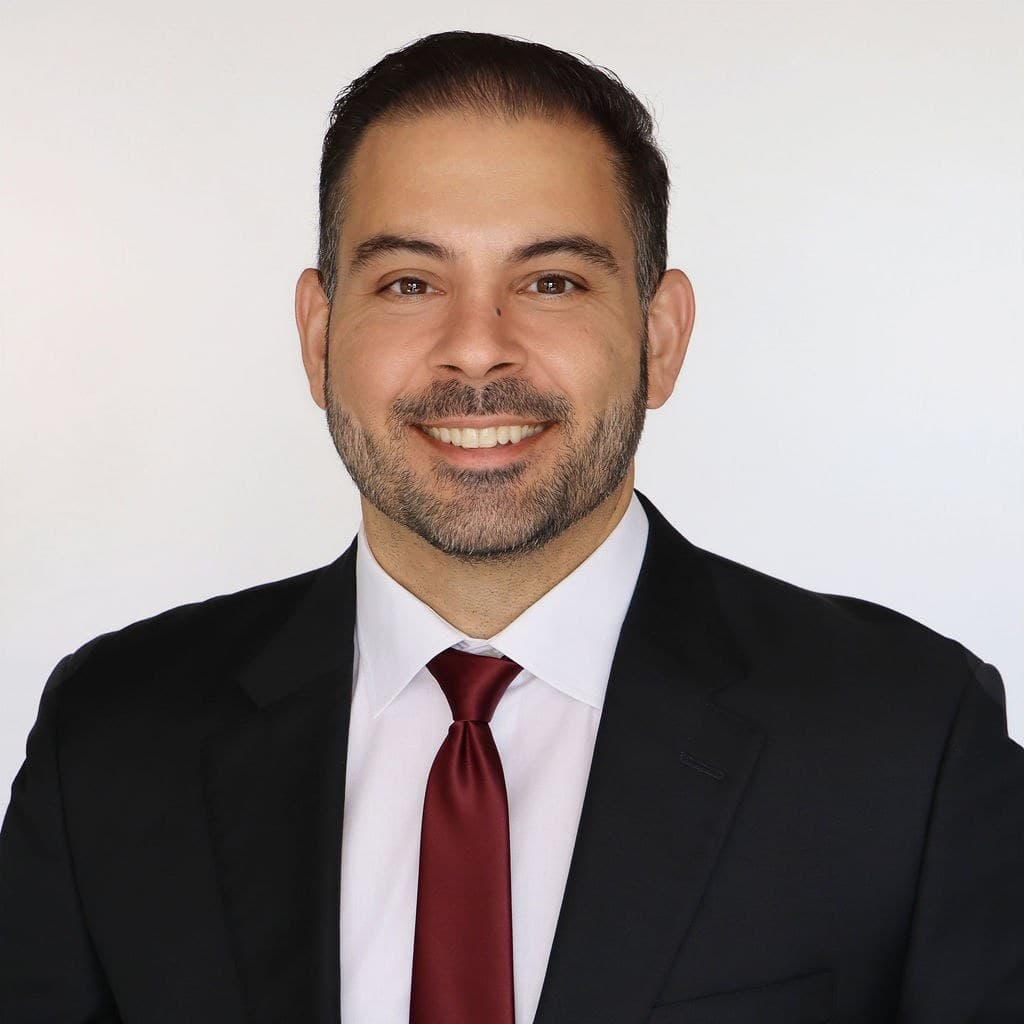
Eman Yazdchi, Esq., Certified Specialist in Workers' Compensation Law, California Board of Legal Specialization, State Bar of California.


California Board of Legal Specialization, State Bar of California
California Board of Legal Specialization, State Bar of California
- 14+
- Years of Practice
- 2,000+
- Cases handled over 14+ years
- $50M+
- Recovered over 14+ years
- 3
- Languages: English, Español, Farsi
Past results do not guarantee, warrant, or predict future cases. Each case is different and results depend on specific facts and circumstances.
Prepared by Yazdchi Law
If you were hurt while working in Exposition Park, a settlement may sound simple at first. It is not. A lump sum can close medical care. A rating can be reduced. A Medicare issue can slow approval. A judge still has to review the papers. Before you sign, you need to know what rights are being traded.
Exposition Park claims often come from work around the USC area, the Natural History Museum, the California Science Center, BMO Stadium, restaurants, parking, security, visitor services, custodial teams, and nearby construction. Some injuries happen in one shift. Others build from years of lifting, walking, gripping, climbing, or standing.
The settlement question is not whether the insurance company has offered a large or small number. The real question is whether the offer fits the medical proof and the benefits being closed. That is what this page explains.
Many workers also worry that asking questions may upset the employer. The settlement process is separate from blame. It is about medical care, wage loss, permanent disability, and future treatment. You can ask for a review even if you like your supervisor, still work for the same employer, or are not sure whether the injury is serious enough.
Do you have a case in Exposition Park?
You may have a workers' comp case if your Exposition Park job caused an injury or made a condition worse.
California workers' comp can cover a sudden injury, like a fall, a crash, a burn, or a heavy lift. It can also cover repeated strain, such as back pain from loading equipment or hand problems from service work. The injury does not have to be dramatic. It has to be tied to the job by facts and medical reporting.
Report the injury, ask for the claim form, and tell the doctor how work caused or worsened the problem. Those steps protect the record. A settlement discussion is stronger when the medical file is clear from the start.
How much is a Exposition Park workers' comp claim worth?
The value depends on the rating, future medical needs, job demands, age, wages, and whether the insurer proves apportionment.
There is no flat settlement price for an Exposition Park injury. California uses a benefit system. Temporary disability replaces part of wages while you are off work. Medical care is paid through the comp system. Permanent disability is paid when the injury leaves lasting limits. Settlement talks usually start after those pieces become clearer.
For many workers, the permanent disability rating drives the base number. A doctor reports whole person impairment and work limits. The rating then accounts for age and occupation. A worker who spends the day lifting, carrying, cleaning, walking long routes, or setting up events may have different rating factors than someone in lighter work.
Future medical care can be just as important. A settlement that closes medical care should account for expected treatment. That may include therapy, injections, imaging, medication, surgery, durable medical equipment, or pain care. If the number ignores likely care, the worker may be left paying later.
| Injury severity | Typical/common PD or settlement issue | Approximate statewide range |
|---|---|---|
| Short-term injury with full recovery | Little or no permanent disability, small medical closeout | $0 to $15,000 |
| Lasting pain without surgery | Low to moderate rating, future therapy or medication | $15,000 to $60,000 |
| Operated back, knee, shoulder, hand, or neck | Higher rating, future care, possible voucher issues | $60,000 to $175,000+ |
| Major injury with serious work limits | High disability, life pension review, Medicare Set-Aside | $175,000 to $500,000+ |
These are general California ranges, not a prediction. Your actual award depends on your disability rating, age, occupation, and future medical care. Past results do not guarantee future outcomes.
Use the table as a map, not a measure of one claim. Two workers can have the same diagnosis and still have different ratings, medical needs, wages, and settlement choices.
Labor Code section 5001 says: "No release of liability or compromise agreement is valid unless it is approved by the appeals board or referee."
That rule is why settlement papers go to the WCAB. The judge reviews the agreement before it becomes final.
Exposition Park claims also need careful body-part review. A fall may injure the knee first, then change the way a worker walks and stress the back or hip. A repetitive hand claim may also involve the elbow, shoulder, or neck. If the settlement papers list too little, future care can become harder to obtain or can be closed without enough value assigned to it.
Compromise & Release vs Stipulated Award
A Compromise & Release closes the claim for a lump sum. A Stipulated Award keeps agreed benefits and medical care open.
A Compromise & Release, often called a C&R, is a full settlement. It usually pays one amount and closes future workers' comp medical care for the injury. It may be useful when treatment is done, the worker wants closure, and the future medical value has been fairly priced.
A Stipulated Award keeps the claim open in a narrower way. The parties agree on a permanent disability rating. The insurer pays that award over time. Medical care for the work injury remains available under the comp system. This can protect a worker who still needs care.
The right choice is practical, not emotional. Some workers need finality. Others need access to future care more than a larger check today. The medical reports should guide that decision.
What changes your settlement value?
Rating, future medical care, job duties, wages, age, and apportionment can move the settlement discussion up or down.
The rating is the starting line. If the doctor leaves out a body part, misses work limits, or writes unclear restrictions, the settlement can suffer. If the medical report is complete, the rating discussion is stronger.
Occupation matters because California rating rules account for job demands. Event crews, custodians, security staff, parking workers, cooks, and construction laborers often perform physical work. The same medical injury can affect these jobs in different ways.
Apportionment can change the final number. The insurer may argue that part of the disability came from a prior injury or a condition that was not caused by work. The doctor must explain that opinion. Escobedo v. Marshalls is a WCAB en banc case requiring substantial medical reasoning for that split.
What about Medicare?
Medicare issues matter when a settlement closes future care and the worker has Medicare, applied for it, or may qualify soon.
Medicare is not supposed to pay for care that workers' comp is responsible for. In larger or medically serious settlements, the parties may need to set aside money for future work-injury treatment. This is called a Medicare Set-Aside.
The issue is not only for retired workers. It can arise when a worker has applied for Social Security Disability or may become Medicare eligible soon. The settlement should be checked before future medical rights are closed.
How do attorney fees work?
The WCAB judge reviews attorney fees, and California workers' comp fees are commonly paid as a percentage of the recovery.
Workers' comp lawyers do not bill injured workers by the hour for standard claim representation. The judge reviews the fee and usually orders it from the settlement or award. Many fees fall in the 12 to 15 percent range.
Eman Yazdchi is a Certified Specialist in Workers' Compensation Law, certified by the California Board of Legal Specialization, State Bar of California, CA Bar #285231. In a settlement review, that means checking the rating, the medical closeout, apportionment, liens, Medicare concerns, and the final WCAB paperwork.
Results in cases like this
Every case is different. Past results do not guarantee, warrant, or predict a similar outcome.
$5,000,000
Catastrophic spinal cord injury
$1,500,000
Cervical spine injury
$425,000
Slip and fall accident
Find Out What Your Exposition Park Case May Be Worth
Two minutes. No fee unless we win; costs may apply.
Question 1 of 5
What type of injury do you have?
Not ready to fill this out? Just call (661) 273-1780 and we’ll ask the same questions by phone.
Free Consultation
Call or send the short form. We review your case, explain your rights, and outline your options. Free, no obligation.
We Build Your Case
We gather medical evidence, handle the insurance company, and file all the workers' comp court (WCAB) paperwork for you.
We Pursue Every Benefit
Medical care, lost wages, and permanent disability benefits. No fee unless we win your case; costs may apply.
Local settlement issues in Exposition Park
Exposition Park cases usually involve USC-area, museum, stadium, service, parking, security, and construction work handled through the Los Angeles WCAB.
Exposition Park is a busy Los Angeles neighborhood with visitors, students, game days, museum traffic, and ongoing building work. The injury pattern reflects that mix. A worker may be hurt moving equipment for an event. A parking worker may be hit by a vehicle. A museum or campus employee may develop hand, back, knee, or shoulder symptoms from repeated work.
Those local details matter because job duties affect the medical record. A doctor needs to know how much lifting, standing, walking, reaching, bending, gripping, or tool use the job requires. A short job title rarely tells the full story.
Event schedules can make these cases harder to document. A worker may be assigned by a vendor, staffing company, venue operator, or campus-related employer. The badge on the shirt may not tell the full employment story. Settlement review should confirm the correct employer, insurance carrier, injury date, and body parts before papers are signed.
Language access also matters. Injured workers should understand whether medical care stays open, what liens are being paid, and what happens after approval. If the worker does not understand the settlement terms, the paperwork is not ready for signature.
WCAB venue
Exposition Park claims are generally handled at the Los Angeles district office of the Workers' Compensation Appeals Board. That office reviews settlement documents and holds hearings when the parties cannot agree. Yazdchi Law appears at the Los Angeles WCAB for injured workers from this area.
Local workers also need to watch for shift gaps. Event and venue work can involve short assignments, multiple supervisors, and changing job sites. Those facts should be explained in the claim file. They help show why an injury belongs in workers' comp and why the rating should match the real job.
Before you accept a settlement
- Compare the offer to the permanent disability rating.
- Ask whether all future medical care is being closed.
- Check for unpaid temporary disability or medical mileage.
- Review liens, Medicare issues, and voucher rights.
- Make sure every injured body part is included.
To review an Exposition Park settlement offer, call (661) 273-1780.
Injured at work in Exposition Park? Talk it through for free.
Most claims must be filed within one year under Labor Code section 5405. A free call tells you where your clock stands.
Frequently Asked Questions
Do I have to settle my Exposition Park workers' comp case?
What is the difference between a C&R and a Stipulated Award?
Can the insurance company lower the rating for an old injury?
How long does settlement approval take at the Los Angeles WCAB?
Does a settlement include future medical care?
What if I work around USC, BMO Stadium, or the museums?
Are workers' comp settlements taxable?
How do I get a settlement offer reviewed?
Free case evaluation
Get your free Exposition Park case evaluation
Three fields. We respond within one business day.
Talk to a Certified Specialist
Certified Specialist in Workers' Compensation Law, California Board of Legal Specialization, State Bar of California.
Takes 30 seconds. No obligation.
Eman really knows his stuff and we were very pleased with our end result.
I am glad and so very pleased...he made happen what no other attorney could do. So far he has proven his weight in gold.
Client testimonials. Testimonials are not a guarantee, warranty, or prediction of the outcome of your case.