
Fairfax, California · Workers' Compensation
Fairfax Workers' Comp Claim Denied Lawyer
Hurt at work in Fairfax? Workers' comp pays for medical care and part of your lost pay while you heal. A free call tells you where you stand.
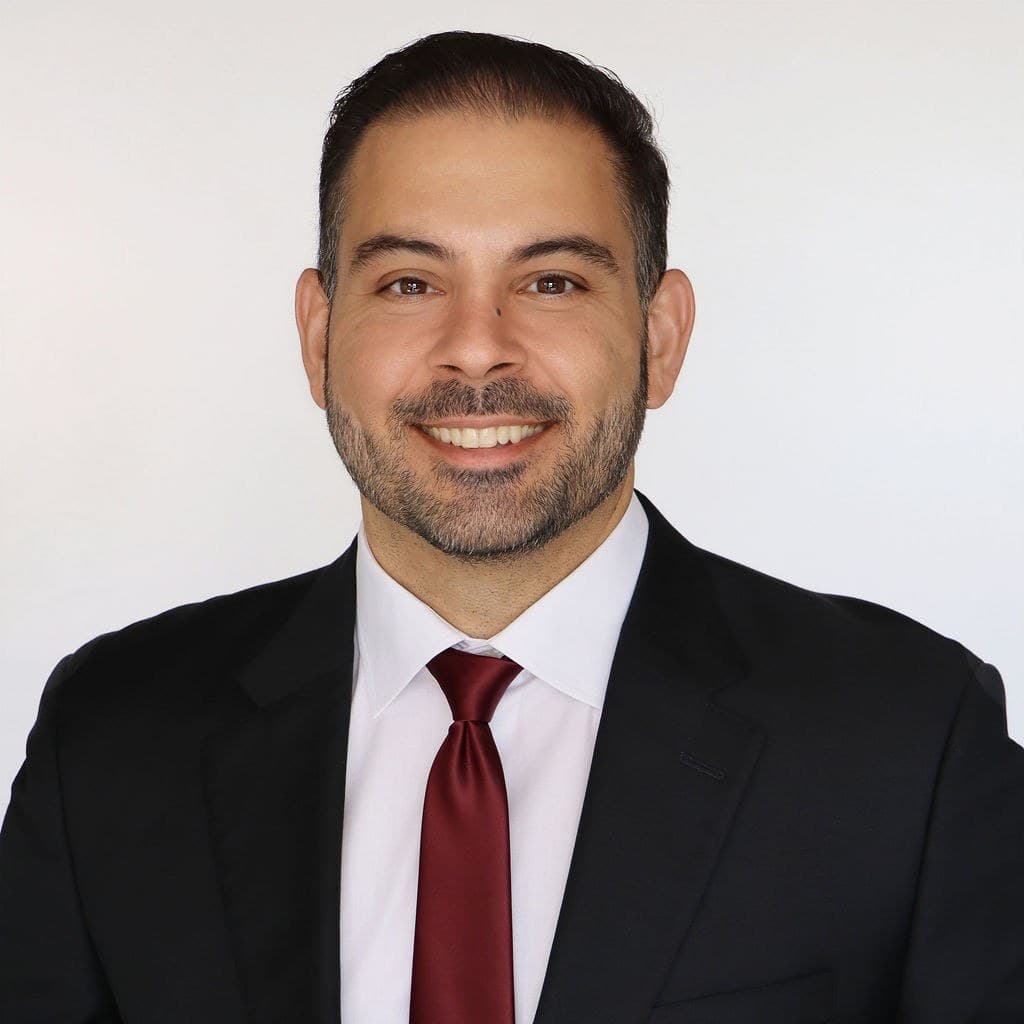
Eman Yazdchi, Esq., Certified Specialist in Workers' Compensation Law, California Board of Legal Specialization, State Bar of California.


California Board of Legal Specialization, State Bar of California
California Board of Legal Specialization, State Bar of California
- 14+
- Years of Practice
- 2,000+
- Cases handled over 14+ years
- $50M+
- Recovered over 14+ years
- 3
- Languages: English, Español, Farsi
Past results do not guarantee, warrant, or predict future cases. Each case is different and results depend on specific facts and circumstances.
Prepared by Yazdchi Law
A denial letter can feel like the floor dropped out. You may be hurt, missing work, and reading words that sound final. They are not always final. A denied Fairfax workers' comp claim can be challenged at the Los Angeles WCAB.
Fairfax workers come from many jobs. A stock clerk at The Grove may hurt a back lifting boxes. A cook at the Original Farmers Market may burn a hand or slip on a wet floor. A CBS Television City crew member may get hurt moving set gear. A caregiver near Cedars-Sinai may injure a shoulder while helping a patient. A Little Ethiopia kitchen worker may develop wrist pain from years of prep work.
Insurance companies deny claims for common reasons. They may say you reported too late. They may blame age, a prior injury, or a health problem outside work. They may say no witness saw the injury. They may say your doctor did not prove the treatment is needed. Some letters deny the whole claim. Others deny only one treatment request through utilization review, often called UR.
The first job is to sort the letter. A claim denial asks whether the injury is work related. A treatment denial asks whether a doctor-requested service should be approved. Those tracks use different forms, deadlines, and proof. Mixing them up can cost time you do not have.
Fairfax cases are heard at the WCAB Los Angeles district office at 320 W 4th Street. Yazdchi Law handles these denials with Eman Yazdchi, a Certified Specialist in Workers' Compensation Law, certified by the California Board of Legal Specialization, State Bar of California. Call (661) 273-1780 if a denial letter just arrived.
What should a Fairfax worker do after a denial?
Read the denial date first, save every paper, then identify whether the insurer denied the claim or only denied treatment.
Start with the date on the letter. The date controls the next step. Keep the envelope too. Save the DWC-1 claim form, text messages, emails, work notes, pay stubs, medical reports, and any witness names. Do not hand the only copy to a claims adjuster.
Next, read the reason. If the letter says the injury did not happen at work, the case may need an Application for Adjudication of Claim at the WCAB. That filing opens the court file. It also lets the case move toward a judge, a medical-legal exam, and a hearing.
If the letter says a treatment request was denied, the next step may be Independent Medical Review. That is a paper review by an outside doctor. It is based on the medical record. There is usually no live hearing. This is why the treating doctor's report matters so much.
Do not wait for the adjuster to call back. It is fine to ask questions, but the deadline keeps moving. A short delay can turn a fixable problem into a closed door.
How does the 90-day rule help denied claims?
After the employer gets notice of injury, the insurer usually has 90 days to deny or the claim may be presumed covered.
California gives the insurance company time to investigate. But that time is not open ended. Once the employer has notice of the injury, the carrier usually has 90 days to deny the claim. If it does not deny within that period, the claim may be presumed covered.
That rule can matter in Fairfax cases with slow paperwork. A Farmers Market worker may report a fall to a manager, keep working, and receive no clear letter for months. A Park La Brea maintenance worker may turn in a claim form, then get delayed while the carrier asks for the same records again. Those dates matter.
The 90-day rule does not solve every case. The insurer may still raise limited defenses in some settings. But it can change the whole fight. A lawyer should compare the injury report, the DWC-1 delivery date, and the denial date before assuming the denial is valid.
"liability for medical treatment shall be limited to ten thousand dollars ($10,000)"
That quote is from the part of the law that deals with medical care during the investigation period. In plain English, a worker may be entitled to up to $10,000 in reasonable medical care while the insurer decides whether to accept or deny the claim. This can help pay for early doctor visits, therapy, medicine, and tests.
Why do insurers deny Fairfax workers' comp claims?
Most denials blame late notice, non-work causes, weak medical reports, prior injuries, or gaps between the injury and treatment.
Denials often use plain-looking phrases that hide legal issues. The letter may say, "no injury arising out of employment." It may say, "insufficient medical evidence." It may say, "preexisting condition." These phrases do not always mean the carrier is right.
Retail and restaurant claims in Fairfax often turn on timing. A worker may finish a shift in pain, go home, and report the injury the next day. The carrier may call that late. A stage crew member may feel a back pop while moving equipment, but no one writes a report until the next week. That gap gives the insurer an argument.
Cumulative trauma claims are also common. These are injuries that build up over time. A deli worker slicing, lifting, and cleaning for years may develop shoulder or wrist pain. A caregiver may get a back injury from repeated transfers. The insurer may say it is just age. A good work history and medical report can answer that.
Some denials happen because the first doctor report is thin. The report may not explain what job tasks caused the injury. It may list symptoms but not connect them to work. In a denied case, the medical record needs to tell the story clearly.
| Denial issue | What it means | Useful response | Law track |
|---|---|---|---|
| 90-day claim denial | The carrier says the injury is not covered | Compare notice date, DWC-1 date, and denial date | §5402 |
| $10,000 interim care | Care may be owed during investigation | Document early treatment requests and bills | §5402(c) |
| UR treatment denial | The claim may exist, but care was refused | Get the RFA, UR letter, and doctor support | §4610 |
| IMR deadline | An outside medical review may be needed | File on time with a complete medical record | §4610.5 |
What are UR and IMR in a denied treatment case?
UR is the insurer's medical review. IMR is the outside review used when UR denies, delays, or changes requested care.
UR stands for utilization review. It is the process insurers use when your treating doctor asks for care. The doctor may ask for therapy, an MRI, injections, surgery, medicine, or a specialist visit. A reviewer then approves, delays, changes, or denies the request.
IMR stands for Independent Medical Review. It is the next step after many UR denials. The IMR reviewer does not meet you in person. The reviewer reads the papers. That is why the file must be built before it is sent.
A Fairfax worker with a denied MRI after a lifting injury may need the treating doctor to explain failed therapy, ongoing symptoms, exam findings, and why the scan fits the treatment guidelines. A Cedars-Sinai area caregiver with denied shoulder surgery may need records that show the tear, failed care, work limits, and the doctor's plan.
IMR decisions can be hard to undo. The later challenge is narrow. It is not enough to say the reviewer was wrong. That makes the first submission important. The medical record should be organized, complete, and tied to the requested care.
How can a denied claim move forward at the Los Angeles WCAB?
The case can move through a WCAB filing, medical-legal exam, settlement conference, expedited hearing, or trial, depending on the denial.
The Los Angeles WCAB handles Fairfax claims from the Fairfax Avenue, Beverly Boulevard, 3rd Street, Melrose, Museum Row, and Park La Brea areas. The district office is downtown at 320 W 4th Street. Many filings are electronic, but hearings still follow local calendars and judge assignments.
A full claim denial often needs an Application for Adjudication of Claim. That creates a WCAB case number. The parties may then request a qualified medical evaluator, often called a QME. The QME is a doctor used to answer disputed medical questions. In a denied claim, the main question may be whether work caused the injury.
Some issues can move faster. Denied medical care or unpaid disability checks may support an expedited hearing. That means the worker asks for a quicker court date because the issue is urgent. Not every denial fits that track, but it should be checked early.
Many cases resolve before trial. Some do not. A careful file gives the judge a clearer path. That file usually includes the denial letter, claim form proof, medical reports, job duty proof, witness facts, wage records, and a clean timeline.
What steps should you take this week?
Make a timeline, get medical care, avoid recorded guesses, keep proof of notice, and ask for help before the deadline passes.
- Make a one-page timeline. Write the injury date, report date, DWC-1 date, doctor dates, and denial date.
- Keep treating. Tell each doctor the job tasks that caused or worsened the injury.
- Do not guess on a recorded call. If you do not know a date, say you need to check your papers.
- Save proof of notice. Keep texts, emails, photos, incident reports, and the claim form copy.
- Separate claim denial from treatment denial. The response may be different.
- Call before time runs. A review can show which deadline applies.
Yazdchi Law reviews Fairfax denial letters for workers from The Grove, Original Farmers Market, CBS Television City, Canter's, Little Ethiopia restaurants, Cedars-Sinai area care jobs, and Museum Row employers. The call is a chance to understand your options. Each case depends on its own facts.
Results in cases like this
Every case is different. Past results do not guarantee, warrant, or predict a similar outcome.
$5,000,000
Catastrophic spinal cord injury
$1,500,000
Cervical spine injury
$425,000
Slip and fall accident
Find Out What Your Fairfax Case May Be Worth
Two minutes. No fee unless we win; costs may apply.
Question 1 of 5
What type of injury do you have?
Not ready to fill this out? Just call (661) 273-1780 and we’ll ask the same questions by phone.
Free Consultation
Call or send the short form. We review your case, explain your rights, and outline your options. Free, no obligation.
We Build Your Case
We gather medical evidence, handle the insurance company, and file all the workers' comp court (WCAB) paperwork for you.
We Pursue Every Benefit
Medical care, lost wages, and permanent disability benefits. No fee unless we win your case; costs may apply.
Fairfax workers' comp denials and the local proof
Fairfax denial proof often comes from job duty records, shift texts, manager reports, doctor notes, and venue at the Los Angeles WCAB.
Fairfax is not one kind of workplace. It has outdoor retail at The Grove, small stalls at the Original Farmers Market, production work near CBS Television City, restaurants around Canter's and Little Ethiopia, and health care support jobs near Cedars-Sinai. Each job creates different proof.
A retail worker may need stockroom logs, delivery schedules, and coworker names. A cook may need photos of the kitchen area, burn care records, and a manager text. A production worker may need a call sheet, payroll company name, and supervisor report. A caregiver may need patient transfer notes and work restrictions.
Correct employer identity matters in entertainment work. Some crews are paid by a production company or payroll service, not the stage owner. Naming the wrong employer can slow the claim. The first intake should identify who paid wages, who controlled the job, and which insurance carrier sent the denial.
The correct WCAB district for Fairfax is Los Angeles. It is the same venue used for nearby Hancock Park, Miracle Mile, Mid-Wilshire, Hollywood, and Koreatown claims. If the denial letter mentions a different office, that should be checked against where you live and where the injury happened.
Fairfax workers may also need care near home. Initial care often comes from clinics around Beverly Boulevard, 3rd Street, Wilshire, La Cienega, or an employer medical provider network. If the carrier denies care, keep the referral, the request for authorization, and the UR letter. Those papers shape the next move.
Injured at work in Fairfax? Talk it through for free.
Most claims must be filed within one year under Labor Code section 5405. A free call tells you where your clock stands.
Frequently Asked Questions
Is a denied Fairfax workers' comp claim over?
No. A denial means the insurer has taken a position. It does not always end the case. You may be able to file at the Los Angeles WCAB, request a medical-legal exam, seek an expedited hearing, or pursue IMR for a treatment denial. The right path depends on the letter and the date it was served.
What is the 90-day rule after I file a DWC-1?
After the employer has notice of your injury, the insurance company usually has 90 days to accept or deny the claim. If it waits too long, the claim may be presumed covered. Compare the injury report, the DWC-1 delivery date, and the denial date before accepting the carrier's answer.
Can I get medical care while the insurer investigates?
Often, yes. California law can require up to $10,000 in reasonable medical treatment during the investigation period. Keep all early bills, referrals, therapy notes, prescriptions, and mileage records. If the carrier refuses care, those papers help show what was requested and when.
Why did the insurer say my injury is not work related?
Common reasons include late reporting, no witness, a prior injury, a gap in treatment, or a doctor report that does not explain your job duties. These reasons can be challenged with a clear timeline, coworker facts, job descriptions, and medical reports that connect the injury to work.
What if UR denied my MRI, surgery, therapy, or medication?
A UR denial is a treatment denial. It is different from a denial of the whole claim. You may need Independent Medical Review, often within a short time. Ask for the request for authorization, the UR denial, and the treating doctor's records right away.
Where is my Fairfax workers' comp denial heard?
Fairfax claims usually go to the Los Angeles WCAB district office at 320 W 4th Street in downtown Los Angeles. That office handles many central Los Angeles claims, including Fairfax, Hancock Park, Miracle Mile, Mid-Wilshire, and nearby areas.
Should I talk to the adjuster after a denial?
You can ask for documents, but be careful with guesses. If you do not know a date or detail, say you need to check your records. Save emails and letters. Do not sign a settlement or broad release until you understand what rights may be closed.
Who can review my Fairfax denial letter?
Eman Yazdchi, a Certified Specialist in Workers' Compensation Law, certified by the California Board of Legal Specialization, State Bar of California, reviews denied Fairfax workers' comp claims. Call Yazdchi Law at (661) 273-1780. Each case depends on its own facts.
Free case evaluation
Get your free Fairfax case evaluation
Three fields. We respond within one business day.
Talk to a Certified Specialist
Certified Specialist in Workers' Compensation Law, California Board of Legal Specialization, State Bar of California.
Takes 30 seconds. No obligation.
Eman by far exceeds the basic requirements other lawyers give to clients and surpasses all expectations.
Eman really knows his stuff and we were very pleased with our end result.
Client testimonials. Testimonials are not a guarantee, warranty, or prediction of the outcome of your case.