
Fairfax, California · Workers' Compensation
Fairfax Workers' Comp Settlement Lawyer
Hurt at work in Fairfax? Workers' comp pays for medical care and part of your lost pay while you heal. A free call tells you where you stand.
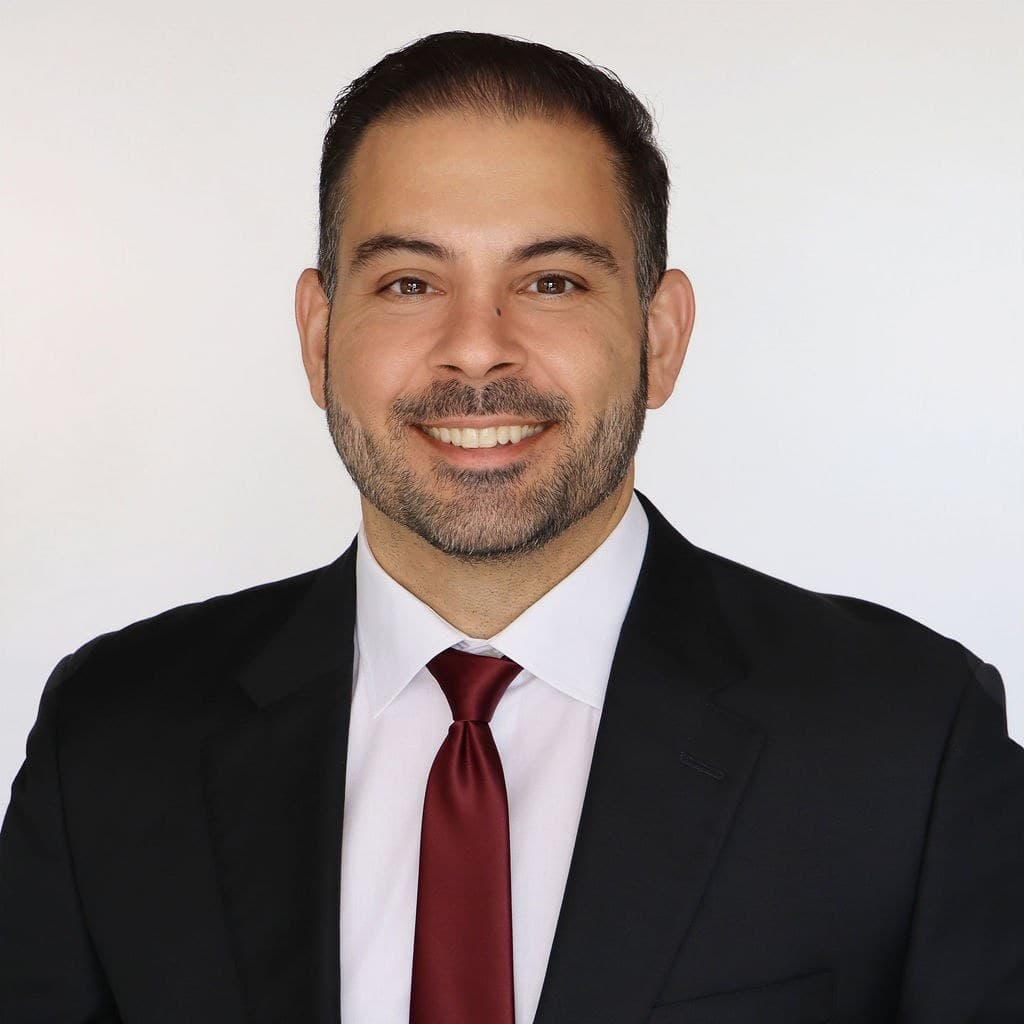
Eman Yazdchi, Esq., Certified Specialist in Workers' Compensation Law, California Board of Legal Specialization, State Bar of California.


California Board of Legal Specialization, State Bar of California
California Board of Legal Specialization, State Bar of California
- 14+
- Years of Practice
- 2,000+
- Cases handled over 14+ years
- $50M+
- Recovered over 14+ years
- 3
- Languages: English, Español, Farsi
Past results do not guarantee, warrant, or predict future cases. Each case is different and results depend on specific facts and circumstances.
Prepared by Yazdchi Law
A settlement offer can feel like both relief and pressure. You may need money now. You may also still need care. If you work near Fairfax, The Grove, Farmers Market, CBS Television City, a nearby medical campus, or one of the restaurants and shops along Beverly or Fairfax, the same question comes up fast: is this offer fair enough to close the case?
California workers' comp settlements are not priced like pain-and-suffering lawsuits. They are built from the medical record. The main parts are your permanent disability rating, your age, your job duties, whether the doctor says part of the disability came from something outside work, and what future medical care may cost. A judge at the Workers' Compensation Appeals Board must approve the final papers.
For Fairfax workers, the case usually runs through WCAB Los Angeles. The local facts still matter. A stockroom worker lifting boxes at The Grove may have a different rating issue than a CBS set worker with knee damage, a Farmers Market restaurant worker with a burn and shoulder injury, or a Cedars-Sinai-adjacent service worker with a back claim from patient transport. The settlement paper may look standard. The value behind it is not.
Do you have a case in Fairfax?
If your Fairfax job caused or worsened an injury, you may have a workers' comp claim that can later settle.
You do not need a dramatic accident to have a claim. A case may start with one fall, one bad lift, a cart crash, a kitchen burn, or a motor vehicle injury while working. It may also start with months of repeated lifting, standing, bending, typing, reaching, or moving equipment.
Tell your employer in writing as soon as you can. Ask for the DWC-1 claim form. Then get medical care and tell the doctor how work caused the injury. Those first records matter later, because settlement value comes from the medical record. A report that clearly links your injury to work is much stronger than a vague note that says only "pain."
A settlement usually comes after your condition reaches a stable point. That does not mean you are fully healed. It means the doctor can rate your lasting limits and describe future care. For a Fairfax worker, that may mean a permanent lifting limit, a need for injections, possible surgery, or work restrictions that make the old job hard to keep.
How much is a Fairfax workers' comp claim worth?
There is no set Fairfax number. Statewide ranges depend on rating, work duties, age, future care, and disputed medical issues.
Be careful with any quick number. No lawyer can price a California workers' comp settlement honestly without the medical reports, wage facts, job duties, and rating issues. A settlement is not based on the name of the neighborhood. It is based on the proof.
The permanent disability rating is one major piece. A higher rating usually means more disability payments. But that is only part of the picture. Future medical care can be just as important. A shoulder case with possible surgery may settle differently than a shoulder case that needs only home exercises. A back case with injections and possible surgery may carry more future medical value than a strain that resolved with therapy.
These statewide ranges are only a reference point. They are not tied to Fairfax, Los Angeles, or any person's claim.
| Injury severity | Typical or common PD or settlement issue | Approximate statewide range |
|---|---|---|
| Minor strain, burn, or sprain with short treatment | Low or no permanent disability; treatment mostly complete | $2,000 to $15,000 |
| Moderate back, shoulder, knee, wrist, or hand injury | Permanent restrictions, therapy, injections, or disputed rating | $15,000 to $75,000 |
| Surgical orthopedic injury | Higher rating, future medical reserve, possible work limits | $50,000 to $200,000+ |
| Severe multi-body-part or life-changing injury | High rating, major future care, Medicare issues, possible life pension | $200,000 to $1,000,000+ |
These are general California ranges, not a prediction. Your actual award depends on your disability rating, age, occupation, and future medical care. Past results do not guarantee future outcomes.
For Fairfax workers, job duties often change the rating fight. A restaurant worker who lifts stock and works on wet floors has a different occupational picture than an office worker near Beverly Boulevard. A studio worker who pushes gear, climbs, or works long set days has different body stress than a cashier. The rating should match the real job, not a generic job title.
Compromise & Release vs Stipulated Award
A Compromise and Release usually closes the claim for one payment. A Stipulated Award keeps medical care open.
A Compromise and Release is the clean-break settlement. The insurance company pays one lump sum. In exchange, you usually close the right to more workers' comp payments and future medical care for that injury. This can make sense when the medical picture is stable, the future care number is fair, and you want to end the claim.
A Stipulated Award works differently. You and the insurance company agree on the disability rating. You receive permanent disability payments over time. Future medical care for the accepted injury stays open. This may fit a worker who still needs injections, therapy, medication, or a possible surgery.
Labor Code section 5001 says: "No release of liability or compromise agreement is valid unless it is approved by the appeals board or referee."
That judge review is important. It is one reason the settlement papers should explain the rating, the body parts, attorney fees, prior payments, liens, and future medical terms. If the papers leave out a major issue, approval can slow down.
What changes your settlement value?
The biggest changes usually come from the rating, future medical care, apportionment, wages, and whether all injured body parts are included.
The first issue is the rating. The doctor's impairment number is adjusted for age and occupation. Heavy work can affect the rating differently than light work. That is why the real duties matter. A job title like "associate" or "assistant" may hide lifting, cleaning, stocking, security, transport, or setup work.
The second issue is future medical care. A case with open surgery risk is not the same as a case with no future care. The settlement should account for likely treatment, not only past bills. It should also account for whether the insurance company has accepted or disputed the body part.
The third issue is apportionment. That means the insurer argues that some disability came from age, an old injury, or a non-work condition. The doctor must explain the split. A bare guess should be challenged. In Fairfax cases, this often appears in back, knee, shoulder, wrist, and cumulative trauma claims.
The fourth issue is timing. If you settle too early, the future medical picture may be unclear. If you wait too long without moving the case, bills and wage pressure can build. The right timing depends on the medical record and your needs.
What about Medicare?
If Medicare has an interest, settlement must protect future work-injury care so Medicare is not billed first.
Medicare matters most in serious cases, older-worker cases, and cases where the worker receives or may soon receive Medicare. A Medicare Set-Aside is money allocated for future treatment tied to the work injury. It is meant to pay for that care before Medicare pays.
Not every Fairfax settlement needs a formal set-aside. But the issue should be checked before a Compromise and Release closes medical care. It can affect the settlement amount, the wording of the papers, and how future care is paid. Ignoring it can create trouble after the case is already closed.
How do attorney fees work?
California workers' comp attorney fees are set by the judge, paid from the recovery, and usually run 12 to 15 percent.
You do not pay hourly fees to start a workers' comp case with Yazdchi Law. In California workers' comp, the judge reviews and approves the attorney fee. The common range is 12 to 15 percent of the recovery, depending on the case and the work performed.
That fee structure matters because it lets injured workers get help without paying a retainer. Eman Yazdchi is a Certified Specialist in Workers' Compensation Law, certified by the California Board of Legal Specialization, State Bar of California, CA Bar #285231. A free review can help you understand the offer, the settlement type, and the risks before you sign. Call (661) 273-1780.
Results in cases like this
Every case is different. Past results do not guarantee, warrant, or predict a similar outcome.
$5,000,000
Catastrophic spinal cord injury
$1,500,000
Cervical spine injury
$425,000
Slip and fall accident
Find Out What Your Fairfax Case May Be Worth
Two minutes. No fee unless we win; costs may apply.
Question 1 of 5
What type of injury do you have?
Not ready to fill this out? Just call (661) 273-1780 and we’ll ask the same questions by phone.
Free Consultation
Call or send the short form. We review your case, explain your rights, and outline your options. Free, no obligation.
We Build Your Case
We gather medical evidence, handle the insurance company, and file all the workers' comp court (WCAB) paperwork for you.
We Pursue Every Benefit
Medical care, lost wages, and permanent disability benefits. No fee unless we win your case; costs may apply.
What should Fairfax workers know locally?
Fairfax claims usually run through WCAB Los Angeles, with local work patterns from retail, food service, studio, healthcare, and property work.
Fairfax is a dense work area. The injury facts often come from retail shifts at The Grove, food service at Farmers Market, studio and production work near CBS Television City, security and parking work, building maintenance, delivery routes, and healthcare-adjacent service jobs near Cedars-Sinai. Many workers hold more than one job. That can affect wage proof and return-to-work choices.
WCAB Los Angeles handles Fairfax settlement approval. The hearing may involve a Mandatory Settlement Conference, a signed Compromise and Release, or Stipulations with Request for Award. The judge looks for enough information to decide whether the settlement is adequate under the workers' comp record.
Local details should be plain in the file. If you lifted boxes above shoulder height, moved carts through crowded aisles, carried trays, worked long production days, cleaned rooms, or handled patients or equipment, the rating doctor should know that. The settlement number can suffer when the job is described too lightly.
Yazdchi Law represents injured workers across Los Angeles County and appears in workers' comp matters before WCAB Los Angeles. The office can review a Fairfax settlement offer, explain the difference between cashing out and keeping medical open, and help you decide what questions to ask before signing.
Injured at work in Fairfax? Talk it through for free.
Most claims must be filed within one year under Labor Code section 5405. A free call tells you where your clock stands.
Frequently Asked Questions
Can I settle my Fairfax workers' comp case before I am fully healed?
Does a judge have to approve my settlement?
What is the difference between a lump sum and keeping medical open?
Can the insurer blame part of my injury on age or an old condition?
Where are Fairfax workers' comp settlements handled?
How long does settlement approval take?
Do I pay Eman Yazdchi up front?
Should I sign the offer the adjuster sent me?
Free case evaluation
Get your free Fairfax case evaluation
Three fields. We respond within one business day.
Talk to a Certified Specialist
Certified Specialist in Workers' Compensation Law, California Board of Legal Specialization, State Bar of California.
Takes 30 seconds. No obligation.
Very thankful for everything they did for us. Always responsive, reassured us every step of the way and obtained a great result.
Eman by far exceeds the basic requirements other lawyers give to clients and surpasses all expectations.
Client testimonials. Testimonials are not a guarantee, warranty, or prediction of the outcome of your case.