
Florence Firestone, California · Workers' Compensation
Florence-Firestone Workers' Comp Settlement Lawyer
Hurt at work in Florence Firestone? Workers' comp pays for medical care and part of your lost pay while you heal. A free call tells you where you stand.
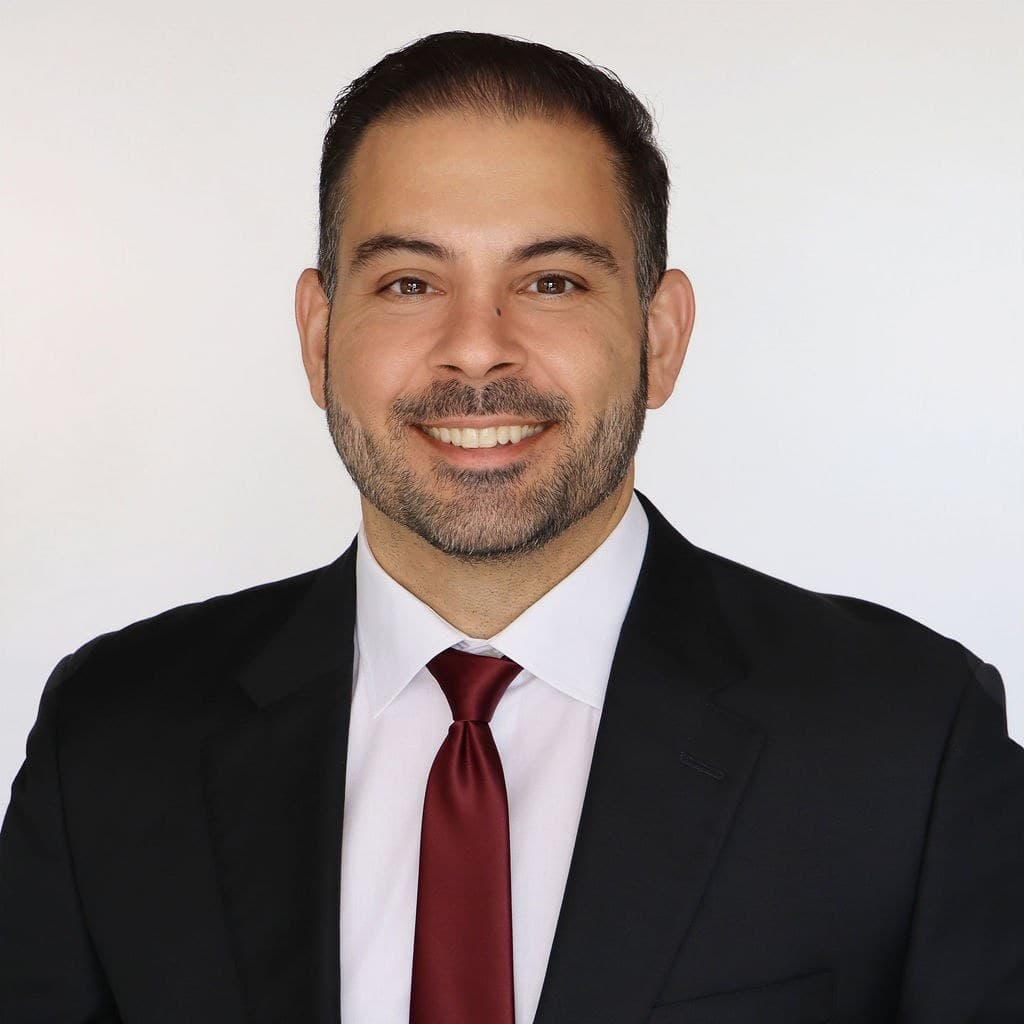
Eman Yazdchi, Esq., Certified Specialist in Workers' Compensation Law, California Board of Legal Specialization, State Bar of California.


California Board of Legal Specialization, State Bar of California
California Board of Legal Specialization, State Bar of California
- 14+
- Years of Practice
- 2,000+
- Cases handled over 14+ years
- $50M+
- Recovered over 14+ years
- 3
- Languages: English, Español, Farsi
Past results do not guarantee, warrant, or predict future cases. Each case is different and results depend on specific facts and circumstances.
Prepared by Yazdchi Law
A settlement can feel like the first clear number after months of pain, missed shifts, and calls from the insurance adjuster. It is also a moment to slow down. Once a paper is signed and approved, some rights may close for good.
For Florence-Firestone workers, the value usually comes from three places. The first is permanent disability, which is the lasting damage after treatment levels off. The second is future medical care, especially if injections, surgery, therapy, or pain care may continue. The third is the risk in the case, such as a fight over whether the job caused all of the injury.
Most local claims are heard at WCAB Los Angeles. That includes workers hurt in Slauson corridor warehouses, garment shops, light-industrial yards, Pacific Boulevard retail jobs, food service, delivery routes, and building maintenance. A settlement should match the real work you did and the care you may still need.
This page explains the two settlement paths in plain English. It also gives statewide general ranges, not a forecast for any one person. A short call can help you understand what records matter before you agree to close a claim.
Do you have a case in Florence-Firestone?
You may have a case if work in Florence-Firestone caused an injury, made one worse, or built damage over time.
California workers' comp covers more than one sudden accident. A fall from a loading dock can count. So can months of lifting boxes, sewing at a fast pace, pushing carts, stocking shelves, or cleaning buildings on the same route every day. The key question is whether the job helped cause the medical problem.
You do not need to prove fault. You also do not need perfect paperwork on day one. But you should tell a supervisor in writing, ask for a DWC-1 claim form, and make sure each doctor knows the injury came from work. That record can matter later when the insurance company values the settlement.
A claim can still be real even if you had pain before. Many workers in Florence-Firestone already have sore backs, knees, shoulders, or hands before one bad shift makes everything worse. The insurer may argue that old wear should reduce the award. That is a medical and legal fight, not a reason to give up.
How much is a Florence-Firestone workers' comp claim worth?
There is no fixed price. California settlement value turns on ratings, future care, wages, job demands, and disputed medical issues.
The honest answer is that a settlement is built from records, not from a city name. A warehouse worker with a shoulder surgery, a cashier with wrist numbness, and a driver with a low-back injury may all live near the same streets. Their numbers can be very different.
Permanent disability is the starting point for many settlements. A doctor describes the lasting loss. The rating schedule then adjusts that medical loss for age and occupation. Heavy work can affect the rating differently than desk work. That final rating helps set the permanent disability payments under the state schedule.
Future medical care can be just as important. A Compromise and Release usually pays one lump sum and closes future treatment for the settled body parts. If the estimate leaves out a likely surgery, pain program, brace, imaging, or medication plan, the paper may look larger than it really is.
Use the table only as background. It shows broad statewide patterns seen in California comp cases. It is not tied to Florence-Firestone, WCAB Los Angeles, or any reader's facts.
| Injury severity | Typical or common PD or settlement issue | Approximate statewide range |
|---|---|---|
| Minor strain or sprain with full return to work | Low or no permanent disability, limited future care | $2,000 to $15,000 |
| Moderate back, shoulder, knee, wrist, or hand injury | Some permanent disability, therapy, injections, or work limits | $15,000 to $60,000 |
| Surgery or strong work restrictions | Higher rating, disputed future medical, possible voucher issues | $60,000 to $150,000 |
| Severe injury with major limits or multiple body parts | High rating, long-term care, Medicare review may matter | $150,000 and higher |
These are general California ranges, not a prediction. Your actual award depends on your disability rating, age, occupation, and future medical care. Past results do not guarantee future outcomes.
Compromise & Release vs Stipulated Award
A Compromise and Release usually closes the claim for a lump sum. A Stipulated Award keeps medical care open.
These are the two common ways California workers' comp cases settle. A Compromise and Release, often called a C&R, is a full buyout. The insurer pays a lump sum. In exchange, the injured worker usually gives up future medical care for the body parts listed in the agreement.
A Stipulated Award is different. The parties agree on the permanent disability rating. Payments are made over time, and medical care for the accepted injury stays open. This can fit a worker who still needs treatment and does not want to trade that care for cash today.
Labor Code section 5001 says: "No release of liability or compromise agreement is valid unless it is approved by the appeals board or referee."
That judge approval matters. A private deal is not enough. The papers go to the Workers' Compensation Appeals Board, and the judge reviews whether the settlement is adequate. At WCAB Los Angeles, missing medical reports, unclear body parts, or unresolved liens can slow approval.
Neither structure is right for every worker. A garment worker with a settled wrist injury may want closure. A warehouse worker facing possible back surgery may need open medical care more than a fast lump sum. The choice should come after the medical future is understood.
What changes your settlement value?
Value changes when the rating, job class, age, future treatment, wage history, or medical dispute changes in the records.
The rating is only one part of the settlement. The doctor must explain permanent work limits, pain, loss of motion, grip loss, nerve problems, or other lasting damage. A weak report can lower value because the rating starts from that medical description.
Occupation also matters. Florence-Firestone workers often do physical work: lifting pallets near Slauson, standing through retail shifts on Pacific Boulevard, loading delivery vans, sewing piece-work, or cleaning large sites. The rating system accounts for job demands. A small medical loss can carry more weight when the old job was hard on the injured body part.
Apportionment is another common issue. That means the insurer tries to divide disability between work causes and non-work causes. Old injuries, arthritis, and age are common arguments. The doctor has to explain the split in a reasoned way. A bare guess should not drive a settlement.
Other items can move the number too. Temporary disability that was underpaid, a delayed treatment dispute, a retraining voucher, liens, missed mileage, and future medical estimates may all matter. Settlement value is the sum of those moving parts, minus the real risks in the case.
What about Medicare?
Medicare matters when a settlement closes future medical care and the worker is on Medicare or may soon qualify.
Medicare does not want a workers' comp insurer to shift future injury care onto the federal program. In larger settlements, or when a worker already receives Medicare, the parties may need to consider a Medicare Set-Aside. That is money set aside for future treatment tied to the work injury.
Not every case needs the same Medicare review. A young worker with a small finger injury is different from an older worker with a back surgery and ongoing pain care. The issue becomes more serious when future medical is being closed through a C&R.
If Medicare is ignored, payment problems can show up after settlement. The worker may think the case is over, then learn that a doctor visit or medication is being questioned. That is why Medicare is reviewed before the release is signed, not after the check is spent.
How do attorney fees work?
California workers' comp attorney fees are set by the judge and are usually a percentage of the recovery.
In California workers' comp, attorney fees are not billed by the hour in the usual way. The WCAB judge reviews and approves the fee. In many cases, the fee is about 12 to 15 percent of the settlement or award, depending on the work done and the result.
The fee comes out of the approved recovery. The settlement papers list it, and the judge can review whether it is reasonable. This gives injured workers access to counsel without paying a large retainer up front.
Eman Yazdchi is a Certified Specialist in Workers' Compensation Law certified by the California Board of Legal Specialization, State Bar of California. His review looks at the rating, medical future, settlement structure, liens, and whether the papers match what the worker is giving up. Call (661) 273-1780 to talk through a Florence-Firestone settlement question.
Results in cases like this
Every case is different. Past results do not guarantee, warrant, or predict a similar outcome.
$5,000,000
Catastrophic spinal cord injury
$1,500,000
Cervical spine injury
$425,000
Slip and fall accident
Find Out What Your Florence Firestone Case May Be Worth
Two minutes. No fee unless we win; costs may apply.
Question 1 of 5
What type of injury do you have?
Not ready to fill this out? Just call (661) 273-1780 and we’ll ask the same questions by phone.
Free Consultation
Call or send the short form. We review your case, explain your rights, and outline your options. Free, no obligation.
We Build Your Case
We gather medical evidence, handle the insurance company, and file all the workers' comp court (WCAB) paperwork for you.
We Pursue Every Benefit
Medical care, lost wages, and permanent disability benefits. No fee unless we win your case; costs may apply.
How do Florence-Firestone settlement papers move at WCAB Los Angeles?
Florence-Firestone claims are handled at WCAB Los Angeles, where judges review settlement adequacy before approval.
Florence-Firestone is part of the South Los Angeles industrial corridor. Claims often come from warehouses near Slauson Avenue, garment and light-manufacturing work, retail along Pacific Boulevard, food service, delivery, maintenance, and health support jobs. Those details are not decoration. They help show how the work was done and why the injury affected earning ability.
At WCAB Los Angeles, settlement may be discussed at a Mandatory Settlement Conference, after a QME report, or once the treating doctor says the condition has become permanent and stationary. The timing depends on the medical record. A rushed settlement before the injury is stable can miss future care.
Local workers should keep copies of work restrictions, pay stubs, mileage logs, treatment denials, and messages from the adjuster. Those records can help show unpaid benefits or future care needs. They also help explain the job in real terms, not just a title on a form.
Yazdchi Law appears at WCAB Los Angeles on South LA workers' comp matters. The goal of the review is practical: understand what is being closed, what remains open, and whether the number reflects the medical evidence.
Injured at work in Florence Firestone? Talk it through for free.
Most claims must be filed within one year under Labor Code section 5405. A free call tells you where your clock stands.
Frequently Asked Questions
Can I settle a Florence-Firestone workers' comp case before I finish treatment?
Does a judge have to approve a Compromise and Release?
What is the difference between a C&R and a Stipulated Award?
Are the dollar ranges on this page Florence-Firestone settlement values?
Can old injuries lower a workers' comp settlement?
What happens if Medicare is involved?
How long does WCAB Los Angeles approval take?
Who can review my Florence-Firestone settlement papers?
Free case evaluation
Get your free Florence Firestone case evaluation
Three fields. We respond within one business day.
Talk to a Certified Specialist
Certified Specialist in Workers' Compensation Law, California Board of Legal Specialization, State Bar of California.
Takes 30 seconds. No obligation.
Eman by far exceeds the basic requirements other lawyers give to clients and surpasses all expectations.
Eman really knows his stuff and we were very pleased with our end result.
Client testimonials. Testimonials are not a guarantee, warranty, or prediction of the outcome of your case.