
Florence Graham, California · Workers' Compensation
Florence-Graham Workers' Comp Claim Denied Lawyer
Hurt at work in Florence Graham? Workers' comp pays for medical care and part of your lost pay while you heal. A free call tells you where you stand.
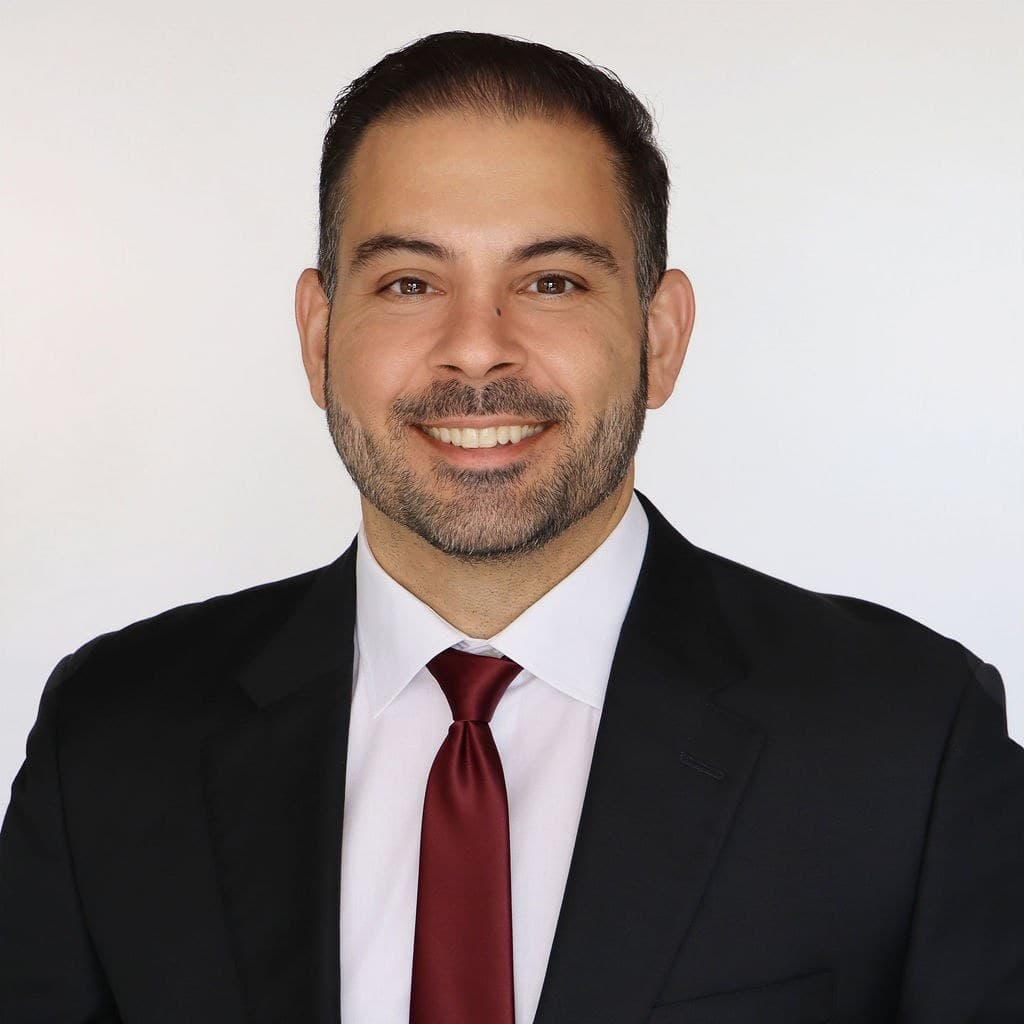
Eman Yazdchi, Esq., Certified Specialist in Workers' Compensation Law, California Board of Legal Specialization, State Bar of California.


California Board of Legal Specialization, State Bar of California
California Board of Legal Specialization, State Bar of California
- 14+
- Years of Practice
- 2,000+
- Cases handled over 14+ years
- $50M+
- Recovered over 14+ years
- 3
- Languages: English, Español, Farsi
Past results do not guarantee, warrant, or predict future cases. Each case is different and results depend on specific facts and circumstances.
Prepared by Yazdchi Law
A denial letter can feel like a door closing. It is not. It is one insurance decision, and you can answer it. If you work near Florence Avenue, Firestone Boulevard, the Alameda Corridor, Vernon, Huntington Park, Walnut Park, South Gate, or Cudahy, your claim still has a path forward at the Los Angeles WCAB.
Start with the date. California gives the insurer a 90-day window after it gets your DWC-1 claim form. If it waits too long, your injury may be presumed covered. During that same early window, the carrier can owe up to $10,000 in medical care while it checks the claim. That can matter when your back, shoulder, knee, hand, or lungs need care now.
Many Florence-Graham denials come from hard local work. Warehouse pickers get told their back pain is old. Garment workers get told hand numbness is not from sewing. Food line workers get told shoulder pain is just age. Drivers and forklift workers get told a fall or crush injury did not happen at work. Those words hurt, but they are not the final ruling.
Eman Yazdchi is a Certified Specialist in Workers' Compensation Law, certified by the California Board of Legal Specialization, State Bar of California. He handles denied claims at the Los Angeles WCAB. For a free review, call (661) 273-1780. Bring the denial letter, the DWC-1, work notes, and any doctor papers you have.
What should you do after a Florence-Graham claim denial?
Read the denial date, save every paper, get medical care, and open the WCAB case before the insurer's version becomes the only story.
Do not argue with the adjuster by phone and stop there. Put the claim on a real track. Save the envelope, denial letter, claim form, text messages, witness names, wage stubs, and doctor notes. If you gave notice in Spanish, by text, or through a lead, save that proof too.
The next step is often an Application for Adjudication of Claim. That filing opens the case at the Workers' Compensation Appeals Board. It lets the court set hearings, order medical evidence, and decide if the denial was wrong. You do not have to prove the whole case on day one. You need to protect the record and the dates.
If you are still hurting, keep asking for care. Do not let a denial letter scare you away from treatment. Tell each doctor how the injury happened, what job tasks caused it, and when you first reported it. Clear notes help fix the damage a denial can do.
How does the 90-day rule help denied workers?
After the claim form is filed, the insurer normally has 90 days to accept or deny. A late denial can lose major defenses.
The 90-day rule is one of the first things we check. We compare the date you gave the DWC-1 to the employer with the date on the denial. If the carrier waited too long, the law can presume the injury is covered. The insurer may still try to fight, but its defenses get much narrower.
This is why small facts matter. A photo of the claim form, a supervisor text, or a witness who saw you hand it in can change the case. Florence-Graham workers often report injuries through a lead, dispatcher, foreman, or office clerk. We work to prove when the employer really had notice.
Labor Code §5402(c): "Within one working day after an employee files a claim form, the employer shall authorize the provision of all treatment, consistent with Section 5307.27 or the American College of Occupational and Environmental Medicine's Occupational Medicine Practice Guidelines, for the alleged injury and shall continue to provide the treatment until the date that liability for the claim is accepted or rejected. Until the date the claim is accepted or rejected, liability for medical treatment shall be limited to ten thousand dollars ($10,000)."
That quote means early medical care matters even before the final answer. The carrier should not leave you with no care while it investigates. If it refused all treatment, that fact can support pressure at the WCAB.
Why do insurers deny Florence-Graham work claims?
Most denials blame timing, old injuries, unclear witness proof, or medical records that do not explain how work caused the harm.
A denial is often built from a thin file. The adjuster may have no witness statement, no job description, and no full medical history. Then the denial letter uses phrases like not work-related, late reported, preexisting condition, or no medical proof. Those phrases sound final. They are often only the start of the dispute.
Local jobs create denial patterns. A garment worker near Florence Avenue may have years of hand pain before a doctor names work as the cause. A warehouse worker near Alameda Street may have an old MRI, so the carrier blames age. A food plant worker in Vernon may report to a lead first, not human resources. A small shop employee may fear losing hours and wait to speak up.
None of those facts ends the claim by itself. The answer is evidence. We line up the job tasks, work pace, lifting weights, machine use, shift length, witness names, first report, and doctor notes. Then we ask the right doctor to decide whether the injury arose out of and happened in the course of work.
| Denial issue | What it means | First response | Key law |
|---|---|---|---|
| Late claim decision | The carrier waited past the normal decision window | Build the DWC-1 date proof | §5402 |
| No early medical care | The carrier refused care during investigation | Request payment for covered early treatment | §5402(c) |
| UR treatment denial | A requested treatment was denied, delayed, or changed | File IMR within 30 days | §4610.5 |
| IMR result | The outside review decided medical need | Check narrow grounds for WCAB review | §4610.6 |
| Disputed cause | The insurer says work did not cause the injury | Request a QME medical evaluation | §4060 |
What if treatment was denied by UR or IMR?
A treatment denial is different from a claim denial. UR and IMR focus on medical need, so the written record must be strong.
Sometimes the carrier accepts the injury but denies the care. This is a treatment fight. It may involve surgery, therapy, injections, a brace, medicine, home health, or a test. The request goes through Utilization Review, often called UR. UR checks the doctor's request against treatment rules.
If UR denies, changes, or delays care, you usually have 30 days to ask for Independent Medical Review. IMR is mostly a paper review. There is no friendly talk with a judge where you explain the pain. The reviewer reads the records. That is why the doctor's request must say what failed, what the exam shows, why the treatment is needed, and how it fits the guides.
After IMR, the result is hard to undo. WCAB review is narrow. It may involve fraud, conflict, clear fact error, or a plainly wrong stated fact. So the most useful work happens before IMR is sent. We help the treating doctor fill gaps and make the file easier to understand.
How do you fight a full claim denial?
You prove notice, job duties, medical cause, wage loss, and treatment need. Then you push the case toward hearing or settlement.
A full denial says the whole injury is not covered. The insurer may say it happened away from work. It may say you waited too long. It may say your pain comes from age, diabetes, arthritis, a prior crash, or home activity. The way back is a clean record.
First, we open the WCAB case. Second, we request the right medical-legal process. In a denied injury case, a Qualified Medical Evaluator can examine you and decide work cause. Third, we gather proof from the job site. That may include video, time cards, route sheets, machine logs, lift records, incident reports, and witness statements.
We also check wage loss. If the denial kept you off work with no checks, temporary disability may be owed if the injury is found covered. If treatment was delayed without a good reason, penalties may be possible. No lawyer can promise a result. A careful record gives the judge a fair way to decide.
What can you do today?
Make a simple packet: denial letter, claim form, medical notes, job proof, witness names, and your timeline. Then get legal help fast.
Write a short timeline while it is fresh. Include the injury date, who you told, what they said, where you treated, when work restrictions started, and when the denial arrived. Use plain words. A clear timeline is better than a long, angry letter.
Do not sign a resignation, release, or settlement paper because you feel stuck. Do not quit medical care because the carrier said no. Do not miss a 30-day IMR deadline on a treatment denial. If you are unsure what kind of denial you have, call and read the letter to us.
For Florence-Graham workers, the case usually runs through WCAB Los Angeles at 320 West 4th Street. Eman Yazdchi can review the denial, name the deadline, and explain the next step. Call (661) 273-1780.
Results in cases like this
Every case is different. Past results do not guarantee, warrant, or predict a similar outcome.
$5,000,000
Catastrophic spinal cord injury
$1,500,000
Cervical spine injury
$425,000
Slip and fall accident
Find Out What Your Florence Graham Case May Be Worth
Two minutes. No fee unless we win; costs may apply.
Question 1 of 5
What type of injury do you have?
Not ready to fill this out? Just call (661) 273-1780 and we’ll ask the same questions by phone.
Free Consultation
Call or send the short form. We review your case, explain your rights, and outline your options. Free, no obligation.
We Build Your Case
We gather medical evidence, handle the insurance company, and file all the workers' comp court (WCAB) paperwork for you.
We Pursue Every Benefit
Medical care, lost wages, and permanent disability benefits. No fee unless we win your case; costs may apply.
What is local about a Florence-Graham denied claim?
These claims are heard at WCAB Los Angeles, and the denial facts often come from South LA warehouse, garment, food, retail, and driving work.
Florence-Graham is dense, working-class, and tied to nearby industrial corridors. Many residents work in warehouses along the Alameda Corridor, food and cold storage near Vernon and South Gate, garment and sewing shops near Florence and Pacific, retail and restaurants in Huntington Park, and small service crews across South LA. The work is physical, fast, and often supervised through leads.
That local setup affects denials. A worker may report pain in Spanish to a lead, then the office later says no one knew. A driver may be hurt on a route outside the neighborhood, then the carrier questions venue. A sewing worker may have pain that built over months, not one dramatic accident. A warehouse worker may keep working light duty until the pain becomes too much.
The Los Angeles WCAB hears Florence-Graham claims at 320 West 4th Street in downtown Los Angeles. From central Florence-Graham, the trip is usually north by the 110 or surface streets. The same office hears related claims from Huntington Park, South Gate, Vernon, Watts, Walnut Park, and other Gateway communities.
Local proof can be simple but powerful. Keep photos of your station, texts from leads, pay stubs, route notes, delivery logs, clock-in records, and clinic paperwork. If a coworker saw the injury or heard your report, save the name and phone number. These details help turn a denial letter into a case the judge can understand.
About Eman Yazdchi
Eman Yazdchi is a Certified Specialist in Workers' Compensation Law, certified by the California Board of Legal Specialization, State Bar of California. His California Bar number is 285231. Yazdchi Law represents injured workers in denied claim, UR, IMR, QME, hearing, and settlement disputes. Call (661) 273-1780 for a free review.
Injured at work in Florence Graham? Talk it through for free.
Most claims must be filed within one year under Labor Code section 5405. A free call tells you where your clock stands.
Frequently Asked Questions
Is my Florence-Graham workers' comp claim over if it was denied?
No. A denial is an insurance decision, not the final word. You may still open a WCAB case, request a medical-legal exam, fix the medical record, and ask a judge to decide coverage. Save the denial letter and call (661) 273-1780 quickly.
What is the 90-day rule after I file the DWC-1?
After the employer gets your claim form, the carrier normally has 90 days to accept or deny the claim. If it misses that window, your injury may be presumed covered. The key proof is the date the claim form was given to the employer and the date the denial was served.
Can I get medical care while the insurer investigates?
Often, yes. California law can require up to $10,000 in medical care during the early investigation period. This care can include needed visits, tests, therapy, and other treatment tied to the claimed injury. Keep every bill and treatment note.
Why did the insurer say my injury was not work-related?
Common reasons include late reporting, old medical records, no witness statement, unclear job duties, or a doctor note that does not explain work cause. These problems can often be answered with better proof, a full job history, and the right medical-legal report.
What is the difference between a claim denial and a treatment denial?
A claim denial says the whole injury is not covered. A treatment denial says a certain medical request is not approved, even if the injury itself is accepted. Claim denials usually go through the WCAB. Treatment denials often go through UR and then IMR.
How long do I have to appeal a UR denial?
You usually have 30 days to request Independent Medical Review after a UR denial, delay, or change. Do not wait for the pain to get worse. IMR is based on papers, so your doctor's request and records need to explain the need for care clearly.
Where are Florence-Graham denied claims heard?
Florence-Graham workers' comp disputes are usually heard at WCAB Los Angeles, 320 West 4th Street, downtown. That office also handles many claims from Huntington Park, South Gate, Vernon, Watts, Walnut Park, and nearby South LA communities.
Can I file if I am undocumented or was paid in cash?
Yes. California workers' comp protects employees regardless of immigration status. Cash pay can make wage proof harder, but it does not erase the claim. Save pay texts, bank records, schedules, coworker names, and anything that shows the hours you worked.
Free case evaluation
Get your free Florence Graham case evaluation
Three fields. We respond within one business day.
Talk to a Certified Specialist
Certified Specialist in Workers' Compensation Law, California Board of Legal Specialization, State Bar of California.
Takes 30 seconds. No obligation.
Eman by far exceeds the basic requirements other lawyers give to clients and surpasses all expectations.
Eman really knows his stuff and we were very pleased with our end result.
Client testimonials. Testimonials are not a guarantee, warranty, or prediction of the outcome of your case.