
Fullerton, California · Workers' Compensation
Workers' Compensation Settlement Lawyer in Fullerton, California
Hurt at work in Fullerton? Workers' comp pays for medical care and part of your lost pay while you heal. A free call tells you where you stand.
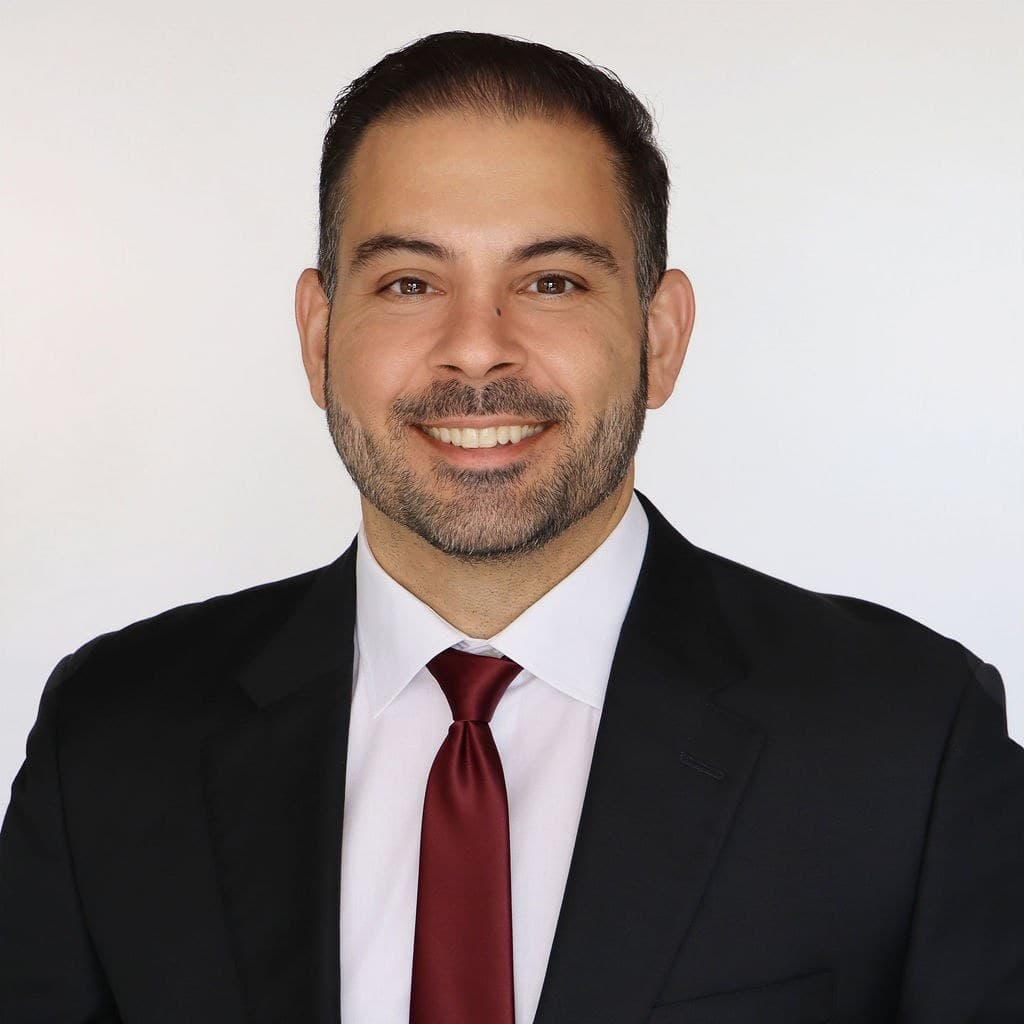
Eman Yazdchi, Esq., Certified Specialist in Workers' Compensation Law, California Board of Legal Specialization, State Bar of California.


California Board of Legal Specialization, State Bar of California
California Board of Legal Specialization, State Bar of California
- 14+
- Years of Practice
- 2,000+
- Cases handled over 14+ years
- $50M+
- Recovered over 14+ years
- 3
- Languages: English, Español, Farsi
Past results do not guarantee, warrant, or predict future cases. Each case is different and results depend on specific facts and circumstances.
Prepared by Yazdchi Law
A settlement offer can look simple on paper. It is rarely simple in real life. You may still hurt. You may be unsure about your job. You may not know whether future care is included.
Fullerton claims can come from many work settings. St. Jude Medical Center, Cal State Fullerton, Fullerton College, school sites, downtown restaurants, Beach Boulevard stores, and light manufacturing jobs all create different proof. The job facts should be clear before settlement.
A workers' comp settlement is built from medical reports. The key parts are permanent disability, future medical care, wages, job duties, unpaid benefits, and any dispute about non-work causes.
The form also matters. A Compromise and Release usually closes the claim for a lump sum. A Stipulated Award usually keeps medical care open and pays disability under an award.
Do you have a case in Fullerton?
You may have a workers' comp claim if Fullerton job duties caused, worsened, or sped up an injury or condition.
California workers' comp is not based on fault. A claim can start from one event, like a fall in a kitchen, campus building, hospital unit, or warehouse aisle. It can also start from repeated work, such as lifting patients, carrying trays, stocking supplies, typing, driving, cleaning, or using tools day after day.
Fullerton workers often come from healthcare, education, restaurant and bar work, public schools, light manufacturing, maintenance, delivery driving, and retail. Each setting leaves a different paper trail. For a hospital worker, the chart and incident report may matter most. For a downtown hospitality worker, witness names and shift schedules may help. For a campus or school employee, work restrictions and job descriptions can be important.
If you have not filed yet, report the injury in writing and ask for a DWC-1 claim form. Keep every medical note and benefit letter. A settlement cannot be valued well if the file is missing the reports that explain diagnosis, work limits, and future care.
How much is a Fullerton workers' comp claim worth?
Settlement value is not a single city number. It depends on disability rating, future care, wages, job demands, and disputes.
Start with the open benefits. Permanent disability is often the center. Future medical care can be just as important. The file may also include unpaid wage checks, mileage, a job voucher, penalties, or lien issues.
For most recent injuries, a doctor gives an impairment number after the condition is stable. That number is adjusted for age and job type. Then it becomes a disability percent and payment schedule. Heavy work can rate differently from light work.
The insurance company may also argue apportionment. That means it wants to blame part of the disability on old injuries, arthritis, or another cause. The doctor should explain any split with real medical reasons. A vague note about wear and tear is not enough.
| Injury severity | Typical or common PD or settlement issue | Approximate statewide range |
|---|---|---|
| Short-term strain or sprain | Little permanent disability, short treatment history | $2,000 to $15,000 |
| Orthopedic injury with therapy, imaging, or injections | Modest PD rating, future care dispute, return-to-work issue | $15,000 to $45,000 |
| Surgery or lasting work restrictions | Higher PD rating, future care value, apportionment dispute | $45,000 to $150,000 |
| Major spine, head, nerve, or multi-system injury | High PD rating, life pension or Medicare issues, costly care plan | $150,000 and up |
These are general California ranges, not a prediction. Your actual award depends on your disability rating, age, occupation, and future medical care. Past results do not guarantee future outcomes.
The table gives broad California reference points. It does not price a Fullerton claim. A final review has to compare the settlement offer with the rating report, medical history, work restrictions, likely care, wage records, and the insurer's defenses.
Compromise & Release vs Stipulated Award
A Compromise and Release trades the claim for a lump sum. A Stipulated Award leaves approved future care open.
A Compromise and Release, often called a C&R, is usually the final-close option. The insurance company pays one lump sum. In most cases, the settled body parts and future medical care close. This can make sense when the condition is stable, the rating is clear, and the worker wants control over the money and care.
A Stipulated Award is not the same kind of ending. The parties agree to a disability rating and the judge issues an award. Permanent disability is paid under that award, and future medical care remains open for the accepted injury. This can fit a worker who may need more treatment, such as injections, therapy, medication, hardware checks, or possible surgery.
Labor Code section 5001 says: "No release of liability or compromise agreement is valid unless it is approved by the appeals board or referee."
That approval step matters. Fullerton settlement files use the Long Beach WCAB venue identified for these Orange County claims. The judge reviews the settlement papers and fee before the agreement is approved.
What changes your settlement value?
The main drivers are the final medical report, disability rating, future care, wage rate, job duties, and apportionment evidence.
The final medical report is the engine of settlement value. It should identify the injured body parts, describe permanent impairment, state work limits, address future care, and explain apportionment. If the report skips a key issue, the settlement number can be distorted.
Future care is often the hardest number. A worker with one last follow-up visit is in a different position from someone who may need injections, surgery, pain management, or durable medical equipment. If a lump sum closes medical care, the future care estimate has to be treated seriously.
Fullerton job duties can affect the rating and the practical value of return-to-work limits. A nurse, food server, custodian, lab worker, campus grounds employee, and manufacturing technician do not use their bodies in the same way. A restriction that looks small on paper can be a major problem in a hands-on job.
Apportionment also changes the number. The insurer may point to old imaging, prior claims, or age-related findings. Eman Yazdchi reviews whether the medical report explains the split. He is a Certified Specialist in Workers' Compensation Law certified by the California Board of Legal Specialization, State Bar of California, and CA Bar #285231.
What about Medicare?
Medicare can affect a lump-sum settlement when future medical care closes and the worker has or may soon get Medicare.
Medicare is a settlement issue when a claim includes future medical care and the worker is on Medicare, has applied for Social Security Disability, or may become Medicare eligible soon. In those cases, the settlement may need a plan for injury-related treatment that Medicare should not pay first.
That planning is often called a Medicare Set-Aside. It can affect timing and the final structure of a Compromise and Release. It may also show that keeping medical care open through a Stipulated Award deserves a closer look.
Do not ignore Medicare paperwork. Conditional payment letters, Social Security notices, and Medicare status can all matter. A settlement that closes medical care should deal with those issues before approval, not after the check arrives.
How do attorney fees work?
Workers' comp attorney fees are reviewed by the WCAB judge and are commonly a percentage of the settlement or award.
In California workers' comp, the fee is not billed by the hour in a standard settlement claim. The judge reviews it when the settlement or award is submitted. Many fees fall in the 12 to 15 percent range, depending on the work performed and what the judge approves.
The fee is normally paid from the settlement or award. Medical treatment is handled separately. If a Compromise and Release is submitted, the judge reviews both the settlement terms and the attorney fee before signing the order.
To review a Fullerton settlement offer, call Yazdchi Law at (661) 273-1780. A focused review can check the rating, future care, Medicare issues, and whether the offer matches the medical record.
Results in cases like this
Every case is different. Past results do not guarantee, warrant, or predict a similar outcome.
$5,000,000
Catastrophic spinal cord injury
$1,500,000
Cervical spine injury
$425,000
Slip and fall accident
Find Out What Your Fullerton Case May Be Worth
Two minutes. No fee unless we win; costs may apply.
Question 1 of 5
What type of injury do you have?
Not ready to fill this out? Just call (661) 273-1780 and we’ll ask the same questions by phone.
Free Consultation
Call or send the short form. We review your case, explain your rights, and outline your options. Free, no obligation.
We Build Your Case
We gather medical evidence, handle the insurance company, and file all the workers' comp court (WCAB) paperwork for you.
We Pursue Every Benefit
Medical care, lost wages, and permanent disability benefits. No fee unless we win your case; costs may apply.
What local facts matter in a Fullerton settlement?
Fullerton work records, medical reports, job duties, and the Long Beach WCAB venue all matter in settlement review.
Fullerton claims often come from health care, schools, campuses, restaurants, retail, delivery, and light manufacturing. St. Jude Medical Center work may involve patient lifting. Cal State Fullerton, Fullerton College, and school district jobs may involve maintenance, food service, office strain, or custodial work. Downtown service jobs may involve slips, burns, lifting, and late shifts.
The correct WCAB venue identified for these Orange County settlement files is Long Beach. That is where a Fullerton Compromise and Release or Stipulated Award is reviewed in the workers' comp system.
Good records make the review cleaner. Keep emergency records, imaging, surgery notes, work status slips, benefit notices, and settlement offers in one place. If the doctor did not understand your real job, the rating may need a closer look.
Bring the offer and rating report before you sign. The review should answer a plain question. Does this settlement fit the medical record, the job, and the care you may still need?
About your attorney
Eman Yazdchi is a Certified Specialist in Workers' Compensation Law, certified by the California Board of Legal Specialization, State Bar of California. His California Bar number is 285231. Call (661) 273-1780.
Injured at work in Fullerton? Talk it through for free.
Most claims must be filed within one year under Labor Code section 5405. A free call tells you where your clock stands.
Frequently Asked Questions
Should I take a lump sum or keep medical care open?
How long does a Fullerton settlement take?
Can I settle if my claim was denied at first?
What happens to unpaid temporary disability in settlement?
Can the insurer reduce value because of an old injury?
Will I need to appear before a judge?
What should I bring to a settlement review?
Does immigration status prevent settlement?
Free case evaluation
Get your free Fullerton case evaluation
Three fields. We respond within one business day.
Talk to a Certified Specialist
Certified Specialist in Workers' Compensation Law, California Board of Legal Specialization, State Bar of California.
Takes 30 seconds. No obligation.
Eman really knows his stuff and we were very pleased with our end result.
I am glad and so very pleased...he made happen what no other attorney could do. So far he has proven his weight in gold.
Client testimonials. Testimonials are not a guarantee, warranty, or prediction of the outcome of your case.