
California · Workers' Compensation
Garment Worker Injury Lawyer in Los Angeles, California
Hurt at work? Workers' comp pays for medical care and part of your lost pay while you heal. A free call tells you where you stand.
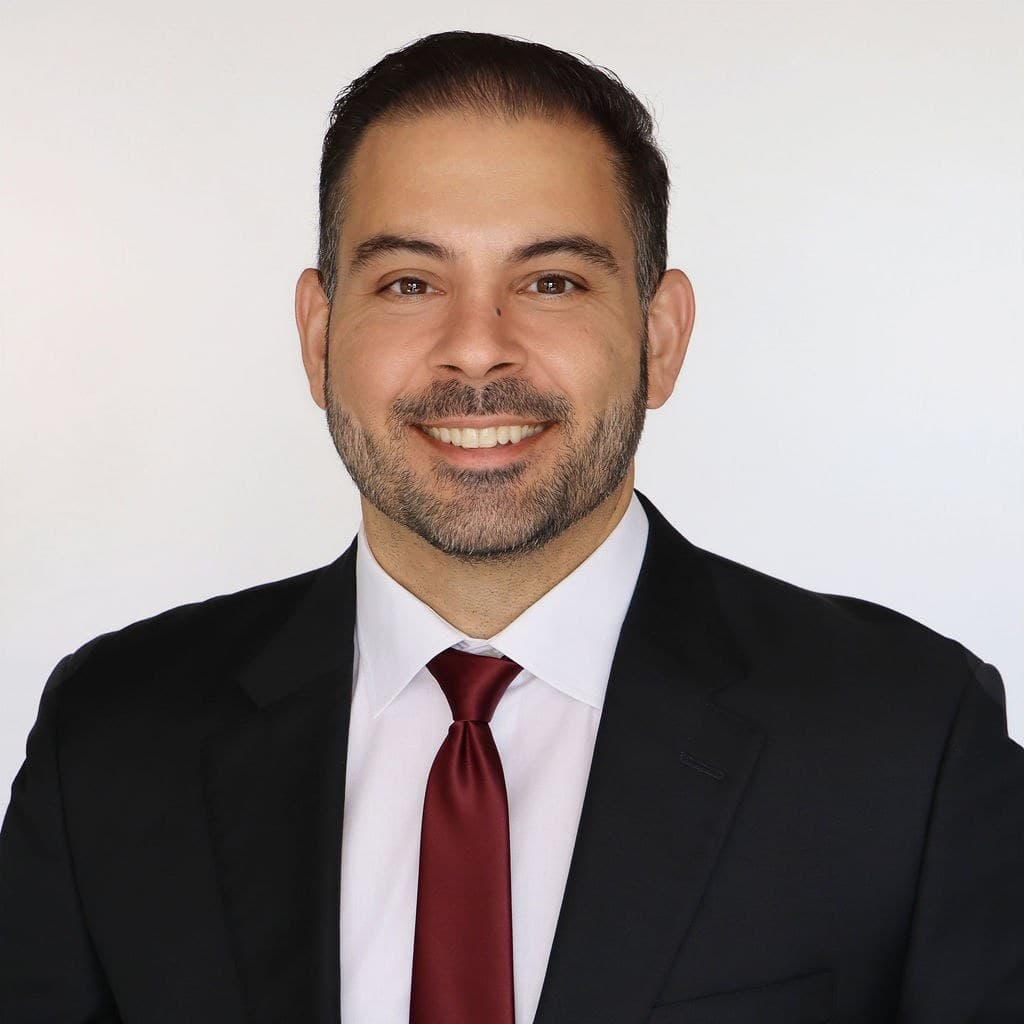
Eman Yazdchi, Esq., Certified Specialist in Workers' Compensation Law, California Board of Legal Specialization, State Bar of California.


California Board of Legal Specialization, State Bar of California
California Board of Legal Specialization, State Bar of California
- 14+
- Years of Practice
- 2,000+
- Cases handled over 14+ years
- $50M+
- Recovered over 14+ years
- 3
- Languages: English, Español, Farsi
Past results do not guarantee, warrant, or predict future cases. Each case is different and results depend on specific facts and circumstances.
Prepared by Yazdchi Law
If your hands burn after a shift in the Fashion District, or your shoulder will not lift after years at the machine, you may feel trapped. Many garment workers worry about rent, language, immigration status, and whether the shop will replace them. You still have rights.
California workers' comp can pay for doctors, therapy, surgery, wage checks while you heal, and a cash award if the injury leaves lasting damage. That can cover one accident, like a cutter laceration, and also years of repeated work, like carpal tunnel from sewing.
Start with three simple steps:
- Tell a supervisor in writing that the injury came from work.
- Ask for the DWC-1 claim form and keep a photo of it.
- Tell every doctor the truth about your job tasks, pace, and pain.
Do Los Angeles garment workers have injury claims?
Yes. Sewing, cutting, pressing, packing, and finishing injuries can qualify when the job caused one accident or years of repeated strain.
Los Angeles garment claims often come from Santee Alley, the Fashion District core near Spring, San Pedro, 7th, and 16th, and subcontractor shops near Slauson and Pico. A claim may involve a sewing-machine operator, presser, cutter, trimmer, finisher, packer, sample-room worker, or floor lead.
The law covers both one-day injuries and build-up injuries. A needle puncture, fall, steam burn, or cutter wound is a one-day injury. Wrist pain, neck pain, shoulder tears, and back problems from thousands of repeated motions can also count. California law recognizes both kinds. For a build-up injury, the rule for build-up injury dates usually starts the clock when a doctor connects the condition to your work.
What benefits can an injured LA garment worker get?
Workers' comp can pay for treatment, wage checks during recovery, and a disability award if sewing or cutting damage lasts.
You should not pay copays for care that is needed to treat a job injury. The insurer must pay for reasonable medical care under the medical treatment rule. That can include hand therapy, nerve testing, injections, imaging, surgery, medicine, and work restrictions.
If the doctor takes you off work, temporary disability usually pays two-thirds of your average weekly wage, subject to the state cap. The temporary disability time limit can allow up to 104 weeks within five years. For a garment worker paid by the piece, cash, or mixed checks, wage proof matters. Pay stubs, time cards, text schedules, bank deposits, and coworker proof can help.
After you reach maximum medical improvement, the doctor rates lasting loss. The rating rule for newer injuries uses the AMA Guides, applies a 1.4 multiplier, then adjusts for age and occupation. A sewing operator's hand use, a presser's shoulder load, and a packer's lifting can affect the final rating. The permanent disability payment schedule then turns that percentage into weeks of payments.
How much is a Los Angeles garment injury claim worth?
Value depends on the permanent rating, age, occupation, future care, and whether the insurer proves a valid non-work share.
No lawyer can name a real dollar amount from a short call. The value depends on medical proof. It also depends on whether you can return to sewing, cutting, pressing, or packing. A worker who cannot use both hands at production speed may face a very different future than a worker who heals after therapy.
These are general California ranges, not a prediction. Your actual award depends on your disability rating, age, occupation, and future medical care. Past results do not guarantee future outcomes.
| Injury pattern | Typical permanent disability rating | Approximate value range |
|---|---|---|
| Mild wrist, neck, or back strain that heals with therapy | 0% to 8% | $0 to $12,000 |
| Carpal tunnel, tendon injury, or shoulder tear with restrictions | 8% to 25% | $12,000 to $55,000 |
| Surgery for hand, shoulder, neck, or low back injury | 20% to 45% | $40,000 to $120,000 |
| Serious multi-body-part injury with future care | 40% to 70% | $100,000 to $250,000+ |
| Catastrophic spine or nerve injury | 70% to 100% | Case-specific and may include life-pension issues |
The table is statewide information. It is not based on one Fashion District shop. A QME or treating doctor must rate the permanent disability before anyone can give a careful estimate.
How can apportionment reduce a garment worker award?
The insurer may blame age, diabetes, arthritis, or old pain. The doctor must explain the split with medical facts.
Apportionment means the insurer tries to divide your disability between work and other causes. In garment claims, they may point to age, diabetes, arthritis, a prior hand problem, or an old neck MRI. Each percent placed on a non-work cause lowers the disability payment.
Labor Code section 4663(a): "Apportionment of permanent disability shall be based on causation."
The apportionment law requires more than a guess. The doctor must explain the how and why of the split. The work-caused share rule limits the employer to the disability caused by work. That can be fair only if the medical report is clear.
Escobedo v. Marshalls is a 2005 WCAB en banc decision. It says apportionment can be based on a preexisting condition, but only when the opinion is substantial medical evidence. We use that rule to challenge reports that blame your body without explaining your job pace, years of sewing, and actual symptoms.
If the treating doctor and insurer doctor disagree, the state panel doctor process can decide key medical issues. You do not get to pick your own QME. The state sends a panel. The lawyer's strike choice can matter, especially in hand, shoulder, and neck cases.
What if the LA garment claim or treatment is denied?
A denial does not end the case. The next step is evidence: reports, witnesses, wage proof, and medical appeals.
After you file the DWC-1, the insurer has 90 days to accept or deny under the 90-day decision rule. During that time, up to $10,000 in treatment can be owed while they investigate. Do not wait quietly if the shop says there is no insurance or no claim form.
Treatment denials are different from claim denials. If the insurer denies therapy, surgery, nerve testing, or injections, the appeal often goes through Independent Medical Review within 30 days. If they deny the whole claim, we build proof that the job caused the injury. That may include production quotas, machine photos, witness statements, old schedules, and medical records.
What deadlines control a Los Angeles garment injury claim?
Report the injury within 30 days and file within one year. Build-up injuries often start when a doctor links them to work.
Give written notice under the 30-day notice rule. Then file the claim under the one-year filing rule. For a build-up injury, the date is often later than the first ache. It may be the day you missed work and learned from a doctor that the sewing, cutting, pressing, or packing caused the condition.
If a judge issues a decision, a Petition for Reconsideration is due fast: 20 days after electronic service or 25 days if mailed. If treatment is denied through utilization review, the IMR deadline is usually 30 days. A closed case may be reopened within five years if the work injury gets worse.
Results in cases like this
Every case is different. Past results do not guarantee, warrant, or predict a similar outcome.
$5,000,000
Catastrophic spinal cord injury
$1,500,000
Cervical spine injury
$425,000
Slip and fall accident
Find Out What Your Case May Be Worth
Two minutes. No fee unless we win; costs may apply.
Question 1 of 5
What type of injury do you have?
Not ready to fill this out? Just call (661) 273-1780 and we’ll ask the same questions by phone.
Free Consultation
Call or send the short form. We review your case, explain your rights, and outline your options. Free, no obligation.
We Build Your Case
We gather medical evidence, handle the insurance company, and file all the workers' comp court (WCAB) paperwork for you.
We Pursue Every Benefit
Medical care, lost wages, and permanent disability benefits. No fee unless we win your case; costs may apply.
What is local about LA garment injury cases?
These cases go to the Los Angeles WCAB, with Fashion District facts, subcontractor layers, language needs, and uninsured-shop issues.
Where are these cases heard?
Los Angeles garment worker cases are heard at the Los Angeles district office of the Workers' Compensation Appeals Board, 320 West 4th Street. The office is close to the Fashion District. Eman Yazdchi appears there on injured-worker claims.
Which LA garment facts matter?
- Santee Alley and nearby wholesale floors often involve fast sewing, trimming, pressing, and packing.
- Small cut-and-sew contractors may change names, move suites, or use layered jobber relationships.
- Cantonese, Mandarin, Korean, Spanish, Vietnamese, Tagalog, and other language needs can require interpreters.
- Uninsured shops may require claims against the employer and the state uninsured-employer fund.
The interpreter rule gives workers the right to a qualified interpreter at hearings, depositions, and medical-legal exams. California worker protection law protects labor rights regardless of immigration status. If the shop threatens immigration action after a claim, tell a lawyer quickly.
If the shop has no policy, the uninsured employer rule may open a civil path against the uninsured employer. The workers' comp claim may also involve the Uninsured Employers Benefits Trust Fund. These facts are common enough in garment work that early employer research matters.
About your attorney
Eman Yazdchi is a Certified Specialist in Workers' Compensation Law, certified by the California Board of Legal Specialization, State Bar of California. He represents injured California workers in denied claims, medical disputes, rating fights, and settlement talks. For a free review, call (661) 273-1780.
Injured at work? Talk it through for free.
Most claims must be filed within one year under Labor Code section 5405. A free call tells you where your clock stands.
Frequently Asked Questions
Can I file if my wrist pain came from years of sewing?
What if the Fashion District shop paid me in cash?
Do I need papers to get workers comp in California?
What if my employer says I am an independent contractor?
How much does a Los Angeles garment injury lawyer cost?
Can I get an interpreter for hearings or doctor exams?
What if the insurer blames diabetes or age for my hand injury?
Where is my Los Angeles garment claim heard?
Free case evaluation
Get your free case evaluation
Three fields. We respond within one business day.
Talk to a Certified Specialist
Certified Specialist in Workers' Compensation Law, California Board of Legal Specialization, State Bar of California.
Takes 30 seconds. No obligation.
Very thankful for everything they did for us. Always responsive, reassured us every step of the way and obtained a great result.
Eman by far exceeds the basic requirements other lawyers give to clients and surpasses all expectations.
Client testimonials. Testimonials are not a guarantee, warranty, or prediction of the outcome of your case.