
Huntington Beach, California · Workers' Compensation
Workers' Comp Settlement Lawyer in Huntington Beach, California
Hurt at work in Huntington Beach? Workers' comp pays for medical care and part of your lost pay while you heal. A free call tells you where you stand.
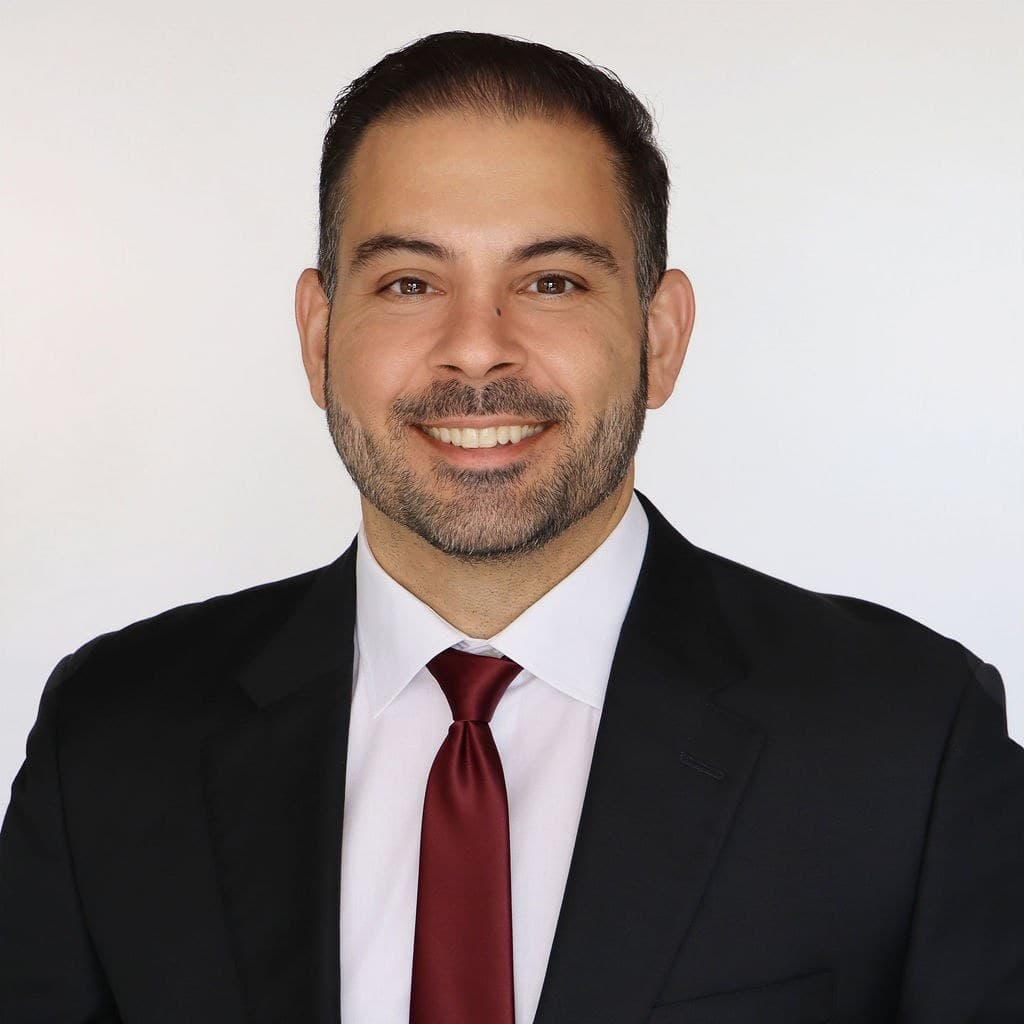
Eman Yazdchi, Esq., Certified Specialist in Workers' Compensation Law, California Board of Legal Specialization, State Bar of California.


California Board of Legal Specialization, State Bar of California
California Board of Legal Specialization, State Bar of California
- 14+
- Years of Practice
- 2,000+
- Cases handled over 14+ years
- $50M+
- Recovered over 14+ years
- 3
- Languages: English, Español, Farsi
Past results do not guarantee, warrant, or predict future cases. Each case is different and results depend on specific facts and circumstances.
Prepared by Yazdchi Law
When a settlement offer arrives, it can sound final. It is not. It is only a proposal. Before you sign, you need to know what the paper closes, what medical care may stay open, and how the number was built.
Huntington Beach workers are hurt in many different jobs. Some work in PCH hotels and restaurants. Some work in marine shops, aerospace, warehouses, oil-related work, construction, retail, healthcare, or city service. A beach-area lifeguard injury is not the same as a warehouse shoulder claim. The settlement should not treat them the same.
Do you have a settlement case in Huntington Beach?
If your job injury has lasting limits or future care, settlement may be a major decision, not just paperwork.
A settlement usually comes after the medical record is developed. That may mean a treating doctor report, a Qualified Medical Evaluator report, or a rating that gives a permanent disability percentage. If the insurer is pushing for a fast close before the medical picture is clear, slow down and ask what rights are being released.
Many workers also need to know whether the settlement affects a return to work. The comp case is separate from a job assignment, but the medical restrictions can affect both. A fair review looks at the body part, the rating, the work limits, and whether the old job is still realistic.
Huntington Beach claims are handled through the Long Beach district office of the Workers' Compensation Appeals Board at 425 W Broadway. Yazdchi Law appears there for Orange County workers' comp matters. Eman Yazdchi reviews settlement papers, medical reports, ratings, and future care issues before a worker signs.
How much is a Huntington Beach workers' comp claim worth?
The value depends on the rating, your work, your age, future medical care, and the kind of settlement.
There is no city price list for Huntington Beach claims. The same back surgery can lead to different numbers in different workers. One person may return to lighter work. Another may lose the old job and need years of care. The settlement should match the medical evidence, not the insurer's opening offer.
Permanent disability is the main starting point. The doctor rates lasting impairment. The state rating method then considers age and occupation. Work on hotel floors, in kitchens, on construction sites, around boats, or in warehouse aisles can involve real physical demands. Those demands should be described clearly in the record.
| Statewide injury severity | Typical permanent disability range | Approximate settlement range | Common issues |
|---|---|---|---|
| Minor strain with short care | 0 to 5 percent | $2,000 to $12,000 | Short treatment, little or no future care |
| Moderate injury with injections or therapy | 6 to 20 percent | $12,000 to $45,000 | Work limits, unpaid wage checks, future visits |
| Surgery or lasting work limits | 21 to 50 percent | $45,000 to $160,000 | Future care, job change, rating dispute |
| Major spine, head, or multi-part injury | 51 to 99 percent | $160,000 to $500,000 or more | Life care, Medicare review, possible life pension |
These are general California ranges, not a prediction. Your actual award depends on your disability rating, age, occupation, and future medical care. Past results do not guarantee future outcomes.
The table is only a statewide reference. It is not a quote for a Huntington Beach worker. A hotel housekeeper with a future back surgery concern has a different case from a server with a short wrist injury. A Gothard Street shop worker with hand symptoms has different proof than a coastal construction worker after a fall.
Wage history can also affect the review. Some beach workers have seasonal hours, second jobs, tips, overtime, or changing schedules. The settlement should be checked against the correct average weekly wage. A wrong wage rate can affect past checks and the value of open issues.
Compromise and Release vs Stipulated Award
A Compromise and Release usually trades final closure for cash; a Stipulated Award keeps medical care available.
A Compromise and Release is the lump sum settlement. It usually closes the claim, including future medical care for the settled body parts. Some workers prefer this because they want one payment and a clean end. But closure has a cost. If treatment later becomes more expensive, the comp insurer may no longer be responsible.
A Stipulated Award keeps the claim partly open. The parties agree to a permanent disability rating. The insurer pays that award and keeps medical care open for accepted body parts. This can help when the worker still needs follow-up visits, medication, injections, or possible surgery.
Labor Code section 5001 says: "No release of liability or compromise agreement is valid unless it is approved by the appeals board or referee."
The Long Beach judge must approve either route. The judge can review the medical record, rating, future care, liens, and attorney fee. That court review is a guardrail. It helps prevent a rushed close that does not fit the file.
What changes your settlement value?
The number changes with the medical rating, future treatment, work limits, unpaid benefits, and apportionment.
The rating is central, but it is not the whole case. Future medical care may be the largest disputed part of a C&R. A worker with a stable strain may need little future care. A worker with a spine surgery, shoulder repair, knee replacement risk, or nerve injury may need treatment for years.
Apportionment can also cut the number. That is the insurer's argument that some disability came from age, prior injury, or non-work causes. The doctor has to explain that split. A simple reference to old imaging should not end the discussion.
Unpaid benefits should be checked before settlement. Look at temporary disability, mileage, medical bills, voucher rights, and any late payment issues. Settlement papers often include broad release language. Once approved, it can be hard to reopen a closed item.
The settlement should also match the accepted body parts. A hand claim, shoulder claim, and back claim may be listed in different ways. If one body part is missing from the papers, ask why. The release should not be broader than the deal being paid for.
What about Medicare?
Medicare issues matter when a worker has Medicare, expects it soon, or has a serious future-care claim.
Medicare may need attention in larger Huntington Beach settlements. This often comes up when the worker already receives Medicare, has applied for Social Security Disability, or is near Medicare age. The parties may need to discuss a Medicare Set-Aside for future work-injury care.
This is not a reason to panic. It is a reason to plan. A serious back, neck, head, or multiple body part claim can involve future care that Medicare does not want shifted onto taxpayers. The settlement should address that issue before the medical file closes.
How do attorney fees work?
The workers' comp judge reviews attorney fees, and the fee usually comes from the recovery after approval.
California workers' comp fees are not hourly bills in the usual settlement case. The WCAB judge reviews the fee as part of the settlement approval. Many fees fall in the 12 to 15 percent range, depending on the case and the judge's order.
You should know the gross amount, the fee, liens, and the expected net before signing. Eman Yazdchi explains those pieces in plain language. A worker should not leave an approval hearing still confused about what closes and what remains open.
Results in cases like this
Every case is different. Past results do not guarantee, warrant, or predict a similar outcome.
$5,000,000
Catastrophic spinal cord injury
$1,500,000
Cervical spine injury
$425,000
Slip and fall accident
Find Out What Your Huntington Beach Case May Be Worth
Two minutes. No fee unless we win; costs may apply.
Question 1 of 5
What type of injury do you have?
Not ready to fill this out? Just call (661) 273-1780 and we’ll ask the same questions by phone.
Free Consultation
Call or send the short form. We review your case, explain your rights, and outline your options. Free, no obligation.
We Build Your Case
We gather medical evidence, handle the insurance company, and file all the workers' comp court (WCAB) paperwork for you.
We Pursue Every Benefit
Medical care, lost wages, and permanent disability benefits. No fee unless we win your case; costs may apply.
Where are Huntington Beach settlements handled?
Huntington Beach workers' comp settlements are heard at the Long Beach WCAB, not a local city courthouse.
The Long Beach WCAB is at 425 W Broadway. It handles settlement conferences and approvals for Huntington Beach workers' comp files. This is the correct venue for the firm's Orange County appearances. Do not confuse it with a city courthouse or a civil injury case.
Local proof can affect settlement talks. PCH hotel and restaurant workers often have lifting, standing, and repetitive-use claims. Marine and manufacturing workers near Gothard Street may have hand, shoulder, or back claims from tools and parts. Coastal construction workers may have fall or lifting injuries. Lifeguard, retail, warehouse, and healthcare claims can bring their own medical and wage issues.
For serious acute care, the existing local record may mention Hoag Hospital Huntington Beach, Hoag Hospital Newport Beach, or another treating facility. Those records can matter if they show the injury, early complaints, work restrictions, or a need for follow-up care.
Travel can matter too. A worker may live near Beach Boulevard, work near the harbor, and treat outside the city. The file should still connect the injury to the job. The Long Beach WCAB looks at the same core proof: medical reports, wage records, benefit notices, and the settlement documents.
Yazdchi Law P.C. is located at 1125 W Avenue M-14, Suite A, Palmdale, CA 93551. Call (661) 273-1780. Eman Yazdchi is a Certified Specialist in Workers' Compensation Law (California Board of Legal Specialization, State Bar of California), CA Bar #285231.
Injured at work in Huntington Beach? Talk it through for free.
Most claims must be filed within one year under Labor Code section 5405. A free call tells you where your clock stands.
Frequently Asked Questions
Do I have to accept the insurer's first Huntington Beach settlement offer?
Which WCAB handles Huntington Beach settlements?
What is a Compromise and Release?
What is a Stipulated Award?
How long can settlement take?
Can future medical care be part of the settlement?
What if I have Medicare or applied for disability?
What should I bring to a settlement review?
Free case evaluation
Get your free Huntington Beach case evaluation
Three fields. We respond within one business day.
Talk to a Certified Specialist
Certified Specialist in Workers' Compensation Law, California Board of Legal Specialization, State Bar of California.
Takes 30 seconds. No obligation.
Eman by far exceeds the basic requirements other lawyers give to clients and surpasses all expectations.
Eman really knows his stuff and we were very pleased with our end result.
Client testimonials. Testimonials are not a guarantee, warranty, or prediction of the outcome of your case.