
California · Workers' Compensation
What Is the UEBTF and How Do I Claim Against It in California?
Hurt at work? Workers' comp pays for medical care and part of your lost pay while you heal. A free call tells you where you stand.
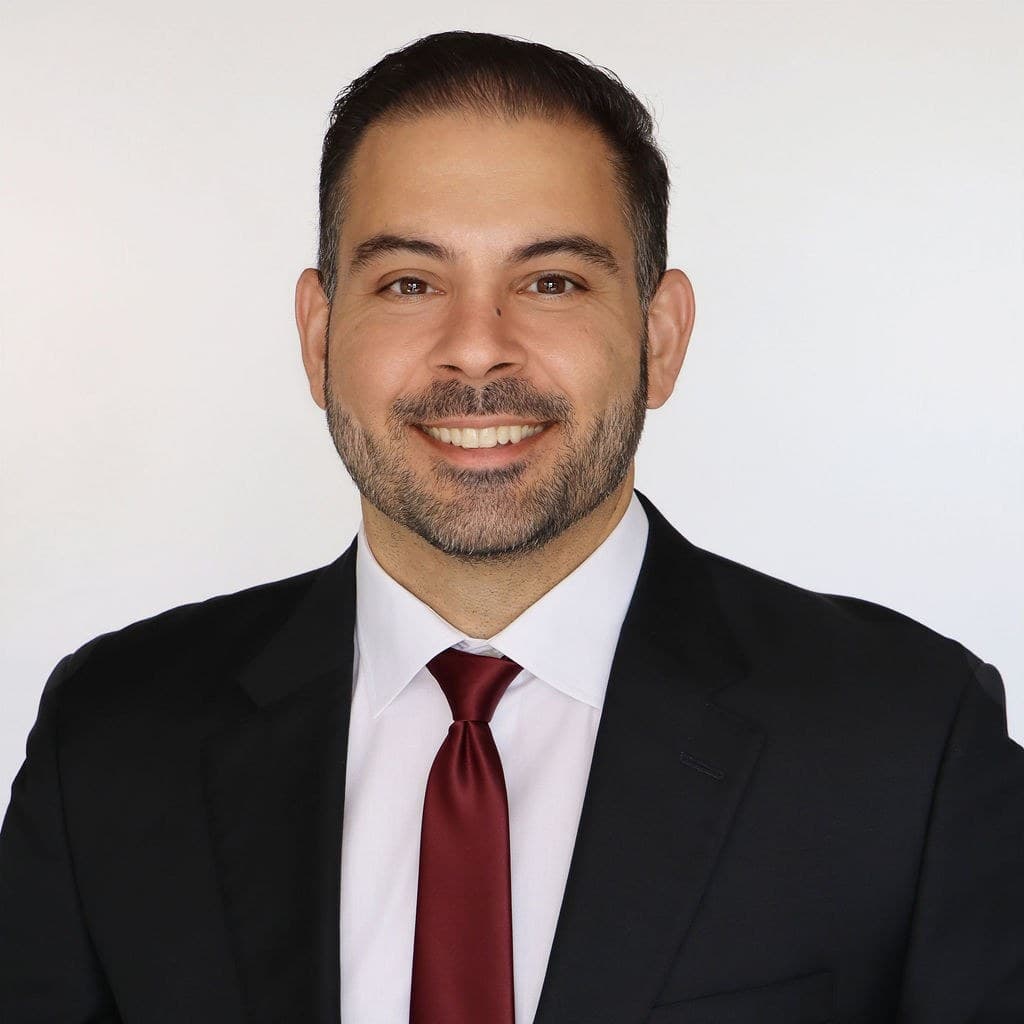
Eman Yazdchi, Esq., Certified Specialist in Workers' Compensation Law, California Board of Legal Specialization, State Bar of California.


California Board of Legal Specialization, State Bar of California
California Board of Legal Specialization, State Bar of California
- 14+
- Years of Practice
- 2,000+
- Cases handled over 14+ years
- $50M+
- Recovered over 14+ years
- 3
- Languages: English, Español, Farsi
Past results do not guarantee, warrant, or predict future cases. Each case is different and results depend on specific facts and circumstances.
Prepared by Yazdchi Law
What is the UEBTF?
The UEBTF is a state fund that may pay California work comp benefits when the employer was uninsured on the injury date.
Finding out that an employer had no insurance can feel like the floor dropped out. It does not mean the worker has no claim. California created the Uninsured Employers Benefits Trust Fund for this exact problem.
The fund does not make the case automatic. The worker still has to prove employment, injury, and lack of coverage. The uninsured employer and the fund must be brought into the case the right way.
Eman Yazdchi is a Certified Specialist in Workers Compensation Law, certified by the California Board of Legal Specialization, State Bar of California. This page explains the claim path.
How does a UEBTF claim start?
The worker files the WCAB case, names the uninsured employer, joins the UEBTF, and proves there was no valid coverage.
Start with the injury claim. Give notice if you can. File the claim form and the Application for Adjudication. The uninsured employer should be named. The UEBTF must also be joined so the fund has notice and can take part.
Coverage proof matters. The case may need records from the Workers Compensation Insurance Rating Bureau, the employer, a general contractor, or the state. The fund can dispute whether the worker was an employee, whether the injury happened at work, or whether coverage existed.
What benefits can the UEBTF pay?
The UEBTF can pay the same core work comp benefits that an insurer would owe if the claim is accepted.
The benefits can include medical care under Labor Code 4600, wage replacement, permanent disability, and other work comp benefits. The standard benefit figures belong in the tables below.
| Temporary disability weekly rate | 2025 | 2026 |
|---|---|---|
| Minimum | $252.03 | $264.61 |
| Maximum | $1,680.29 | $1,764.11 |
| PD rating | Benefit weeks | Award at the 2026 max ($290/wk) |
|---|---|---|
| 10 percent | 30 weeks | $8,700 |
| 20 percent | 75 weeks | $21,750 |
| 30 percent | 130 weeks | $37,700 |
| 40 percent | 200 weeks | $58,000 |
| 50 percent | 270 weeks | $78,300 |
| 60 percent | 350 weeks | $101,500 |
| 70 percent | 430 weeks | $124,700 plus a life pension |
| Benefit | What it pays in 2026 |
|---|---|
| Temporary disability | Two-thirds of your wage, $264.61 to $1,764.11 per week, up to 104 weeks (Labor Code 4656) |
| Permanent disability | Two-thirds of your wage, $160 to $290 per week, set by your rating (Labor Code 4658) |
| Medical care | 100 percent of approved care, no copay (Labor Code 4600) |
| Medical mileage | 76 cents per mile to your appointments for trips on or after July 1, 2026 (72.5 cents earlier in 2026) |
| Job retraining voucher | $6,000 if you cannot return to your old job (Labor Code 4658.7) |
| Death benefits | $250,000 to $320,000 for total dependents (Labor Code 4702), plus up to $10,000 for burial (Labor Code 4701) |
The fund may move more slowly than a normal insurer because it must verify extra facts. That does not mean the worker should wait without action. Medical records, wage proof, and witness facts should be gathered early.
How is this different from suing the employer?
The UEBTF claim seeks work comp benefits, while a civil case against an uninsured employer may seek damages outside work comp.
Labor Code 3706 can allow a civil lawsuit when an employer failed to carry required insurance. That civil case is separate from the WCAB claim. It may include damages that work comp does not pay, such as pain and suffering.
The two paths can run at the same time. The right plan depends on the employer, assets, job facts, injury severity, and whether another company may share fault.
What if a general contractor hired the uninsured employer?
A general contractor or upstream company may matter if it knew or should have known the subcontractor lacked proper coverage.
Labor Code 2810 can be important on construction and labor-chain jobs. It may create another target when the direct employer has no money or insurance. The contract, certificates, job site control, and payment records should be reviewed.
Do not assume the direct employer is the only party. Staffing firms, labor contractors, property owners, and general contractors may each need review.
Does immigration status matter?
Immigration status does not erase California work comp rights, UEBTF rights, or the right to be free from status threats.
Labor Code 1171.5 protects workers regardless of immigration status in California labor rights. Labor Code 244 bars status threats tied to worker rights. The claim should focus on the work injury, employment facts, medical proof, and insurance gap.
A worker who needs an interpreter should ask for one. Hearings, depositions, and medical-legal exams should be understandable. Do not sign papers you cannot read.
What records should I gather now?
The best UEBTF claim record is built early, with job proof, medical proof, wage proof, and clear notes about what changed.
Start with the basics. Save pay proof, job texts, schedules, witness names, business cards, job site photos, medical records, and proof that no insurance covered the employer. Keep the papers in date order if you can. A simple folder on your phone can help. Take screenshots before messages disappear. Write names with job titles, not just first names.
Medical proof should be clear and practical. Keep every work status slip. Keep every report that lists restrictions. Keep visit summaries and referral notes. If a doctor writes something wrong, ask how to correct it. Small errors can grow into large disputes later.
Wage proof also matters. Save pay stubs, direct deposit records, tip records, time cards, mileage notes, and missed-work calendars. Benefit disputes often turn on dates and wages. A clean record makes the claim easier to explain.
Do not edit records or guess at facts. If you are unsure about a date, say so. A careful timeline is better than a perfect-sounding story that later proves wrong. The goal is to make the record honest, complete, and easy for a judge or doctor to follow.
What mistakes should I avoid?
Avoid rushed choices, vague medical histories, missing documents, and settlement talks before the key UEBTF claim facts are checked.
The largest mistake is assuming the state fund will accept the case just because the employer was uninsured. The fund can still dispute employment and injury. The worker should prove the job relationship from several angles.
A second mistake is ignoring other responsible companies. A labor contractor, general contractor, or property manager may have records or liability. Those facts can make recovery more practical when the direct employer has no assets.
Another mistake is using legal words before the facts are clear. Plain facts win these disputes. What job did you do? What did the doctor restrict? What did the employer know? What changed after the injury? Those answers should come before argument.
Also avoid signing broad papers without review. A release, resignation, voucher clause, or settlement term can close rights you still need. Ask questions before signing. Keep a copy of every page you sign.
How can a lawyer help without making the case harder?
A lawyer can organize the proof, ask the right medical questions, and bring the UEBTF claim issue to the WCAB when the insurer will not fix it.
Good representation should make the claim clearer. It should not turn every issue into a fight. The first job is to sort the facts. The second job is to decide which dispute matters most. Some issues need a letter. Some need a QME question. Some need a hearing.
Yazdchi Law focuses on practical next steps. That may mean getting treatment moving, correcting a report, filing a petition, preparing for deposition, or checking whether settlement terms protect the worker. The plan should fit the injury, the job, and the worker goals.
The consultation is free. The worker should bring claim numbers, adjuster letters, medical reports, job offers, denial letters, and any settlement papers. Clear documents let the review move faster and help identify the first useful step.
Results in cases like this
Every case is different. Past results do not guarantee, warrant, or predict a similar outcome.
$5,000,000
Catastrophic spinal cord injury
$1,500,000
Cervical spine injury
$425,000
Slip and fall accident
Find Out What Your Case May Be Worth
Two minutes. No fee unless we win; costs may apply.
Question 1 of 5
What type of injury do you have?
Not ready to fill this out? Just call (661) 273-1780 and we’ll ask the same questions by phone.
Free Consultation
Call or send the short form. We review your case, explain your rights, and outline your options. Free, no obligation.
We Build Your Case
We gather medical evidence, handle the insurance company, and file all the workers' comp court (WCAB) paperwork for you.
We Pursue Every Benefit
Medical care, lost wages, and permanent disability benefits. No fee unless we win your case; costs may apply.
Where does Yazdchi Law handle this issue?
Yazdchi Law handles California work comp disputes from Palmdale and uses the proper Greater Los Angeles WCAB venue for each claim.
Most readers of this guide work in Los Angeles County, the Antelope Valley, the Inland Empire, or nearby parts of Southern California. A claim may be heard at Van Nuys, Los Angeles, Long Beach, Pomona, San Bernardino, Riverside, or Oxnard. The right venue depends on the worker, the employer, and the claim file.
Local proof still matters in a statewide system. Job duties, commute limits, clinic notes, wage records, and witness names can decide a UEBTF dispute. Keep texts, emails, job offers, pay stubs, work notes, and medical papers in one place.
Eman Yazdchi is a Certified Specialist in Workers Compensation Law, certified by the California Board of Legal Specialization, State Bar of California. Call (661) 273-1780 for a free consultation.
Injured at work? Talk it through for free.
Most claims must be filed within one year under Labor Code section 5405. A free call tells you where your clock stands.
Frequently Asked Questions
Is the UEBTF my employer insurance company?
Do I sue the UEBTF in civil court?
Can the fund deny my claim?
What papers do I need?
What if I was paid cash?
Can undocumented workers use UEBTF?
Will benefits start right away?
Why look for a general contractor?
What should I bring to a consultation?
Can I handle this without a lawyer?
What happens if an uninsured employer does not pay my award?
If your employer does not pay the award within 10 days after being notified of it, or does not post the bond the law requires in its place, Labor Code 3716 lets you apply to the Director of Industrial Relations to have the award paid instead from the Uninsured Employers Benefits Trust Fund. Keep proof of when the award notice was served, since the employer's 10-day window and the fund's payment duty both run from that date. Collecting through the fund is different from suing the employer directly, which Labor Code 3706 covers in civil court.
How do I correctly name and serve an uninsured employer?
Use the employer's exact legal name: the owner's name doing business as the company, the partners' names doing business as the company, or the precise corporate name. The Division of Workers' Compensation's guide to naming an uninsured employer explains how to confirm that name through business license records, a fictitious business name filing, or the Secretary of State. You cannot serve the claim papers yourself. The division's guide to serving an uninsured employer requires a sheriff, marshal, or an adult process server who is not a party to the case to personally deliver the documents to the employer, an officer, a general manager, or another person authorized to accept service, and it explains substituted or mailed service for when personal delivery is not possible.
Free case evaluation
Get your free case evaluation
Three fields. We respond within one business day.
Talk to a Certified Specialist
Certified Specialist in Workers' Compensation Law, California Board of Legal Specialization, State Bar of California.
Takes 30 seconds. No obligation.
Eman at Yazdchi Law was extremely professional, responsive, and supportive at all times. He and his staff exceeded all of my expectations.
A fighting force both consistent and compassionate on a scale’s a 5 all around.
Client testimonials. Testimonials are not a guarantee, warranty, or prediction of the outcome of your case.