
California · Workers' Compensation
California Labor Code 4600 and the MTUS Medical Treatment Schedule
Hurt at work? Workers' comp pays for medical care and part of your lost pay while you heal. A free call tells you where you stand.
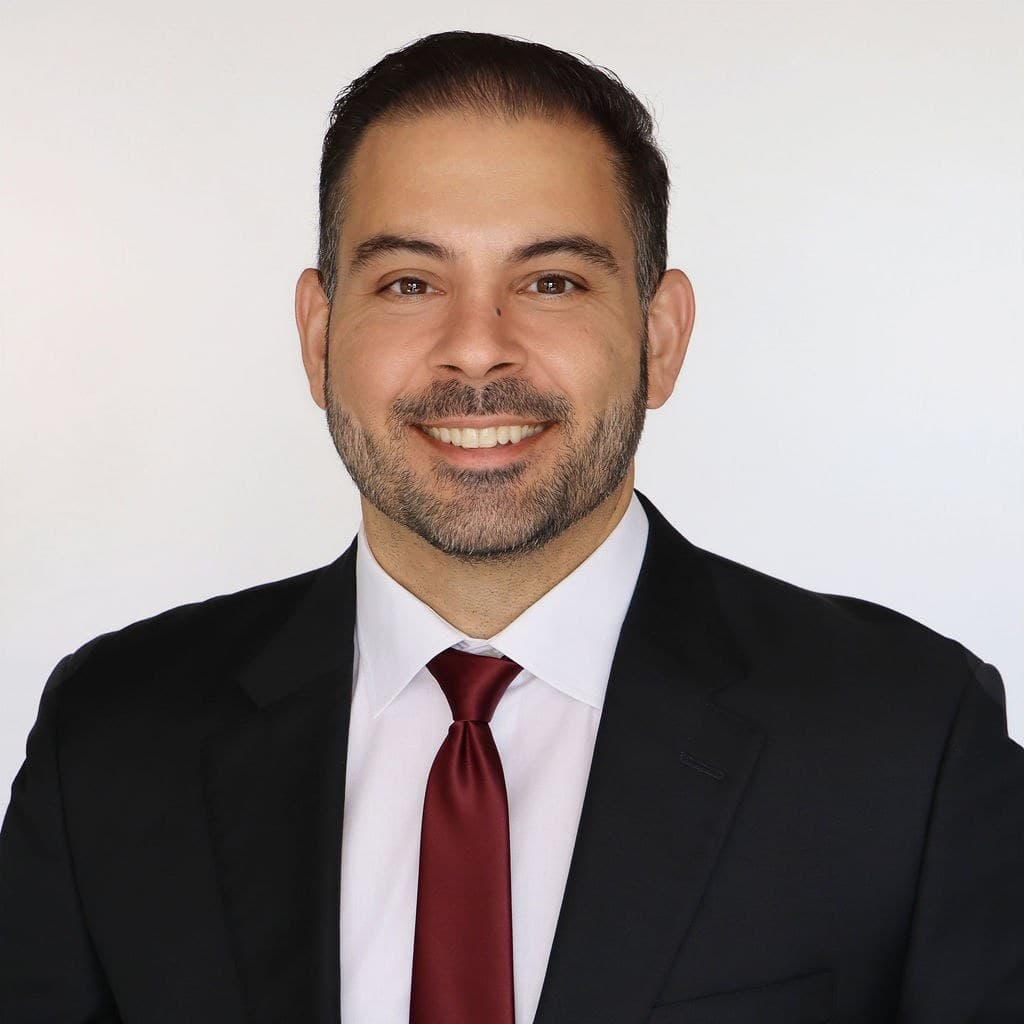
Eman Yazdchi, Esq., Certified Specialist in Workers' Compensation Law, California Board of Legal Specialization, State Bar of California.


California Board of Legal Specialization, State Bar of California
California Board of Legal Specialization, State Bar of California
- 14+
- Years of Practice
- 2,000+
- Cases handled over 14+ years
- $50M+
- Recovered over 14+ years
- 3
- Languages: English, Español, Farsi
Past results do not guarantee, warrant, or predict future cases. Each case is different and results depend on specific facts and circumstances.
Prepared by Yazdchi Law
Labor Code 4600 is the base rule for medical care in a California workers' compensation claim. It covers doctor care, hospital care, surgery, medicine, nursing, supplies, crutches, braces, and prosthetic devices. It also covers other care that is reasonably required to cure or relieve the effects of a work injury.
The statute does more than name the benefit. It tells the system how to judge care. It says reasonable medical treatment is treatment based on guidelines adopted by the Administrative Director under Labor Code 5307.27. In daily claims work, that points to the MTUS.
The Division of Workers' Compensation describes the MTUS as title 8 rules that contain medical treatment guidelines. These rules help decide what care is reasonable and needed. The DWC also states that the MTUS is based on evidence-based medicine.
That is why the treating doctor's Request for Authorization matters. A strong RFA should name the diagnosis. It should list exam findings, test results, prior care, work limits, and the MTUS support for the request. A short note that says the worker needs care may not be enough.
What Labor Code 4600 Covers
Section 4600 reaches more than a normal office visit. It can include surgery, drugs, physical aids, interpreter services, travel expense for some exams, and wage-loss rules for required exams. It can also include home-health care when a licensed doctor prescribes it and the other legal rules are met.
The statute also deals with doctor choice. If there is no valid medical provider network, the worker may have more choice after 30 days from the injury report. A worker may also have a right to treat with a personal doctor from the start if the worker gave valid written notice before the injury and met the health coverage rules.
How the MTUS Fits the Claim
The MTUS does not replace the doctor. It gives doctors, carriers, UR doctors, IMR doctors, and judges a common medical yardstick. The DWC says adopted ACOEM guidelines are the core of the MTUS. They are presumed correct on the scope and extent of care.
Current MTUS topics include low back, neck, shoulder, elbow, hand, wrist, forearm, knee, ankle, foot, chronic pain, opioids, brain injury, eye injury, and workplace mental health. The schedule also covers first treatment steps, prevention, and work disability management. The drug formulary is part of the same system for many medicine requests.
How MTUS Affects Utilization Review
UR is where Section 4600 often becomes real. The treating doctor sends an RFA. The claims administrator sends it to UR. The UR doctor then compares the request to the MTUS and the medical record. The request may be approved, changed, delayed, or denied.
Many denials are record problems. A spine injection request may fail if the report does not connect pain, exam findings, imaging, prior care, and guideline criteria. A surgery request may fail if the surgeon does not explain why simpler care failed. A drug request may fail if the doctor does not address the MTUS Drug Formulary, risk factors, and follow-up plan.
When Treatment Falls Outside the Schedule
The MTUS is the main starting point, but it is not the only source in every case. The DWC says the rules include a medical evidence search sequence. That sequence matters when the schedule does not address the condition, or when the doctor seeks to rebut a guideline point.
In those cases, the doctor needs more than a preference. The report should explain why the worker is outside the usual path. It should cite sound medical support. It should connect the treatment to the industrial injury and to the goal of curing or relieving that injury.
Results in cases like this
Every case is different. Past results do not guarantee, warrant, or predict a similar outcome.
$5,000,000
Catastrophic spinal cord injury
$1,500,000
Cervical spine injury
$425,000
Slip and fall accident
Find Out What Your Case May Be Worth
Two minutes. No fee unless we win; costs may apply.
Question 1 of 5
What type of injury do you have?
Not ready to fill this out? Just call (661) 273-1780 and we’ll ask the same questions by phone.
Free Consultation
Call or send the short form. We review your case, explain your rights, and outline your options. Free, no obligation.
We Build Your Case
We gather medical evidence, handle the insurance company, and file all the workers' comp court (WCAB) paperwork for you.
We Pursue Every Benefit
Medical care, lost wages, and permanent disability benefits. No fee unless we win your case; costs may apply.
How Yazdchi Law Uses This Rule
Yazdchi Law reviews treatment disputes by reading the RFA, the UR decision, the treating reports, test results, and the MTUS issue that drove the denial. The task is to find the real problem. It may be missing medical detail, a wrong guideline, a bad history, a network issue, or a deadline issue.
Eman Yazdchi is a Certified Specialist in Workers' Compensation Law, California Board of Legal Specialization, State Bar of California. For denied care, the next step is usually record-focused. The doctor may need to fix the report. A stronger RFA may be needed when allowed. IMR may be required. Other benefit issues may also need to be protected. Call Yazdchi Law at (661) 273-1780 to discuss a California work injury treatment dispute. This page is general information. It is not legal advice. Case strategy depends on the facts, medical record, deadlines, and forum.
Injured at work? Talk it through for free.
Most claims must be filed within one year under Labor Code section 5405. A free call tells you where your clock stands.
Frequently Asked Questions
What does Labor Code 4600 require after a work injury?
It requires the employer or workers' compensation carrier to provide medical care reasonably required to cure or relieve the work injury. The rule covers many kinds of care. It can include doctor care, surgery, medicine, supplies, interpreter help in covered settings, and home-health care when the legal tests are met.
What is the MTUS?
The MTUS is California's Medical Treatment Utilization Schedule. It is a set of treatment rules and guidelines used in workers' compensation. The DWC says it is based on evidence-based medicine. It helps decide whether requested care is reasonable and needed.
Does the MTUS control every treatment request?
It is the main starting point. Some cases need evidence outside the schedule. That can happen when the schedule does not address the condition, or when the treating doctor seeks to rebut a guideline point. Those requests need careful medical support.
Why did utilization review deny my treatment?
A UR denial may say the request did not meet MTUS criteria. It may say the doctor lacked objective findings, skipped prior care, exceeded a visit limit, or did not explain medical need. The denial letter should list the reason, the guideline used, and the records reviewed.
Can a denied treatment request be challenged?
Often yes. The path depends on the kind of decision. Many medical-necessity denials go through independent medical review. Other disputes may involve late review, provider network rules, a defective decision, or whether the treatment was properly requested.
What should my doctor include in an RFA?
A strong RFA should include the diagnosis, injury history, exam findings, test results, prior treatment, work limits, and MTUS support. It should explain why the care is needed now. It should also explain how the care will cure or relieve the work injury.
Free case evaluation
Get your free case evaluation
Three fields. We respond within one business day.
Talk to a Certified Specialist
Certified Specialist in Workers' Compensation Law, California Board of Legal Specialization, State Bar of California.
Takes 30 seconds. No obligation.
Eman really knows his stuff and we were very pleased with our end result.
I am glad and so very pleased...he made happen what no other attorney could do. So far he has proven his weight in gold.
Client testimonials. Testimonials are not a guarantee, warranty, or prediction of the outcome of your case.