
Long Beach, California · Workers' Compensation
Shoulder Injury Workers' Comp Lawyer in Long Beach, California
Hurt at work in Long Beach? Workers' comp pays for medical care and part of your lost pay while you heal. A free call tells you where you stand.
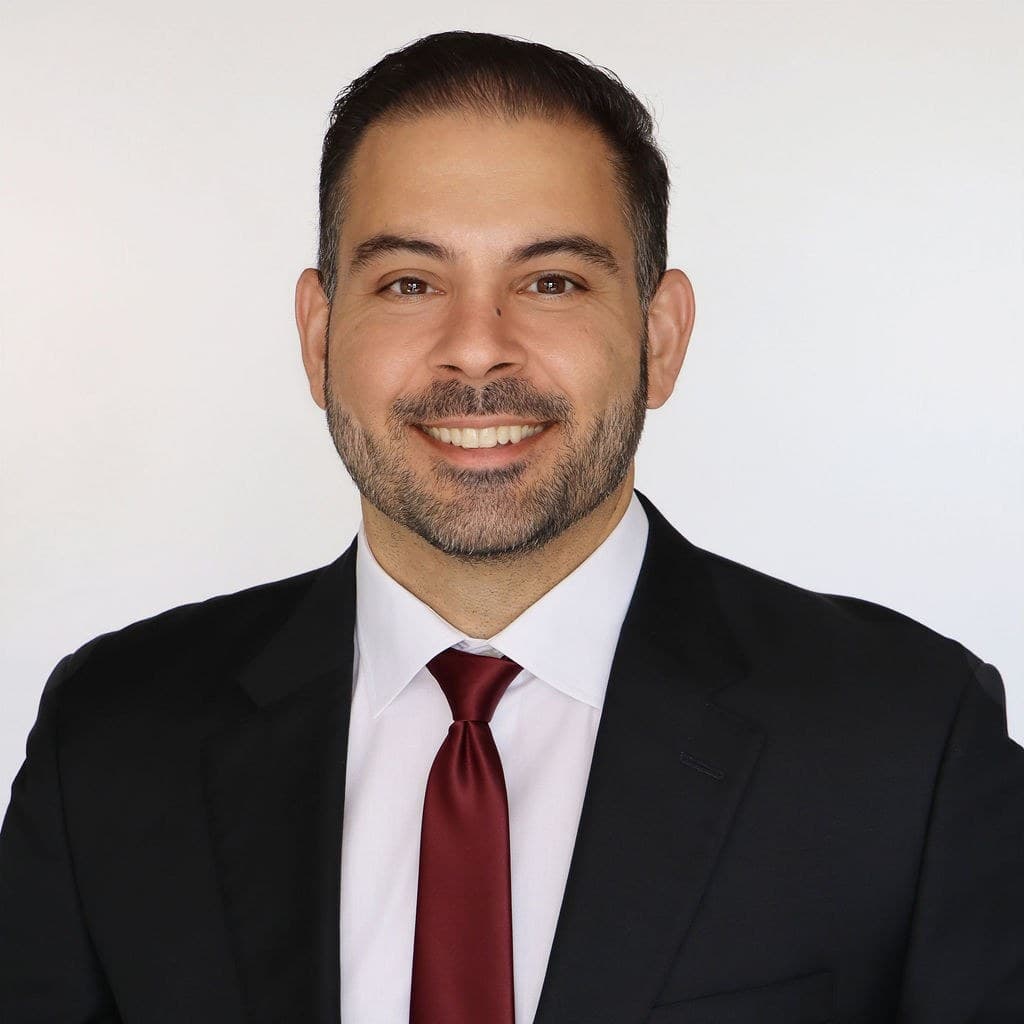
Eman Yazdchi, Esq., Certified Specialist in Workers' Compensation Law, California Board of Legal Specialization, State Bar of California.


California Board of Legal Specialization, State Bar of California
California Board of Legal Specialization, State Bar of California
- 14+
- Years of Practice
- 2,000+
- Cases handled over 14+ years
- $50M+
- Recovered over 14+ years
- 3
- Languages: English, Español, Farsi
Past results do not guarantee, warrant, or predict future cases. Each case is different and results depend on specific facts and circumstances.
Prepared by Yazdchi Law
A bad shoulder can make ordinary life feel impossible. Reaching for a seat belt hurts. Sleeping hurts. Work feels unsafe. If the damage came from your Long Beach job, you should not have to carry the cost alone.
Shoulder injuries often get brushed off as soreness. Then the MRI shows a cuff tear, labral tear, biceps injury, or impingement. By then, the worker may have missed weeks of pay and still be waiting for approval.
Long Beach shoulder claims come from many jobs. Longshore crews pull and reach at the terminals. Drayage drivers handle pins and landing gear. MemorialCare staff lift patients. Warehouse workers at Amazon and along the 710 corridor reach, scan, lift, and stack all day.
Do you have a Long Beach shoulder injury claim?
If job tasks caused or worsened your shoulder injury, you may claim care, wage checks, and disability benefits.
A claim can be based on one bad lift or years of repeated use. You may remember the exact moment the shoulder tore. Or you may only know that the pain grew slowly until you could no longer lift overhead.
Both paths can be covered. The important point is medical proof. Tell the doctor what your job required: overhead work, pulling, reaching, patient transfers, pallet work, valve turns, or tool vibration.
Certified Specialist Eman Yazdchi, California Board of Legal Specialization, State Bar of California, handles shoulder injury claims at the Long Beach WCAB. Call (661) 273-1780 for a free review.
What shoulder injuries count under workers' comp?
Rotator cuff tears, labral tears, biceps injuries, frozen shoulder, and nerve symptoms can all qualify.
The shoulder is easy to injure and slow to heal. A Long Beach worker may tear the cuff during one lift, fall, or pull. Another worker may wear it down through thousands of repeated reaches.
Common diagnoses include partial cuff tears, full thickness tears, labral tears, biceps tendon injury, impingement, adhesive capsulitis, and nerve symptoms into the arm. The diagnosis matters, but your work story matters too.
Tell the doctor the real job duties. A title like warehouse associate or driver may hide the hard parts. Explain the weight, height, speed, and repetition. That helps the doctor connect the shoulder injury to the work.
What benefits can a Long Beach shoulder claim provide?
The claim can cover doctors, MRI, therapy, injections, surgery, wage loss, disability money, and retraining.
Workers' comp should pay for reasonable medical care. That can include an orthopedic visit, MRI, physical therapy, injections, surgery, medicine, and work restrictions. You should not be billed for covered care.
If the doctor says you cannot work, temporary disability usually pays two-thirds of your average weekly wage, within state limits. If you can work light duty, the employer may offer modified work. The restrictions must be real and safe.
When healing levels off, the doctor gives an impairment rating. The rating is then adjusted for age and occupation. A heavy job at the Port, a refinery, a hospital, or a warehouse may rate differently than a desk job.
How much is a shoulder injury claim worth?
Value depends on the tear, treatment, rating, job duties, future care, wage loss, and apportionment.
There is no fixed price for a shoulder case. A worker who heals with therapy is different from a worker who needs repair surgery and cannot go back to overhead work. The rating and future medical needs drive the value.
These are general California ranges, not a prediction. Your actual award depends on your disability rating, age, occupation, and future medical care. Past results do not guarantee future outcomes.
| Shoulder condition | Common case driver | General California value range |
|---|---|---|
| Strain or mild impingement | Therapy and short work limits | $2,000 to $18,000 |
| Partial rotator cuff or labral tear | MRI findings and lasting restrictions | $15,000 to $55,000 |
| Repair surgery with lost strength | Permanent rating and future care | $40,000 to $120,000 |
| Failed surgery or major bilateral injury | High limits and job loss | $100,000 to $300,000+ |
The insurer may offer less if it thinks the MRI shows age-related wear. That is why the medical explanation matters. The doctor must connect the tear, symptoms, and job tasks in a clear way.
How can apportionment affect a shoulder award?
The insurer may blame old wear, but any split must be based on medical cause, not guesswork.
Apportionment is the insurance company's attempt to cut the permanent disability award. It may argue that part of your shoulder damage came from age, sports, a prior job, or an old injury.
Labor Code section 4663(a): "Apportionment of permanent disability shall be based on causation."
That rule matters because shoulder MRIs often show old wear. Old wear is not the end of the case. The doctor still must explain how much of the lasting disability came from work and why.
Escobedo v. Marshalls is a WCAB en banc decision. It allows apportionment when the medical proof is strong. It does not let a doctor guess. We focus the QME record on job force, repetition, symptoms, and timing.
What if surgery or the claim is denied?
A denial can be challenged with medical records, job facts, MRI findings, and the correct review deadline.
Insurers often approve therapy but turn down surgery. If Utilization Review denies a requested repair, you may have 30 days to seek Independent Medical Review. The appeal should show why the care fits the treatment rules.
A denied claim is different. The insurer may say the tear is not work-related. Then the case usually needs WCAB filing, medical records, and sometimes a panel QME. The QME is a state panel doctor, not a doctor the firm owns.
Do not argue only by phone. Put the facts in writing. List the work tasks, pain timeline, first report date, doctors, and witnesses. Simple records can change the direction of a shoulder claim.
What deadlines apply to Long Beach shoulder claims?
Report the shoulder injury within 30 days and file within one year, with a different clock for build-up claims.
Report the injury in writing within 30 days. If the pain built up over time, report it when you connect it to work. Ask for the DWC-1 form and keep a copy.
Most claims must be filed within one year. For cumulative trauma, the clock starts when you have disability and know, or should know, that work caused it. A doctor's statement often becomes the key date.
Waiting helps the insurer. A late report lets them say the shoulder came from home, age, or a weekend activity. Call (661) 273-1780 before the record gets stale.
Results in cases like this
Every case is different. Past results do not guarantee, warrant, or predict a similar outcome.
$5,000,000
Catastrophic spinal cord injury
$1,500,000
Cervical spine injury
$425,000
Slip and fall accident
Find Out What Your Long Beach Case May Be Worth
Two minutes. No fee unless we win; costs may apply.
Question 1 of 5
What type of injury do you have?
Not ready to fill this out? Just call (661) 273-1780 and we’ll ask the same questions by phone.
Free Consultation
Call or send the short form. We review your case, explain your rights, and outline your options. Free, no obligation.
We Build Your Case
We gather medical evidence, handle the insurance company, and file all the workers' comp court (WCAB) paperwork for you.
We Pursue Every Benefit
Medical care, lost wages, and permanent disability benefits. No fee unless we win your case; costs may apply.
What is local about Long Beach shoulder claims?
Long Beach shoulder cases depend on the worker's industry, job motion, treating doctors, and Long Beach WCAB venue.
Which WCAB hears Long Beach shoulder cases?
Long Beach shoulder injury claims are generally heard at the Long Beach WCAB on Magnolia Avenue. The district covers Long Beach and nearby harbor-area work communities, including Carson, Wilmington, San Pedro, Compton, Signal Hill, and Lakewood.
Which Long Beach jobs cause shoulder claims?
- Longshore work at Pier J, Pier T, and Pier G, with twist-lock and lashing work
- Drayage driving near Pier B and the ICTF rail yard, with pin and landing gear work
- Warehouse picking at Amazon LGB1 and other 710 corridor sites
- Hospital patient handling at Long Beach medical facilities
- Refinery and maintenance work near Wilmington and Carson, with valves and tools
What local proof helps?
Useful proof can include job descriptions, lift sheets, production scans, safety reports, gate records, supervisor texts, and photos of the work station. A coworker statement about repeated overhead work can help when the MRI alone does not tell the whole story.
Where can a worker get urgent care?
For a fall, dislocation, or severe shoulder injury, call 911 or go to an emergency room. Long Beach Memorial Medical Center, St. Mary Medical Center, and Harbor-UCLA Medical Center commonly serve workers in the area.
One more local point matters. Shoulder claims often turn on showing the real reach height and force. A Port worker should save lashing or terminal task details. A warehouse worker should save pick rates and station photos. A hospital worker should save transfer notes and lift-team records. Those facts help the doctor see more than a job title.
About your attorney
Eman Yazdchi is a Certified Specialist in Workers' Compensation Law, certified by the California Board of Legal Specialization, State Bar of California. CA Bar number 285231. Call (661) 273-1780.
Injured at work in Long Beach? Talk it through for free.
Most claims must be filed within one year under Labor Code section 5405. A free call tells you where your clock stands.
Shoulder Injury Questions in Long Beach, CA
Is a rotator cuff tear covered by workers' comp?
What if my shoulder pain built up slowly?
Can I get an MRI paid for?
What if the insurer denies rotator cuff surgery?
Will old shoulder wear ruin my case?
Can I work light duty with one arm restrictions?
Which WCAB handles Long Beach shoulder cases?
What does it cost to hire Yazdchi Law?
Free case evaluation
Get your free Long Beach case evaluation
Three fields. We respond within one business day.
Talk to a Certified Specialist
Certified Specialist in Workers' Compensation Law, California Board of Legal Specialization, State Bar of California.
Takes 30 seconds. No obligation.
Very thankful for everything they did for us. Always responsive, reassured us every step of the way and obtained a great result.
Eman by far exceeds the basic requirements other lawyers give to clients and surpasses all expectations.
Client testimonials. Testimonials are not a guarantee, warranty, or prediction of the outcome of your case.