
Lynwood, California · Workers' Compensation
Lynwood Workers' Comp Settlement Lawyer
Hurt at work in Lynwood? Workers' comp pays for medical care and part of your lost pay while you heal. A free call tells you where you stand.
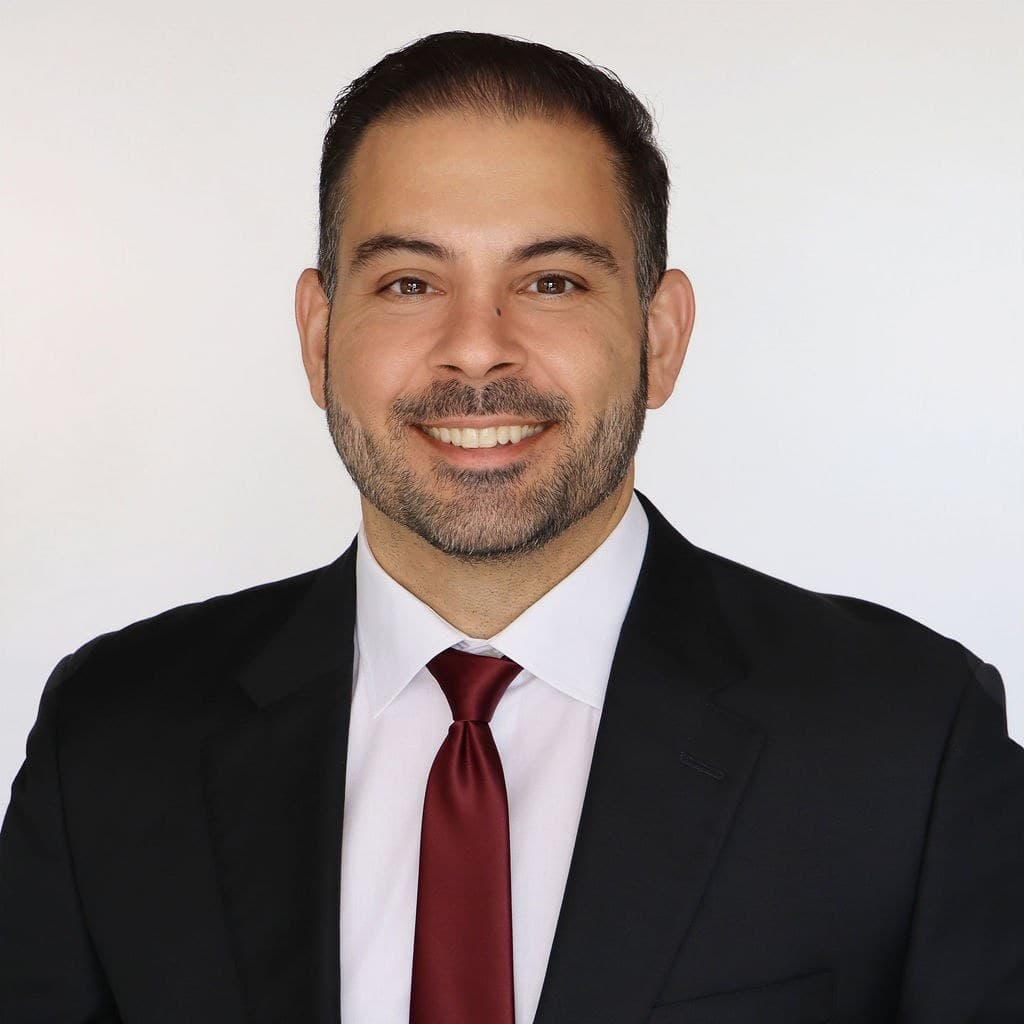
Eman Yazdchi, Esq., Certified Specialist in Workers' Compensation Law, California Board of Legal Specialization, State Bar of California.


California Board of Legal Specialization, State Bar of California
California Board of Legal Specialization, State Bar of California
- 14+
- Years of Practice
- 2,000+
- Cases handled over 14+ years
- $50M+
- Recovered over 14+ years
- 3
- Languages: English, Español, Farsi
Past results do not guarantee, warrant, or predict future cases. Each case is different and results depend on specific facts and circumstances.
Prepared by Yazdchi Law
If you are hurt at work in Lynwood, a settlement can feel scary. The papers are full of legal words. The offer may look large, but it may also close medical care you still need. You do not have to guess alone.
A settlement is not just a check. It is a trade. You may be trading weekly payments, future medical care, and the right to return to court. The right answer depends on your injury, your work, your age, your rating, and what care you may need later.
Lynwood claims often come from St. Francis Medical Center, clinics near Imperial Highway, warehouse jobs near Long Beach Boulevard, school work, retail work on Atlantic Avenue, and delivery routes tied to the 105 and 710. Many workers are Spanish-speaking. California workers' comp protects employees regardless of immigration status.
Do you have a settlement case in Lynwood?
Most accepted Lynwood claims can settle once your condition is stable, your rating is known, and future care is priced.
You likely have a settlement issue if the insurance company has sent a number, if a doctor gave you a permanent disability rating, or if your lawyer received a settlement conference notice. You may also have a case if the insurer wants to close treatment before you know whether surgery, injections, therapy, or work limits will continue.
Eman Yazdchi handles Lynwood cases at the Long Beach WCAB. He is a Certified Specialist in Workers' Compensation Law, certified by the California Board of Legal Specialization, State Bar of California, CA Bar #285231. The office phone is (661) 273-1780.
How much is a Lynwood workers' comp claim worth?
Value comes from the disability rating, future care, wages, age, job duties, and any medical fight over work cause.
No honest lawyer can price your claim from the city name alone. A nurse aide at St. Francis, a warehouse picker, and a school custodian may all have the same back MRI. Their values can still differ because their jobs, wages, age, and work limits differ.
The main money piece is permanent disability. A doctor rates the lasting loss after you reach maximum medical improvement. The rating is then adjusted for age and job type. A heavier job can change the value because the injury hurts that worker's future more.
Future medical care is the second large piece. A worker who may need a shoulder repair, spine injections, pain care, or repeat imaging should not treat future care as an afterthought. In a C&R, that care is usually being bought out.
These are general California ranges, not a prediction. Your actual award depends on your disability rating, age, occupation, and future medical care. Past results do not guarantee future outcomes.
| Injury severity | Typical PD rating | Approximate statewide range |
|---|---|---|
| Soft tissue strain with full return to work | 0% to 10% | $0 to $20,000 |
| Single body part with lasting limits | 10% to 25% | $15,000 to $55,000 |
| Surgery case with work limits | 25% to 50% | $45,000 to $140,000 |
| Multiple body parts or heavy future care | 50% to 70% | $100,000 to $250,000+ |
| Catastrophic injury or life pension range | 70% to 100% | Case-specific court review |
Compromise & Release vs Stipulated Award
A C&R closes the case for one payment. A Stipulated Award pays disability and keeps medical care open.
A Compromise and Release, often called a C&R, is final. You receive one settlement payment. In most cases, the insurer stops paying for future medical care on the settled body parts. That can work if the rating is clean, treatment is finished, and the future care number is fair.
A Stipulated Award is different. It agrees to a rating and pays permanent disability over time. It usually leaves future medical care open for the work injury. It can fit a Lynwood worker who still needs injections, medicine, a specialist, or possible surgery.
Labor Code section 5001 says: "No release of liability or compromise agreement is valid unless it is approved by the appeals board or referee."
The key point is simple. A judge must approve the deal. The judge looks at the medical record, the rating, the settlement papers, liens, and attorney fees. The judge can ask questions if the number does not match the evidence.
How does the Lynwood settlement process move?
The process usually runs from treatment, to a final medical report, to negotiation, to signed papers, to judge approval.
First, treatment needs to reach a stable point. That does not mean you are healed. It means the doctor can describe what remains, what work limits apply, and what care you may need later.
Second, both sides review the rating. The insurer may use the rating to make an offer. Your side should check whether the doctor used the right body parts, work history, and medical facts. Small rating errors can change the settlement.
Third, the parties choose the settlement form. If medical care stays open, the papers must say so. If medical care closes, the future care amount should be discussed in plain English. Last, the signed papers go to the WCAB judge for review.
What changes your settlement value?
The rating matters most, but age, job duties, future care, unpaid checks, and apportionment can move the number.
Apportionment means the doctor blames part of the disability on something other than work. That may be an old injury, arthritis, or a prior claim. The insurer uses that split to lower the permanent disability value. The doctor must explain the split with medical reasons.
Return-to-work facts matter too. If your Lynwood employer offers real modified work, your case may move one way. If no safe job exists, the settlement may need to account for work limits, job training, and future care. Do not sign until those facts are clear.
Unpaid temporary disability, missed mileage, medical liens, and voucher rights also matter. They may not be the largest part of the case, but they can change the final take-home amount.
What about Medicare?
If Medicare is involved, the settlement may need money set aside for future work-injury medical care.
Medicare issues come up when a worker is on Medicare, applied for it, or is likely to qualify soon. The insurer may ask for a Medicare Set-Aside. That is money held for future care tied to the work injury. It is not spending money. It is medical money.
A Lynwood worker with a serious spine, knee, shoulder, or nerve injury should slow down before closing medical care. The future care estimate should match the records. A weak estimate can leave you with bills later.
How do attorney fees work?
California workers' comp fees are judge-set, usually 12 to 15 percent, and come from the settlement or award.
You do not pay hourly fees for a workers' comp settlement review. The WCAB judge reviews the fee at the same time as the settlement. The fee should be clear in the papers before you sign. It should not come out of medical treatment or temporary disability already owed unless the judge orders it.
Before you sign, ask for three numbers in plain English: the gross settlement, the fee and lien deductions, and the estimated net. A clear settlement is easier to live with.
Results in cases like this
Every case is different. Past results do not guarantee, warrant, or predict a similar outcome.
$5,000,000
Catastrophic spinal cord injury
$1,500,000
Cervical spine injury
$425,000
Slip and fall accident
Find Out What Your Lynwood Case May Be Worth
Two minutes. No fee unless we win; costs may apply.
Question 1 of 5
What type of injury do you have?
Not ready to fill this out? Just call (661) 273-1780 and we’ll ask the same questions by phone.
Free Consultation
Call or send the short form. We review your case, explain your rights, and outline your options. Free, no obligation.
We Build Your Case
We gather medical evidence, handle the insurance company, and file all the workers' comp court (WCAB) paperwork for you.
We Pursue Every Benefit
Medical care, lost wages, and permanent disability benefits. No fee unless we win your case; costs may apply.
What should Lynwood workers know about the Long Beach WCAB?
Lynwood settlement conferences are handled through the Long Beach WCAB, where judges review C&R and Stip papers.
The Long Beach WCAB is at 1500 Hughes Way, Suite C203, Long Beach, California. Lynwood workers often drive south on the 710 or use local transit connections. Plan extra time. A settlement approval can move quickly once the judge calls the case.
Bring a photo ID, any settlement paperwork, recent medical notes, and questions about future care. If you need Spanish help, ask for an interpreter before the hearing. Do not sign papers in a language you do not understand.
Local Lynwood facts matter. Hospital lifting injuries at St. Francis are not valued the same as warehouse shoulder claims or school district knee injuries. A worker on Imperial Highway with repeat lifting may need a cumulative trauma analysis. A delivery driver hurt near the 105 may have a specific injury with fewer medical disputes. The settlement should match the real job.
Yazdchi Law does not keep a Lynwood satellite office. Eman Yazdchi appears at the Long Beach WCAB on settlement matters and reviews Lynwood offers by phone, video, and in person when needed. Call (661) 273-1780 before signing a C&R or Stip.
Injured at work in Lynwood? Talk it through for free.
Most claims must be filed within one year under Labor Code section 5405. A free call tells you where your clock stands.
Frequently Asked Questions
Should I take the first Lynwood settlement offer?
Does a C&R close my Lynwood medical care?
Who approves my Lynwood workers' comp settlement?
How long does a Lynwood settlement take?
What lowers a Lynwood settlement?
Can I keep medical care open after settlement?
What if Medicare is part of my Lynwood case?
What does Eman Yazdchi charge to review a settlement?
Free case evaluation
Get your free Lynwood case evaluation
Three fields. We respond within one business day.
Talk to a Certified Specialist
Certified Specialist in Workers' Compensation Law, California Board of Legal Specialization, State Bar of California.
Takes 30 seconds. No obligation.
Eman by far exceeds the basic requirements other lawyers give to clients and surpasses all expectations.
Eman really knows his stuff and we were very pleased with our end result.
Client testimonials. Testimonials are not a guarantee, warranty, or prediction of the outcome of your case.