
California · Workers' Compensation
MPN Second Opinion Treatment Authorization Case Study
Hurt at work? Workers' comp pays for medical care and part of your lost pay while you heal. A free call tells you where you stand.
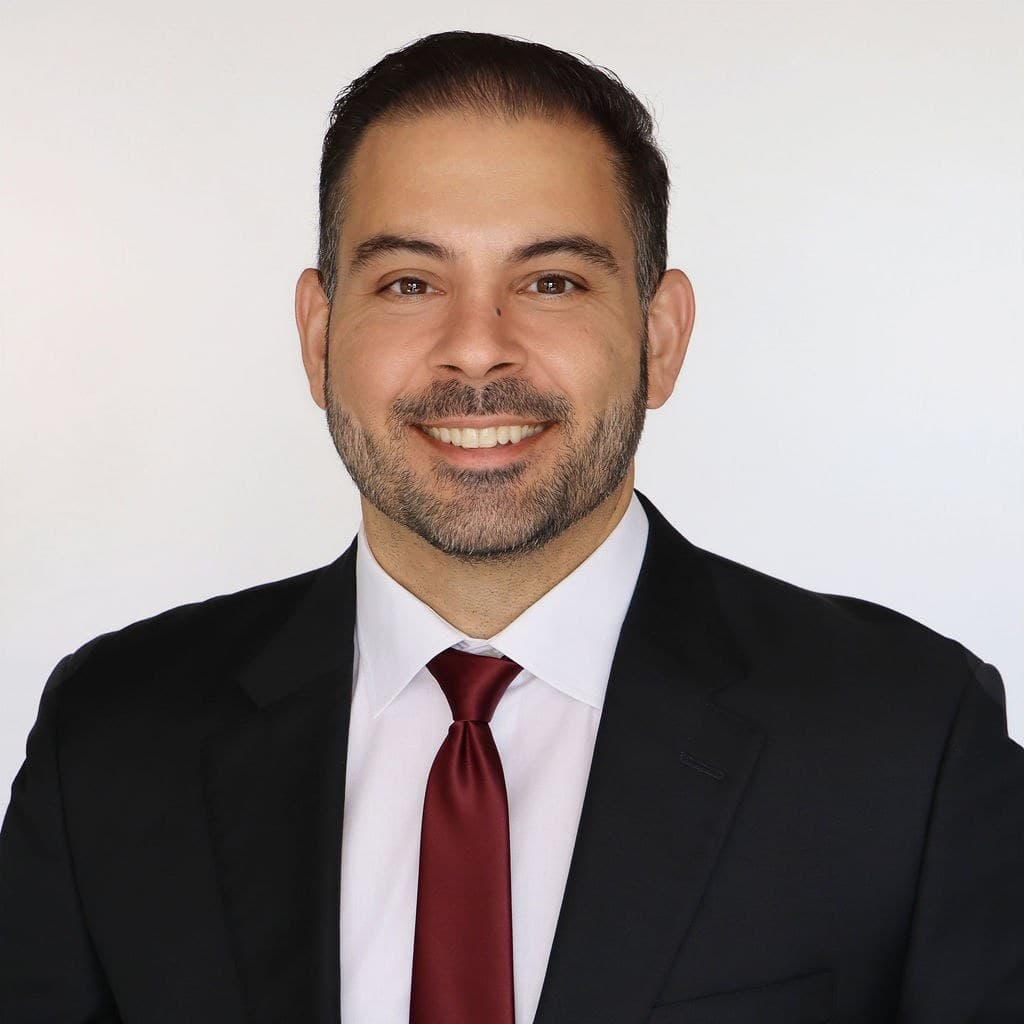
Eman Yazdchi, Esq., Certified Specialist in Workers' Compensation Law, California Board of Legal Specialization, State Bar of California.


California Board of Legal Specialization, State Bar of California
California Board of Legal Specialization, State Bar of California
- 14+
- Years of Practice
- 2,000+
- Cases handled over 14+ years
- $50M+
- Recovered over 14+ years
- 3
- Languages: English, Español, Farsi
Past results do not guarantee, warrant, or predict future cases. Each case is different and results depend on specific facts and circumstances.
Prepared by Yazdchi Law
Why did the MPN second opinion matter?
The treating network doctor kept ordering conservative care while shoulder pain, night symptoms, and motion loss pointed to a deeper injury.
The worker knew something was wrong. Physical therapy was not fixing the shoulder. Pain continued at night. Range of motion stayed limited. The worker suspected a rotator cuff tear, but the treating Medical Provider Network doctor would not order an MRI or send the worker to an orthopedic specialist.
The claim was stuck inside the network. The worker was treating, but the treatment plan was going nowhere. Month after month, the worker was told to keep trying conservative care. The medical record did not answer the main question: was there a structural shoulder injury that needed different treatment?
Labor Code 4616 gives workers rights inside a valid Medical Provider Network. A worker can choose from the network, change doctors, and request second and third opinions when there is a dispute over diagnosis or treatment. Those rights are practical tools, not technical details.
The strategy was to use the MPN rules before the claim got worse. The second-opinion physician had to be selected carefully from the network list. The goal was not doctor shopping. The goal was to get a qualified physician to review the persistent symptoms, failed therapy, limited motion, and need for imaging.
The second-opinion path changed the file. The worker obtained a better medical review, the shoulder was imaged, and the treatment plan moved toward the care the injury required. That also helped the eventual disability and settlement analysis because the record finally matched the worker's condition.
How did the second opinion unlock treatment?
The worker used network rights, selected a better specialist match, and turned a stalled conservative plan into an imaging and surgery path.
Labor Code 4616 sets the Medical Provider Network framework. The employer or insurer may require treatment inside a valid network, but the worker still has rights. The worker can choose a physician from the network and request another view when the treating doctor refuses needed care.
The first step was reviewing the network list. Not every listed doctor was equally useful for a shoulder injury. The worker needed a physician with relevant orthopedic experience, attention to persistent symptoms, and a willingness to order imaging when conservative care failed.
The second-opinion request had to be tied to the facts. The worker had months of therapy, persistent pain, lost motion, and night symptoms. Those facts supported the need for an MRI and orthopedic review. A vague request would have been easier to ignore.
If the second-opinion physician conflicts with the first doctor, the worker may seek a third opinion under Labor Code 4616. That third opinion can resolve the specific dispute. Many cases do not need that step because a strong second opinion can move the treatment plan forward.
Once the doctor requested imaging or surgery, Utilization Review still had a role. Labor Code 4610 lets the insurer review treatment requests. If UR denies or modifies the request, Labor Code 4610.5 allows IMR. The worker needed both tools ready: MPN rights for doctor selection and IMR for treatment denials.
| Step | What happens | Your deadline |
|---|---|---|
| Treatment request | Your doctor asks the insurer to approve care | None |
| Utilization Review | A reviewer approves, modifies, or denies it | Days |
| Denied | You request Independent Medical Review | 30 days to appeal |
| IMR decision | A neutral doctor decides on the records | Final and binding |
Labor Code 4600 supplied the underlying treatment duty. If the shoulder injury required an MRI, specialist consult, injection, surgery, therapy, or follow-up care, the insurer had to provide reasonable care. The second opinion helped show what care was actually reasonable.
The MPN itself also had to be valid. If the network lacked adequate specialists, had inaccurate lists, or failed to provide reasonable access, a validity challenge could be considered. That is more aggressive than a second opinion, but it can matter when the network blocks care.
Delayed treatment may affect the whole claim. Without imaging, the worker cannot prove the full injury. Without a proper diagnosis, the worker may receive the wrong restrictions. Without the right restrictions, temporary disability and permanent disability may be undervalued.
| Benefit | What it pays in 2026 |
|---|---|
| Temporary disability | Two-thirds of your wage, $264.61 to $1,764.11 per week, up to 104 weeks (Labor Code 4656) |
| Permanent disability | Two-thirds of your wage, $160 to $290 per week, set by your rating (Labor Code 4658) |
| Medical care | 100 percent of approved care, no copay (Labor Code 4600) |
| Medical mileage | 76 cents per mile to your appointments for trips on or after July 1, 2026 (72.5 cents earlier in 2026) |
| Job retraining voucher | $6,000 if you cannot return to your old job (Labor Code 4658.7) |
| Death benefits | $250,000 to $320,000 to dependents, plus $10,000 burial (Labor Code 4702) |
The second-opinion strategy therefore had two jobs. It helped the worker get treatment. It also helped build the record needed for the eventual rating, future medical care, and settlement discussion.
What signs showed the MPN plan was stalled?
The warning signs were repeated therapy, no imaging, night pain, limited motion, and no clear plan for the suspected tear.
A stalled MPN case often looks busy on paper. The worker attends visits. Therapy continues. Work notes get updated. But the key question never gets answered. In this file, the question was simple: was there a rotator cuff tear or another structural shoulder injury?
The second-opinion strategy forced that question into the record. It gave another doctor the full symptom pattern. It also created a path for imaging and specialist care. That helped the worker avoid months of delay while the injury stayed untreated.
The same approach can help other stalled claims. The worker should keep notes about pain, sleep, motion, missed work, and failed therapy. Those facts help show why more of the same care is not enough.
Results in cases like this
Every case is different. Past results do not guarantee, warrant, or predict a similar outcome.
$5,000,000
Catastrophic spinal cord injury
$1,500,000
Cervical spine injury
$425,000
Slip and fall accident
Find Out What Your Case May Be Worth
Two minutes. No fee unless we win; costs may apply.
Question 1 of 5
What type of injury do you have?
Not ready to fill this out? Just call (661) 273-1780 and we’ll ask the same questions by phone.
Free Consultation
Call or send the short form. We review your case, explain your rights, and outline your options. Free, no obligation.
We Build Your Case
We gather medical evidence, handle the insurance company, and file all the workers' comp court (WCAB) paperwork for you.
We Pursue Every Benefit
Medical care, lost wages, and permanent disability benefits. No fee unless we win your case; costs may apply.
What did the MPN strategy protect?
The strategy protected the worker from a stalled network plan and created the record needed for real shoulder treatment.
The recovery in this type of case is not just one authorization. It can include the MRI, orthopedic consult, possible rotator cuff surgery, temporary disability during healing, permanent disability after the shoulder stabilizes, and future medical care if symptoms remain.
Yazdchi Law handles MPN disputes for injured workers across Greater Los Angeles and the Antelope Valley. Depending on venue, hearings may involve WCAB Van Nuys, Los Angeles, Long Beach, Pomona, San Bernardino, Riverside, or Oxnard. The same core issue appears in many boards: the network doctor is too conservative and the worker needs a better medical path.
Eman Yazdchi is a Certified Specialist in workers' compensation law, certified by the California Board of Legal Specialization, State Bar of California. Call (661) 273-1780 when an MPN case stalls. The early review should look at the network list, the treating doctor's notes, therapy history, symptoms, work restrictions, and any denial letters. The right next step may be a second opinion, an IMR appeal, or a network challenge.
Every case is different. Past results do not guarantee a similar outcome. This case study shows a treatment strategy, not a promised result. The worker used the rules inside the MPN to get the claim moving again.
The worker also needed to keep a simple symptom log. The log tracked sleep loss, lifting pain, missed work, and tasks the shoulder could not handle. That record helped show why more basic therapy was not enough and why imaging made sense.
A network list can be confusing. The right choice depends on the injury, the specialty, and the dispute. That is why the second-opinion step should be planned before the request is sent.
Injured at work? Talk it through for free.
Most claims must be filed within one year under Labor Code section 5405. A free call tells you where your clock stands.
Frequently Asked Questions
What is an MPN second opinion in workers comp?
When should a shoulder injury worker ask for a second opinion?
Can the worker choose the second-opinion doctor?
What happens if the second-opinion doctor agrees imaging is needed?
What is an MPN third opinion?
Can a worker challenge the MPN itself?
Does a stalled MPN plan affect the settlement value?
What should a worker bring to an MPN strategy review?
Why is night pain important in a shoulder claim?
Can an MPN second opinion help without leaving the network?
Free case evaluation
Get your free case evaluation
Three fields. We respond within one business day.
Talk to a Certified Specialist
Certified Specialist in Workers' Compensation Law, California Board of Legal Specialization, State Bar of California.
Takes 30 seconds. No obligation.
Eman by far exceeds the basic requirements other lawyers give to clients and surpasses all expectations.
Eman really knows his stuff and we were very pleased with our end result.
Client testimonials. Testimonials are not a guarantee, warranty, or prediction of the outcome of your case.