
Port Hueneme, California · Workers' Compensation
Workers' Comp Claim Denied Lawyer in Port Hueneme, California
Hurt at work in Port Hueneme? Workers' comp pays for medical care and part of your lost pay while you heal. A free call tells you where you stand.
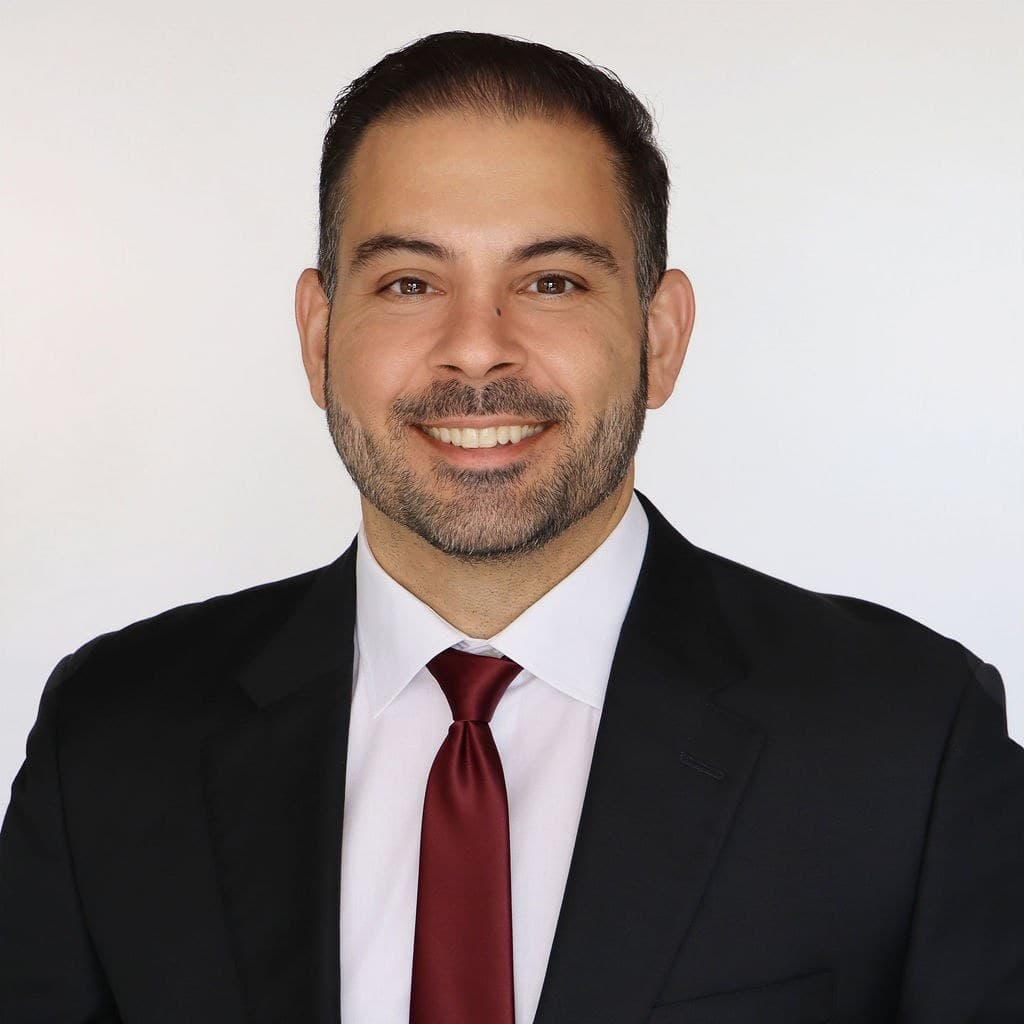
Eman Yazdchi, Esq., Certified Specialist in Workers' Compensation Law, California Board of Legal Specialization, State Bar of California.


California Board of Legal Specialization, State Bar of California
California Board of Legal Specialization, State Bar of California
- 14+
- Years of Practice
- 2,000+
- Cases handled over 14+ years
- $50M+
- Recovered over 14+ years
- 3
- Languages: English, Español, Farsi
Past results do not guarantee, warrant, or predict future cases. Each case is different and results depend on specific facts and circumstances.
Prepared by Yazdchi Law
A denial letter can make a hard week feel worse. You may be hurt, missing pay, and still expected to keep bills moving. If you work near the Port of Hueneme, on Hueneme Road, around Channel Islands Harbor, or in a small shop close to the beach, that letter can feel final. It is not final in many cases.
Insurance companies deny claims for many reasons. They may say your injury did not happen at work. They may blame age, an old MRI, or a gap in care. They may say your DWC-1 claim form was late. Sometimes they simply did not finish the investigation in time. The next move matters because deadlines keep running.
California law gives injured workers tools after a denial. One tool is the 90-day decision rule. Another is medical care during the investigation, up to $10,000. A treatment denial has a different path called Utilization Review and Independent Medical Review. A full claim denial may need evidence, a judge, and a careful filing at the Oxnard WCAB.
Eman Yazdchi helps injured workers sort out which denial they received, what deadline applies, and what proof is missing. The goal is simple: get the claim back on track without letting the insurer's first answer become the last word.
What should you do after a Port Hueneme claim denial?
Act fast, save the letter, and find the exact reason given. The right response depends on the kind of denial.
Start with the denial notice. Do not skim it and toss it in a drawer. Look for the date, the claim number, the adjuster's name, and the reason listed. That reason tells us what evidence to build first.
If the insurer says the injury is not work related, the case often needs witness facts, job duty proof, and medical notes that connect the injury to work. If you lift boxes near the harbor, drive loads out of the port area, clean rooms near Hueneme Beach, or cut produce after long shifts on the Oxnard Plain, the details of the job matter.
If the insurer says you reported too late, we look at who knew about the injury and when. A text to a supervisor, a clinic note, a timecard change, or a safety report can matter. Do not assume the denial is right just because it uses legal words.
If the insurer denied a surgery, therapy, injection, MRI, or medication, that may be a medical treatment denial. That path is different from a full claim denial. It often starts with Utilization Review, also called UR. If UR says no, the next step is usually Independent Medical Review, called IMR. IMR has a short 30-day window, so delay can hurt.
| Issue in the denial | What it usually means | What helps answer it |
|---|---|---|
| 90-day claim decision | The insurer must accept or deny after the claim form is received | DWC-1 date, proof of delivery, adjuster letters |
| Interim care | Medical care may be owed during the investigation, up to $10,000 | Doctor referrals, bills, treatment requests |
| Work connection | The insurer disputes that work caused the injury | Job task details, witness names, medical history |
| UR or IMR | The claim may be accepted, but a treatment request was turned down | Doctor report, failed care history, imaging, IMR form |
| Oxnard WCAB filing | A judge may need to decide the dispute | Application, medical records, denial letters, proof of wages |
How does the 90-day rule help after a denial?
The 90-day rule can help when the insurer waits too long to make a clear claim decision.
After your employer receives the claim form, the insurer does not get endless time. It must investigate and make a timely decision. If it misses the 90-day window, the claim may be presumed covered. That does not mean every late case is simple. It does mean the insurer has a much harder road.
Under Labor Code §5402, if liability is not rejected within 90 days after the claim form is filed, the injury is presumed compensable. The employer may rebut the presumption only with evidence discovered after that 90-day period.
This rule is powerful because workers should not be left in limbo. A dock support worker, a Hueneme Road clerk, or a cook near Channel Islands Harbor should not wait month after month with no answer. The file needs a timeline. We check when you gave the DWC-1 form, when the employer got it, and when the denial actually issued.
There is also a medical care rule during the early claim period. Even before the claim is accepted, the employer may owe treatment up to $10,000 while it investigates. This can include clinic care, imaging, therapy, and other reasonable early treatment. If the adjuster refused all care from day one, that is a fact we want to see.
Do not rely on memory alone. Save envelopes, emails, claim forms, work texts, clinic slips, and adjuster letters. A clean timeline can change the whole case.
Why do insurance companies deny Port Hueneme claims?
Insurers often deny claims because they dispute cause, timing, medical proof, employment status, or the body part injured.
Many denials start with causation. That means the insurer says work did not cause the injury. In Port Hueneme, this can happen when a worker has a prior back problem, a shoulder issue from years ago, or normal age changes on an MRI. The insurer may point to those facts and ignore the work duties that made things worse.
Some denials focus on timing. The adjuster may say you waited too long to report the injury. That can be unfair when a worker tried to keep working, hoped the pain would pass, or told a lead worker instead of human resources. The facts need to be gathered from the real workplace, not just the insurer's form letter.
Port area cases can also raise system questions. Some stevedore and longshore work may involve federal Longshore rules. Some civilian contractor work tied to Naval Base Ventura County may raise Defense Base Act questions. Other private jobs away from the dock usually belong in California workers' comp. The first step is to make sure the claim is in the right system.
Medical proof is another common issue. A denial may say no doctor connected the injury to work. That does not always mean the connection is false. It may mean the doctor did not have a full job description, did not explain the heavy tasks, or did not address the insurer's old-record argument.
How do UR and IMR fit with a denied treatment request?
UR and IMR are medical review steps. They are used when care is denied, delayed, or changed.
A claim can be accepted while a certain treatment is still denied. For example, the insurer may accept a back injury but deny an MRI, injection, therapy, or surgery. That is usually a UR problem, not a full claim denial.
UR is the insurer's review of the treating doctor's request. The reviewer checks medical guidelines and may approve, change, delay, or deny care. If UR denies the request, IMR is usually the next step. IMR sends the medical dispute to an outside reviewer. The deadline is short. Many workers miss it because the denial letter is confusing.
A strong IMR package is built from medical facts. It should show what care already failed, what the exam found, what imaging shows, and why the requested care is tied to your work injury. A short doctor note that says only "patient needs treatment" is often not enough.
This is where detail helps. If a Port of Hueneme warehouse worker cannot lift overhead after a pallet shift, the doctor should know the job demands. If a hotel housekeeper near Hueneme Beach cannot push carts or make beds without pain, the record should say that. The reviewer needs the real job story.
When does the Oxnard WCAB get involved?
The Oxnard WCAB handles Ventura County California workers' comp disputes when the parties cannot resolve the denial.
Port Hueneme California comp cases are usually heard through the Oxnard Workers' Compensation Appeals Board. The office is the local board for Ventura County disputes. A judge may need to decide whether the injury is covered, whether benefits are owed, or whether the insurer handled the claim correctly.
A WCAB case is not just a courtroom fight. Much of the work happens before the hearing. We collect records, file the proper forms, request wage proof, review medical reports, and prepare the issues. A rushed filing with thin proof can leave the worker stuck. A careful filing can put pressure on the insurer to explain the denial.
If the dispute is about medical cause, a Qualified Medical Evaluator may be needed. This is a doctor selected through the California panel process. The doctor reviews records, examines you, and writes a report on work cause, disability, and treatment needs. The wording of that report can decide the case.
How can Eman Yazdchi help with a denied claim?
Eman Yazdchi reviews the denial, builds the missing proof, and chooses the right path for the next deadline.
Eman Yazdchi is a Certified Specialist by the California Board of Legal Specialization, State Bar of California. That matters in denied cases because the first denial is often built on gaps. The job is to find the gap, fill it with proof, and move the case through the correct path.
The review starts with simple questions. What work were you doing? Who did you tell? When did the employer get the claim form? What care was denied? What did the doctor write? Did the insurer deny the whole claim, or only a treatment request?
From there, the plan may include an IMR filing, a WCAB filing, a demand for interim medical care, a medical-legal evaluation, or a hearing. No lawyer can promise a result. You should still know what the denial means and which deadline applies.
Call (661) 273-1780 if you received a denial letter, UR denial, or IMR form. The call can help you learn what is urgent and what records to gather before the insurer's deadline passes.
Results in cases like this
Every case is different. Past results do not guarantee, warrant, or predict a similar outcome.
$5,000,000
Catastrophic spinal cord injury
$1,500,000
Cervical spine injury
$425,000
Slip and fall accident
Find Out What Your Port Hueneme Case May Be Worth
Two minutes. No fee unless we win; costs may apply.
Question 1 of 5
What type of injury do you have?
Not ready to fill this out? Just call (661) 273-1780 and we’ll ask the same questions by phone.
Free Consultation
Call or send the short form. We review your case, explain your rights, and outline your options. Free, no obligation.
We Build Your Case
We gather medical evidence, handle the insurance company, and file all the workers' comp court (WCAB) paperwork for you.
We Pursue Every Benefit
Medical care, lost wages, and permanent disability benefits. No fee unless we win your case; costs may apply.
Port Hueneme cases have local details that can change the analysis. The Port of Hueneme has cargo, vehicle, warehouse, truck, and cold-chain work. Naval Base Ventura County brings federal and contractor questions. Hueneme Road has retail, food service, delivery, and small business jobs. Nearby Oxnard Plain farm and packing work can involve lifting, bending, cutting, sorting, and long shifts.
Those details matter because denied claims often turn on the real job duties. A form job title may say "driver," while the real work includes chaining loads, unloading, climbing, and repeated reaching. A title may say "cashier," while the real day includes stocking, mopping, and lifting cases. We want the real work, not the short label.
For California workers' comp claims, Port Hueneme disputes are generally tied to the Oxnard WCAB. Longshore, Defense Base Act, or federal employee claims may belong in a different system. That screen should happen early so time is not lost in the wrong place.
Injured at work in Port Hueneme? Talk it through for free.
Most claims must be filed within one year under Labor Code section 5405. A free call tells you where your clock stands.
Frequently Asked Questions
Is a denied Port Hueneme workers' comp claim over?
What is the 90-day claim decision rule?
Can I get medical care while the insurer investigates?
What if only my treatment was denied?
Why did the insurer blame my old injury?
Where are Port Hueneme California comp disputes heard?
Do undocumented workers have the right to fight a denial?
What does it cost to call Yazdchi Law?
Free case evaluation
Get your free Port Hueneme case evaluation
Three fields. We respond within one business day.
Talk to a Certified Specialist
Certified Specialist in Workers' Compensation Law, California Board of Legal Specialization, State Bar of California.
Takes 30 seconds. No obligation.
I am glad and so very pleased...he made happen what no other attorney could do. So far he has proven his weight in gold.
Eman at Yazdchi Law was extremely professional, responsive, and supportive at all times. He and his staff exceeded all of my expectations.
Client testimonials. Testimonials are not a guarantee, warranty, or prediction of the outcome of your case.