
Redlands, California · Workers' Compensation
Workers' Comp Claim Denied Lawyer in Redlands, California
Hurt at work in Redlands? Workers' comp pays for medical care and part of your lost pay while you heal. A free call tells you where you stand.
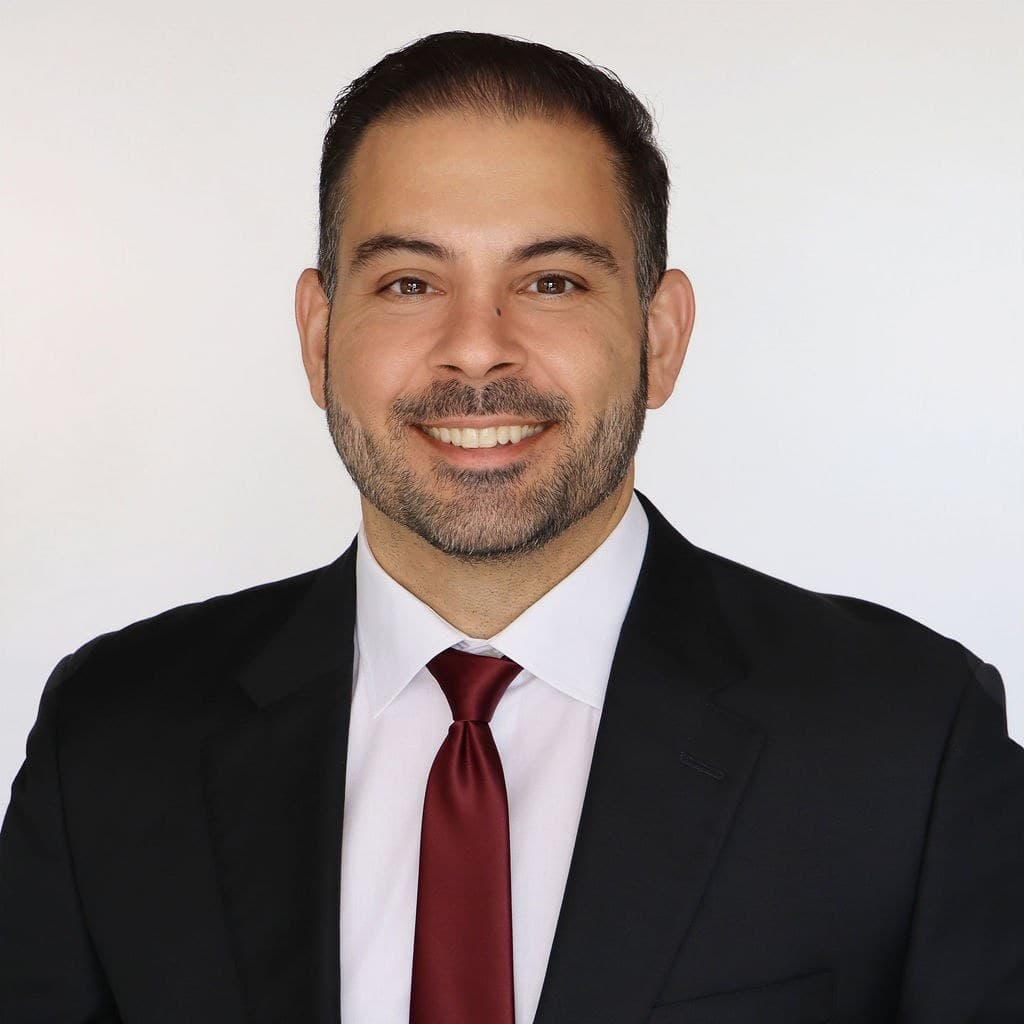
Eman Yazdchi, Esq., Certified Specialist in Workers' Compensation Law, California Board of Legal Specialization, State Bar of California.


California Board of Legal Specialization, State Bar of California
California Board of Legal Specialization, State Bar of California
- 14+
- Years of Practice
- 2,000+
- Cases handled over 14+ years
- $50M+
- Recovered over 14+ years
- 3
- Languages: English, Español, Farsi
Past results do not guarantee, warrant, or predict future cases. Each case is different and results depend on specific facts and circumstances.
Prepared by Yazdchi Law
A denial letter can make a Redlands worker feel shut out. It may say your back pain is old. It may say your wrist injury came from life, not work. It may deny the MRI your doctor ordered. That letter is not the last word.
California gives you several ways to answer a denial. The insurer has a short window to accept or deny the claim after it gets your DWC-1 form. During that review period, it must authorize up to $10,000 in medical care. If the denial is about treatment, like surgery, injections, therapy, an MRI, or an EMG, you may need Independent Medical Review. If the denial is about the whole claim, you usually need a Workers' Compensation Appeals Board case, medical proof, and a judge if the insurer will not change course.
Redlands claims often start in very different workplaces. A software engineer at Esri may have carpal tunnel or neck pain after years at a keyboard. A nurse or aide at Redlands Community Hospital may be denied after a patient lift. A University of Redlands employee may be told a slip or shoulder injury did not happen at work. A retail worker near State Street or a driver moving through the I-10 corridor may be blamed for an old condition. Each fact pattern needs a clear answer.
Eman Yazdchi handles Redlands denied-claim files at the San Bernardino district office of the Workers' Compensation Appeals Board. If you have a denial letter, a delayed decision, or a treatment refusal, call (661) 273-1780. Bring the letter, the DWC-1, any work notes, and your medical records if you have them.
Was your Redlands workers' comp claim denied?
A denial is the insurer's position, not the judge's final answer. The next step depends on what was denied and when.
Start by reading the denial letter slowly. Look for the date, the reason, and the body parts listed. Some letters deny the whole case. Some accept one body part but deny another. Some only deny treatment after Utilization Review, often called UR. Each path has a different fix.
A full claim denial says your injury did not arise from work. The insurer may blame an old MRI, home activity, late reporting, or lack of witnesses. That denial is fought with medical records, a treating doctor report, a Qualified Medical Evaluator, and testimony about how the injury happened.
A treatment denial means the insurer may accept the claim but refuse one medical request. For example, a Redlands Community Hospital worker may get visits but not a lumbar MRI. An Esri worker may get splints but not nerve testing. These disputes move through UR and then IMR.
Why do insurers deny Redlands claims?
Insurers deny claims when they think the medical record is weak, late, incomplete, or points away from work.
Many denials are built from small gaps. A worker tells a supervisor in person but never writes it down. An urgent care note says "pain for months" but does not mention the job. A doctor writes "degenerative" without asking about years of typing, lifting, driving, or stocking. The adjuster then treats that thin record as proof against you.
Redlands has many cumulative injury claims. That means the harm built up over time. Keyboard work at a GIS desk, patient handling on Terracina Drive, campus maintenance at the university, grocery lifting, and delivery routes near Orange Street can all build pain slowly. Insurers often call that normal aging. The answer is not anger. The answer is better proof.
Strong proof includes written notice to work, a clear timeline, job-duty details, witness names, medical records, imaging, and a doctor who explains why the job caused or worsened the condition. The QME process can also force a neutral medical review when the insurer will not accept the claim.
How does the 90-day decision rule help?
Once the claim form is filed, the insurer gets 90 days to accept or deny. During review, medical care is still owed.
Labor Code §5402(c): "Within one working day after an employee files a claim form, the employer shall authorize the provision of all treatment, consistent with Section 5307.27 or the American College of Occupational and Environmental Medicine's Occupational Medicine Practice Guidelines, for the alleged injury and shall continue to provide the treatment until the date that liability for the claim is accepted or rejected. Until the date the claim is accepted or rejected, liability for medical treatment shall be limited to ten thousand dollars ($10,000)."
This rule matters because a worker should not be left with no care while an adjuster investigates. If you gave the employer a completed DWC-1 form, ask what treatment was authorized in the review period. Keep proof of the date you gave the form to work.
If the insurer waits too long to deny the case, the law can help you. A late denial can make the injury presumed covered. The insurer then has a harder job. It must rely on evidence that meets the legal standard. This is often a key issue at the San Bernardino WCAB.
| Problem | What it means | Usual response | Law |
|---|---|---|---|
| Claim not accepted or denied | The adjuster is still investigating after the DWC-1 | Track the 90-day deadline and interim care | §5402 |
| Treatment denied by UR | A reviewer refused a doctor request | File IMR within 30 days | §4610.5 |
| IMR decision issued | The medical review is usually final on treatment need | Check for narrow appeal grounds | §4610.6 |
| Whole claim denied | The insurer disputes work cause | Open a WCAB case and develop medical proof | §4062.2 |
| Judge rules against you | A final WCAB decision was issued | Consider a Petition for Reconsideration fast | §5903 |
What if treatment was denied by UR or IMR?
A UR denial refuses a medical request. IMR is the main appeal path, and the deadline is short.
UR reviews the treating doctor's request against state treatment rules. The reviewer may deny care because records are missing, conservative care is not shown, or the request is not tied to objective findings. A short denial can still be wrong, but you must answer it the right way.
IMR asks an independent doctor to review the record. You have 30 days from the UR denial to request IMR. The strongest packet explains the diagnosis, the failed care, the imaging or test results, and why the requested treatment is needed now.
After IMR issues a decision, the result is hard to undo. That is why the record sent to IMR matters. A rushed packet can miss the proof that would have helped. We look for missing reports, late UR notices, wrong reviewer issues, and gaps your treating doctor can fix.
What should you do after a denial letter?
Save the letter, write down the timeline, keep treating if you can, and get legal help before short deadlines pass.
First, save every envelope, email, and notice. The date of service can matter. Second, make a simple timeline. Include the injury date, when you told work, who you told, when you got the DWC-1, and when you saw a doctor. Third, list witnesses and job tasks. Use plain facts. What did you lift? How often did you type? Which route did you drive?
Do not argue with the adjuster by phone without a plan. Ask for written reasons. If you are still in pain, keep medical appointments through any lawful source available, including group health or state disability, while the comp dispute is fought. Those records may help prove the claim later.
Call (661) 273-1780 if the letter mentions work cause, pre-existing disease, late notice, lack of medical proof, UR, IMR, or a missed deadline. A free review can sort the next step without guessing.
Results in cases like this
Every case is different. Past results do not guarantee, warrant, or predict a similar outcome.
$5,000,000
Catastrophic spinal cord injury
$1,500,000
Cervical spine injury
$425,000
Slip and fall accident
Find Out What Your Redlands Case May Be Worth
Two minutes. No fee unless we win; costs may apply.
Question 1 of 5
What type of injury do you have?
Not ready to fill this out? Just call (661) 273-1780 and we’ll ask the same questions by phone.
Free Consultation
Call or send the short form. We review your case, explain your rights, and outline your options. Free, no obligation.
We Build Your Case
We gather medical evidence, handle the insurance company, and file all the workers' comp court (WCAB) paperwork for you.
We Pursue Every Benefit
Medical care, lost wages, and permanent disability benefits. No fee unless we win your case; costs may apply.
What is local about a Redlands denial?
Redlands denials often involve tech, healthcare, university, retail, citrus, and I-10 corridor jobs, with disputes heard in San Bernardino.
Redlands cases are heard at the San Bernardino district office of the Workers' Compensation Appeals Board, 464 West 4th Street, San Bernardino, CA 92401. That venue handles Redlands workers along with nearby Loma Linda, Highland, Mentone, Yucaipa, Colton, Rialto, Fontana, Ontario, and other San Bernardino County communities.
The local job mix shapes the denial. Esri and related GIS work can produce neck, wrist, hand, eye-strain, and stress-linked medical records that insurers may call non-work. Redlands Community Hospital and nearby Loma Linda medical work can involve patient lifts, falls, needle incidents, and back injuries. University of Redlands staff, warehouse workers, grocery clerks, restaurant crews, citrus and landscape workers, and I-10 drivers bring different proof needs.
For a Redlands tech worker, the proof may be workstation setup, time at keyboard, years in the same role, nerve tests, and a doctor who understands repetitive work. For a hospital worker, the proof may be staffing levels, lift equipment, witness names, and the first report after a transfer or fall. For a driver or retail worker, the proof may be route logs, delivery loads, video, incident reports, and records showing pain began after work tasks.
Local medical access also matters. Redlands Community Hospital and Loma Linda University Medical Center often appear in the paper trail before the workers' comp doctor sees the worker. Emergency notes may help or hurt. If the first note misses the work cause, a later doctor must explain the full timeline clearly.
About your attorney: Eman Yazdchi is a Certified Specialist in Workers' Compensation Law, certified by the California Board of Legal Specialization, State Bar of California, CA Bar #285231. Yazdchi Law does not promise a result. The firm focuses on building the record, meeting deadlines, and presenting the claim clearly at the San Bernardino WCAB.
Injured at work in Redlands? Talk it through for free.
Most claims must be filed within one year under Labor Code section 5405. A free call tells you where your clock stands.
Frequently Asked Questions
Is a denied Redlands workers' comp claim over?
What is the 90-day rule for a denied claim?
Why would an insurer deny an Esri keyboard injury?
How do I fight a UR denial of treatment?
What if my whole Redlands claim was denied as not work-related?
Can I get care while the denial is being fought?
Which WCAB handles Redlands denied claims?
What does a Redlands denial lawyer cost?
Free case evaluation
Get your free Redlands case evaluation
Three fields. We respond within one business day.
Talk to a Certified Specialist
Certified Specialist in Workers' Compensation Law, California Board of Legal Specialization, State Bar of California.
Takes 30 seconds. No obligation.
Eman by far exceeds the basic requirements other lawyers give to clients and surpasses all expectations.
Eman really knows his stuff and we were very pleased with our end result.
Client testimonials. Testimonials are not a guarantee, warranty, or prediction of the outcome of your case.