
Redlands, California · Workers' Compensation
Workers' Comp Settlement Lawyer in Redlands, California
Hurt at work in Redlands? Workers' comp pays for medical care and part of your lost pay while you heal. A free call tells you where you stand.
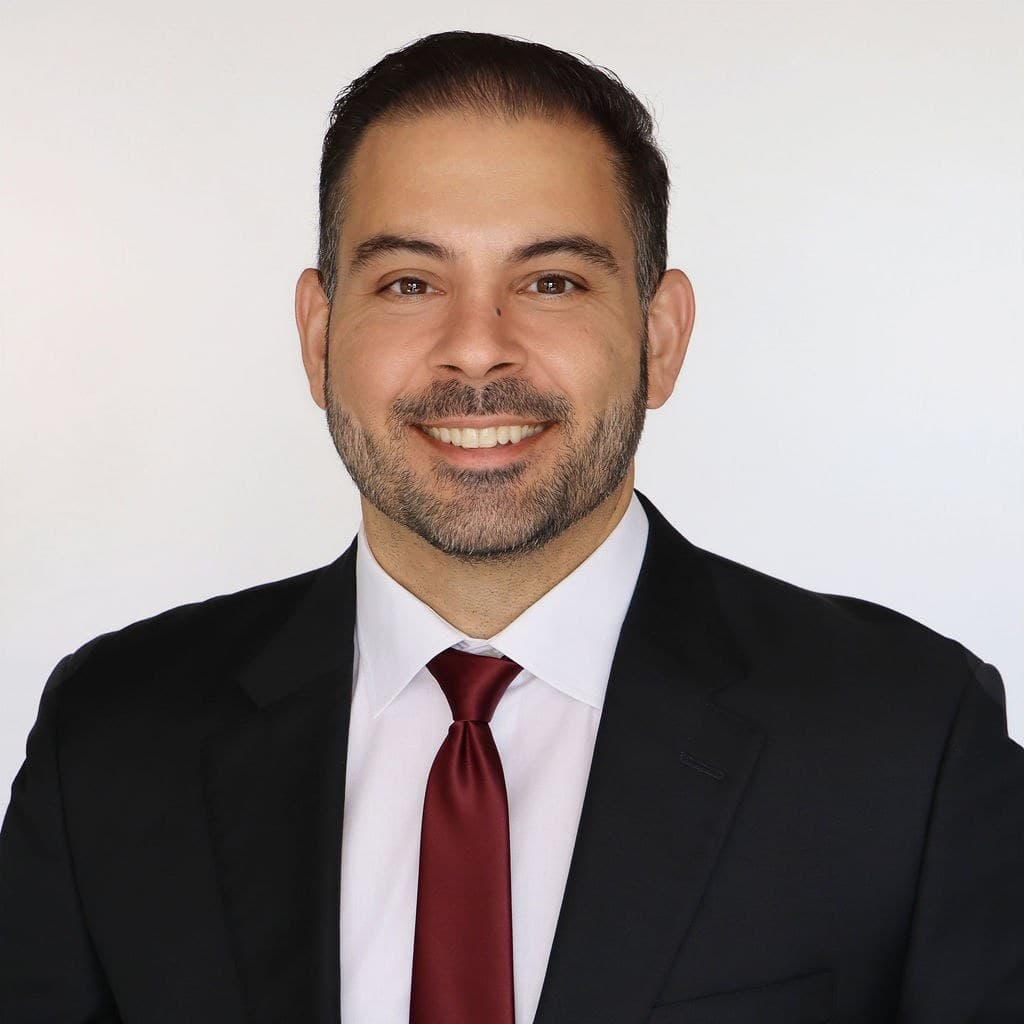
Eman Yazdchi, Esq., Certified Specialist in Workers' Compensation Law, California Board of Legal Specialization, State Bar of California.


California Board of Legal Specialization, State Bar of California
California Board of Legal Specialization, State Bar of California
- 14+
- Years of Practice
- 2,000+
- Cases handled over 14+ years
- $50M+
- Recovered over 14+ years
- 3
- Languages: English, Español, Farsi
Past results do not guarantee, warrant, or predict future cases. Each case is different and results depend on specific facts and circumstances.
Prepared by Yazdchi Law
A settlement should make your next step clearer, not more confusing. By the time an offer arrives, you may be tired of doctor visits, adjuster calls, and bills. It is normal to want the case done. It is also smart to slow down before you sign.
Workers in Redlands do very different jobs. A software worker at Esri, a nurse at Redlands Community Hospital, a custodian at the University of Redlands, a clerk at Citrus Plaza, and a warehouse worker near the I-10 corridor do not put the same strain on their bodies. That difference can change the rating.
The goal is not to chase a number from the internet. The goal is to know what rights you are trading away. A settlement should account for your rating, future care, unpaid benefits, and the risk of closing the claim too soon.
Do you have a case in Redlands?
You may have a settlement case if work caused your injury and the medical record shows lasting limits or treatment needs.
A Redlands worker may have a settlement claim after one accident or a slower build-up injury. A fall in a hospital hallway, a back injury in a warehouse, hand pain from keyboard work, or a shoulder injury from stocking shelves can all lead to a valid claim.
Settlement usually comes after the injury reaches a stable point. That does not mean you feel perfect. It means the doctor can rate what is likely to last. If treatment is still moving fast, it may be too early to close future medical care.
How much is a Redlands workers' comp claim worth?
A Redlands claim is valued by rating, job demands, age, medical needs, unpaid benefits, and any proven non-work cause.
The number starts with the permanent disability rating. That rating is built from the medical impairment, then adjusted for age and occupation. It is then turned into weeks of payment. Future medical care can add value if the case closes by lump sum.
Use the table as California reference data only. It is not a quote for your case. A Redlands hospital worker with a shoulder surgery may have a different value than an office worker with the same diagnosis. Job duties matter.
These are general California ranges, not a prediction. Your actual award depends on your disability rating, age, occupation, and future medical care. Past results do not guarantee future outcomes.
| Injury severity | Typical PD rating | Approximate statewide range |
|---|---|---|
| Resolved strain or minor contusion | 0 to 5 percent | $0 to $5,000 |
| Ongoing symptoms with conservative care | 6 to 15 percent | $5,000 to $25,000 |
| Operation, permanent restrictions, or nerve signs | 16 to 35 percent | $25,000 to $70,000 |
| Major orthopedic injury or multiple body parts | 36 to 70 percent | $70,000 to $200,000, plus future care value |
| Severe permanent disability | 71 to 100 percent | Case-specific, often with lifetime payments and medical care |
Some offers look large until you compare them to the care being closed. If the worker may need future surgery, pain care, or medication for years, the medical buyout can be as important as the disability money.
Compromise & Release vs Stipulated Award in Redlands
A C&R usually ends the whole claim. A Stipulated Award pays disability and keeps accepted medical care open.
A Compromise and Release gives one approved lump sum. It usually closes future medical treatment for the accepted body parts. A Stipulated Award sets the rating and pays the disability benefit over time, while leaving medical care open for the accepted injury.
Labor Code section 5001 says: "No release of liability or compromise agreement is valid unless it is approved by the appeals board or referee."
The San Bernardino WCAB judge must approve the settlement before the carrier pays. The review should show the injured body parts, the rating, attorney fees, future medical terms, and any liens.
There is no single right form for every worker. A younger worker who is done treating may want finality. A worker with a serious spine, knee, shoulder, or hand injury may need open care more than a lump sum.
Which facts move the settlement number?
The strongest value facts are clear work duties, a fair medical rating, future care proof, and a careful apportionment review.
For newer injuries, California's rating rule for post-2013 injuries adjusts the medical score for age and occupation. Heavy or repetitive work can rate differently than light office work. The final rating drives the disability payment.
The carrier may try to shift part of the rating to a past injury, arthritis, age, or another cause. That is apportionment. The doctor has to explain the split. If the report does not explain it, the settlement should not simply accept the cut.
Medical care can move the number more than people expect. A Redlands worker with a closed sprain and no future treatment is in a different spot than a worker who may need a fusion, shoulder repair, knee replacement, or long course of pain care.
Unpaid temporary disability, job retraining, mileage, medical bills, and liens also need review. Small missing items can add up when the file has been open for months.
What about Medicare in a Redlands settlement?
Medicare issues should be handled before settlement approval when future work-injury treatment may later be billed to Medicare.
Medicare is most important when the worker already has Medicare, expects Medicare soon, or has high future care costs. A Medicare Set-Aside may be needed in a C&R. It sets money aside for future treatment tied to the work injury.
The Set-Aside number should match the medical proof. If it is too low, the worker may face problems getting later care paid. If it is too high, the settlement may not fairly reflect the rest of the claim.
Many Redlands cases do not need a formal Set-Aside. But serious back, neck, shoulder, knee, and nerve claims should be checked before final papers are signed.
How do attorney fees work at the San Bernardino WCAB?
The WCAB judge reviews the fee, which is usually 12 to 15 percent and paid from the recovery.
Workers' comp lawyers do not bill injured workers by the hour. The judge reviews and approves the fee as part of the settlement. The common range is 12 to 15 percent of the settlement or award.
The fee does not come out of medical treatment. It is paid only from money recovered in the case. If no money is recovered for you, no attorney fee is owed.
Eman Yazdchi is a Certified Specialist in Workers' Compensation Law, certified by the California Board of Legal Specialization, State Bar of California. His California Bar number is 285231. He reviews settlement value, future care, rating disputes, and San Bernardino WCAB approval issues.
Results in cases like this
Every case is different. Past results do not guarantee, warrant, or predict a similar outcome.
$5,000,000
Catastrophic spinal cord injury
$1,500,000
Cervical spine injury
$425,000
Slip and fall accident
Find Out What Your Redlands Case May Be Worth
Two minutes. No fee unless we win; costs may apply.
Question 1 of 5
What type of injury do you have?
Not ready to fill this out? Just call (661) 273-1780 and we’ll ask the same questions by phone.
Free Consultation
Call or send the short form. We review your case, explain your rights, and outline your options. Free, no obligation.
We Build Your Case
We gather medical evidence, handle the insurance company, and file all the workers' comp court (WCAB) paperwork for you.
We Pursue Every Benefit
Medical care, lost wages, and permanent disability benefits. No fee unless we win your case; costs may apply.
What Redlands facts matter at settlement?
Redlands claims turn on San Bernardino WCAB practice, local job demands, nearby medical care, and clear proof of future treatment.
Correct WCAB for Redlands claims
Redlands workers' comp settlements are handled through the San Bernardino district office of the Workers' Compensation Appeals Board at 464 W 4th St, San Bernardino, CA 92401. Yazdchi Law appears at the San Bernardino WCAB for Redlands settlement hearings, conferences, and approval of settlement papers.
Local jobs that affect settlement value
Redlands injury claims often involve technology, healthcare, education, retail, service, and logistics work. Local examples include Esri's New York Street campus, Redlands Community Hospital, the University of Redlands, downtown State Street businesses, Citrus Plaza, Mountain Grove, and warehouse or delivery work near the I-10 corridor.
Those jobs create different body demands. A nurse may have patient-handling strain. A warehouse worker may have lifting and forklift vibration. An office worker may have hand, wrist, neck, or back pain from repeated computer work. The settlement review should match those duties.
Medical care near Redlands
Emergency care may start at Redlands Community Hospital or nearby Loma Linda University Medical Center. Later treatment may run through the employer's medical provider network, a specialist, or a medical-legal evaluator. Keep work status notes, imaging reports, therapy records, and surgery reports. They are the backbone of the settlement number.
Why the local record matters
A Redlands claim can look simple on a spreadsheet. It is not simple if the worker cannot lift a patient, drive a delivery route, type full time, or return to a campus maintenance job. The right settlement review ties the medical rating to the actual work that is now harder or impossible.
Injured at work in Redlands? Talk it through for free.
Most claims must be filed within one year under Labor Code section 5405. A free call tells you where your clock stands.
Frequently Asked Questions
How long does a Redlands workers' comp settlement take?
Should I take a Compromise and Release or a Stipulated Award?
Where is my Redlands settlement approved?
What if the carrier blames my injury on age or an old condition?
Can a Redlands worker settle if they are undocumented?
What records should I gather before settlement talks?
Are attorney fees paid before I get treatment?
What should I do before signing a Redlands settlement?
Free case evaluation
Get your free Redlands case evaluation
Three fields. We respond within one business day.
Talk to a Certified Specialist
Certified Specialist in Workers' Compensation Law, California Board of Legal Specialization, State Bar of California.
Takes 30 seconds. No obligation.
Very thankful for everything they did for us. Always responsive, reassured us every step of the way and obtained a great result.
Eman by far exceeds the basic requirements other lawyers give to clients and surpasses all expectations.
Client testimonials. Testimonials are not a guarantee, warranty, or prediction of the outcome of your case.