
Reseda, California · Workers' Compensation
Reseda Workers' Comp Claim Denied Lawyer
Hurt at work in Reseda? Workers' comp pays for medical care and part of your lost pay while you heal. A free call tells you where you stand.
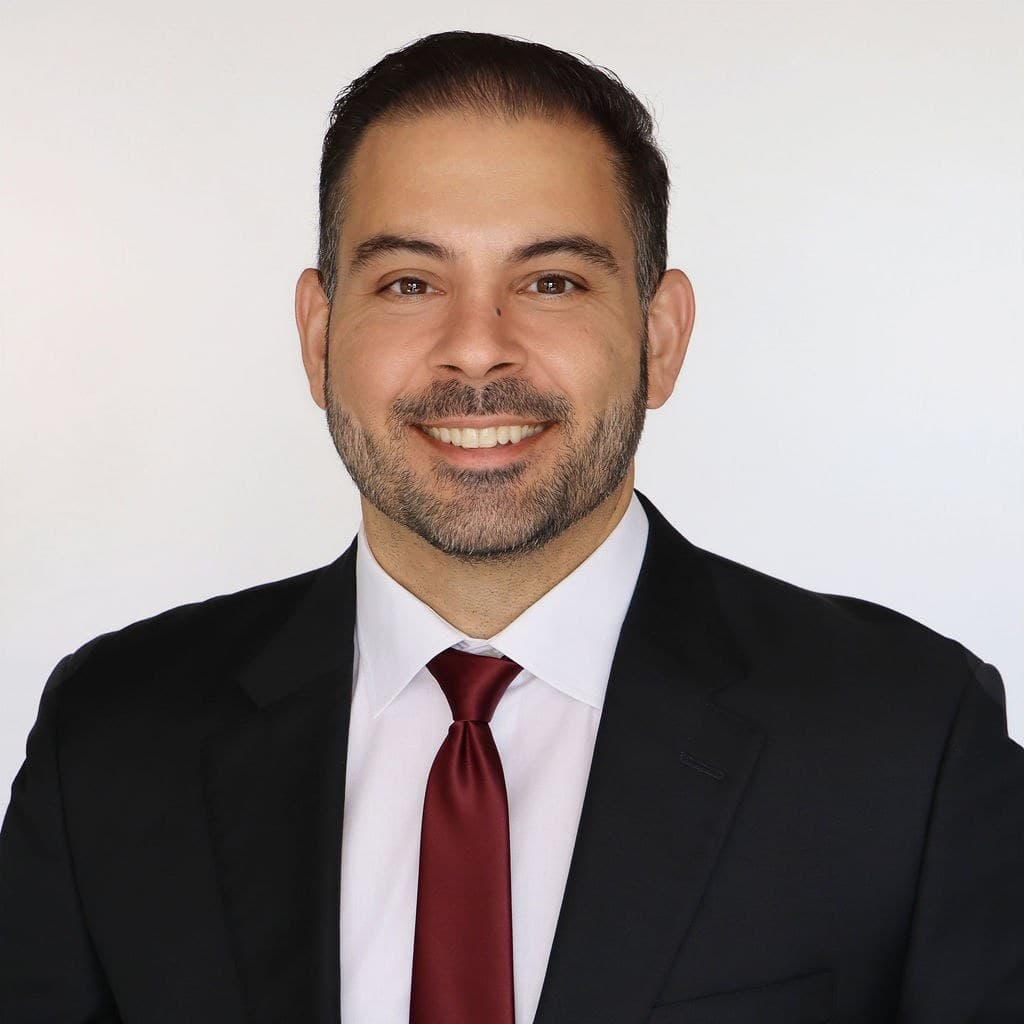
Eman Yazdchi, Esq., Certified Specialist in Workers' Compensation Law, California Board of Legal Specialization, State Bar of California.


California Board of Legal Specialization, State Bar of California
California Board of Legal Specialization, State Bar of California
- 14+
- Years of Practice
- 2,000+
- Cases handled over 14+ years
- $50M+
- Recovered over 14+ years
- 3
- Languages: English, Español, Farsi
Past results do not guarantee, warrant, or predict future cases. Each case is different and results depend on specific facts and circumstances.
Prepared by Yazdchi Law
A denial can feel like a door slamming shut. It is not the end. It is the point where the fight gets more careful.
If you work near Sherman Way, Reseda Boulevard, Tampa Avenue, or the small shops between Tarzana and Northridge, a claim denial can put rent and treatment at risk fast. The letter may say your injury did not happen at work. It may say you reported too late. It may blame an old condition. It may accept the claim, then turn down the MRI, injection, surgery, therapy, or work restrictions your doctor requested.
Those are different problems. They need different answers. A full claim denial is about whether workers' comp covers your injury at all. A treatment denial is often a Utilization Review problem, which means the insurer says the care is not medically needed under its rules. If that happens, Independent Medical Review can be the next step.
Here is the short version. After you give your employer a DWC-1 claim form, the insurer normally has 90 days to accept or deny the case. During that investigation time, the law can require up to $10,000 in medical care. If the insurer waits too long, the claim may be presumed covered. If treatment is denied by UR, you usually have 30 days to ask for IMR. Do not wait for the adjuster to become kind. Build the record now.
Yazdchi Law helps Reseda workers turn a denial letter into a plan. We gather the job facts, fix weak medical notes, push for the right medical-legal exam, and bring the case at the Van Nuys Workers' Compensation Appeals Board when needed.
What does a denied Reseda claim mean?
A denial means the insurer is refusing part or all of your claim. It does not decide the final result.
Read the letter first. Do not guess from one sentence. Some letters deny the whole claim. Others deny only one body part, one date, or one treatment request. A warehouse worker may have an accepted knee claim but a denied back claim. A cook may have an accepted shoulder injury but a denied MRI. A nurse aide may have an accepted case but denied wage checks.
The reason matters. Insurers often say the injury was not reported on time. They may say no witness saw it. They may say the pain came from age, home chores, sports, or a prior crash. In build-up injury cases, they may argue your last employer is not responsible. In Reseda service jobs, we also see denials after a worker reports pain in Spanish but the first clinic note is short or unclear.
Do not try to fix this with anger. Fix it with proof. Save texts to your boss. Write down witness names. Keep the denial envelope. Get copies of urgent care notes. Tell every doctor the plain work story: what you did, when pain started, and how the job made it worse.
The 90-day rule and interim care
After your claim form is filed, the insurer has a short decision window. Treatment can still be owed while it investigates.
California does not let an insurer sit on a claim forever. Once your employer gets the claim form, the clock starts. The carrier can investigate, take your statement, ask for records, and send you to a doctor. But it must act within the legal window. If it misses that window, the case can become much harder for the insurer to deny.
Labor Code §5402(c): "Within one working day after an employee files a claim form, the employer shall authorize the provision of all treatment, consistent with the applicable treating guidelines, for the alleged injury and shall continue to provide the treatment until the date that liability for the claim is accepted or rejected."
That same rule caps this early medical care at $10,000. This matters for Reseda workers who cannot wait for a hearing before seeing a doctor. A denied worker may still need an exam, medicine, therapy, imaging, or a specialist visit while the carrier investigates. If the adjuster says nothing is owed because the claim is under review, that may be wrong.
The 90-day rule is not magic. You still need a clean record. A late form, a vague clinic note, or a missing witness can cause delay. But the rule gives your lawyer leverage. It also keeps the insurer from using silence as a weapon.
Why do insurers deny Reseda claims?
Most denials are built on delay, weak medical notes, old injuries, or claims that the job did not cause the harm.
Reseda has many small employers. Restaurants, print shops, auto bays, markets, repair crews, and light industrial shops may not have a smooth claims process. A manager may tell you to use your health insurance. A supervisor may say to come back when you feel better. That delay can become the insurer's first defense.
Common denial reasons include:
- No work cause: the insurer says the injury happened at home or came from age.
- Late report: the employer says you did not tell anyone soon enough.
- No medical proof: the first doctor did not write down the work link.
- Prior condition: the insurer blames an old back, knee, wrist, or shoulder problem.
- Independent contractor label: the employer says you were not an employee.
- Post-termination defense: the carrier says you reported only after losing the job.
Each defense has an answer. A prior injury does not end a case if work made you worse. A late report may be excused if the employer knew what happened or was not harmed by the delay. A contractor label may fail if the company controlled your work. The key is to answer the denial with facts, not fear.
UR, IMR, and denied treatment
A treatment denial is different from a claim denial. You may need IMR, fresh records, or a new doctor request.
Utilization Review, called UR, is the insurer's medical review of a treatment request. UR does not decide whether you are hurt. It decides whether a requested treatment meets the medical rules. It may deny physical therapy, an injection, a brace, surgery, an MRI, or more visits.
If UR denies care, read the date on the decision. Independent Medical Review, called IMR, is usually due within 30 days. IMR is paper-based. That means the reviewer looks at records, not your pain in person. Strong records matter. The doctor's request should explain your job duties, failed care, exam findings, imaging, and why the treatment is needed now.
If IMR upholds the denial, all is not always lost. Sometimes the better move is a new request with better support. Sometimes the issue belongs before a judge for a narrow legal reason. Sometimes the main claim denial must be fixed first, because treatment cannot move while coverage is disputed.
How to respond this week
Act fast, keep the paper trail, and get medical proof that ties your injury to the job duties you actually performed.
| Problem | What to do next | Key rule |
|---|---|---|
| Whole claim denied | Save the letter, envelope, claim form, witness names, and all medical notes. | §5402, 90-day decision rule |
| Treatment denied by UR | Check the date and prepare the IMR request with stronger medical records. | §4610.5, 30-day IMR window |
| Insurer says old injury | Show how the Reseda job made the condition worse or caused new disability. | §4663, causation split |
| Employer says contractor | Gather schedules, pay records, texts, uniforms, routes, and control facts. | Employee coverage rules |
| Doctor note is weak | Return with a clear job-duty history and ask the doctor to correct the record. | Medical proof drives coverage |
Do not sign a resignation, broad release, or side deal without advice. Do not post videos that make your injury look small. Do not tell the adjuster you are fine if you are not. Be polite, but be exact. Short facts beat long arguments.
What a lawyer does after denial
A lawyer turns a denial into evidence, deadlines, medical proof, and a hearing plan at the correct WCAB office.
First, we find out what kind of denial it is. Then we build the missing proof. For a Sherman Way shop worker, that may mean job-duty detail about lifting parts, bending over machines, or standing on concrete. For a Reseda Boulevard cook, it may mean years of chopping, carrying stock pots, and working short staffed. For an auto tech, it may mean awkward overhead work, vibration tools, and heavy tires.
We also look for wage loss. A denial often cuts off temporary disability checks. If your doctor says you cannot work, those missed checks matter. We press the carrier for benefits, set the case for court when needed, and prepare you for a Qualified Medical Evaluator. That is a state panel doctor who can decide injury, body parts, work restrictions, and permanent disability issues.
The goal is not drama. The goal is a clean record that a judge and doctor can use. When the insurer sees the proof is real, cases often move. When it will not move, we are ready for the next hearing.
Fees, results, and honest limits
You pay no hourly fee. Workers' comp attorney fees are reviewed by the judge and usually come from the recovery.
Most injured workers are scared to call because money is already tight. In California workers' comp, you do not pay us by the hour. The fee is usually a percentage set by the judge from the award or settlement. You do not pay up front to start the case.
No lawyer can promise a result. A denial case turns on facts, medical records, deadlines, and judge findings. We will tell you the weak parts, not hide them. Yazdchi Law has handled serious California workers' comp matters, including catastrophic injury cases. Past results do not guarantee future outcomes. Your case must stand on its own proof.
Results in cases like this
Every case is different. Past results do not guarantee, warrant, or predict a similar outcome.
$5,000,000
Catastrophic spinal cord injury
$1,500,000
Cervical spine injury
$425,000
Slip and fall accident
Find Out What Your Reseda Case May Be Worth
Two minutes. No fee unless we win; costs may apply.
Question 1 of 5
What type of injury do you have?
Not ready to fill this out? Just call (661) 273-1780 and we’ll ask the same questions by phone.
Free Consultation
Call or send the short form. We review your case, explain your rights, and outline your options. Free, no obligation.
We Build Your Case
We gather medical evidence, handle the insurance company, and file all the workers' comp court (WCAB) paperwork for you.
We Pursue Every Benefit
Medical care, lost wages, and permanent disability benefits. No fee unless we win your case; costs may apply.
Where Reseda denied claims are heard
Reseda workers' comp disputes are usually handled through the Van Nuys WCAB, close to the Valley jobs where these denials start.
Reseda claims are commonly heard at the Van Nuys district office of the Workers' Compensation Appeals Board, 6150 Van Nuys Boulevard. That office handles many San Fernando Valley disputes, including workers from Reseda, Tarzana, Northridge, Encino, Winnetka, Canoga Park, and nearby neighborhoods.
The local job mix matters. A claim from a small restaurant on Reseda Boulevard may need co-worker statements because managers change fast. A light industrial claim near Sherman Way may need photos of the line, loading area, or machine station. An auto repair claim may need proof of tire lifting, awkward engine work, or tool vibration. A hospital or clinic worker near Northridge may need patient-lift details and staffing records. A day labor or remodel worker may need texts, pickup locations, cash-pay proof, and witness names.
Van Nuys judges see these patterns often. They also see weak records. That is why we do not bring a bare story. We bring dates, job tasks, medical notes, wage records, and the reason the denial does not match the facts.
About your attorney
Eman Yazdchi is a Certified Specialist in Workers' Compensation Law, certified by the California Board of Legal Specialization, State Bar of California, CA Bar #285231. He represents injured California workers in denied claims, treatment fights, medical-legal disputes, and hearings. Learn more about Eman Yazdchi or verify his license through the State Bar profile.
Injured at work in Reseda? Talk it through for free.
Most claims must be filed within one year under Labor Code section 5405. A free call tells you where your clock stands.
Frequently Asked Questions
Is my Reseda workers' comp case over if the claim was denied?
No. A denial is the insurer's position, not the final word. You can answer it with medical proof, job facts, witness statements, and hearings at the Van Nuys WCAB. The next step depends on the reason in the denial letter.
What should I do first after a denial letter?
Save the letter and envelope. Take photos of the injury site if safe. Write down witness names. Get every medical note. Then call before deadlines pass. Do not rely on the adjuster to explain your rights.
Can I still get medical care during the 90-day investigation?
Often yes. California law can require up to $10,000 in treatment while the insurer investigates a filed claim. That can include exams, medicine, therapy, imaging, or specialist care tied to the alleged work injury.
What if UR denied my MRI, injection, therapy, or surgery?
That is usually a treatment denial, not a full claim denial. You often have 30 days to request Independent Medical Review. Strong doctor records are key because IMR is mostly a paper review.
Why did the insurer blame an old injury?
Insurers use old injuries to reduce or deny payment. That does not end your case. If your Reseda job made the condition worse, caused new disability, or lit up a quiet problem, you may still have a covered claim.
Which WCAB handles Reseda denied claims?
Most Reseda denied workers' comp disputes go through the Van Nuys WCAB at 6150 Van Nuys Boulevard. This includes many Valley workers from Reseda, Tarzana, Northridge, Encino, Winnetka, and nearby areas.
Can undocumented Reseda workers fight a denial?
Yes. California workers' comp covers employees regardless of immigration status. Your employer should not threaten your status because you filed a claim or fought a denial. Tell your lawyer right away if that happens.
What does it cost to hire Yazdchi Law for a denied claim?
You pay nothing up front. In California workers' comp, the judge reviews the attorney fee, and it usually comes from the award or settlement. The first review is free.
Free case evaluation
Get your free Reseda case evaluation
Three fields. We respond within one business day.
Talk to a Certified Specialist
Certified Specialist in Workers' Compensation Law, California Board of Legal Specialization, State Bar of California.
Takes 30 seconds. No obligation.
Eman really knows his stuff and we were very pleased with our end result.
I am glad and so very pleased...he made happen what no other attorney could do. So far he has proven his weight in gold.
Client testimonials. Testimonials are not a guarantee, warranty, or prediction of the outcome of your case.