
Rosemead, California · Workers' Compensation
Rosemead Workers' Comp Settlement Lawyer
Hurt at work in Rosemead? Workers' comp pays for medical care and part of your lost pay while you heal. A free call tells you where you stand.
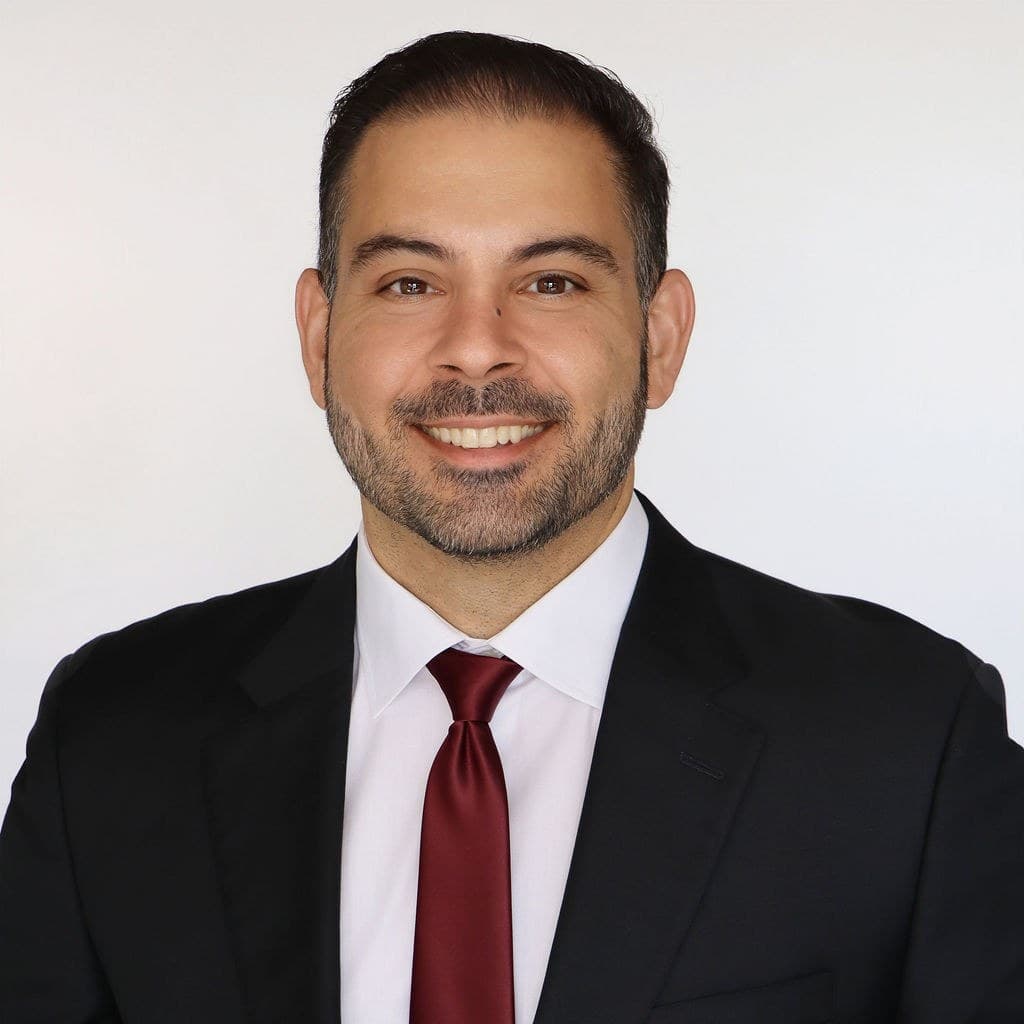
Eman Yazdchi, Esq., Certified Specialist in Workers' Compensation Law, California Board of Legal Specialization, State Bar of California.


California Board of Legal Specialization, State Bar of California
California Board of Legal Specialization, State Bar of California
- 14+
- Years of Practice
- 2,000+
- Cases handled over 14+ years
- $50M+
- Recovered over 14+ years
- 3
- Languages: English, Español, Farsi
Past results do not guarantee, warrant, or predict future cases. Each case is different and results depend on specific facts and circumstances.
Prepared by Yazdchi Law
Do you have a settlement case in Rosemead?
If your work injured you in Rosemead, you likely have a settlement case once the doctors can measure the lasting harm and future care needs.
Most injured workers are tired by the time settlement talks start. You have already dealt with doctors, lost work, and insurance delays. Then the adjuster asks you to sign a deal that ends the case. That is not a small step.
A good settlement starts with timing. The case needs solid medical evidence first. That usually means a final treating report or a QME report that explains your work limits, your whole person impairment, and whether you need more care.
Rosemead work facts shape value in a different way from Rosamond. We see claims tied to the Southern California Edison headquarters campus, the Valley Boulevard restaurant and grocery corridor, the Garvey Avenue small business belt, retail work, and San Gabriel Valley warehouse or delivery jobs. Repetitive hand, shoulder, neck, and back injuries are common. So are slip and fall and lifting claims.
Rosemead cases go to the Los Angeles WCAB at 320 West 4th Street. Eman Yazdchi handles these cases as a Certified Specialist in Workers' Compensation Law, certified by the California Board of Legal Specialization, State Bar of California. Call (661) 273-1780 before you trade away medical rights for one check.
How much is a Rosemead workers' comp claim worth?
Settlement value depends on the medical rating, the job you did, your age, your future treatment, and whether the defense tries to cut the rating.
There is no standard Rosemead number. Two cooks with shoulder injuries can settle very differently. A utility worker with strict lifting limits may face a very different wage loss picture than a worker who returns to the same job without restrictions.
| Injury level | Typical PD band | General California settlement range |
|---|---|---|
| Minor injury with full return | 0% to 5% | Low four figures to low five figures |
| Cumulative trauma or surgery avoided | 6% to 15% | Mid five figures to low six figures |
| Surgery with permanent work limits | 16% to 35% | Low six figures to mid six figures |
| Multiple body parts or major orthopedic loss | 36% to 60% | Mid six figures and higher |
| Very serious case with major future care | 70% or more | High six figures to seven figures in the right case |
These are general California ranges, not a prediction. Your actual award depends on your disability rating, age, occupation, and future medical care. Past results do not guarantee future outcomes.
Rosemead value fights often come down to repetitive use and job fit. A hand injury can hit much harder when the worker spends all day cooking, stocking, scanning, gripping tools, or driving routes. A neck or shoulder case can look very different when the worker handles utility field tasks or repeated overhead work.
Compromise and Release or Stipulated Award?
A Compromise and Release pays once and usually closes future care. A Stipulated Award keeps treatment open and pays the rating over time.
A Compromise and Release is the full buyout form. It is usually a single payment. After court approval, it usually closes the claim for future treatment. That can work in a short term injury case or in a case where the worker wants finality and the future care risk is modest.
A Stipulated Award keeps the claim open for medical treatment on the accepted body parts. The disability value is paid on a schedule. That can be the better path for Rosemead workers who may still need pain management, therapy, injections, or another surgery later.
Labor Code section 5001 says: "No release of liability or compromise agreement is valid unless it is approved by the appeals board or referee."
Those rules are why settlement documents deserve careful review. The legal form changes what rights stay open and what rights end forever.
What changes settlement value most?
The main drivers are the rating, future medical cost, work restrictions, apportionment, and any Medicare issue tied to a lump sum closeout.
The rating is still the center of the case. California uses the medical report, then adjusts for age and occupation. In Rosemead, that can matter for utility workers, cooks, grocery workers, warehouse staff, delivery workers, and small business employees whose jobs are hand intensive or physically repetitive.
Future treatment is often the next major driver. A worker who may need another hand procedure, shoulder surgery, or long term medication has a stronger future care claim than a worker who just needs home exercise. A lump sum has to price that risk honestly.
The defense may also argue apportionment. That means it tries to assign part of the disability to age, wear, arthritis, or an old nonwork condition. That issue can shrink settlement value if the medical reports are not challenged.
What about Medicare and fees?
Large or serious cases may need Medicare reviewed before future care is bought out. Fees are set by the judge and commonly fall at 12% to 15%.
If a worker is on Medicare, or close to it, a Compromise and Release may need a Medicare Set Aside analysis before future treatment closes. This issue does not control every case, but ignoring it can stall a settlement later.
Attorney fees are reviewed by the WCAB, not set by surprise billing. In most cases, the approved fee is 12% to 15% of the recovery. That is why many workers get settlement help before signing, even when money is tight.
Results in cases like this
Every case is different. Past results do not guarantee, warrant, or predict a similar outcome.
$5,000,000
Catastrophic spinal cord injury
$1,500,000
Cervical spine injury
$425,000
Slip and fall accident
Find Out What Your Rosemead Case May Be Worth
Two minutes. No fee unless we win; costs may apply.
Question 1 of 5
What type of injury do you have?
Not ready to fill this out? Just call (661) 273-1780 and we’ll ask the same questions by phone.
Free Consultation
Call or send the short form. We review your case, explain your rights, and outline your options. Free, no obligation.
We Build Your Case
We gather medical evidence, handle the insurance company, and file all the workers' comp court (WCAB) paperwork for you.
We Pursue Every Benefit
Medical care, lost wages, and permanent disability benefits. No fee unless we win your case; costs may apply.
What local facts matter in a Rosemead settlement?
Rosemead settlements go to the Los Angeles WCAB, and local value issues often come from utility work, restaurant labor, retail, and San Gabriel Valley warehouse jobs.
Rosemead cases are heard at the Los Angeles WCAB at 320 West 4th Street. That is where settlement approvals happen for this city. It is the correct venue for Rosemead claims.
Local work facts matter here too. The Southern California Edison headquarters campus creates office, field, and support claims with neck, shoulder, hand, and back issues. The Valley Boulevard restaurant and grocery corridor brings repetitive cutting, lifting, dish, kitchen, and stocking injuries. Garvey Avenue small businesses create retail, service, and delivery cases. Some workers also move between Rosemead and nearby San Gabriel Valley warehouse routes, which adds cumulative trauma and driving issues.
Rosemead also has a strong immigrant workforce. That matters because some workers are pressured into fast settlements or told the case is worth less because the employer is small. That is not how the law works. The medical record and work limits set value, not the size of the storefront.
Panda Express has Rosemead roots, and the city's business mix is dense and hands on. That means many cases are not dramatic accident files. They are slow build hand, shoulder, neck, and back claims that still carry real settlement value when the reports are done right.
In Rosemead, save work restrictions, therapy notes, imaging reports, and modified-duty letters. Those records can show whether the settlement accounts for future care and the job duties that caused the injury.
Rosemead settlement review should include the exact workplace setting. A restaurant worker on Valley Boulevard, a school employee, a delivery driver, and a warehouse worker may all have different proof. Save work restrictions, therapy notes, imaging reports, and modified-duty letters. Those records can show whether the settlement accounts for future care and the duties that caused the injury.
Rosemead workers should also track language access, shift notes, and medical referrals. A claim may involve San Gabriel Valley clinics, Los Angeles specialists, or modified work letters from a small business. Save those records with every offer. They help show whether the settlement fits the rating and future care plan.
Injured at work in Rosemead? Talk it through for free.
Most claims must be filed within one year under Labor Code section 5405. A free call tells you where your clock stands.
Frequently Asked Questions
How long does a Rosemead settlement usually take?
Do Rosemead cases go to Los Angeles or Pomona WCAB?
Should I settle if I still have work restrictions?
Does restaurant or grocery work affect the value of a hand or shoulder case?
Can a small Rosemead business offer less because it is a small employer?
Can undocumented workers settle a Rosemead comp case?
What does a Rosemead workers' comp lawyer cost?
What if the defense says my condition was just age or wear and tear?
Free case evaluation
Get your free Rosemead case evaluation
Three fields. We respond within one business day.
Talk to a Certified Specialist
Certified Specialist in Workers' Compensation Law, California Board of Legal Specialization, State Bar of California.
Takes 30 seconds. No obligation.
I am glad and so very pleased...he made happen what no other attorney could do. So far he has proven his weight in gold.
Eman at Yazdchi Law was extremely professional, responsive, and supportive at all times. He and his staff exceeded all of my expectations.
Client testimonials. Testimonials are not a guarantee, warranty, or prediction of the outcome of your case.