
San Clemente, California · Workers' Compensation
Denied Workers' Compensation Claim in San Clemente, California
Hurt at work in San Clemente? Workers' comp pays for medical care and part of your lost pay while you heal. A free call tells you where you stand.
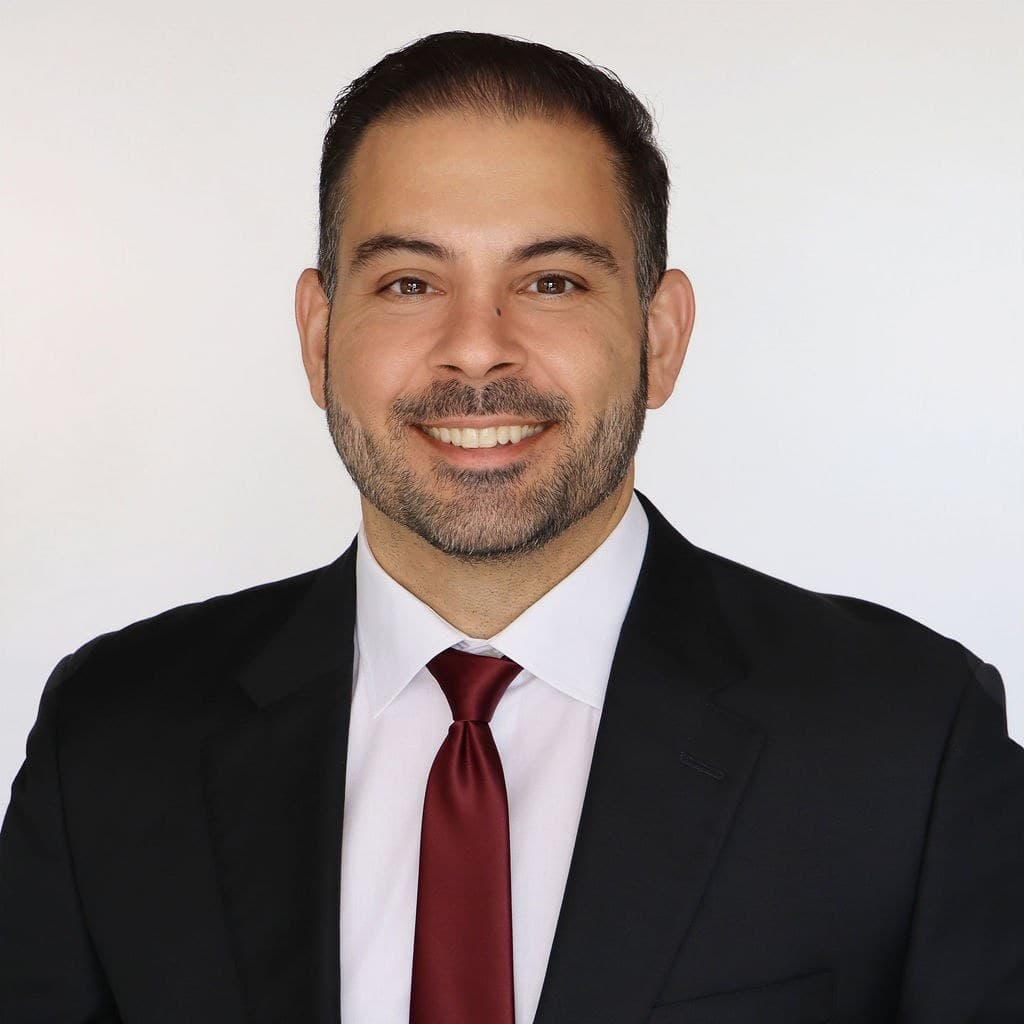
Eman Yazdchi, Esq., Certified Specialist in Workers' Compensation Law, California Board of Legal Specialization, State Bar of California.


California Board of Legal Specialization, State Bar of California
California Board of Legal Specialization, State Bar of California
- 14+
- Years of Practice
- 2,000+
- Cases handled over 14+ years
- $50M+
- Recovered over 14+ years
- 3
- Languages: English, Español, Farsi
Past results do not guarantee, warrant, or predict future cases. Each case is different and results depend on specific facts and circumstances.
Prepared by Yazdchi Law
A denial letter can make you feel stuck. You may be hurt, off work, and worried that one insurance form ended the whole case. It did not.
In San Clemente, denied claims often come from beach hospitality work near Avenida Del Mar, retail shifts at the Outlets, construction in Talega, surf-industry warehouse jobs near Calle Industrias, and contractor work tied to Camp Pendleton. The job may look different, but the fear is the same. The carrier says no, bills keep coming, and your doctor may be waiting for approval.
California law gives you ways to answer. A full claim denial is different from a treatment denial. A full denial means the carrier says the injury is not covered. A treatment denial means the case is accepted, but a doctor request was turned down after Utilization Review, often called UR. Each path has a different response and a different clock.
Yazdchi Law helps injured workers sort that out. Eman Yazdchi is a Certified Specialist, Workers' Compensation Law, California Board of Legal Specialization, State Bar of California. The firm appears for Orange County workers at the Long Beach Workers' Compensation Appeals Board. Call (661) 273-1780 if your San Clemente claim was denied, delayed, or pushed into review.
What a denied San Clemente claim means
A denial means the insurer is refusing part or all of your claim, but you can still present proof and ask a judge to decide.
A denial is not one single thing. The letter matters. It may say the injury did not happen at work. It may say you reported too late. It may say there is no medical proof. It may also say the carrier needs more time, which is not the same as a final no.
Start by finding the date on the denial letter. Then find the reason. Many letters use cold words like AOE/COE. That means the carrier disputes whether the injury arose out of and happened during work. In plain English, the insurer is saying the job did not cause it.
For a cook near the Pier, the issue may be whether a slip happened during a shift. For a Talega framer, it may be whether back pain came from lifting lumber or from an old scan. For a surf-brand shipper near Rancho San Clemente, it may be whether months of packing and bending count as work injury. These facts can be built.
Under Labor Code §5402(b), if liability is not rejected within 90 days after the claim form is filed, the injury is presumed compensable.
That rule is powerful, but it is not magic. The facts still matter. The timing still matters. A lawyer checks the claim form date, the employer's response, the medical record, and the exact words used by the carrier.
The 90-day rule and interim medical care
After a claim form is filed, the carrier has a short investigation window and may owe medical care while it decides.
Once you give the employer a workers' comp claim form, the carrier cannot sit forever. It usually must investigate and make a decision within 90 days. During that period, California law can require up to $10,000 in medical care while the claim is being reviewed.
That care can matter a lot. It may cover a clinic visit, imaging, therapy, medicine, or a specialist visit that helps prove the injury. If the adjuster says nothing is covered before any real review, ask for the denial in writing. Keep every email, text, and claim form copy.
Do not rely on a phone call alone. A worker from a Del Mar restaurant or an Outlets stockroom may hear, "we are not accepting this." That is not enough. You need the paper trail. The dates on the papers can decide what happens next.
| Issue | What it means | Law or deadline | Worker step |
|---|---|---|---|
| Claim form filed | The formal workers' comp claim starts | Labor Code §5401 | Keep a dated copy |
| Carrier investigation | The insurer reviews if work caused the injury | Labor Code §5402 | Track the 90 days |
| Interim care | Medical care may be owed while the carrier investigates | Labor Code §5402(c), up to $10,000 | Ask for treatment in writing |
| Treatment denial | UR says no to a requested treatment | Labor Code §4610.5 | Review IMR rights fast |
| Judge dispute | A claim denial may need a WCAB hearing | Long Beach WCAB venue | Prepare medical proof and witness facts |
Why insurers deny San Clemente work injuries
Carriers often deny claims because of timing, old medical records, unclear witnesses, or a dispute over what the job caused.
Some denials are based on late reporting. The carrier may say you waited too long to tell a manager. This comes up with workers who try to finish the season, cover a shift, or avoid letting a small crew down. Delay can hurt a case, but it does not always end it.
Other denials point to an old condition. A hotel housekeeper may have past back pain. A construction worker may have an older MRI. The real question is not whether your body was perfect before work. The question is whether the job caused, lit up, or worsened the injury.
Carriers also deny claims when the first medical note is thin. If the doctor wrote only "back pain" and did not record the lift, fall, or repeated task, the adjuster may use that gap. A later report can help if it explains the work facts in clear detail.
San Clemente workers also face witness problems. A delivery driver may be alone. A prep cook may slip before the lunch rush. A warehouse worker may strain a shoulder when no supervisor is nearby. Photos, schedules, texts, coworker names, and urgent care records can help fill the gap.
UR, IMR, and treatment denials
UR and IMR are treatment-review systems, not full claim denials, so the response is different and usually more time-sensitive.
A treatment denial can feel like the whole claim was denied. It may not be. Utilization Review looks at a doctor's request, such as therapy, an injection, surgery, or an MRI. The reviewer may say the treatment is not medically needed under the guidelines.
If UR denies care, the next step is often Independent Medical Review, called IMR. IMR is a paper review by another doctor. The deadline is short. Many workers lose treatment rights because the IMR form sits in a drawer while pain gets worse.
A full claim denial goes a different way. That dispute may need a case opening, medical-legal proof, settlement conference, or trial at the Long Beach WCAB. Mixing up these paths can waste time. The first job is to name the denial correctly.
If you are not sure, read the top of the letter. If it talks about a requested treatment, it may be UR. If it says the injury is not accepted as work-related, it is likely a claim denial. If it mentions both, get help quickly.
How to respond after a denial letter
Move fast, save every paper, get medical facts in order, and avoid recorded statements without knowing the issue first.
First, do not throw away the envelope. The mail date may matter. Save the denial, the claim form, clinic notes, work restrictions, pay stubs, and any texts with your supervisor. Take photos of the place or tool involved if it is safe to do so.
Second, write a simple timeline. Use plain facts. When did pain start? What task were you doing? Who did you tell? Where did you first get care? What did the doctor write? Short, clear facts beat long anger-filled notes.
Third, keep treating if you can. If workers' comp will not send you, tell your doctor the injury is work-related and ask that the record say so. Do not exaggerate. Do not guess. The truth, written clearly, is what helps.
Fourth, be careful with recorded calls. An adjuster may sound friendly. Some are. But the questions are built for the claim file. If you do not understand the reason for denial, you may answer in a way that creates more confusion.
What benefits are at stake
A denied claim can block medical care, wage checks, disability ratings, future care, and settlement talks until the denial is challenged.
When a carrier denies the whole claim, it may refuse doctor visits and wage-loss checks. That can leave a worker choosing between rent and care. It can also slow proof, because the right specialist never gets approved.
If the denial is overturned or resolved, the claim can move toward the benefits a covered injury allows. That may include medical care with no copays, temporary disability checks when a doctor takes you off work, permanent disability if the injury leaves lasting limits, and future medical care when needed.
No lawyer should promise an outcome. The result depends on proof. It depends on the medical reports, witness facts, dates, and how the judge views the record. Past results do not guarantee future outcomes.
What a lawyer can do is build the record. That means finding missing forms, checking deadlines, getting the right medical-legal exam, preparing you for hearings, and pushing the carrier to explain its denial in front of the judge when needed.
Results in cases like this
Every case is different. Past results do not guarantee, warrant, or predict a similar outcome.
$5,000,000
Catastrophic spinal cord injury
$1,500,000
Cervical spine injury
$425,000
Slip and fall accident
Find Out What Your San Clemente Case May Be Worth
Two minutes. No fee unless we win; costs may apply.
Question 1 of 5
What type of injury do you have?
Not ready to fill this out? Just call (661) 273-1780 and we’ll ask the same questions by phone.
Free Consultation
Call or send the short form. We review your case, explain your rights, and outline your options. Free, no obligation.
We Build Your Case
We gather medical evidence, handle the insurance company, and file all the workers' comp court (WCAB) paperwork for you.
We Pursue Every Benefit
Medical care, lost wages, and permanent disability benefits. No fee unless we win your case; costs may apply.
San Clemente workers and Long Beach WCAB venue
San Clemente denied-claim disputes are handled through the Long Beach WCAB, where local job facts still matter.
San Clemente claims do not stop being local just because the board is in Long Beach. The file may be heard at the Long Beach district office, but the facts come from the place where you got hurt.
For a restaurant worker near Avenida Del Mar, that may mean a wet floor, a rush schedule, and a manager who saw the limp after the shift. For a retail worker at the Outlets at San Clemente, it may mean unloading boxes, climbing stockroom ladders, or repetitive wrist work. For a surf-industry employee near Calle Negocio or Calle Industrias, it may mean packing, shipping, screen work, forklift traffic, or repeated shoulder use.
Construction cases bring their own details. Talega, Forster Ranch, Marblehead, and hillside homes can involve roofing, framing, tile, landscaping, and heavy cleanup. Camp Pendleton-adjacent contractor work can add travel, jobsite control, and subcontractor confusion. The carrier may call a worker independent. That label is not the final answer.
Local medical records also matter. Urgent care notes, imaging orders, work-status slips, and referrals can show when the injury was first tied to the job. A short note can hurt. A clear note can help. If the first note is wrong or missing details, later records should explain the work tasks with care.
Yazdchi Law reviews denied San Clemente claims with the Long Beach WCAB path in mind. The goal is simple: identify the denial type, protect the deadline, and build proof that a judge or reviewer can use.
Injured at work in San Clemente? Talk it through for free.
Most claims must be filed within one year under Labor Code section 5405. A free call tells you where your clock stands.
Frequently Asked Questions
What should I do first after a San Clemente workers' comp denial?
Does a denial mean my San Clemente case is over?
What is the 90-day rule in a denied claim?
Can I get medical care while the carrier investigates?
Is UR the same as a denied workers' comp claim?
What is IMR after a UR denial?
Where are San Clemente denied claims heard?
How much does it cost to call Yazdchi Law?
Free case evaluation
Get your free San Clemente case evaluation
Three fields. We respond within one business day.
Talk to a Certified Specialist
Certified Specialist in Workers' Compensation Law, California Board of Legal Specialization, State Bar of California.
Takes 30 seconds. No obligation.
Eman at Yazdchi Law was extremely professional, responsive, and supportive at all times. He and his staff exceeded all of my expectations.
A fighting force both consistent and compassionate on a scale’s a 5 all around.
Client testimonials. Testimonials are not a guarantee, warranty, or prediction of the outcome of your case.