
San Juan Capistrano, California · Workers' Compensation
Denied Workers' Compensation Claim in San Juan Capistrano, California
Hurt at work in San Juan Capistrano? Workers' comp pays for medical care and part of your lost pay while you heal. A free call tells you where you stand.
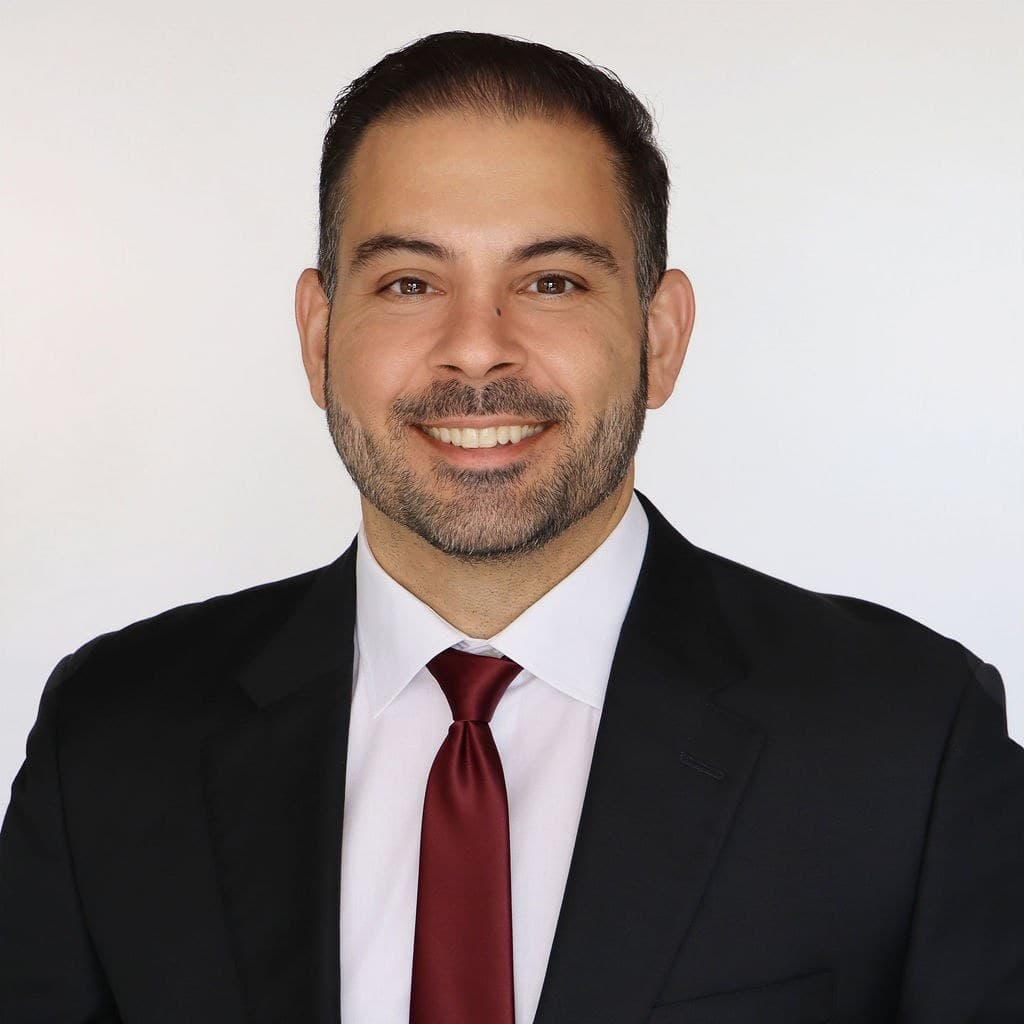
Eman Yazdchi, Esq., Certified Specialist in Workers' Compensation Law, California Board of Legal Specialization, State Bar of California.


California Board of Legal Specialization, State Bar of California
California Board of Legal Specialization, State Bar of California
- 14+
- Years of Practice
- 2,000+
- Cases handled over 14+ years
- $50M+
- Recovered over 14+ years
- 3
- Languages: English, Español, Farsi
Past results do not guarantee, warrant, or predict future cases. Each case is different and results depend on specific facts and circumstances.
Prepared by Yazdchi Law
A denial letter can make a hurt worker feel blamed, stuck, and alone. It may arrive while your back still hurts, your knee is swollen, or your doctor is asking for an MRI. If you work near Mission San Juan Capistrano, in the Los Rios restaurants, around the equestrian yards, or on a Capistrano Unified maintenance crew, a denial can also put rent and groceries at risk.
The letter is not the final word. It is the insurance company's position. California law gives you ways to answer it. The right response depends on what was denied. A full claim denial means the carrier says your injury is not covered. A treatment denial means the claim may be accepted, but a surgery, injection, MRI, therapy, or medicine was turned down.
San Juan Capistrano cases commonly involve Mission-area hospitality, historic-site maintenance, riding stable work, landscaping near Ortega Highway, school district jobs, light warehouse work along Camino Capistrano, and construction tied to south Orange County growth. Insurers often call these injuries old, off-duty, late-reported, or not proven. Those reasons can be tested with records, witnesses, medical history, and the 90-day claim clock.
Eman Yazdchi is a Certified Specialist in Workers' Compensation Law, California Board of Legal Specialization, State Bar of California. Yazdchi Law handles San Juan Capistrano denied claims through the Long Beach WCAB and related review tracks. If your denial just arrived, save the letter, the envelope, and every text or email about the injury. Then call (661) 273-1780.
Was your San Juan Capistrano claim denied?
A denial means the carrier refused some part of your claim. You can still challenge it with medical proof and deadlines.
Start by reading the first page of the denial. Look for the exact reason. The carrier may say you did not report on time. It may say the injury happened at home. It may say your doctor did not explain how work caused the injury. It may say the employer had no notice. Each reason calls for a different response.
Do not argue by phone only. Phone calls disappear. Build a paper trail. Keep the denial letter. Write down when you got it. Save your DWC-1 claim form, work schedule, incident report, clinic notes, and witness names. If you told a supervisor, save the text or write down the date, time, and what was said.
Many San Juan Capistrano denials are not about the worker's honesty. They are about proof. A server near the Mission may have back pain after months of lifting trays and kegs. A stable hand may be kicked by a horse, then get blamed for an old bruise. A school custodian may hurt a shoulder moving lunch tables, then face a report that calls it age-related. The answer is usually records, timing, and a doctor who explains the work link clearly.
California Labor Code §5402 says that if liability is not rejected within 90 days after the claim form is filed, the injury is presumed compensable, subject to limited defenses.
How the 90-day rule helps after a denial
The 90-day rule checks whether the carrier acted on time. A late denial can change the whole case.
After you file a DWC-1 claim form, the carrier normally gets 90 days to accept or deny the claim. That clock matters. If the carrier waited too long, the law may presume the claim is covered. The carrier can still raise limited defenses, but the late denial gives your lawyer a strong issue to bring before the judge.
The clock starts with the claim form, not the day you first felt pain. That is why the form and proof of delivery matter. If your employer never gave you a DWC-1, that fact also matters. If you gave notice but the company delayed the form, the timeline must be rebuilt from emails, texts, clinic records, and witness statements.
During the delay period, the carrier may owe up to $10,000 in interim medical care. This can include early treatment while the carrier investigates. For a San Juan Capistrano worker, that may cover a clinic visit after a fall in a Los Rios kitchen, imaging after a lifting injury at a school site, or care after a riding stable accident. The point is simple: a pending claim is not supposed to leave you with no care at all.
| Issue | What it means | Worker response |
|---|---|---|
| Full claim denial | The insurer says the injury is not work-related. | File the WCAB case, gather proof, and challenge the denial. |
| 90-day claim rule | California Labor Code §5402 gives the carrier a decision window after the DWC-1. | Check the claim form date, service proof, and denial date. |
| Interim care | California Labor Code §5402(c) can require up to $10,000 in early treatment. | Ask what care was authorized and what bills were refused. |
| UR denial | The claim may be accepted, but a treatment request was denied. | Use the IMR path when the denial is a medical necessity dispute. |
| IMR deadline | California Labor Code §4610.5 gives a short window to request review. | Submit the request fast with the strongest medical packet. |
Why insurers deny San Juan Capistrano claims
Insurers deny claims for proof gaps, timing problems, medical disputes, and employer stories that must be tested.
A denial often sounds official. It may still be thin. The carrier may have spoken only to the employer. It may not have read all clinic notes. It may not know that other workers saw the fall, lift, kick, burn, or crash. It may rely on old imaging without asking whether the job lit up a silent condition.
Common denial reasons include late notice, no witness, no accident report, a gap in treatment, a prior injury, a positive test, a dispute over whether you were on the clock, or a claim that the job did not cause the condition. In cumulative trauma cases, the carrier may argue that years of work did not matter. That is common for cooks, housekeepers, custodians, landscapers, warehouse workers, and equestrian workers.
San Juan Capistrano has a mix of small employers, public employers, historic tourism work, stable work, and south county service jobs. That mix can create messy records. A worker may have two supervisors. A contractor may change crews. A restaurant may not write a report. A stable may handle injuries with texts. Those details do not end the case. They show what proof must be collected.
Do not try to fix a denial by giving a recorded statement without advice. A short answer can be twisted. If the adjuster asks for a statement, get help first. You can be honest and still protect yourself.
UR and IMR after treatment is denied
A treatment denial follows a different path. The focus shifts to medical need, records, and a fast review request.
Utilization Review, often called UR, is the carrier's medical review of your doctor's request. It can approve, change, delay, or deny treatment. A UR denial may target an MRI, physical therapy, surgery, injections, pain care, or durable medical equipment. The claim itself may be accepted, but the care you need is still being blocked.
Independent Medical Review, called IMR, is the next step for most UR denials. You usually have 30 days from the UR denial to ask for IMR. An outside reviewer checks the records and treatment guidelines. That review can be hard to overturn later, so the first packet matters.
A strong IMR packet is not just the denial letter. It should include the treating doctor's request, exam findings, failed conservative care, imaging, therapy notes, work duties, and a clear reason why the requested care fits the injury. If the denial came from the wrong type of reviewer, came late, missed key records, or used the wrong standard, that problem may also need to be raised at the WCAB.
For example, a Los Rios cook with a torn rotator cuff may need the doctor to explain failed therapy, job lifting, and why the MRI supports surgery. A Mission grounds worker with a lumbar injury may need notes showing leg symptoms, work limits, and failed medicine. A stable groom with a knee injury may need imaging and a duty description that shows kneeling, lifting, and animal impact.
What to do in the first week
The first week is for preserving proof, checking deadlines, and choosing the right response path.
First, keep the denial packet. Do not throw away the envelope. The mail date can matter. Second, make a simple timeline. Include the injury date, when you told work, who you told, when you got the DWC-1, when you saw a doctor, and when the denial arrived. Third, list witnesses. A coworker who saw you limp after a shift can matter. A manager who moved you to lighter work can matter too.
Fourth, get your medical records. Ask for the first clinic note, work status slips, imaging reports, and any specialist notes. Fifth, do not quit because the carrier denied the claim. Quitting can create new problems. If you cannot work, get written work restrictions from your doctor.
Sixth, call a lawyer before the deadline gets close. A denied claim may need an Application for Adjudication at the WCAB. A treatment denial may need IMR. Some cases need both. The safest response is the one matched to your denial type.
Results in cases like this
Every case is different. Past results do not guarantee, warrant, or predict a similar outcome.
$5,000,000
Catastrophic spinal cord injury
$1,500,000
Cervical spine injury
$425,000
Slip and fall accident
Find Out What Your San Juan Capistrano Case May Be Worth
Two minutes. No fee unless we win; costs may apply.
Question 1 of 5
What type of injury do you have?
Not ready to fill this out? Just call (661) 273-1780 and we’ll ask the same questions by phone.
Free Consultation
Call or send the short form. We review your case, explain your rights, and outline your options. Free, no obligation.
We Build Your Case
We gather medical evidence, handle the insurance company, and file all the workers' comp court (WCAB) paperwork for you.
We Pursue Every Benefit
Medical care, lost wages, and permanent disability benefits. No fee unless we win your case; costs may apply.
Where San Juan Capistrano denied claims are handled
San Juan Capistrano denied claims are handled through Long Beach WCAB, with local proof drawn from your job, doctors, and witnesses.
Yazdchi Law handles San Juan Capistrano denied claims at the Long Beach district office of the Workers' Compensation Appeals Board. That is the correct WCAB venue the firm uses for Orange County claims, including San Juan Capistrano. Full claim denials are fought there. UR and IMR issues may run beside the WCAB case, depending on what was denied.
The local proof usually starts close to home. Mission San Juan Capistrano and the nearby visitor economy bring maintenance, grounds, retail, tour, and food service injuries. The Los Rios Historic District brings cooks, servers, dishwashers, and shop workers with burns, falls, lifting injuries, and repeated-use pain. The equestrian and riding economy near Ortega Highway brings grooms, trainers, exercise riders, and stable workers with kicks, crush injuries, falls, and back strain.
Other claims come from Capistrano Unified School District jobs, HOA landscaping crews, downtown service work, Camino Capistrano light industrial pockets, and south county construction. Nearby emergency care may involve Providence Mission Hospital Mission Viejo, Providence Mission Hospital Laguna Beach, or MemorialCare Saddleback Medical Center. Emergency care is not the same as a full comp record, but it can help prove timing and injury details.
Spanish-speaking and immigrant workers have the same right to California workers' comp benefits. A denial cannot be based on immigration status. A boss also cannot use fear to stop a worker from filing. If a supervisor threatened you after you reported an injury, tell the lawyer. That fact may matter, even when the main page issue is the denial.
San Juan Capistrano claims can turn on small facts. A text to a shift lead. A photo of a wet kitchen floor. A work order from a school site. A horse incident log. A delivery ticket showing a heavy load. A schedule proving you were on the clock. These details help show the judge, doctor, or reviewer that the job caused the injury and that the denial should not stand.
Injured at work in San Juan Capistrano? Talk it through for free.
Most claims must be filed within one year under Labor Code section 5405. A free call tells you where your clock stands.
Frequently Asked Questions
What should I do first after a San Juan Capistrano workers' comp denial?
Does a denial mean my San Juan Capistrano case is over?
How long does the insurer have to deny my claim?
Can I get medical care while the claim is delayed?
What is the difference between a claim denial and a UR denial?
How do I fight a denied MRI, injection, or surgery?
Where are San Juan Capistrano denied claims heard?
What does it cost to call Yazdchi Law about a denied claim?
Free case evaluation
Get your free San Juan Capistrano case evaluation
Three fields. We respond within one business day.
Talk to a Certified Specialist
Certified Specialist in Workers' Compensation Law, California Board of Legal Specialization, State Bar of California.
Takes 30 seconds. No obligation.
Very thankful for everything they did for us. Always responsive, reassured us every step of the way and obtained a great result.
Eman by far exceeds the basic requirements other lawyers give to clients and surpasses all expectations.
Client testimonials. Testimonials are not a guarantee, warranty, or prediction of the outcome of your case.