
Santa Clarita, California · Workers' Compensation
Shoulder Injury Workers' Comp Lawyer in Santa Clarita, California
Hurt at work in Santa Clarita? Workers' comp pays for medical care and part of your lost pay while you heal. A free call tells you where you stand.
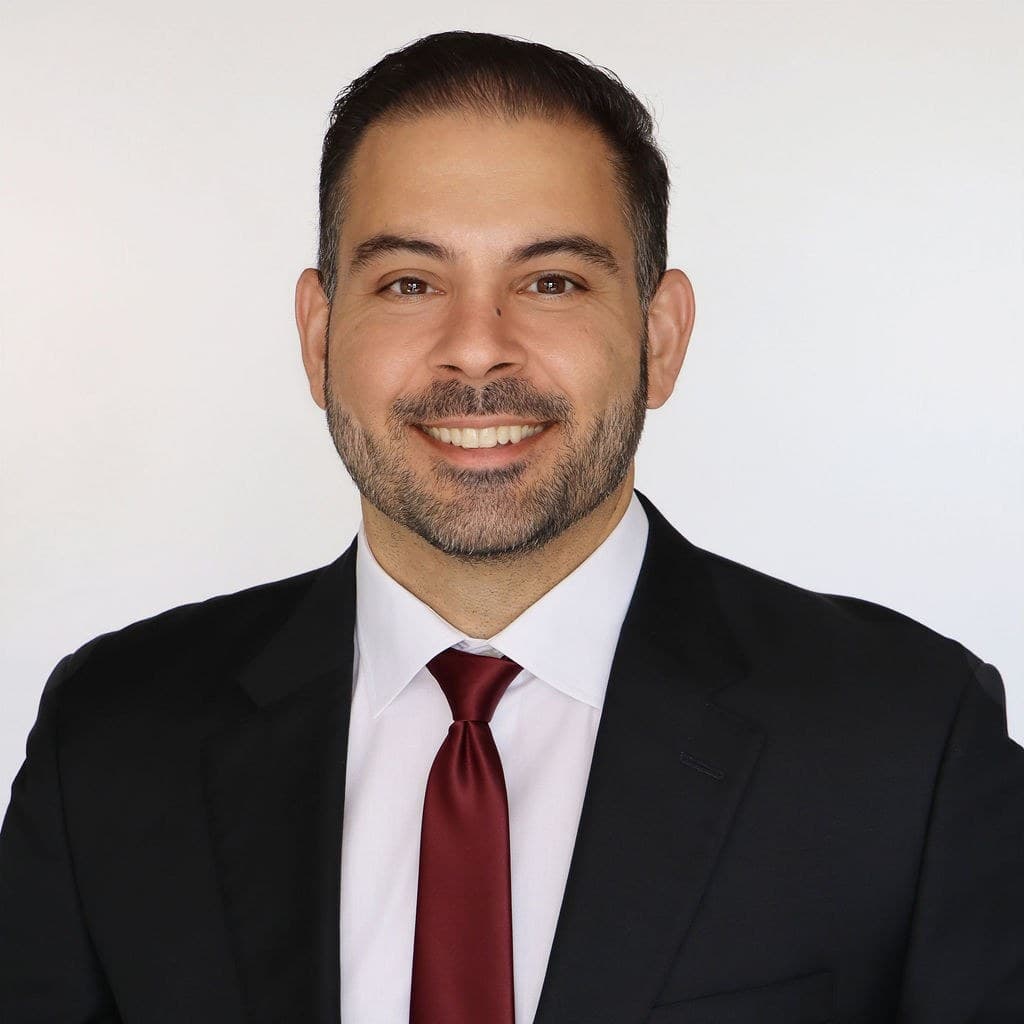
Eman Yazdchi, Esq., Certified Specialist in Workers' Compensation Law, California Board of Legal Specialization, State Bar of California.


California Board of Legal Specialization, State Bar of California
California Board of Legal Specialization, State Bar of California
- 14+
- Years of Practice
- 2,000+
- Cases handled over 14+ years
- $50M+
- Recovered over 14+ years
- 3
- Languages: English, Español, Farsi
Past results do not guarantee, warrant, or predict future cases. Each case is different and results depend on specific facts and circumstances.
Prepared by Yazdchi Law
A shoulder injury can take away work and basic life at the same time. Reaching, lifting, sleeping, driving, and dressing can all hurt. If the injury came from work, you should not have to pay for the care yourself.
Santa Clarita shoulder claims often come from Henry Mayo patient transfers, Valencia studio grip and electric work, Six Flags maintenance, and Canyon Country construction. Some start with one lift or fall. Others come from years of overhead work, pulling, pushing, and carrying.
Tell the employer in writing. Ask for the DWC-1. Tell the doctor which work motion hurt your shoulder. If the insurer calls it arthritis or denies the MRI, call (661) 273-1780. Early proof can protect the full value of the claim.
Do you have a shoulder injury case in Santa Clarita?
You likely have a claim if your job caused a shoulder tear, made an old shoulder worse, or turned pain into disability.
Shoulder injuries happen in many ways. A nurse catches a falling patient. A grip lifts gear overhead. A mechanic pulls a stuck part. A drywaller works above shoulder level for months. A warehouse worker reaches into racks all day.
California covers one-event injuries and build-up injuries. The work injury definition includes both. A rotator cuff tear, labral tear, biceps tendon injury, frozen shoulder, dislocation, or shoulder replacement can qualify when work is a cause.
You do not need a perfect shoulder before the accident. If work lit up an old condition or made it worse, the claim may still be valid. The key is medical proof that connects your symptoms, exam, imaging, and job duties.
What benefits can a shoulder injury worker get?
Workers' comp can cover shoulder specialists, MRI, injections, surgery, therapy, wage checks, and money for permanent work limits.
The insurer should pay for reasonable care to cure or relieve the work injury. For shoulder claims, that can include an MRI or arthrogram, orthopedic visits, therapy, injections, rotator cuff repair, labral repair, biceps tenodesis, or reverse shoulder replacement. The medical care rule puts those bills on the comp insurer, not on your family. You should not use private insurance copays for a covered work injury.
If the doctor takes you off work, temporary disability usually pays two-thirds of your average weekly wage, subject to state caps. Most injuries have a 104-week limit within five years. If you can work with limits, a real modified-duty offer must fit those limits.
When healing is complete, the doctor rates permanent disability. For recent injuries, the rating process starts with medical loss, applies the 1.4 adjustment, and weighs age and occupation up or down. Overhead trades and patient-care jobs can rate differently because they need strong shoulder use.
How much is a Santa Clarita shoulder injury claim worth?
Value depends on the tear, surgery, final rating, work limits, future care, occupation, and any valid apportionment split.
Shoulder cases vary widely. A small strain that heals is not valued like a failed rotator cuff repair. A worker who can return to full duty is in a different spot from a drywaller who cannot work overhead again.
| Injury pattern | Common medical path | General California value range |
|---|---|---|
| Shoulder strain or mild impingement | Clinic care, therapy, possible injection | $2,000 to $18,000 |
| Rotator cuff or labral repair | MRI, surgery, therapy, work restrictions | $25,000 to $95,000 |
| Failed repair or shoulder replacement | Major surgery, future care, permanent limits | $95,000 to $250,000+ |
| Severe fall with shoulder and spine or nerve injury | Multiple specialists and long-term care | $250,000+ in serious cases |
These are general California ranges, not a prediction. Your actual award depends on your disability rating, age, occupation, and future medical care. Past results do not guarantee future outcomes.
The firm has handled serious injury claims, including a $5,000,000 catastrophic spinal cord result and a $1,500,000 cervical spine result. Those results do not promise a shoulder case result. Your rating, future care, and work limits control the value.
How can apportionment reduce a shoulder payout?
The insurer may blame age, arthritis, a prior tear, or tendon wear. Their doctor must explain the exact medical split.
Shoulder apportionment fights are common. The insurer may say the MRI shows degeneration. They may argue the tear started before work. They may claim only part of the disability is from the job. That can cut the permanent disability money.
Labor Code §4663(a): "Apportionment of permanent disability shall be based on causation."
The doctor must explain the how and why. It is not enough to say that workers over 50 often have tendon changes. The report must connect the medical facts to a real percentage split.
Escobedo v. Marshalls is a WCAB en banc decision. It requires substantial medical evidence for apportionment. We test whether the doctor considered the real job: patient transfers, overhead rigging, drywall, electrical work, pushing, pulling, and years of repetitive reaching.
What if the insurer denies shoulder treatment?
A denial can be fought. Surgery, MRI, therapy, and injections often need fast medical review with strong records.
The insurer has 90 days after the claim form to accept or deny the claim. During that time, up to $10,000 in medical care should still be provided. That can help you get imaging and an orthopedic consult while they investigate.
If Utilization Review denies a rotator cuff repair, labral repair, or injection, the next step may be Independent Medical Review within 30 days. The packet should show weakness, failed therapy, imaging findings, job demands, and the treating doctor's reason for the request.
If the carrier denies the whole claim, a panel QME may be needed. A QME is a state-panel medical evaluator. The process is technical. The wrong specialty or a weak factual packet can hurt the claim.
What deadlines apply to Santa Clarita shoulder claims?
Report the shoulder injury within 30 days, file within one year, and act within 30 days on many treatment denials.
Report the shoulder injury in writing. The notice rule gives 30 days, but faster is better. Include the date, body part, and the work activity, like lifting a patient or pulling cable overhead.
The claim filing deadline is usually one year. For a build-up shoulder injury, the injury-date rule can start when you have disability and know, or should know, that work caused it. A doctor's note often becomes key proof.
- Keep the DWC-1 and any claim denial.
- Save MRI reports, injection records, and surgery notes.
- Write down overhead work, lifting, pushing, and pulling duties.
- Track missed work, light duty, and return-to-work offers.
- Call (661) 273-1780 before a serious shoulder claim gets boxed in by a weak report.
- Bring the doctor a short list of the exact shoulder motions your job requires.
Shoulder claims also need careful return-to-work proof. A light-duty note that says "no overhead work" should be matched against the real job. A Valencia grip may still need to lift stands, pull cable, and work above shoulder level. A nurse may still need to catch, turn, or boost patients. A Canyon Country electrician may still need both arms overhead. If the offer ignores those tasks, write down the mismatch before you try the shift.
Results in cases like this
Every case is different. Past results do not guarantee, warrant, or predict a similar outcome.
$5,000,000
Catastrophic spinal cord injury
$1,500,000
Cervical spine injury
$425,000
Slip and fall accident
Find Out What Your Santa Clarita Case May Be Worth
Two minutes. No fee unless we win; costs may apply.
Question 1 of 5
What type of injury do you have?
Not ready to fill this out? Just call (661) 273-1780 and we’ll ask the same questions by phone.
Free Consultation
Call or send the short form. We review your case, explain your rights, and outline your options. Free, no obligation.
We Build Your Case
We gather medical evidence, handle the insurance company, and file all the workers' comp court (WCAB) paperwork for you.
We Pursue Every Benefit
Medical care, lost wages, and permanent disability benefits. No fee unless we win your case; costs may apply.
What is local about Santa Clarita shoulder injury claims?
Santa Clarita shoulder claims route to Van Nuys WCAB and often involve hospital lifts, studio rigging, theme park maintenance, and construction overhead work.
Because shoulder pain can look small on paper, local job facts matter. The claim file should describe weight, reach height, hand position, repetition, and whether help or lift equipment was available. Those details help the doctor see why a torn cuff or labrum fits the work, not just an age label.
The Van Nuys WCAB handles Santa Clarita shoulder claims. That includes Valencia, Newhall, Saugus, Canyon Country, Stevenson Ranch, and nearby SCV workers. Local job details often explain why the shoulder failed.
Henry Mayo records can show patient transfers and lift assists. Valencia studio call sheets can show grip, electric, set carpentry, and rigging work. Six Flags maintenance files can show overhead repair and pulling tasks. Canyon Country construction records can show drywall, framing, electrical work, and repeated overhead labor.
Eman Yazdchi is a Certified Specialist in Workers' Compensation Law, certified by the California Board of Legal Specialization, State Bar of California (CA Bar #285231). Yazdchi Law appears at Van Nuys WCAB and serves SCV workers from its Palmdale office, about 30 miles north along the 14 Freeway. Call (661) 273-1780 for a free review.
Injured at work in Santa Clarita? Talk it through for free.
Most claims must be filed within one year under Labor Code section 5405. A free call tells you where your clock stands.
Shoulder Injury Questions in Santa Clarita, CA
Can I file for a rotator cuff tear from years of overhead work?
What if I had shoulder pain before this job?
Does workers comp pay for shoulder surgery?
What if my employer offers light duty after shoulder restrictions?
Can undocumented workers file shoulder injury claims?
What is a QME in a shoulder case?
How long does a shoulder workers comp case take?
Which WCAB handles Santa Clarita shoulder cases?
Free case evaluation
Get your free Santa Clarita case evaluation
Three fields. We respond within one business day.
Talk to a Certified Specialist
Certified Specialist in Workers' Compensation Law, California Board of Legal Specialization, State Bar of California.
Takes 30 seconds. No obligation.
Eman really knows his stuff and we were very pleased with our end result.
I am glad and so very pleased...he made happen what no other attorney could do. So far he has proven his weight in gold.
Client testimonials. Testimonials are not a guarantee, warranty, or prediction of the outcome of your case.