
Santa Paula, California · Workers' Compensation
Workers' Comp Claim Denied Lawyer in Santa Paula, California
Hurt at work in Santa Paula? Workers' comp pays for medical care and part of your lost pay while you heal. A free call tells you where you stand.
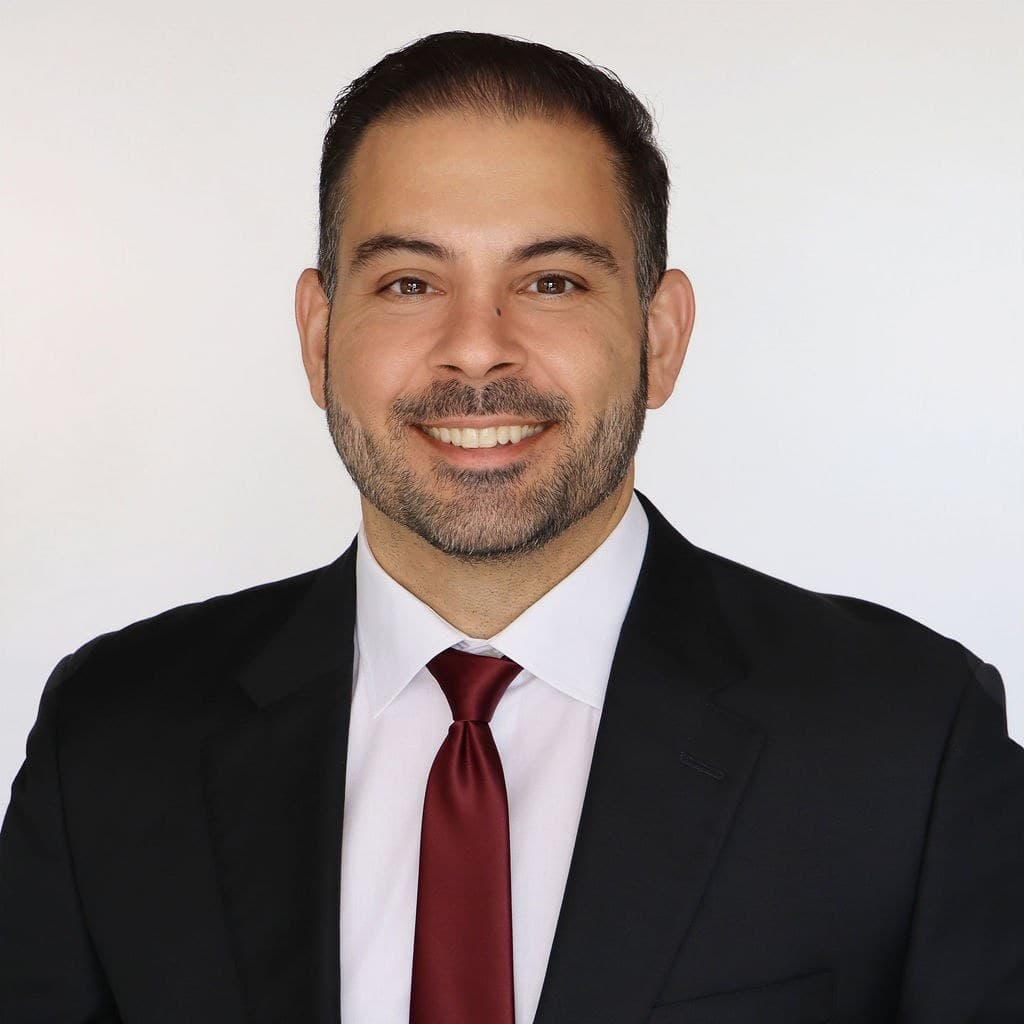
Eman Yazdchi, Esq., Certified Specialist in Workers' Compensation Law, California Board of Legal Specialization, State Bar of California.


California Board of Legal Specialization, State Bar of California
California Board of Legal Specialization, State Bar of California
- 14+
- Years of Practice
- 2,000+
- Cases handled over 14+ years
- $50M+
- Recovered over 14+ years
- 3
- Languages: English, Español, Farsi
Past results do not guarantee, warrant, or predict future cases. Each case is different and results depend on specific facts and circumstances.
Prepared by Yazdchi Law
Why are Santa Paula workers' comp claims denied?
Santa Paula denials often turn on causation, late reporting, prior medical history, or a treatment reviewer who never saw the full job picture.
Santa Paula workers do hard physical jobs in agriculture, packing, trucking, health care, retail, schools, public works, kitchens, and small manufacturing. A denial can arrive even when the worker knows the injury happened on the job. The letter may say the condition is degenerative, the report came too late, the employer disputes the accident, or the doctor did not prove industrial causation.
Those reasons are common in Ventura County claims. A citrus or avocado packing worker may be told shoulder pain is age related. A field worker along the Santa Clara River Valley may be told the back injury is not tied to one event. A driver on Highway 126 may be blamed for a prior disc problem. A Santa Paula Hospital employee may be told patient handling did not cause the current restrictions. The denial may sound final, but it is only the insurer's position.
Do not wait for the carrier to fix the file on its own. Keep each paper. Keep the envelope. Take a photo of the posted work schedule if it helps prove the shift. Write the name of the lead, foreman, nurse, or manager who heard the report. These small facts can matter at a hearing.
Eman Yazdchi is a Certified Specialist in Workers' Compensation Law by the California Board of Legal Specialization, State Bar of California. For Santa Paula workers, the firm usually works through the Oxnard district office of the Workers' Compensation Appeals Board. The first task is to read the denial closely, identify the missing proof, and protect any appeal deadline. Call (661) 273-1780 before records disappear or treatment stalls.
| Denial issue | Local example | Evidence to gather |
|---|---|---|
| Work causation denied | Packing, field, or warehouse lifting blamed on age. | Job duties, witnesses, medical history, and QME records. |
| Reporting dispute | Supervisor says no accident was reported. | Texts, timecards, clinic notes, and coworker names. |
| Treatment refused | UR denies MRI, therapy, injection, or surgery. | RFA, UR notice, imaging, and failed care records. |
How can a Santa Paula denial be challenged?
A denied claim can be challenged by proving the work connection, enforcing claim deadlines, or appealing a treatment refusal through the proper review process.
The best response starts with the exact denial reason. If the insurer says the injury did not arise from work, the file usually needs a WCAB case and a medical-legal report. The doctor must understand what the worker did each day. Repetition, force, posture, pace, and missed rest all matter. A brief note saying only that the worker has pain is rarely enough.
For represented workers, a Qualified Medical Evaluator can address whether work caused or aggravated the condition. The QME report can change the case if it explains the mechanism in a way the adjuster ignored. For example, a Santa Paula packing employee with years of overhead reaching may need a shoulder opinion that discusses cumulative trauma, not just one bad day. A driver with a low back injury may need the report to discuss vibration, loading, and repeated entries into the cab.
Labor Code section 5402(b) provides that if liability is not rejected within 90 days after the claim form is filed, the injury shall be presumed compensable, subject to rebuttal only by evidence discovered after that period.
The 90-day rule can be powerful when an insurer investigates for months and then sends a late denial. The worker still has to prove the claim form date and the denial date. If the employer never gave the worker a claim form, that fact should be documented too. A late denial issue can put pressure on the insurer at the Oxnard WCAB because the law expects a prompt decision.
Treatment denials require a different track. A doctor may request an MRI, pain procedure, therapy, or surgery. Utilization Review may deny it by saying the request does not meet guidelines. The response is not the same as a full claim denial. The UR notice must be checked for timing, reviewer qualifications, service, and appeal language. If the denial must go to Independent Medical Review, the medical packet should explain why the requested care is reasonable and necessary.
Santa Paula workers should also keep the story clear. Say what task hurt. Say when pain changed. Say who was told. Say what care was denied. Short notes help the doctor and the QME. They also help the judge see the claim as work, not just a medical chart.
Some cases involve both tracks at once. The insurer may deny the low back claim but accept a knee strain. It may accept the accident but deny temporary disability. It may pay a few visits and then deny surgery. Each issue should be separated so the worker does not miss one deadline while fighting another.
Pay records should be saved early. Many Santa Paula workers have overtime, seasonal hours, second jobs, or changing schedules. Wage proof can affect temporary disability and settlement value. Keep pay stubs, direct deposit records, crew sheets, and any text about missed work. Do not rely on the employer to keep the only copy.
Attorney fees in workers' comp are generally approved by the WCAB and usually come from the recovery. That is important for families in Santa Paula who are already dealing with missed wages, clinic bills, and pressure to return before they are ready.
Results in cases like this
Every case is different. Past results do not guarantee, warrant, or predict a similar outcome.
$5,000,000
Catastrophic spinal cord injury
$1,500,000
Cervical spine injury
$425,000
Slip and fall accident
Find Out What Your Santa Paula Case May Be Worth
Two minutes. No fee unless we win; costs may apply.
Question 1 of 5
What type of injury do you have?
Not ready to fill this out? Just call (661) 273-1780 and we’ll ask the same questions by phone.
Free Consultation
Call or send the short form. We review your case, explain your rights, and outline your options. Free, no obligation.
We Build Your Case
We gather medical evidence, handle the insurance company, and file all the workers' comp court (WCAB) paperwork for you.
We Pursue Every Benefit
Medical care, lost wages, and permanent disability benefits. No fee unless we win your case; costs may apply.
What local facts matter in a Santa Paula denial?
Local proof matters because the Oxnard WCAB needs more than a job title; it needs the real work, schedule, tools, route, and medical timeline.
Santa Paula denied claims are usually heard through the Oxnard Workers' Compensation Appeals Board. The district handles Ventura County cases, including Santa Paula, Fillmore, Ventura, Oxnard, Camarillo, Port Hueneme, Ojai, and nearby communities. The office is not in Santa Paula, so the paper trail must carry the local story into the hearing room.
For agricultural and packing workers, that story may include ladder work, bins, pallets, cold rooms, repetitive sorting, irrigation repair, or long harvest days. For drivers and delivery workers, it may include route pressure, loading, unloading, vibration, and tight schedules along Highway 126. For health care and service workers, it may include patient transfers, cleaning carts, stocking, slippery floors, or short staffing. For school, city, and retail workers, it may include lifting, maintenance, repetitive keyboard use, or standing on concrete.
Denial letters often leave out these facts. They may reduce the worker's job to a title and ignore the body mechanics. A strong appeal adds detail through the worker's statement, coworker names, supervisor notice, first clinic record, job description, photos when useful, and medical reports that match the real work.
The best local proof is often simple. A bin tag can show the crew. A route sheet can show the stop. A timecard can show the long shift. A clinic note can show pain started before the denial letter. A coworker name can prove notice. None of these facts has to be fancy. They just need to be saved before they are lost.
Medical care while the denial is pending can be difficult. Santa Paula workers may start with urgent care, Santa Paula Hospital, a primary doctor, or a specialist outside the comp network. Those records should be collected because early complaints often prove timing. If the insurer later claims the injury was not reported, the first medical note can become important evidence.
Transportation can be part of the stress. A worker may live in Santa Paula, treat in Ventura or Oxnard, and still have to get records from a clinic near the job site. Keep appointment cards and mileage notes. Missed care can be used against the worker, so it helps to show why a visit was delayed or hard to reach.
Yazdchi Law also checks for language access and retaliation pressure. Workers should not be pushed into signing statements they do not understand. They should not be told that fighting a denial will cost them their job or immigration safety. The legal fight should stay centered on the injury, the proof, and the benefits owed. For a review of a Santa Paula denial letter, call (661) 273-1780.
Injured at work in Santa Paula? Talk it through for free.
Most claims must be filed within one year under Labor Code section 5405. A free call tells you where your clock stands.
Frequently Asked Questions
What does it mean if my Santa Paula claim was denied?
Do Santa Paula denied claims go to the Oxnard WCAB?
Can the 90-day rule help after a late denial?
What if the insurer says my injury is degenerative?
How do I fight a denied MRI, injection, therapy, or surgery?
Can undocumented Santa Paula workers challenge a denial?
What can be recovered if the denial is reversed?
Why call Eman Yazdchi about a Santa Paula denial?
Free case evaluation
Get your free Santa Paula case evaluation
Three fields. We respond within one business day.
Talk to a Certified Specialist
Certified Specialist in Workers' Compensation Law, California Board of Legal Specialization, State Bar of California.
Takes 30 seconds. No obligation.
Eman by far exceeds the basic requirements other lawyers give to clients and surpasses all expectations.
Eman really knows his stuff and we were very pleased with our end result.
Client testimonials. Testimonials are not a guarantee, warranty, or prediction of the outcome of your case.