
Seal Beach, California · Workers' Compensation
Seal Beach Workers' Comp Appeal Lawyer | Long Beach WCAB
Hurt at work in Seal Beach? Workers' comp pays for medical care and part of your lost pay while you heal. A free call tells you where you stand.
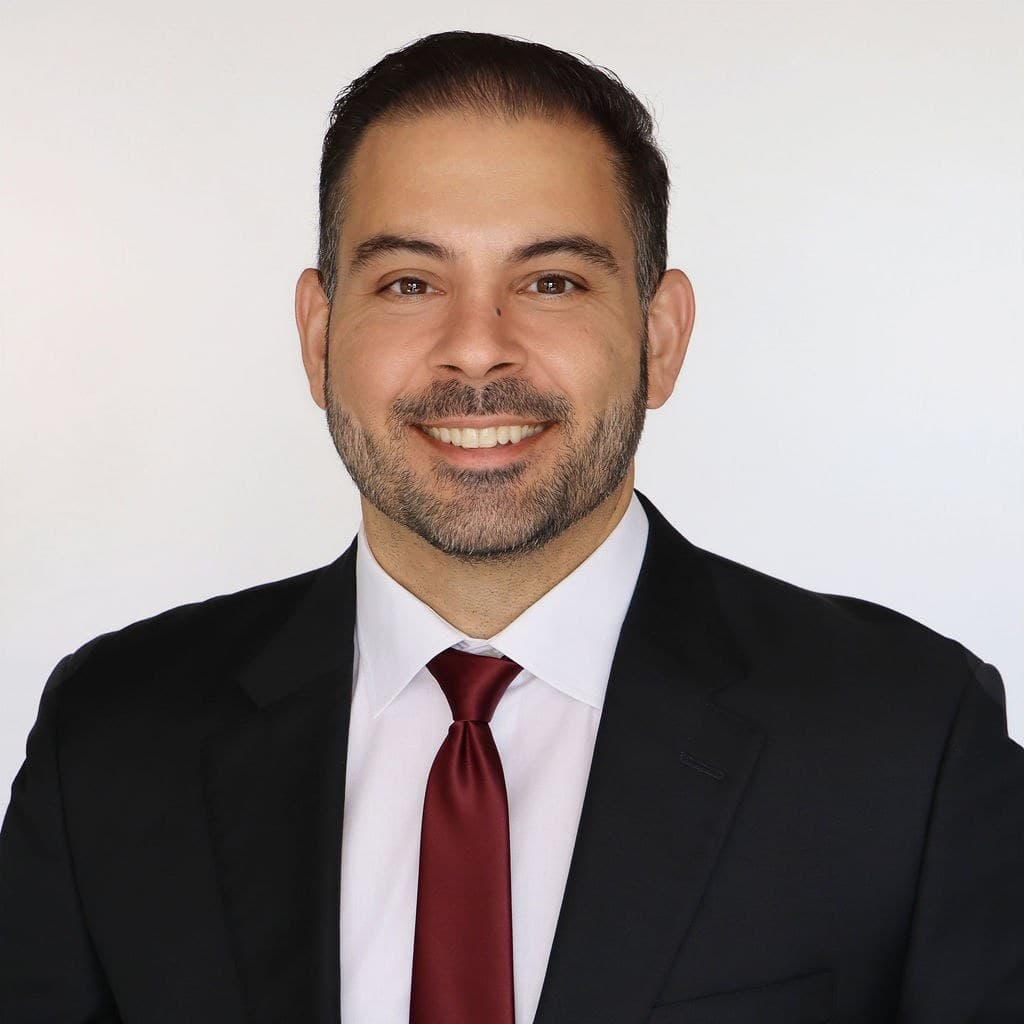
Eman Yazdchi, Esq., Certified Specialist in Workers' Compensation Law, California Board of Legal Specialization, State Bar of California.


California Board of Legal Specialization, State Bar of California
California Board of Legal Specialization, State Bar of California
- 14+
- Years of Practice
- 2,000+
- Cases handled over 14+ years
- $50M+
- Recovered over 14+ years
- 3
- Languages: English, Español, Farsi
Past results do not guarantee, warrant, or predict future cases. Each case is different and results depend on specific facts and circumstances.
Prepared by Yazdchi Law
A denial is not the end. It is the beginning of the fight for your benefits.
If your Seal Beach claim was denied, or your insurer cut off treatment your doctor ordered, you still have options. California law builds formal appeal routes into the system for exactly this situation. Deadlines are strict. Some arrive as soon as 20 days after a ruling is served electronically.
What to do right now:
- Find the denial or order and note its date. Your appeal clock started the day it was mailed or served electronically.
- Call us before responding to anything. Statements to the insurer can be used against your appeal. Call (661) 273-1780 first.
- Gather your records. Medical reports, the DWC-1 claim form, and all insurer communications form the foundation of any appeal.
Was your Seal Beach claim denied? You can fight it.
Yes. A denial at any stage can be challenged. Boeing workers, NWS contractors, and Old Town hospitality staff all have the same formal appeal rights under California law.
A denial letter from an insurance company feels final. A judge's ruling that went against you also feels that way. Neither one is.
California workers' comp builds multiple layers of review into the process. Initial decisions are regularly reversed on appeal. The type of denial determines which path applies. Getting on the right path from the start saves time you cannot afford to lose.
If the insurer misses the 90-day window to accept or deny your claim, the law presumes coverage. During those 90 days, up to $10,000 in treatment must be authorized right away. Labor Code 5402 requires that. You do not have to wait while they investigate.
UR vs. IMR vs. a WCAB appeal: which path is yours?
Treatment denial uses Independent Medical Review. A claim denial or judge ruling uses a Petition for Reconsideration at the Long Beach WCAB. Each path has its own deadline and rules.
When the insurer denied your treatment
Utilization Review is how insurers approve or deny medical care your doctor orders. If UR denies a treatment, request Independent Medical Review within 30 days. That deadline comes from Labor Code 4610.5. An independent physician in your injury specialty reviews your entire file. That physician issues a written determination within 30 days. If the determination sides with your treating doctor, the insurer must authorize the treatment.
The IMR ruling is nearly final under Labor Code 4610.6. Three narrow grounds can overturn it. Those grounds are fraud by the reviewer, a direct conflict of interest, and a plain factual error about what was in your file. Disagreeing with the medical conclusion is not enough. That near-finality makes the quality of your initial submission critical.
When the insurer denied your claim or a judge ruled against you
File a Petition for Reconsideration under Labor Code 5903 when a judge's ruling went against you. File it through EAMS at the Long Beach WCAB. The deadline is 25 days from mailing, or 20 days from electronic service. EAMS service is standard at Long Beach. For most Seal Beach cases, the 20-day window controls.
Labor Code 5903: "No petition for reconsideration shall be filed after the expiration of 20 days after the service of a final order, decision, or award made and filed by the appeals board or a workers' compensation judge, or after the expiration of 25 days after the date of mailing of a final order, decision, or award."
Reconsideration is not a new trial. The appeals board reviews the record the trial judge built. If the board denies reconsideration, seek a Writ of Review in the California Court of Appeal. File it under Labor Code 5950 within 45 days.
When your case was closed but your condition got worse
If your disability genuinely worsened after your case closed, a Petition to Reopen may be available. File it under Labor Code 5803 within five years of the date of injury. You must show the disability actually changed. Simply viewing the original rating differently does not qualify.
How long do you have to appeal?
Some deadlines arrive in 20 days. The table below lists every appeal route and its exact deadline. Missing any one of them can end your right to challenge the decision entirely.
The appeal deadline is the most dangerous part of this process. Workers lose their appeal rights by waiting too long to file. Do not assume you still have time.
| What was denied | Your appeal route | Deadline | Law |
|---|---|---|---|
| Treatment denied at Utilization Review | Independent Medical Review | 30 days from the denial | §4610.5 |
| IMR upheld the denial | Challenge only on narrow grounds | 30 days | §4610.6 |
| A judge's decision (Findings and Award) | Petition for Reconsideration | 25 days if mailed; 20 days if served electronically | §5903 |
| Reconsideration denied | Writ of Review to the Court of Appeal | 45 days | §5950 |
| New or worse disability after a closed case | Petition to Reopen | Within 5 years of the injury | §5803 |
At the Long Beach WCAB, EAMS electronic service is the norm. Count from the EAMS timestamp, not from when you open the notification. Call (661) 273-1780 if you are unsure which deadline governs your situation.
What does the appeal process actually look like?
An IMR appeal is a document review by an independent doctor. A WCAB reconsideration involves a written brief to the board. Both require complete, organized medical evidence submitted before the deadline.
The Independent Medical Review path
Submit the IMR request to the MAXIMUS Federal Services office designated by California's Department of Industrial Relations. Include the UR denial letter, your doctor's treatment request with medical justification, and all supporting records. MAXIMUS assigns a physician in the relevant specialty. That physician has 30 days to issue a written determination. A determination in your favor requires the insurer to authorize the treatment promptly.
The Long Beach WCAB reconsideration path
File the Petition for Reconsideration through EAMS. Identify the specific legal or factual errors in the judge's decision. The opposing party has 10 days to file a written answer. A three-member panel then decides whether to grant review. If they grant it, the board may issue a new decision or return the case to the trial level. The full process can take several months.
Why trial preparation determines appeal success
The reconsideration panel reviews only the evidence already in the trial record. A successful appeal almost always depends on groundwork laid before the ruling. That means three things: the right QME from the state panel, a complete treating-physician record, and every legal argument preserved at the hearing. We prepare for reconsideration from the first filing, not after a bad result.
What evidence wins a workers' comp appeal?
IMR appeals turn on a complete medical file with a detailed treating-physician report. WCAB reconsideration turns on a specific legal or factual error in the judge's ruling, backed by the trial record.
For an Independent Medical Review appeal
- A treating physician's detailed note explaining why the treatment is medically necessary under California's state treatment guidelines
- Imaging studies, surgical reports, or lab results confirming the diagnosis and injury severity
- Documentation that conservative treatment was tried and produced inadequate results
- Evidence that the requested care matches the Medical Treatment Utilization Schedule
For a WCAB Petition for Reconsideration
- A specific legal error: the wrong standard applied, evidence improperly excluded, or a flawed rating calculation
- A complete trial record showing the error was preserved at the hearing level
- QME or AME reports directly addressing disputed causation or disability percentage
- For Boeing Seal Beach workers, evidence that the carrier's evaluator did not explain the medical basis for any prior-condition split
Boeing workers and NWS contractors with long service histories are common targets for apportionment arguments. The carrier may claim prior wear predates your current employment. We challenge those claims by holding the evaluator to the full evidentiary standard. We present QME findings that tie specific job demands to your disability.
When a claim is denied on causation grounds, the QME matters most. You and the insurer each strike one name from a three-name state panel. One examiner remains. Choosing the right QME and preparing a thorough submission often determines the outcome of the appeal.
Results in cases like this
Every case is different. Past results do not guarantee, warrant, or predict a similar outcome.
$5,000,000
Catastrophic spinal cord injury
$1,500,000
Cervical spine injury
$425,000
Slip and fall accident
Find Out What Your Seal Beach Case May Be Worth
Two minutes. No fee unless we win; costs may apply.
Question 1 of 5
What type of injury do you have?
Not ready to fill this out? Just call (661) 273-1780 and we’ll ask the same questions by phone.
Free Consultation
Call or send the short form. We review your case, explain your rights, and outline your options. Free, no obligation.
We Build Your Case
We gather medical evidence, handle the insurance company, and file all the workers' comp court (WCAB) paperwork for you.
We Pursue Every Benefit
Medical care, lost wages, and permanent disability benefits. No fee unless we win your case; costs may apply.
What is special about appeals at the Long Beach WCAB?
Seal Beach appeal cases are heard at the Long Beach WCAB. Eman Yazdchi appears there regularly on Boeing, defense-contractor, and service-industry cases from Seal Beach and nearby communities.
Where Seal Beach appeals are heard
The Long Beach district office of the Workers' Compensation Appeals Board handles every Seal Beach case on Yazdchi Law's calendar. Seal Beach is in Orange County, just south of the Los Angeles County line. Cases are filed and tracked through EAMS. A Petition for Reconsideration filed at Long Beach stays in the district record while the board panel completes its review. Related: Long Beach workers' comp appeals and Los Alamitos workers' comp appeals.
Seal Beach industries that drive appeal filings
- Aerospace and defense manufacturing: Boeing's Seal Beach facility is a major satellite and space-systems production center. Assembly workers, technicians, and engineers face cumulative shoulder, back, and wrist injuries from repetitive precision work. When a long-tenured worker files a claim, carriers often fight it on apportionment grounds. They argue that wear predates current employment. Those disputes regularly reach the Long Beach WCAB on reconsideration.
- Naval Weapons Station civilian contractors: NWS logistics, maintenance, and material workers file orthopedic and musculoskeletal claims. Federal contractor disputes sometimes involve coverage questions that require WCAB resolution.
- Hospitality and retail: Restaurants, boutiques, and lodging businesses along Old Town Main Street produce slip-and-fall, knee, and shoulder claims. Knee surgery and physical therapy denials are the most common IMR appeals for these workers.
- Healthcare and home care: Care workers near Seal Beach file patient-handling and repetitive-motion claims regularly. Permanent disability rating disputes on reconsideration are common for this workforce.
How we handle Long Beach WCAB appeals for Seal Beach clients
Eman Yazdchi appears regularly at the Long Beach WCAB on Seal Beach area cases. He knows the Long Beach district's procedural pace. He knows the active QME network. And he knows the typical carrier arguments on aerospace and contractor cases.
The firm has obtained results including $5,000,000 for a catastrophic spinal cord injury. Another case recovered $1,500,000 for a cervical spine injury. Past results do not predict what your case will bring. Every claim turns on different facts. We give you an honest read during the free consultation.
What does an appeal at the Long Beach WCAB cost?
Nothing upfront. Workers' comp attorney fees are set by the judge, typically 12 to 15 percent of what is recovered, and only if there is a recovery.
You do not pay by the hour. You do not pay anything to start. The WCAB judge sets the attorney fee when the case closes. It is typically 12 to 15 percent of any award or settlement. Payment applies only when there is a recovery. If there is no recovery, you owe nothing. A Boeing line worker and a part-time restaurant server get equal representation under that structure.
About your attorney
Eman Yazdchi is a Certified Specialist in workers' compensation law, certified by the California Board of Legal Specialization, State Bar of California. Fewer than one percent of California attorneys hold this credential. He has represented hundreds of injured California workers and appears regularly at the Long Beach WCAB. More about Eman Yazdchi. Verify his State Bar profile.
Nearby communities we serve
Injured at work in Seal Beach? Talk it through for free.
Most claims must be filed within one year under Labor Code section 5405. A free call tells you where your clock stands.
Frequently Asked Questions
My claim was denied. Do I need a lawyer to appeal?
How long does a workers' comp appeal take to resolve?
The insurer cut off my temporary disability payments. Can I appeal that?
What is the difference between a Stipulated Award and a Compromise and Release?
How much of my award do I keep after the attorney fee?
Can my employer retaliate against me for pursuing an appeal?
I work at Boeing Seal Beach. Does my employer's size affect my appeal rights?
My case settled two years ago but my condition has gotten much worse. Can I still do anything?
Free case evaluation
Get your free Seal Beach case evaluation
Three fields. We respond within one business day.
Talk to a Certified Specialist
Certified Specialist in Workers' Compensation Law, California Board of Legal Specialization, State Bar of California.
Takes 30 seconds. No obligation.
Eman at Yazdchi Law was extremely professional, responsive, and supportive at all times. He and his staff exceeded all of my expectations.
A fighting force both consistent and compassionate on a scale’s a 5 all around.
Client testimonials. Testimonials are not a guarantee, warranty, or prediction of the outcome of your case.