
Tustin, California · Workers' Compensation
Denied Workers' Compensation Claim in Tustin, California
Hurt at work in Tustin? Workers' comp pays for medical care and part of your lost pay while you heal. A free call tells you where you stand.
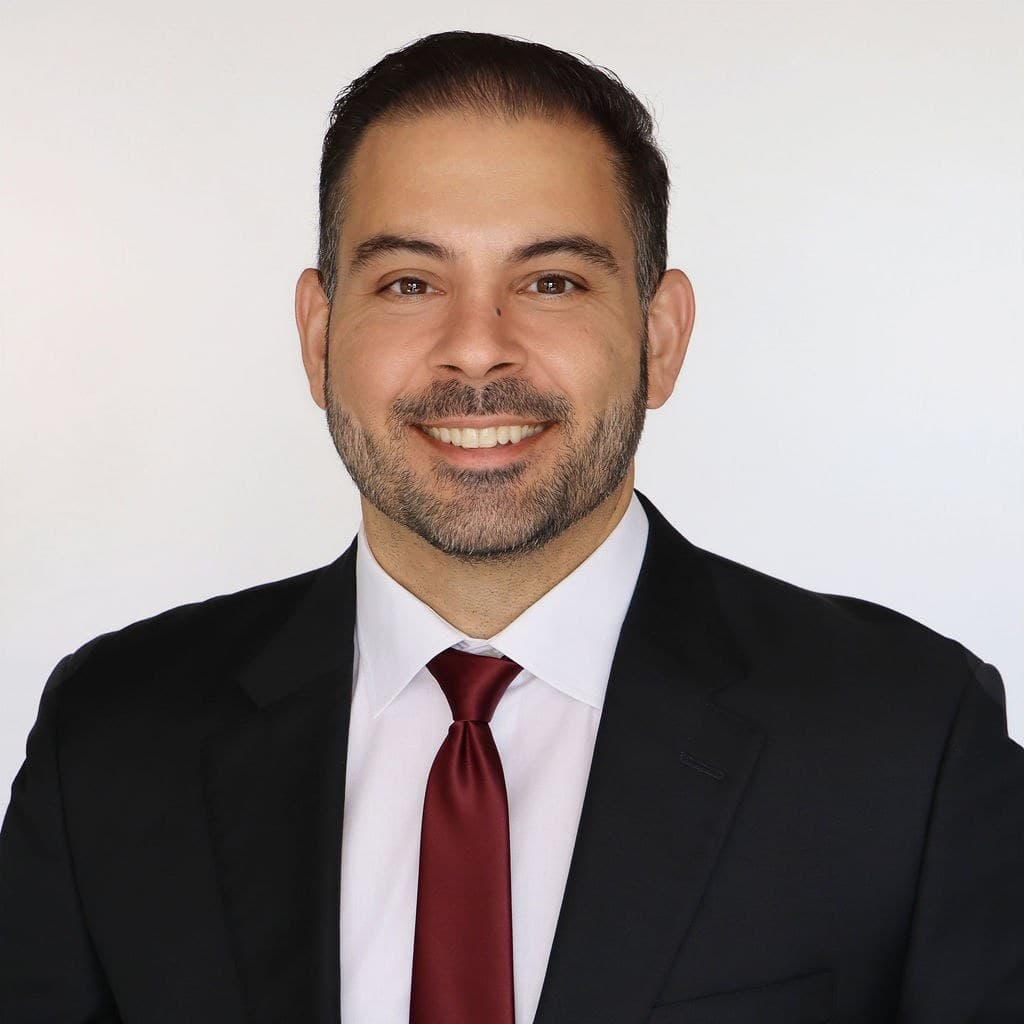
Eman Yazdchi, Esq., Certified Specialist in Workers' Compensation Law, California Board of Legal Specialization, State Bar of California.


California Board of Legal Specialization, State Bar of California
California Board of Legal Specialization, State Bar of California
- 14+
- Years of Practice
- 2,000+
- Cases handled over 14+ years
- $50M+
- Recovered over 14+ years
- 3
- Languages: English, Español, Farsi
Past results do not guarantee, warrant, or predict future cases. Each case is different and results depend on specific facts and circumstances.
Prepared by Yazdchi Law
Why was my Tustin workers' comp claim denied?
Most Tustin denials turn on timing, medical proof, or a carrier claim that work did not cause the injury.
A denial letter feels final, but it is often only the carrier's first position. Tustin workers from The District, Tustin Legacy, Old Town shops, Red Hill warehouses, and Jamboree Road offices see the same patterns. The adjuster says the back injury is old. The carrier accepts a shoulder strain but denies surgery. A nurse, driver, custodian, or construction worker reports pain after months of repetitive work, and the file is labeled non-industrial. None of those labels ends the case.
Yazdchi Law treats a denial as a file that needs proof, dates, and a forum. The forum for a Tustin full-claim denial is the Long Beach district office of the Workers' Compensation Appeals Board. Treatment denials also need a fast IMR record. Certified Specialist Eman Yazdchi (California Board of Legal Specialization, State Bar of California) checks whether the carrier acted within the 90-day window, whether it paid the first medical care that California law requires, and whether the treating doctor explained the injury in a way a judge or reviewer can use.
| Issue | What it means for a Tustin worker |
|---|---|
| Full claim denial | The carrier says the injury is not work-related. The worker can file at the Long Beach WCAB. |
| Treatment denial | The claim may be accepted, but UR refused a surgery, MRI, injection, therapy, or medication. |
| Key deadline | The DWC-1 filing date starts the 90-day decision clock under Labor Code section 5402(b). |
| Local proof | ER records, job descriptions, witness names, time cards, and supervisor texts often decide the fight. |
The first job is to separate a true claim denial from a medical treatment denial. A true denial says no benefits are owed at all. That blocks temporary disability, medical care, mileage, and later permanent disability. A treatment denial is narrower. The insurer may accept the claim, but Utilization Review says a requested treatment is not medically needed. The response is different, so the letter must be read closely.
A Tustin worker should keep the envelope, the denial notice, the DWC-1 copy, clinic notes, and any text about reporting the injury. These details can show the carrier had enough notice to investigate. They can also show that the denial came too late or was based on a thin record. The local facts matter. A Tustin Legacy framer with a fall, a District restaurant worker with a burn, and a Tustin Unified custodian with years of lifting each need a different proof package.
How does a Tustin worker fight a denied claim?
The worker preserves the WCAB case, builds medical proof, and keeps treatment denials on the right review track.
The practical response starts with the Application for Adjudication of Claim. That filing opens the WCAB case and lets the judge handle disputed benefits. For a Tustin worker, venue is usually Long Beach. After filing, the case needs medical proof from the treating doctor and, when causation is disputed, a Qualified Medical Evaluator. The QME is often the turning point because the report can address what the adjuster ignored.
Labor Code section 5402(b): if liability is not rejected within 90 days, "the injury shall be presumed compensable under this division."
The 90-day rule is simple in concept. The completed claim form starts the clock. If the carrier does not reject liability in time, California law treats the injury as presumed compensable. That does not mean the worker can ignore proof. It means the carrier has lost a major timing fight. The strongest files show the date the DWC-1 was delivered, who received it, and what the carrier did during the 90 days.
Evidence should be gathered in plain order. First comes the injury report. Then the first medical visit. Then the denial letter. Then the job evidence. For a warehouse worker near Edinger and Red Hill, that may include lift logs, pallet counts, scanner data, or supervisor texts. For an office worker near Jamboree Road, it may include ergonomic complaints, workstation photos, and a treating doctor's history. For a restaurant or retail worker at The District, it may include incident video, witness names, and urgent care records.
Treatment denials need a separate track. Utilization Review decides whether a requested treatment meets medical guidelines. If UR denies a lumbar MRI, shoulder repair, pain injection, or therapy plan, the worker usually has 30 days to request Independent Medical Review. The treating doctor must explain why the request fits the injury, what conservative care failed, and what objective findings support it. Short, vague reports lose. Specific reports can change the result.
Some denials are procedural. The letter may cite the wrong body part. It may treat a cumulative trauma claim as a single accident. It may ignore a witness. It may deny care even though the carrier had to authorize initial treatment while it investigated. These defects matter because a judge does not decide the case from the carrier's label. The judge looks at proof, medical opinion, and the Labor Code rules that control the dispute.
Fees also matter. A California workers' comp attorney fee is approved by the WCAB and is usually a percentage of the recovery. The worker does not pay an hourly bill to start the denial fight. That structure lets a Tustin worker challenge a carrier even when wage checks have stopped.
The goal is not just to remove the word denied. The goal is to restore benefits. That can mean temporary disability checks, medical care, mileage, a permanent disability rating, a Supplemental Job Displacement Benefit voucher, and penalties when benefits were delayed without good reason. The value depends on medical outcome, work limits, wage rate, and how long the denial blocked care.
Results in cases like this
Every case is different. Past results do not guarantee, warrant, or predict a similar outcome.
$5,000,000
Catastrophic spinal cord injury
$1,500,000
Cervical spine injury
$425,000
Slip and fall accident
Find Out What Your Tustin Case May Be Worth
Two minutes. No fee unless we win; costs may apply.
Question 1 of 5
What type of injury do you have?
Not ready to fill this out? Just call (661) 273-1780 and we’ll ask the same questions by phone.
Free Consultation
Call or send the short form. We review your case, explain your rights, and outline your options. Free, no obligation.
We Build Your Case
We gather medical evidence, handle the insurance company, and file all the workers' comp court (WCAB) paperwork for you.
We Pursue Every Benefit
Medical care, lost wages, and permanent disability benefits. No fee unless we win your case; costs may apply.
What local facts matter in a Tustin denial?
Tustin cases are strongest when the legal argument is tied to the actual job, clinic record, and local venue.
Tustin is not one worksite. The proof changes by neighborhood. Tustin Legacy construction claims often involve falls, struck-by events, heavy lifting, and subcontractor records. The District creates restaurant, retail, loading dock, and slip injury files. The Edinger and Red Hill corridor adds warehouse, light industrial, and delivery work. Old Town Tustin adds small employers where the claim form may never be handed over unless the worker asks twice.
The Long Beach WCAB hears the disputed claim. That venue matters because the file must be organized for a judge who needs a clean issue list. Is the dispute injury AOE/COE, which means arising out of and occurring in the course of employment? Is the dispute a body part? Is the dispute temporary disability? Is it a UR denial that belongs in IMR? A focused issue list can move a case faster than a stack of loose records.
Local medical proof also matters. Emergency records from Hoag Hospital Irvine, Providence St. Joseph Hospital Orange, Kaiser Permanente Anaheim Medical Center, urgent care clinics, or an MPN doctor can pin down the first history. The first history is often more persuasive than a later report. If the first note says the worker lifted boxes at a Tustin warehouse or slipped during a restaurant shift, the carrier has a harder time calling the injury personal.
Workers should also watch for employer pressure. A supervisor may say the injury was not reported soon enough. A manager may tell the worker to use private insurance. A small shop may say it has no claim forms. Those statements should be saved. They help explain why the DWC-1 date, treatment start, and denial date do not line up neatly.
Yazdchi Law's Tustin denial review is built around those local facts. The firm checks the date trail, medical trail, and work trail before it argues. That keeps the case human. A denial is not an abstract code dispute. It is a worker who cannot get a scan, cannot lift at work, or has no wage check while rent is due.
Injured at work in Tustin? Talk it through for free.
Most claims must be filed within one year under Labor Code section 5405. A free call tells you where your clock stands.
Frequently Asked Questions
What does a denied Tustin workers' comp claim mean?
Where is a Tustin denied claim heard?
How long does the carrier have to deny a Tustin claim?
What if Tustin treatment is denied by Utilization Review?
Can a Tustin worker get medical care while the denial is fought?
What evidence helps reverse a Tustin denial?
What benefits can be recovered after a denial is overturned?
Does it cost money up front to hire Yazdchi Law for a denied claim?
Free case evaluation
Get your free Tustin case evaluation
Three fields. We respond within one business day.
Talk to a Certified Specialist
Certified Specialist in Workers' Compensation Law, California Board of Legal Specialization, State Bar of California.
Takes 30 seconds. No obligation.
Eman by far exceeds the basic requirements other lawyers give to clients and surpasses all expectations.
Eman really knows his stuff and we were very pleased with our end result.
Client testimonials. Testimonials are not a guarantee, warranty, or prediction of the outcome of your case.