
West Hollywood, California · Workers' Compensation
Workers' Comp Claim Denied Lawyer in West Hollywood, California
Hurt at work in West Hollywood? Workers' comp pays for medical care and part of your lost pay while you heal. A free call tells you where you stand.
Eman Yazdchi, Esq., Certified Specialist in Workers' Compensation Law, California Board of Legal Specialization, State Bar of California.
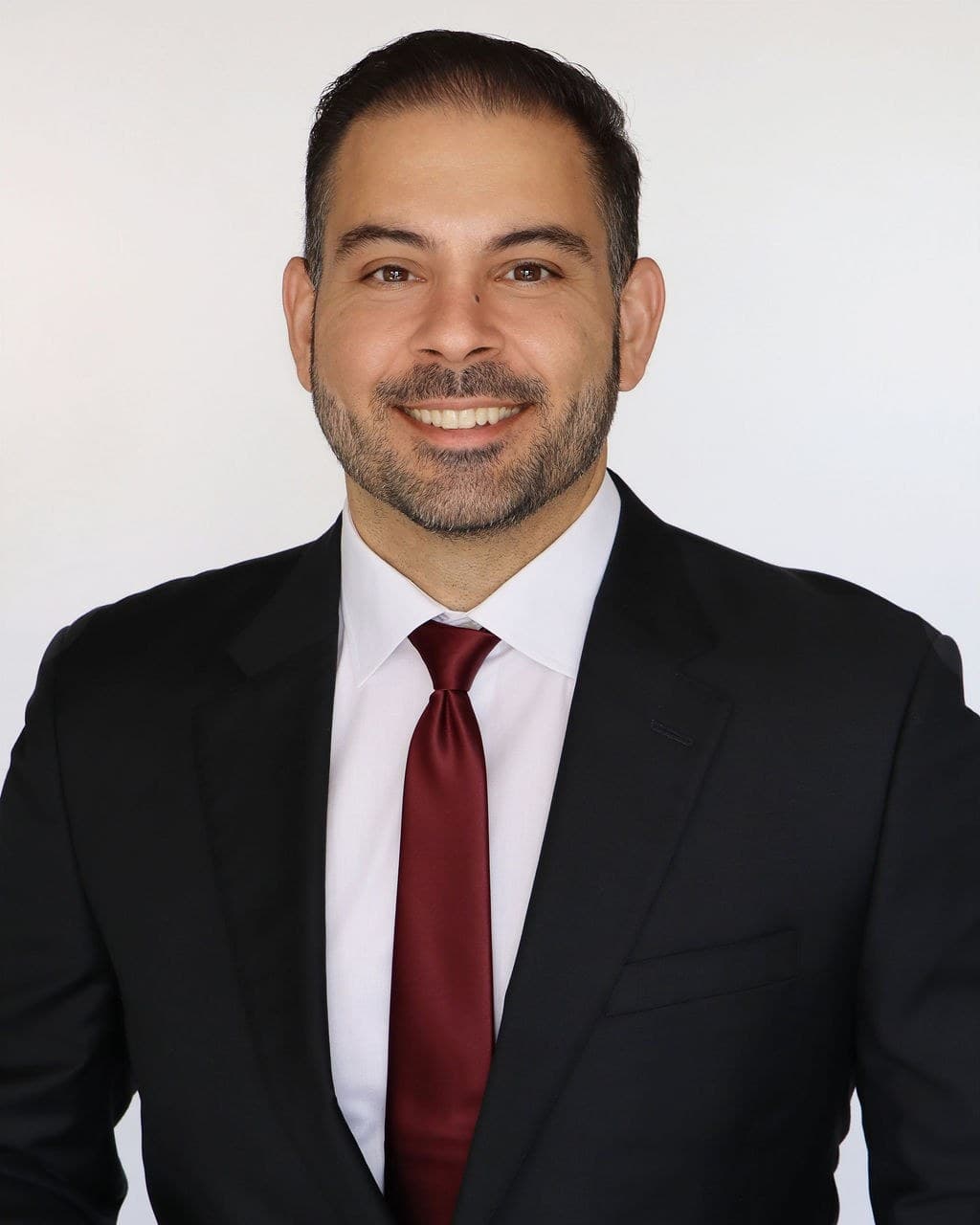

California Board of Legal Specialization, State Bar of California
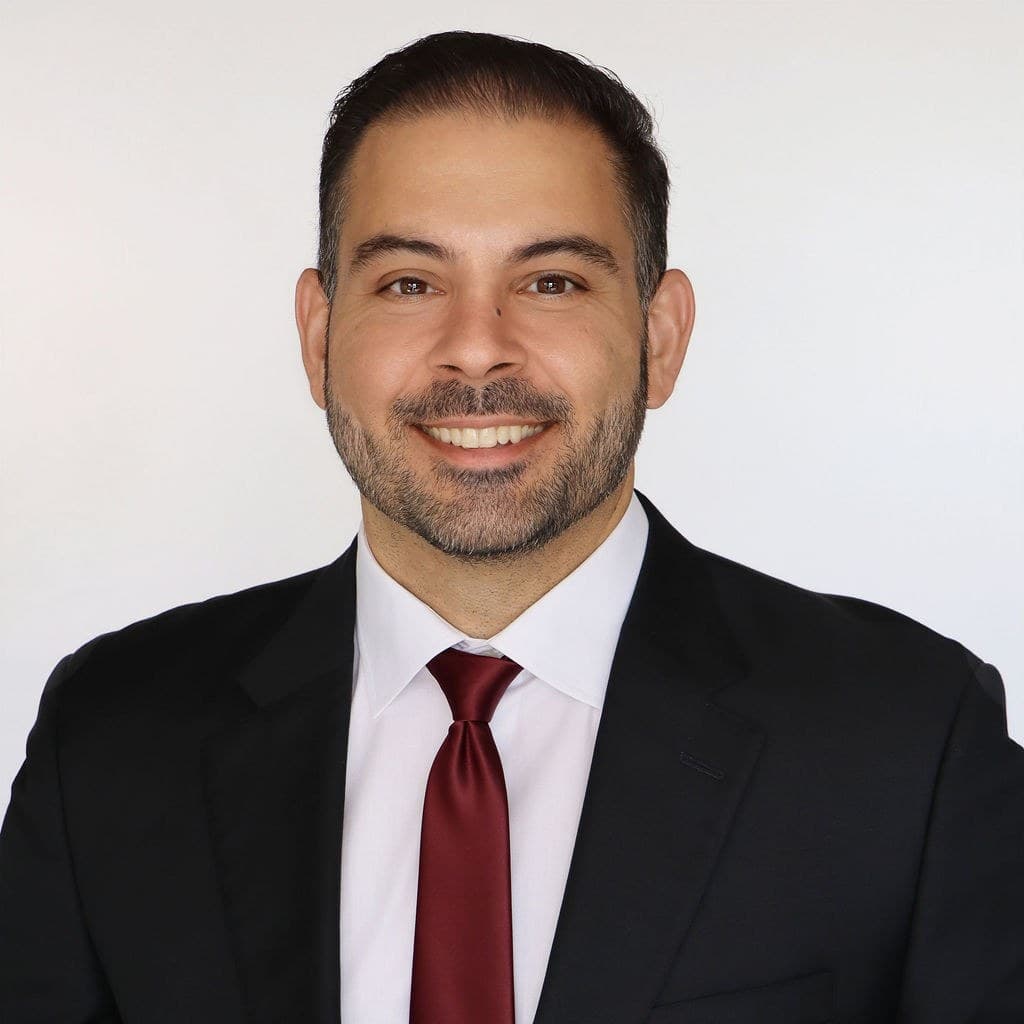
California Board of Legal Specialization, State Bar of California
- 14+
- Years of Practice
- 2,000+
- Cases handled over 14+ years
- $50M+
- Recovered over 14+ years
- 3
- Languages: English, Español, Farsi
Past results do not guarantee, warrant, or predict future cases. Each case is different and results depend on specific facts and circumstances.
Prepared by Yazdchi Law
West Hollywood workers often get hurt in jobs that look easy from the outside. A hotel room does not show the lifting behind housekeeping. A restaurant shift does not show the slip risk, late hours, and rushed stocking. A medical office does not show the repeated bending, chemical exposure, or patient help. When a carrier denies the claim, it often tells a flat story. The worker needs a fuller one.
A denied West Hollywood workers' comp claim may involve the Sunset Strip, Santa Monica Boulevard nightlife, Melrose retail, Beverly Center service work, Pacific Design Center showrooms, or patient-handling work near Cedars-Sinai. The denial may say the injury is not industrial, was reported too late, came from age, or lacks medical support. Those claims can be tested.
Eman Yazdchi is a Certified Specialist in Workers' Compensation Law, California Board of Legal Specialization, State Bar of California. Yazdchi Law handles denied claims for workers who need the file reopened, the medical record corrected, and the carrier pressed for a lawful decision. Call (661) 273-1780 for a review.
How West Hollywood workers fight a denied claim
The strongest response starts with the denial letter, then builds a timeline of notice, medical care, work duties, and carrier action.
The denial letter is the starting point, not the ending point. We read the reason given by the carrier and compare it with the facts. Did the worker file a DWC-1? Did a manager know? Was there a delay notice? Did the carrier speak with witnesses? Did the doctor receive an accurate job history? A denial based on a weak file can change when the missing facts are supplied.
West Hollywood cases need detail. A housekeeper may clean many rooms per shift, push loaded carts through tight halls, and lift mattresses for years. A bartender may carry kegs, cases, and ice while working on wet floors. A door security worker may suffer a specific injury during a guest incident. A medical-aesthetics worker may handle products that affect breathing or skin. A showroom employee may move samples, furniture, and boxes during events. The legal theory becomes stronger when the job is described in real terms.
Labor Code section 5402(b): if liability is not rejected within 90 days after the claim form is filed, the injury is presumed compensable.
The 90-day rule is one of the first checks. We look at the claim form date, the employer's knowledge, and the denial date. If the carrier missed the deadline, that can change the whole case. If it denied on time, the worker still can prove the injury through medical-legal evidence.
| West Hollywood pattern | Likely dispute | Proof that helps |
|---|---|---|
| Sunset Strip hotel work | Back or shoulder wear blamed on age | Room counts, task lists, QME history |
| Nightlife and restaurant work | Late report or off-duty claim | Incident texts, witness names, schedules |
| Medical and beauty work | Chemical or repetitive injury disputed | Product list, symptoms, treating notes |
| Retail and showroom work | Cumulative trauma denied | Job photos, lifting facts, prior reviews |
Some denials involve treatment instead of the whole claim. If utilization review denies an MRI, therapy, injection, or surgery, the worker may need Independent Medical Review. That path has a short deadline. It also needs a clean medical packet. If utilization review was late or invalid, the issue may be raised before the WCAB instead.
A QME evaluation can decide the main dispute. The evaluator needs the true West Hollywood job facts. A short form saying "restaurant worker" is not enough. The report should address how often the worker lifted, bent, reached, walked, cleaned, restrained guests, handled patients, or used products. It should also separate old conditions from work-related aggravation. A worker does not need a perfect spine, shoulder, or knee to have a valid claim.
West Hollywood claims also need care with employer structure. A worker may be hired by a hotel operator, a restaurant group, a staffing company, a production vendor, or a building services contractor. The name on the check may differ from the name on the schedule. A denial sometimes relies on that confusion. We compare pay records, badges, time sheets, and manager texts to identify the correct employer and insurance path.
Tips and variable shifts can make wage loss harder to prove. A server, bartender, valet, or event worker may not have the same weekly pay each month. We ask for pay stubs, tip records, schedules, and bank deposits when needed. The goal is to show the real loss, not just the base hourly rate.
For medical and beauty workers, the proof may come from the room itself. Product labels, ventilation, gloves, repeated hand use, standing stations, and photos of treatment rooms can all help a doctor understand exposure and repetition. For security and nightlife workers, incident logs, guest reports, and police contacts can matter. A denial often sounds less certain once the work site is described in detail.
We also watch wage loss. Denied claims often leave workers with no temporary disability checks even when a doctor has taken them off work. Payroll records, tips, schedules, and modified duty offers can all matter. A nightlife worker with variable hours needs a careful wage record. A hotel or retail worker may need proof that the modified job was not within restrictions.
What to do after a denial in West Hollywood
Keep every notice, continue medical care when possible, document the job duties, and move before the treatment or litigation deadline expires.
Do not throw away the envelope. Proof of service can affect deadlines. Keep every page from the carrier, including delay notices and utilization review decisions. If a supervisor saw the injury or heard the report, write down the name, date, and words used. If a coworker helped after a fall or assault, save the text chain.
Medical records should stay consistent. Tell each provider how the injury happened, what body parts hurt, and what tasks make symptoms worse. If the denial says the injury is non-industrial, the treating notes must explain the work connection. If the carrier claims a late report, early medical notes and witness facts may answer that point.
West Hollywood workers also need to be careful with return-to-work pressure. A vague promise of light duty is not the same as a real job within restrictions. If the employer offers modified work, ask for the duties in writing. If the job requires lifting, standing, reaching, or patient contact beyond the doctor's limits, document the conflict.
Results in cases like this
Every case is different. Past results do not guarantee, warrant, or predict a similar outcome.
$5,000,000
Catastrophic spinal cord injury
$1,500,000
Cervical spine injury
$425,000
Slip and fall accident
Find Out What Your West Hollywood Case May Be Worth
Two minutes. No fee unless we win; costs may apply.
Question 1 of 5
What type of injury do you have?
Not ready to fill this out? Just call (661) 273-1780 and we’ll ask the same questions by phone.
Free Consultation
Call or send the short form. We review your case, explain your rights, and outline your options. Free, no obligation.
We Build Your Case
We gather medical evidence, handle the insurance company, and file all the workers' comp court (WCAB) paperwork for you.
We Pursue Every Benefit
Medical care, lost wages, and permanent disability benefits. No fee unless we win your case; costs may apply.
West Hollywood local filing and case proof
West Hollywood denied claims usually point toward the Los Angeles WCAB, with proof shaped by hospitality, nightlife, retail, showroom, and medical work.
The Los Angeles district WCAB is the local court workers ask about most often for West Hollywood denied claims. The official Los Angeles district office is at 320 W. 4th Street, 9th floor. For a worker coming from Santa Monica Boulevard, Melrose, or the Sunset Strip, the court case may feel far away from the job site. The proof should bring the judge back to the actual work.
Local examples matter. A housekeeper at a Sunset hotel may have no single accident, just years of bending and lifting that finally became disabling. A server near Santa Monica Boulevard may slip during a closing shift and report it to the shift lead instead of HR. A Beverly Center worker may have wrist and shoulder symptoms from stocking and register work. A patient-care worker near Cedars-Sinai may face a denial that blames a prior back condition. Each case needs a timeline that fits the worker's real shift.
We avoid generic packages. A West Hollywood denial file should show the schedule, the workplace, the body parts, the witnesses, the medical path, and the carrier's deadlines. When those pieces line up, the worker is in a better position at conference, trial, or settlement talks.
The local work culture matters. West Hollywood shifts often run late, and many workers have more than one job. A delayed report may happen because the worker was trying to keep shifts, avoid losing tips, or wait for a manager who was not on site. That context should be written down early. It can explain why the paperwork date does not match the first day of pain.
Tourism and event work can also create proof problems. A guest may leave town. A manager may rotate to another location. A pop-up event may close before records are gathered. Fast preservation is important. Photos, texts, schedules, and coworker names can keep the case from becoming only the carrier's version.
West Hollywood workers should also keep proof of side effects from the denial itself. Missed therapy, unpaid prescriptions, rides that could not be arranged, and work restrictions that were ignored can all matter later. Those facts help show why delay caused harm and why the case needs prompt attention.
Injured at work in West Hollywood? Talk it through for free.
Most claims must be filed within one year under Labor Code section 5405. A free call tells you where your clock stands.
Frequently Asked Questions
Is a West Hollywood workers' comp denial the end of my case?
Which WCAB handles West Hollywood denied claims?
What if I work on the Sunset Strip and my back injury was denied?
How fast should I act after a treatment denial?
Does a late report ruin a West Hollywood claim?
Can I win if I had symptoms before this job?
What if my employer pressures me not to pursue the claim?
How do I contact Yazdchi Law about a West Hollywood denial?
Free case evaluation
Get your free West Hollywood case evaluation
Three fields. We respond within one business day.
Talk to a Certified Specialist
Certified Specialist in Workers' Compensation Law, California Board of Legal Specialization, State Bar of California.
Takes 30 seconds. No obligation.
I am glad and so very pleased...he made happen what no other attorney could do. So far he has proven his weight in gold.
Eman at Yazdchi Law was extremely professional, responsive, and supportive at all times. He and his staff exceeded all of my expectations.
Client testimonials. Testimonials are not a guarantee, warranty, or prediction of the outcome of your case.