
Westwood Village, California · Workers' Compensation
Westwood Village Workers' Compensation Settlement Attorney
Hurt at work in Westwood Village? Workers' comp pays for medical care and part of your lost pay while you heal. A free call tells you where you stand.
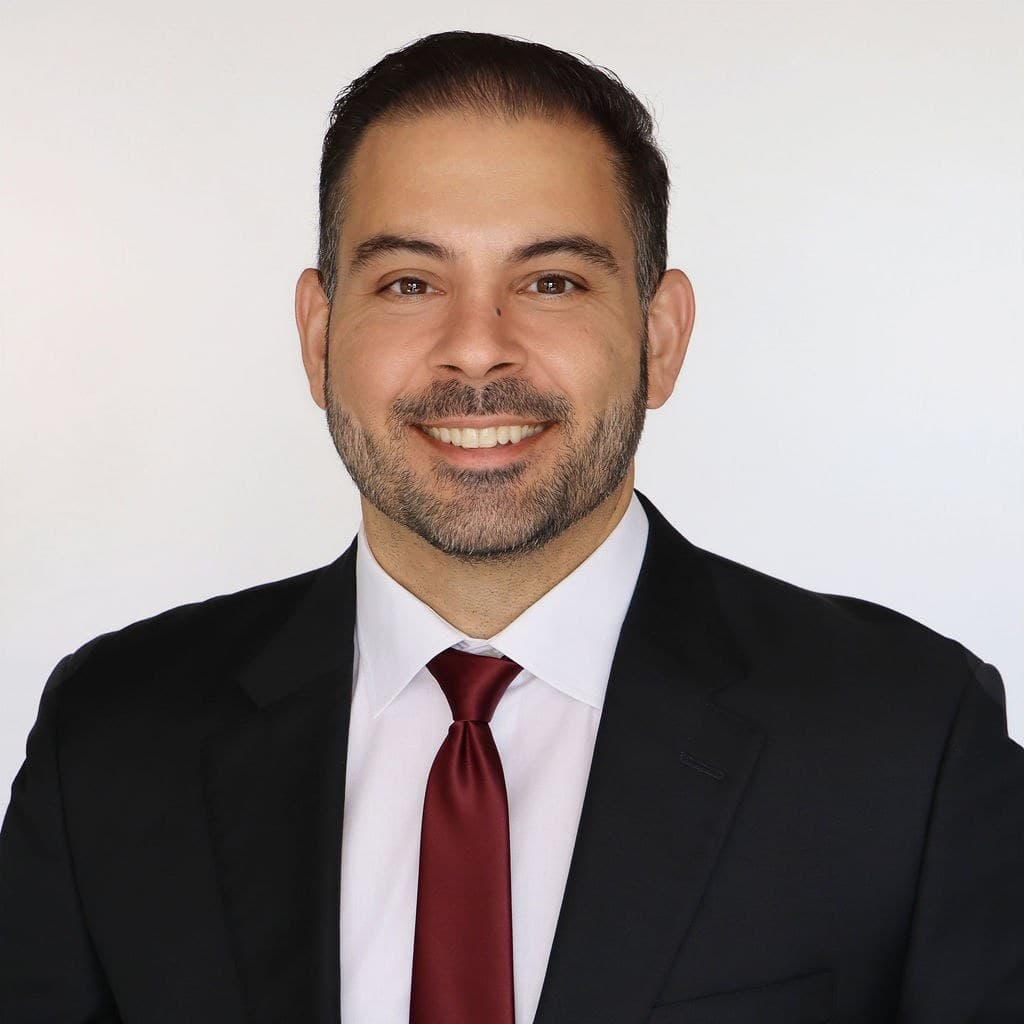
Eman Yazdchi, Esq., Certified Specialist in Workers' Compensation Law, California Board of Legal Specialization, State Bar of California.


California Board of Legal Specialization, State Bar of California
California Board of Legal Specialization, State Bar of California
- 14+
- Years of Practice
- 2,000+
- Cases handled over 14+ years
- $50M+
- Recovered over 14+ years
- 3
- Languages: English, Español, Farsi
Past results do not guarantee, warrant, or predict future cases. Each case is different and results depend on specific facts and circumstances.
Prepared by Yazdchi Law
A Westwood Village work injury can affect more than one paycheck. It can affect your studies, hospital shifts, lab work, restaurant schedule, commute, and family plans. When the insurance company starts talking about settlement, you need plain answers before you give up rights that may matter later.
A California workers' comp settlement usually takes one of two paths. A Compromise and Release pays a lump sum and usually closes future medical care. A Stipulated Award pays permanent disability over time and keeps accepted medical care open.
Westwood Village claims may come from UCLA campus work, Ronald Reagan UCLA Medical Center, Wilshire Corridor offices, hotels, parking, food service, research labs, and maintenance jobs. Eman Yazdchi, CA Bar #285231, is a Certified Specialist in Workers' Compensation Law, California Board of Legal Specialization, State Bar of California. Call (661) 273-1780 for a settlement review.
Do you have a settlement case in Westwood Village?
You may have a settlement case when the injury left lasting limits, unpaid benefits, or treatment needs that remain open.
A settlement case often becomes ripe after your doctor says your condition is stable. That does not mean you are pain free. It means the doctor can describe your permanent work limits, future care, and level of impairment with enough detail to rate the case.
Westwood Village work covers a wide range. A hospital employee may have a back or shoulder injury from patient handling. A lab worker may have hand, wrist, or exposure issues. A restaurant worker near Broxton Avenue may have a knee injury from a fall or years of fast service. An office worker on the Wilshire Corridor may have a neck claim from desk work and stress on the body.
The settlement should be built from those facts, not from a shortcut. Before you sign, the claim should be checked for all injured body parts, the correct job duties, unpaid checks, and medical care that may still be needed.
How much is a Westwood Village workers' comp claim worth?
Settlement value turns on the permanent disability rating, your job, your age, wages, future care, and medical support.
There is no honest one-size answer. The same body part can settle differently depending on the worker's job and medical proof. A nurse aide with lifting limits may face a different loss than an office employee with lighter duties. A food service worker who stands all shift may be affected differently than a supervisor who can sit.
These statewide ranges are a starting point only. They help explain the moving parts. They do not predict your claim, your judge, or your insurance company's offer.
These are general California ranges, not a prediction. Your actual award depends on your disability rating, age, occupation, and future medical care. Past results do not guarantee future outcomes.
| Injury picture | Typical permanent disability rating | Approximate California settlement range |
|---|---|---|
| Minor injury with little lasting work limit | 0% to 5% | $0 to $10,000 |
| Single body part injury with ongoing pain or restrictions | 6% to 20% | $10,000 to $45,000 |
| Surgery, multiple body parts, or clear work limits | 21% to 49% | $45,000 to $150,000 |
| Major injury with strong limits on future work | 50% to 69% | $150,000 to $300,000+ |
| Very serious injury, possible life pension, or long-term care | 70% to 100% | $300,000+ and case-specific |
Compromise and Release vs Stipulated Award
A Compromise and Release usually trades open benefits for cash. A Stipulated Award keeps medical care open.
A Compromise and Release is a full closure tool. You receive one settlement amount. In most cases, the insurance company no longer pays for future treatment after approval. That can be useful when you want finality, but it can be risky if the injury still needs expensive care.
A Stipulated Award is more cautious. The parties agree to a disability rating and the carrier keeps responsibility for reasonable treatment tied to the accepted injury. This may fit a Westwood Village worker who still needs medication, injections, therapy, imaging, or possible surgery.
There is no single right answer. A campus employee moving out of state may value closure. A hospital worker with a serious back injury may need future care protected. A restaurant worker with a knee surgery recommendation may need to know whether the settlement leaves enough money for that risk.
Labor Code section 5001 says: "No release of liability or compromise agreement is valid unless it is approved by the appeals board or referee."
The quote matters because no private settlement is final by handshake alone. A workers' compensation judge must approve it. Westwood Village claims handled by this firm are commonly connected to the Los Angeles WCAB, where the judge reviews settlement papers or sets disputes for conference.
What changes your settlement value?
The value can change with better medical reports, accurate job duties, future care proof, and unpaid benefit accounting.
The doctor's report is the main building block. It should explain your permanent limits, future medical care, and whether any part of the disability is blamed on non-work causes. If the report is vague, the insurance company may push a lower number.
Job duties can also shift value. In Westwood Village, a patient transporter, research assistant, cook, custodian, security worker, and office employee do not use their bodies the same way. The rating should reflect the actual work, not a job title copied from a form.
Future care can be the largest hidden issue. A low offer may seem helpful when bills are late, but it may not cover later injections, surgery, therapy, or medication. Permanent disability advances, temporary disability, mileage, and the job retraining voucher should also be checked before the case closes.
What about Medicare?
Medicare planning matters when settlement money replaces future medical care that Medicare may otherwise be asked to cover.
Some Westwood Village claims need a Medicare Set-Aside review. This is more likely if you already have Medicare, may soon qualify, or have a serious injury with large future care costs. The issue is whether Medicare may later be asked to pay for treatment that the workers' comp settlement already covered.
Not every case needs a formal Medicare Set-Aside. But the question should be asked before a Compromise and Release closes medical care. If it is skipped, you may face problems later when you try to fill a prescription, schedule a procedure, or use Medicare for injury treatment.
How do attorney fees work?
The judge reviews workers' comp attorney fees, which often run near 12% to 15% of the settlement or award.
Attorney fees in California workers' comp cases must be approved by the judge. In many settlements, the fee is about 12% to 15% of the recovery. The exact fee depends on the case and the work performed.
A good settlement review should make the numbers clear. You should see the gross settlement, estimated fee, deductions, liens if any, and the likely net amount. You should also understand what happens to future medical care and what benefits, if any, stay open.
What happens at the Los Angeles WCAB?
The Los Angeles WCAB can approve settlement papers, set conferences, and decide disputed issues if talks break down.
Westwood Village claims handled by this firm are commonly heard through the Los Angeles WCAB. Some settlements move through paperwork. Others need a conference because the parties disagree about the rating, body parts, medical treatment, unpaid benefits, or the form of settlement.
The WCAB process is there to create an official record. That record matters. Once a Compromise and Release is approved, it is usually final. Before that point, you should know what the documents say in plain English.
Results in cases like this
Every case is different. Past results do not guarantee, warrant, or predict a similar outcome.
$5,000,000
Catastrophic spinal cord injury
$1,500,000
Cervical spine injury
$425,000
Slip and fall accident
Find Out What Your Westwood Village Case May Be Worth
Two minutes. No fee unless we win; costs may apply.
Question 1 of 5
What type of injury do you have?
Not ready to fill this out? Just call (661) 273-1780 and we’ll ask the same questions by phone.
Free Consultation
Call or send the short form. We review your case, explain your rights, and outline your options. Free, no obligation.
We Build Your Case
We gather medical evidence, handle the insurance company, and file all the workers' comp court (WCAB) paperwork for you.
We Pursue Every Benefit
Medical care, lost wages, and permanent disability benefits. No fee unless we win your case; costs may apply.
Westwood Village settlement work should reflect the neighborhood's mix of jobs. UCLA campus employees may have injuries from facilities work, dining, transportation, athletics, or office duties. Ronald Reagan UCLA Medical Center workers may face patient handling, long standing, infectious settings, and high physical demand. Wilshire Corridor claims may involve offices, building services, security, parking, and hotel work. Rush-hour walks between campus buildings, garages, clinics, and restaurants can also make modified duty harder than it looks on paper.
Those details are not window dressing. They explain how an injury affects work. A shoulder restriction can mean one thing for a receptionist and something very different for a hospital employee who must help move patients. A knee injury can change a restaurant worker's whole shift.
For Westwood Village claims, the firm appears in the Los Angeles WCAB system, not a made-up local board. Call (661) 273-1780 before signing settlement papers if the numbers, medical closure, or future care risk are not clear.
Injured at work in Westwood Village? Talk it through for free.
Most claims must be filed within one year under Labor Code section 5405. A free call tells you where your clock stands.
Frequently Asked Questions
Should I settle my Westwood Village workers' comp case?
Settlement may make sense when the medical proof is complete and you understand what closes. It may be too early if your condition is still changing or future care is unclear.
What is the difference between a Compromise and Release and a Stipulated Award?
A Compromise and Release usually pays one lump sum and closes future medical care. A Stipulated Award pays permanent disability over time and keeps approved medical treatment open.
Will the judge tell me if the settlement is fair?
The judge reviews the settlement for adequacy and legal approval. The judge is not your lawyer. Your own settlement review should happen before you sign the documents.
Can future medical care make my case worth more?
Yes. Future care can be a major part of settlement value, especially when surgery, injections, medication, imaging, or long-term treatment may be needed after closure.
Does my UCLA or medical center job affect the rating?
It can. The rating system considers occupation. Your real duties should be described correctly, especially if the job involves lifting, patient care, lab work, standing, or repetitive hand use.
What if the insurance company blames my condition on age or prior problems?
That is a common value dispute. The medical opinion must explain what part is work-related and what part is not. A vague blame-shifting report should be reviewed carefully.
How long after signing do I get paid?
Payment timing depends on approval, final paperwork, and any deductions or liens. Many cases pay after the judge approves the settlement, but delays can happen if documents need correction.
How do I get a settlement review from Yazdchi Law?
Call (661) 273-1780. Eman Yazdchi can review the settlement type, rating, future care, unpaid benefits, and whether the offer matches the medical proof.
Free case evaluation
Get your free Westwood Village case evaluation
Three fields. We respond within one business day.
Talk to a Certified Specialist
Certified Specialist in Workers' Compensation Law, California Board of Legal Specialization, State Bar of California.
Takes 30 seconds. No obligation.
Eman really knows his stuff and we were very pleased with our end result.
I am glad and so very pleased...he made happen what no other attorney could do. So far he has proven his weight in gold.
Client testimonials. Testimonials are not a guarantee, warranty, or prediction of the outcome of your case.