
California · Workers' Compensation
What Does Workers' Comp Cover for Back Surgery in California?
Hurt at work? Workers' comp pays for medical care and part of your lost pay while you heal. A free call tells you where you stand.
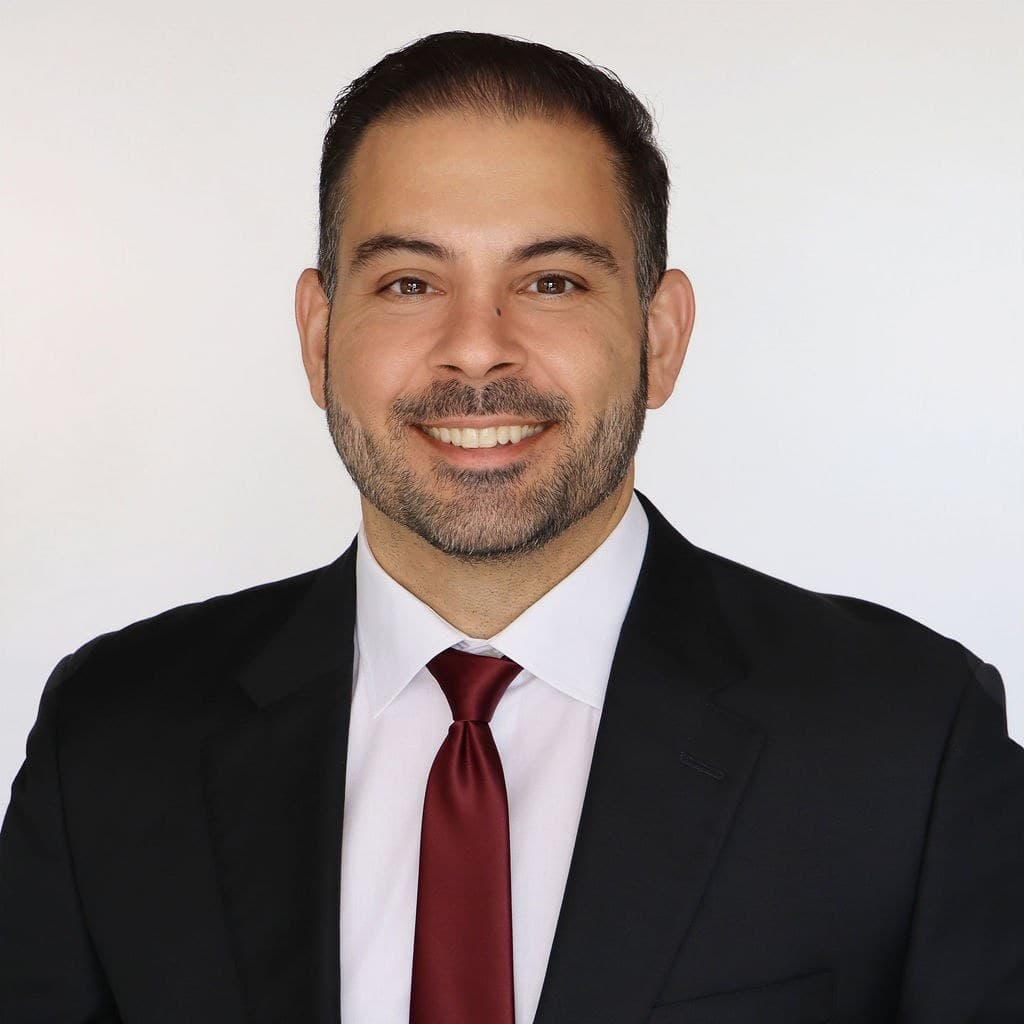
Eman Yazdchi, Esq., Certified Specialist in Workers' Compensation Law, California Board of Legal Specialization, State Bar of California.


California Board of Legal Specialization, State Bar of California
California Board of Legal Specialization, State Bar of California
- 14+
- Years of Practice
- 2,000+
- Cases handled over 14+ years
- $50M+
- Recovered over 14+ years
- 3
- Languages: English, Español, Farsi
Past results do not guarantee, warrant, or predict future cases. Each case is different and results depend on specific facts and circumstances.
Prepared by Yazdchi Law
California workers' comp covers back surgery. A treating physician must confirm it is needed for the work injury. The surgery itself is covered. So is the hospital stay, hardware, anesthesia, and post-surgery care. All fall within the employer's duty under Labor Code 4600.
The barrier most workers face is not the law. It is the approval process. Utilization Review requires proof that basic care has failed. Without it, most surgical procedures will not be approved. Without that the record in the file, the Request for Authorization will likely be denied. Building the basic-care record before the RFA is filed gets surgery approved. That preparation is the real work.
Below: which back surgeries are covered. What UR requires before approving surgery. How to appeal when UR denies. What post-surgical care is included.
Which back surgeries does California workers' comp cover?
Labor Code 4600 covers any back surgery needed for the industrial injury. That includes fusion, laminectomy, discectomy, decompression, and revision procedures.
The law does not limit coverage to a specific surgical list. Coverage is determined by medical necessity under the MTUS, not by surgical category. Covered procedures include anterior and posterior lumbar fusion, cervical fusion (ACDF), and microdiscectomy. They also include laminectomy, foraminotomy, kyphoplasty, and spinal cord stimulator implantation. Revision surgeries are covered when the first procedure does not achieve the expected result.
An auto mechanic with a lumbar disc injury has the same rights as a warehouse worker. The industrial nature of the injury controls, not the job. Industrial nature controls, not job type.
What does UR require before approving back surgery?
UR evaluates back surgery requests against MTUS criteria. The criteria generally require documented basic care failure, confirming imaging, and a functional deficit.
The MTUS provides specific guidance on surgical candidacy for most lumbar and cervical conditions. The standard surgical candidacy framework has three parts. First: documented failure of at least six to twelve weeks of basic care. That means physical therapy, medication, and injections all tried and plateaued. Second: imaging showing a lesion at the level correlating with the symptoms. Third: a measurable functional deficit. That can be weakness, reflex loss, or limited range of motion.
Carriers routinely deny surgical RFAs when the basic-care the record is thin. A landscaper with two weeks of PT and then a surgical RFA faces a hard UR review. The file looks thin. The file looks thin. A landscaper with twelve weeks of PT and failed injections has a much stronger file. The basic-care record is what makes the difference. Building the basic-care record takes time. It should happen with a plan, not as an afterthought when UR denies.
What if UR denies the back surgery request?
A UR denial for back surgery triggers the 30-day Independent Medical Review right. An IMR packet wins most reviews. It must walk through the MTUS surgical criteria and attach the basic-care record.
Under Labor Code 4610.5, the worker has 30 days from the UR denial to file for IMR. The IMR reviewer applies the same MTUS criteria the UR used. A strong IMR packet for a denied surgery shows three things. It documents the treating physician's basic-care failure. It cites the specific MTUS section supporting surgery for the condition. It attaches imaging that correlates the lesion to the symptoms. That combination gives the reviewer a direct path to overturn.
IMR upholds UR denials in roughly 88 percent of cases. That number reflects all submissions, including poorly organized ones. Workers whose attorneys coordinate the IMR submission with the treating physician get better outcomes.
What post-surgical care is covered?
Post-surgical therapy and pain management are covered. Hardware revision and follow-up specialist care are also included.
Coverage under Labor Code 4600 extends to the full episode of care. That includes pre-surgery visits and the surgery itself. It also covers the hospital stay, hardware, anesthesia, imaging, and therapy. Medically needed revision procedures are covered too. If fusion fails or hardware needs removal, follow-up surgery is covered. The treating physician must confirm it is medically needed.
The carrier cannot close medical care because surgery was performed. The post-surgical period is part of the treatment episode. The UR-IMR process continues to govern each new treatment request during recovery. An auto mechanic who has spinal fusion still needs therapy during recovery. Coverage rights remain the same after surgery. Pain management referrals are covered too. The surgery does not reduce or end the medical obligation.
Results in cases like this
Every case is different. Past results do not guarantee, warrant, or predict a similar outcome.
$5,000,000
Catastrophic spinal cord injury
$1,500,000
Cervical spine injury
$300,000
Failed back syndrome
Find Out What Your Case May Be Worth
Two minutes. No fee unless we win; costs may apply.
Question 1 of 5
What type of injury do you have?
Not ready to fill this out? Just call (661) 273-1780 and we’ll ask the same questions by phone.
Free Consultation
Call or send the short form. We review your case, explain your rights, and outline your options. Free, no obligation.
We Build Your Case
We gather medical evidence, handle the insurance company, and file all the workers' comp court (WCAB) paperwork for you.
We Pursue Every Benefit
Medical care, lost wages, and permanent disability benefits. No fee unless we win your case; costs may apply.
How Yazdchi Law Handles Surgical Approval Disputes.
Surgical approval often depends on the medical record. The record must be complete before the RFA is filed. Yazdchi Law works with treating physicians to build that record correctly.
Most surgical denials are preventable. When the RFA walks through MTUS criteria and shows basic-care failure, UR typically approves. When the RFA is thin, denial is likely. Yazdchi Law coordinates with treating physicians before RFA submission. The goal is to ensure the record is complete before the RFA goes in.
Eman Yazdchi is a Certified Specialist in workers' compensation law, certified by the California Board of Legal Specialization, State Bar of California. The firm handles surgical approval disputes at WCAB venues across California. Appearances include Van Nuys, Pomona, Long Beach, and Riverside.
If your back surgery has been denied or delayed, call (661) 273-1780 today.
Injured at work? Talk it through for free.
Most claims must be filed within one year under Labor Code section 5405. A free call tells you where your clock stands.
Frequently Asked Questions
Does workers' comp pay for cervical fusion in California?
What is conservative care failure and how do I document it?
Can I choose my own back surgeon?
Does workers' comp cover the screws and hardware in spinal fusion?
What if back surgery makes my condition worse?
Does workers' comp pay lost wages during back surgery recovery?
Free case evaluation
Get your free case evaluation
Three fields. We respond within one business day.
Talk to a Certified Specialist
Certified Specialist in Workers' Compensation Law, California Board of Legal Specialization, State Bar of California.
Takes 30 seconds. No obligation.
A fighting force both consistent and compassionate on a scale’s a 5 all around.
Very thankful for everything they did for us. Always responsive, reassured us every step of the way and obtained a great result.
Client testimonials. Testimonials are not a guarantee, warranty, or prediction of the outcome of your case.