
California · Workers' Compensation
What Happens at a Mandatory Settlement Conference in California Workers Comp?
Hurt at work? Workers' comp pays for medical care and part of your lost pay while you heal. A free call tells you where you stand.
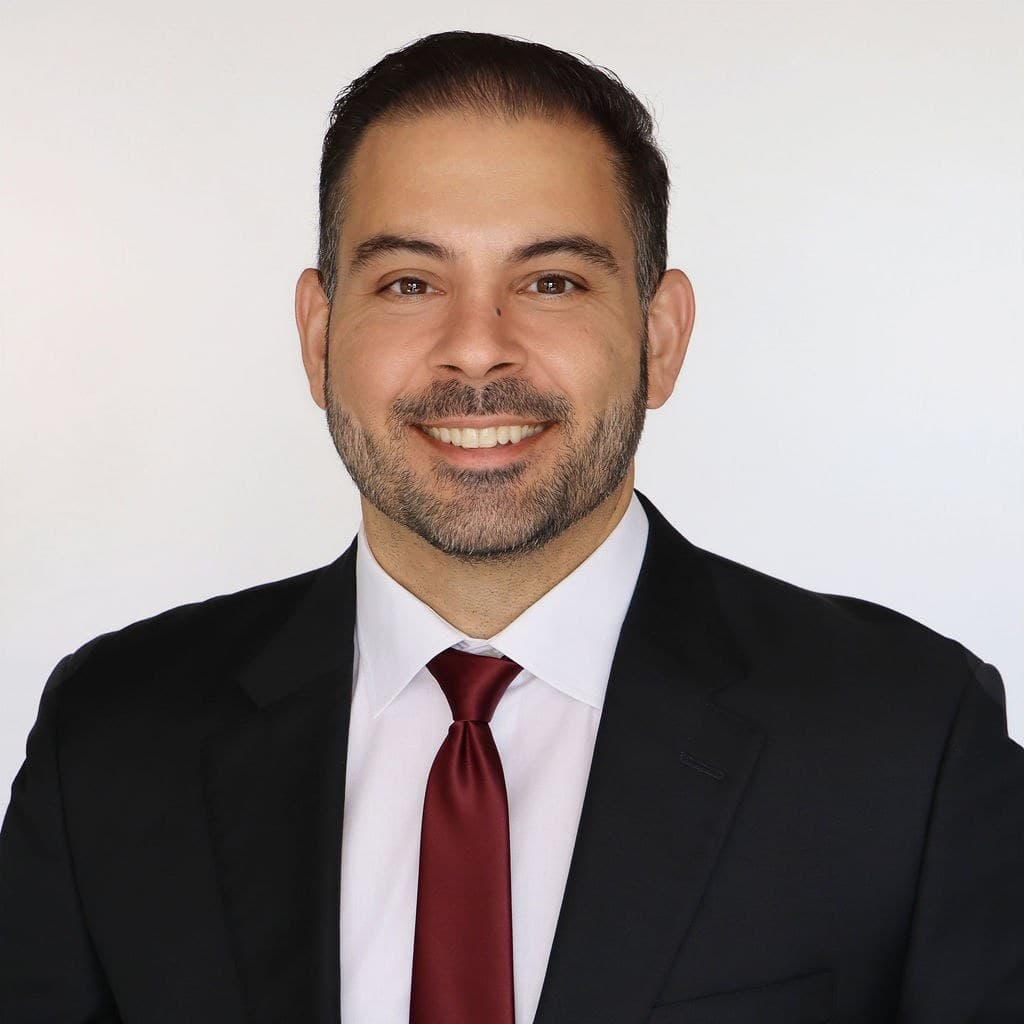
Eman Yazdchi, Esq., Certified Specialist in Workers' Compensation Law, California Board of Legal Specialization, State Bar of California.


California Board of Legal Specialization, State Bar of California
California Board of Legal Specialization, State Bar of California
- 14+
- Years of Practice
- 2,000+
- Cases handled over 14+ years
- $50M+
- Recovered over 14+ years
- 3
- Languages: English, Español, Farsi
Past results do not guarantee, warrant, or predict future cases. Each case is different and results depend on specific facts and circumstances.
Prepared by Yazdchi Law
What happens at a Mandatory Settlement Conference in California workers comp?
At a Mandatory Settlement Conference, the parties appear before a WCAB judge, discuss settlement, frame trial issues, and prepare for trial if no deal is reached.
An MSC can sound more formal than it feels. Most of the day is discussion, waiting, document review, and negotiation. Still, it is one of the most important moments in a case.
The judge may not try the case that day. The judge usually helps the parties test their positions. If the case cannot settle, the judge can set trial and lock in the issues.
That is why preparation matters. The MSC is not a casual check-in. It is the point where the case must be ready to settle or ready to prove.
When does a case reach an MSC?
A case reaches an MSC after a party files a readiness request and claims the medical, rating, and legal issues are ready for resolution.
A party usually requests an MSC when the record is mature. That often means the worker has a final treating report, QME report, or AME report. It also means the parties know the disputed issues.
Those issues may include body parts, temporary disability, permanent disability, future medical care, apportionment, penalties, or settlement structure. Labor Code 4062.2 may matter if a panel QME report drives the dispute.
The MSC notice will list the district office, date, time, and parties. Greater Los Angeles cases can be assigned to Van Nuys, Los Angeles, Long Beach, Pomona, San Bernardino, Riverside, or Oxnard depending on venue.
What should I bring to the MSC?
Bring identification, hearing notices, medical reports, benefit notices, work status notes, settlement letters, and any documents your attorney asked you to review.
Your lawyer should bring the formal case file. You should still understand the main facts. Know the injury date, accepted body parts, current work limits, last payment date, and the settlement structure being discussed.
If you need an interpreter, say so before the hearing when possible. Labor Code 5811 supports interpreter rights in workers compensation proceedings. You should not guess through settlement terms in a language you do not fully understand.
Money figures and deadlines should be checked against records, not memory. The most common mistakes involve unpaid temporary disability, wrong average weekly wage, missing mileage, or a rating that does not match the report.
| Benefit | What it pays in 2026 |
|---|---|
| Temporary disability | Two-thirds of your wage, $264.61 to $1,764.11 per week, up to 104 weeks (Labor Code 4656) |
| Permanent disability | Two-thirds of your wage, $160 to $290 per week, set by your rating (Labor Code 4658) |
| Medical care | 100 percent of approved care, no copay (Labor Code 4600) |
| Medical mileage | 76 cents per mile to your appointments for trips on or after July 1, 2026 (72.5 cents earlier in 2026) |
| Job retraining voucher | $6,000 if you cannot return to your old job (Labor Code 4658.7) |
| Death benefits | $250,000 to $320,000 to dependents, plus $10,000 burial (Labor Code 4702) |
What does the judge do at the MSC?
The judge reviews readiness, helps narrow disputes, discusses settlement value, approves agreements when adequate, or sets trial when the case remains disputed.
The judge is not your private lawyer. The judge must stay neutral. But the judge can ask hard questions that move the case forward. A weak rating argument, missing report, or unclear settlement term may be exposed.
If settlement is reached, the judge may review the papers that day or after submission. Compromise and Release papers close the case for a lump sum. Stipulation papers ask for an Award and often keep future medical open.
The judge also reviews attorney fees. Labor Code 4906 requires WCAB approval before a worker's attorney fee is collected.
What if the case does not settle?
If settlement fails at the MSC, the judge can set trial, close discovery, list exhibits, identify witnesses, and define the exact issues.
No settlement does not mean the case is lost. It means the parties could not agree. The next step is usually trial preparation.
The Pretrial Conference Statement matters. It lists issues, exhibits, and witnesses. Evidence left out can be hard to add later. That is why an MSC should be treated as a trial-readiness deadline.
A workers comp trial has no jury. The judge hears testimony, reviews medical reports, and issues a written decision. A party may seek reconsideration under the workers compensation rules if there is a proper legal basis.
Can the MSC improve my settlement even if trial is possible?
Yes. A well-prepared MSC can improve settlement because the insurer sees trial risk, missing defenses, and the worker's strongest evidence in one place.
Insurers often discount cases when the worker is unprepared. A clean file changes the discussion. The wage record, rating analysis, medical reports, and treatment plan should all point to the same demand.
The MSC can also reveal what the defense truly disputes. If the only dispute is apportionment, the negotiation should focus there. If the dispute is future surgery, the settlement should not ignore medical exposure.
What decisions should I make before the MSC?
Before the MSC, decide your settlement range, whether medical can close, what issues are non-negotiable, and whether trial risk is acceptable.
The hearing is harder when every decision is made in the hallway. Before the MSC, review the best offer, the worst trial risk, and the medical rights being traded.
Think about the settlement structure first. A lump sum can help with debt or relocation. Keeping future medical open can protect a worker who still needs care. The judge may ask whether you understand that difference.
Also know your walk-away point. That does not mean you must reject every lower offer. It means you should know why a number is too low before the pressure starts.
What mistakes hurt workers at the MSC?
The biggest MSC mistakes are arriving without records, misunderstanding future medical, ignoring liens, and treating trial readiness like a formality.
Many workers focus only on the settlement number. The written terms can matter more. A deal that closes future medical may be worse than a smaller Stipulated Award for a worker who still needs treatment.
Another mistake is assuming the defense has all wage records correct. Wrong wages can lower temporary disability and permanent disability. Payment ledgers should be checked before final numbers are accepted.
Do not minimize trial readiness. If settlement fails, the judge may set trial. The worker should know the key testimony, exhibits, and disputed issues before that happens.
How long does an MSC day take?
An MSC can take part of the day because the worker may wait while lawyers, insurers, and the judge discuss options.
Bring patience and a clear plan. The actual conversation may be short, but the waiting can be long. Use that time to review numbers and questions with your attorney.
Write down any term you do not understand before you leave the hearing. Small questions are easier to fix before papers are signed.
Results in cases like this
Every case is different. Past results do not guarantee, warrant, or predict a similar outcome.
$5,000,000
Catastrophic spinal cord injury
$1,500,000
Cervical spine injury
$425,000
Slip and fall accident
Find Out What Your Case May Be Worth
Two minutes. No fee unless we win; costs may apply.
Question 1 of 5
What type of injury do you have?
Not ready to fill this out? Just call (661) 273-1780 and we’ll ask the same questions by phone.
Free Consultation
Call or send the short form. We review your case, explain your rights, and outline your options. Free, no obligation.
We Build Your Case
We gather medical evidence, handle the insurance company, and file all the workers' comp court (WCAB) paperwork for you.
We Pursue Every Benefit
Medical care, lost wages, and permanent disability benefits. No fee unless we win your case; costs may apply.
How does Yazdchi Law prepare workers for an MSC?
Yazdchi Law prepares the evidence, settlement structure, trial issues, and worker testimony before the MSC so the hearing is not guesswork.
Yazdchi Law helps injured workers across Greater Los Angeles from Palmdale, including cases assigned to WCAB district offices in Van Nuys, Los Angeles, Long Beach, Pomona, San Bernardino, Riverside, and Oxnard. The correct venue depends on the claim facts, not on the worker's home alone.
Eman Yazdchi is a Certified Specialist in Workers' Compensation Law. Eman Yazdchi is a Certified Specialist in workers' compensation law, certified by the California Board of Legal Specialization, State Bar of California.. The firm reviews settlement documents, medical reports, payment ledgers, and hearing notices before a worker signs away rights. Call (661) 273-1780 before approving a final settlement or fee order.
Injured at work? Talk it through for free.
Most claims must be filed within one year under Labor Code section 5405. A free call tells you where your clock stands.
Frequently Asked Questions
Do I have to speak at the MSC?
Can my case settle on the same day as the MSC?
What is trial readiness in workers comp?
Will the judge tell me what my case is worth?
Can I reject the settlement offer at the MSC?
What if I cannot attend the MSC?
Does the MSC decide future medical care?
Should I talk directly to defense counsel at the MSC?
Can the judge approve my settlement at the MSC?
What if I feel pressured at the MSC?
Free case evaluation
Get your free case evaluation
Three fields. We respond within one business day.
Talk to a Certified Specialist
Certified Specialist in Workers' Compensation Law, California Board of Legal Specialization, State Bar of California.
Takes 30 seconds. No obligation.
Eman by far exceeds the basic requirements other lawyers give to clients and surpasses all expectations.
Eman really knows his stuff and we were very pleased with our end result.
Client testimonials. Testimonials are not a guarantee, warranty, or prediction of the outcome of your case.