
California · Workers' Compensation
What If the Workers' Comp Doctor Says I'm Malingering?
Hurt at work? Workers' comp pays for medical care and part of your lost pay while you heal. A free call tells you where you stand.
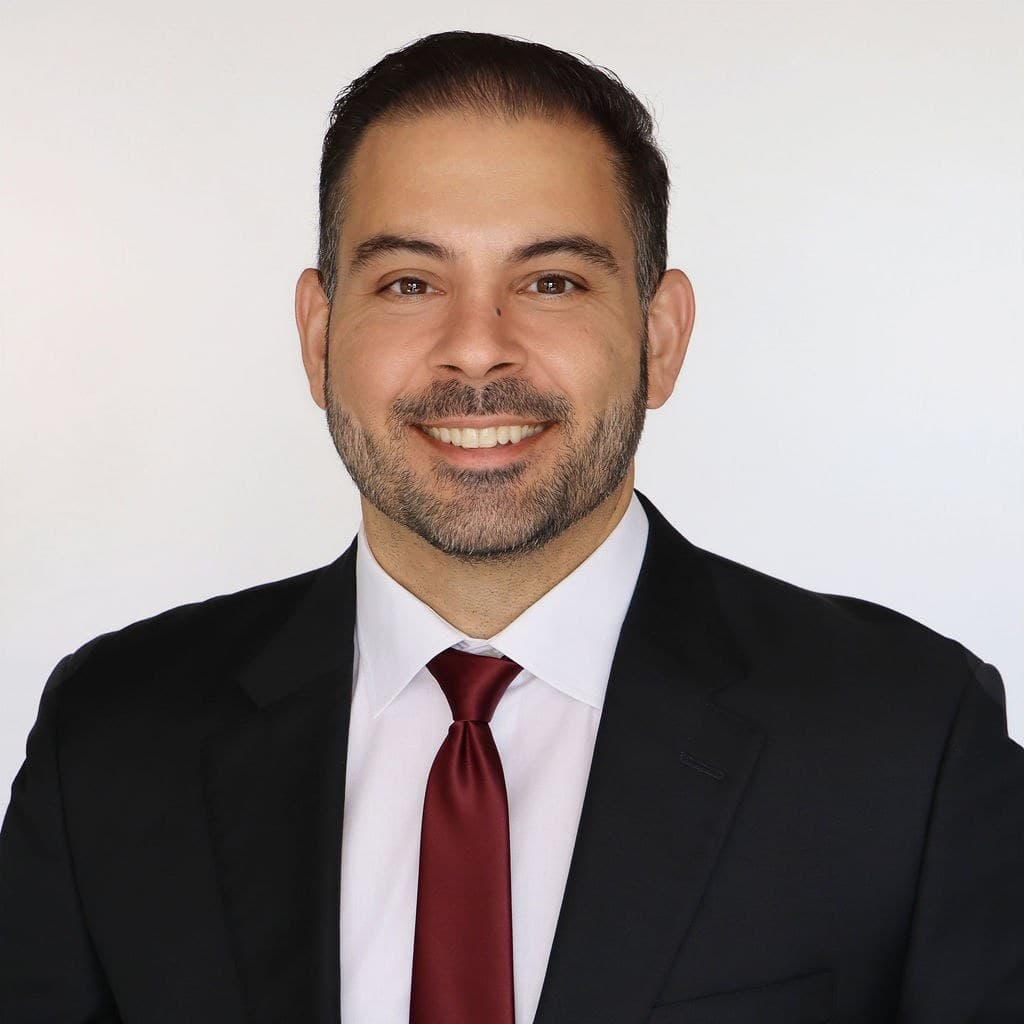
Eman Yazdchi, Esq., Certified Specialist in Workers' Compensation Law, California Board of Legal Specialization, State Bar of California.


California Board of Legal Specialization, State Bar of California
California Board of Legal Specialization, State Bar of California
- 14+
- Years of Practice
- 2,000+
- Cases handled over 14+ years
- $50M+
- Recovered over 14+ years
- 3
- Languages: English, Español, Farsi
Past results do not guarantee, warrant, or predict future cases. Each case is different and results depend on specific facts and circumstances.
Prepared by Yazdchi Law
A workers' comp doctor wrote malingering in your chart. The carrier stopped treatment. The adjuster is not returning calls. It feels like the case is over.
It is not over. A malingering notation is one doctor's opinion. It is not a verdict. California law gives injured workers the right to challenge any disputed medical opinion. The path is the Qualified Medical Evaluator process under Labor Code 4062.
Malingering and symptom magnification are not the same thing. Many doctors use these terms without applying the correct clinical standard. That gap is the foundation of a strong challenge.
Eman Yazdchi is a Certified Specialist in Workers' Compensation Law, California Board of Legal Specialization, State Bar of California. The firm challenges malingering findings with QME strategy, validity testing, and targeted depositions. Call (661) 273-1780.
What does a malingering diagnosis actually require?
The DSM-5 defines malingering as intentional production of false or exaggerated symptoms for external gain. A valid finding requires proof of intent, not just one inconsistent result during a brief office exam.
Malingering has a precise clinical definition. Three things must be shown. First, the worker intentionally produces false symptoms. Second, those symptoms are fabricated or grossly exaggerated. Third, an external motive must exist, such as money or avoiding work obligations. All three must be documented.
A doctor who notes inconsistent effort or non-organic findings during one brief visit has not met this standard.
Symptom magnification is a different condition. It means reporting more pain than tests can confirm. It can occur without any intent to deceive. Chronic pain, depression, and post-traumatic stress all cause unconscious amplification of symptoms. Many doctors treat these two terms as the same. That is not accurate clinically. That confusion is often the best ground for a formal challenge.
Time limits are strict. Under Labor Code 4062, you have 20 days to file a written objection if you have an attorney. Without an attorney, you have 30 days. Miss that deadline and the finding stands without independent review.
How do I challenge the malingering finding?
File a written objection under Labor Code 4062 within 20 days and request a Qualified Medical Evaluator panel so the evaluator can conduct formal validity testing to assess effort and symptom consistency objectively.
Start with a written objection to the carrier. Name the disputed report. Request a QME panel. The DWC Medical Unit sends three doctors in the chosen specialty. Each party strikes one. The last doctor does the independent exam.
Specialty matters in a malingering dispute. An orthopedic doctor can review physical effort. A neuropsychologist trained in validity testing goes further. Neuropsychologists use scored instruments that produce objective data.
Validity tests are not clinical impressions. The TOMM measures memory effort against established norms. The MMPI-2 has validity scales that detect inconsistent symptom reporting. A clear validity test result directly rebuts a malingering notation made during one office visit.
The QME reviews the full medical record. A thorough evaluator who finds no evidence of intentional fabrication can shift the direction of the entire claim.
Can the treating doctor help challenge the finding?
Yes. Your treating doctor knows your full history and can write a targeted response that addresses the malingering notation with clinical observations from months of actual treatment.
The treating doctor can write a focused letter. It can separate symptom magnification from intentional fabrication. It can cite the treatment record that supports your reported symptoms. It can address what the evaluating doctor found and explain why that does not show intent to deceive.
The treating doctor's report is not the final answer. The QME carries more weight at the Workers' Compensation Appeals Board. Together, the two reports form a stronger record than either one alone.
What happens to my benefits during the dispute?
The carrier may suspend temporary disability payments based on the malingering finding, but a timely QME objection preserves your right to contest that suspension and recover withheld payments.
A malingering label often prompts the carrier to stop temporary disability checks. It may also lead to treatment denials. A timely QME objection challenges these actions. Until a judge rules on the medical dispute, the treating doctor's opinions still count in the claim.
If TD payments stop, document the date and the amount withheld. If treatment is denied, keep the denial letters with dates. These records support a penalty petition under Labor Code 5814 if the termination is later found unreasonable.
Call Yazdchi Law at (661) 273-1780 as soon as you receive a malingering report. The objection clock starts the day you get it.
Results in cases like this
Every case is different. Past results do not guarantee, warrant, or predict a similar outcome.
$5,000,000
Catastrophic spinal cord injury
$1,500,000
Cervical spine injury
$425,000
Slip and fall accident
Find Out What Your Case May Be Worth
Two minutes. No fee unless we win; costs may apply.
Question 1 of 5
What type of injury do you have?
Not ready to fill this out? Just call (661) 273-1780 and we’ll ask the same questions by phone.
Free Consultation
Call or send the short form. We review your case, explain your rights, and outline your options. Free, no obligation.
We Build Your Case
We gather medical evidence, handle the insurance company, and file all the workers' comp court (WCAB) paperwork for you.
We Pursue Every Benefit
Medical care, lost wages, and permanent disability benefits. No fee unless we win your case; costs may apply.
Workers across Greater Los Angeles face malingering allegations most often in soft-tissue injury cases, cumulative trauma claims, and psychiatric injury cases. These injury types are least visible on imaging. They depend most on the worker's own reports of symptoms. A malingering label can freeze the entire claim. Income can stop within days of the notation. Workers in construction, warehousing, and home care see the most malingering allegations. These industries have the highest soft-tissue claim rates in the region.
Yazdchi Law appears at the WCAB offices in Van Nuys, Los Angeles, Long Beach, Pomona, San Bernardino, Riverside, and Oxnard. The firm files QME panel requests within days of any adverse finding. It works with neuropsychologists who know the California workers' comp validity testing standards. A prompt response protects the timeline and the benefit stream. Eman Yazdchi is a Certified Specialist in workers' compensation law, certified by the California Board of Legal Specialization, State Bar of California. Call (661) 273-1780 the day you receive the malingering notation.
Injured at work? Talk it through for free.
Most claims must be filed within one year under Labor Code section 5405. A free call tells you where your clock stands.
Frequently Asked Questions
Can I be charged with workers' comp fraud because of a malingering notation?
Does surveillance video of me being active prove malingering?
What is the difference between malingering and symptom magnification?
How long do I have to request a QME after a malingering report?
Will the malingering finding affect my permanent disability rating?
Can I request a QME if the malingering came from my own treating doctor?
Can the carrier terminate my TD payments while the QME is pending?
What if the malingering label is in the treating doctor's notes, not a formal report?
What if I cannot afford to hire an attorney to challenge the finding?
Can a valid malingering finding ever end my workers' comp claim entirely?
Free case evaluation
Get your free case evaluation
Three fields. We respond within one business day.
Talk to a Certified Specialist
Certified Specialist in Workers' Compensation Law, California Board of Legal Specialization, State Bar of California.
Takes 30 seconds. No obligation.
Very thankful for everything they did for us. Always responsive, reassured us every step of the way and obtained a great result.
Eman by far exceeds the basic requirements other lawyers give to clients and surpasses all expectations.
Client testimonials. Testimonials are not a guarantee, warranty, or prediction of the outcome of your case.