
California · Workers' Compensation
What If Workers' Comp Insurance Disputes My Treatment?
Hurt at work? Workers' comp pays for medical care and part of your lost pay while you heal. A free call tells you where you stand.
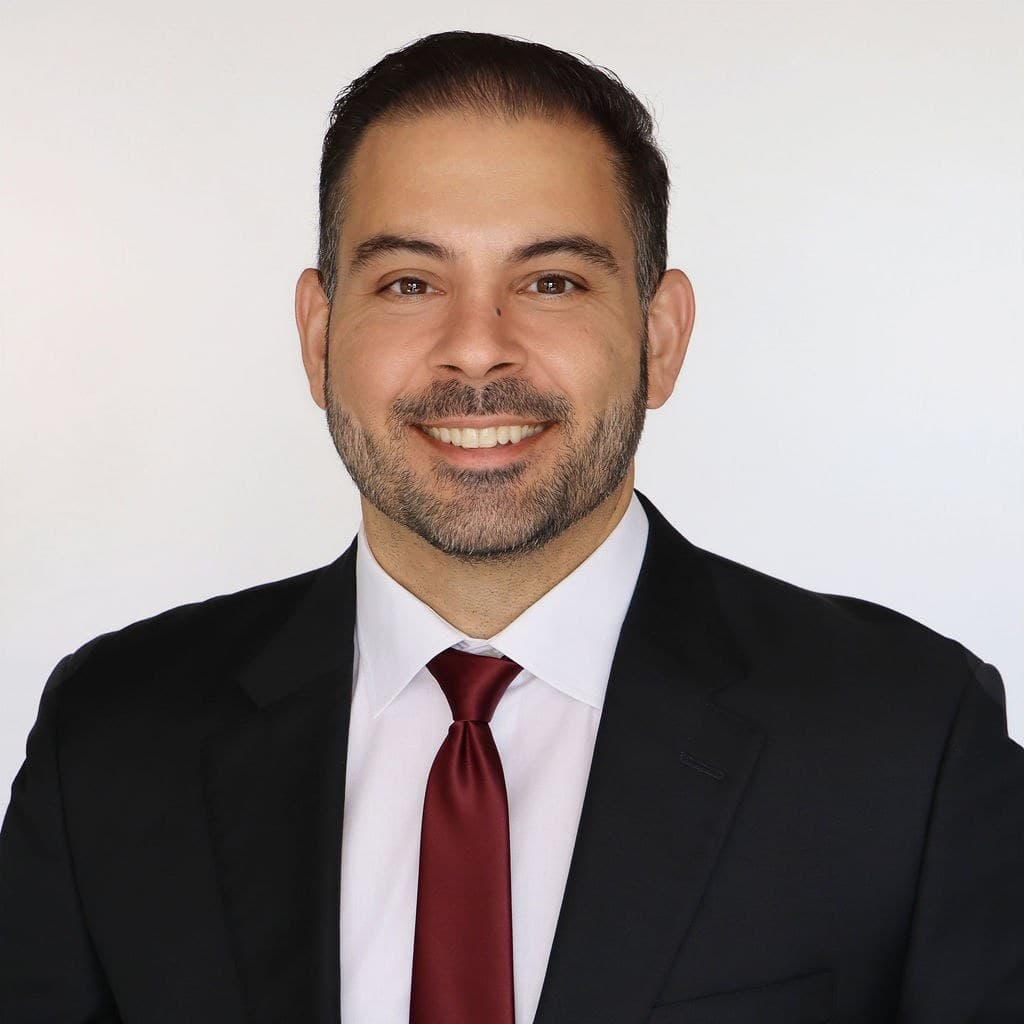
Eman Yazdchi, Esq., Certified Specialist in Workers' Compensation Law, California Board of Legal Specialization, State Bar of California.


California Board of Legal Specialization, State Bar of California
California Board of Legal Specialization, State Bar of California
- 14+
- Years of Practice
- 2,000+
- Cases handled over 14+ years
- $50M+
- Recovered over 14+ years
- 3
- Languages: English, Español, Farsi
Past results do not guarantee, warrant, or predict future cases. Each case is different and results depend on specific facts and circumstances.
Prepared by Yazdchi Law
Your doctor ordered a treatment. The insurer is not paying for it yet. That gap between the request and the authorization is a treatment dispute. California law sets strict time limits on how long the insurer can hold you there.
A treatment dispute is not the same as a denial. A dispute often means UR is in process and the clock is running on the carrier's decision deadline. It might also mean the insurer asked for additional clinical records and extended the window. Knowing exactly which situation you are in changes what you do next.
Below: how the UR timeline works. What the insurer is allowed to do during a dispute. When expedited review applies. What penalties a carrier faces for missing its deadline.
How long does the insurer have to respond to a treatment request?
Under Labor Code 4610, the carrier has five working days for routine prospective requests. Extensions are allowed up to 14 working days. Urgent care requests must be decided within 72 hours.
When your treating physician submits a Request for Authorization, the carrier's clock starts. For prospective routine treatment, the carrier must issue its UR decision within five working days of receipt. The carrier may extend this to 14 working days if it requests additional clinical information and the treating physician fails to respond.
For urgent prospective treatment, where delay would seriously harm the worker, the carrier has 72 hours. For retrospective review of treatment already delivered, the carrier has 30 working days. These deadlines are in the statute, not advisory guidelines. A carrier that routinely blows these windows faces both procedural consequences and potential penalty liability.
What is the difference between a UR delay and a UR denial?
A UR delay means the carrier has not responded yet. A UR denial means it responded with a rejection that triggers your 30-day IMR appeal right immediately.
When the insurer has not responded within the statutory window, the treatment may be deemed authorized. But this is not self-executing. The worker or attorney must affirmatively document the missed deadline and push the carrier. Take a school custodian whose spinal MRI request sat unanswered for three weeks past the five-day window. That missed deadline creates leverage. The carrier created it by staying silent.
When the insurer issues a UR denial within the statutory window, your 30-day IMR clock starts. That clock runs from the denial date. The denial must state the specific clinical reason and the MTUS guideline applied. A denial that is vague or does not cite MTUS criteria may be procedurally defective.
What can you do while a treatment dispute is pending?
While UR is pending, the treating physician can request expedited review, and you can continue authorized treatment. Do not stop ongoing medication or therapy without medical clearance.
If the dispute involves a new treatment while other authorized treatment continues, keep attending authorized appointments. The insurer's dispute over one RFA does not affect other already-authorized care. Take a delivery driver with authorized physical therapy for a knee injury. He also has a pending RFA for an MRI. He should keep attending PT while the MRI dispute resolves.
If the dispute involves urgent care, the treating physician can flag the request as expedited under Labor Code 4610. The expedited window is 72 hours. The physician must provide clinical documentation that delay poses a serious risk of harm. Expedited requests cannot be delayed for additional information requests the same way routine requests can.
What happens when the insurer misses the UR deadline?
A carrier that misses the UR decision deadline may face a deemed-authorization argument. The worker can also file a WCAB petition. Unreasonable delay penalties under Labor Code 5814 may also apply.
A UR decision issued outside the statutory timeframe may be invalid. The worker can petition the WCAB to enforce the timeline. An unreasonable delay in providing required medical treatment can support a 25 percent penalty under Labor Code 5814. That penalty is 25 percent of the delayed benefit amount. Carriers that routinely delay UR responses are not just slow. They may be creating liability on every delayed RFA.
Document every RFA submission date, every carrier response date, and every extension notice. This record is the foundation for any delay-based claim.
Results in cases like this
Every case is different. Past results do not guarantee, warrant, or predict a similar outcome.
$5,000,000
Catastrophic spinal cord injury
$1,500,000
Cervical spine injury
$425,000
Slip and fall accident
Find Out What Your Case May Be Worth
Two minutes. No fee unless we win; costs may apply.
Question 1 of 5
What type of injury do you have?
Not ready to fill this out? Just call (661) 273-1780 and we’ll ask the same questions by phone.
Free Consultation
Call or send the short form. We review your case, explain your rights, and outline your options. Free, no obligation.
We Build Your Case
We gather medical evidence, handle the insurance company, and file all the workers' comp court (WCAB) paperwork for you.
We Pursue Every Benefit
Medical care, lost wages, and permanent disability benefits. No fee unless we win your case; costs may apply.
How Yazdchi Law Handles Treatment Disputes
Treatment disputes are time-sensitive. Yazdchi Law tracks UR deadlines from the day the RFA is submitted and moves immediately when the carrier falls behind.
Many injured workers do not know that the insurer has a hard deadline to respond to treatment requests. When that deadline passes without a response, leverage shifts. Yazdchi Law identifies missed UR deadlines. It coordinates with treating physicians on expedited requests when appropriate. It pursues delay penalties when carriers repeatedly fail to respond on time.
Eman Yazdchi is a Certified Specialist in workers' compensation law, certified by the California Board of Legal Specialization, State Bar of California. The firm handles treatment disputes from the initial RFA through IMR appeal at every WCAB venue across California.
If your treatment is being held up by an insurer that is not responding to your doctor's requests, call (661) 273-1780.
Injured at work? Talk it through for free.
Most claims must be filed within one year under Labor Code section 5405. A free call tells you where your clock stands.
Frequently Asked Questions
How long does UR have to approve or deny a treatment request?
Can the insurer ask for more time to decide on a treatment request?
What is expedited UR and when does it apply?
Can I get emergency treatment while a UR dispute is pending?
What happens when the carrier does not respond to a treatment request at all?
Can I change doctors if my treatment keeps getting disputed?
Free case evaluation
Get your free case evaluation
Three fields. We respond within one business day.
Talk to a Certified Specialist
Certified Specialist in Workers' Compensation Law, California Board of Legal Specialization, State Bar of California.
Takes 30 seconds. No obligation.
I am glad and so very pleased...he made happen what no other attorney could do. So far he has proven his weight in gold.
Eman at Yazdchi Law was extremely professional, responsive, and supportive at all times. He and his staff exceeded all of my expectations.
Client testimonials. Testimonials are not a guarantee, warranty, or prediction of the outcome of your case.