
California · Workers' Compensation
What Is an Application for Adjudication of Claim in California?
Hurt at work? Workers' comp pays for medical care and part of your lost pay while you heal. A free call tells you where you stand.
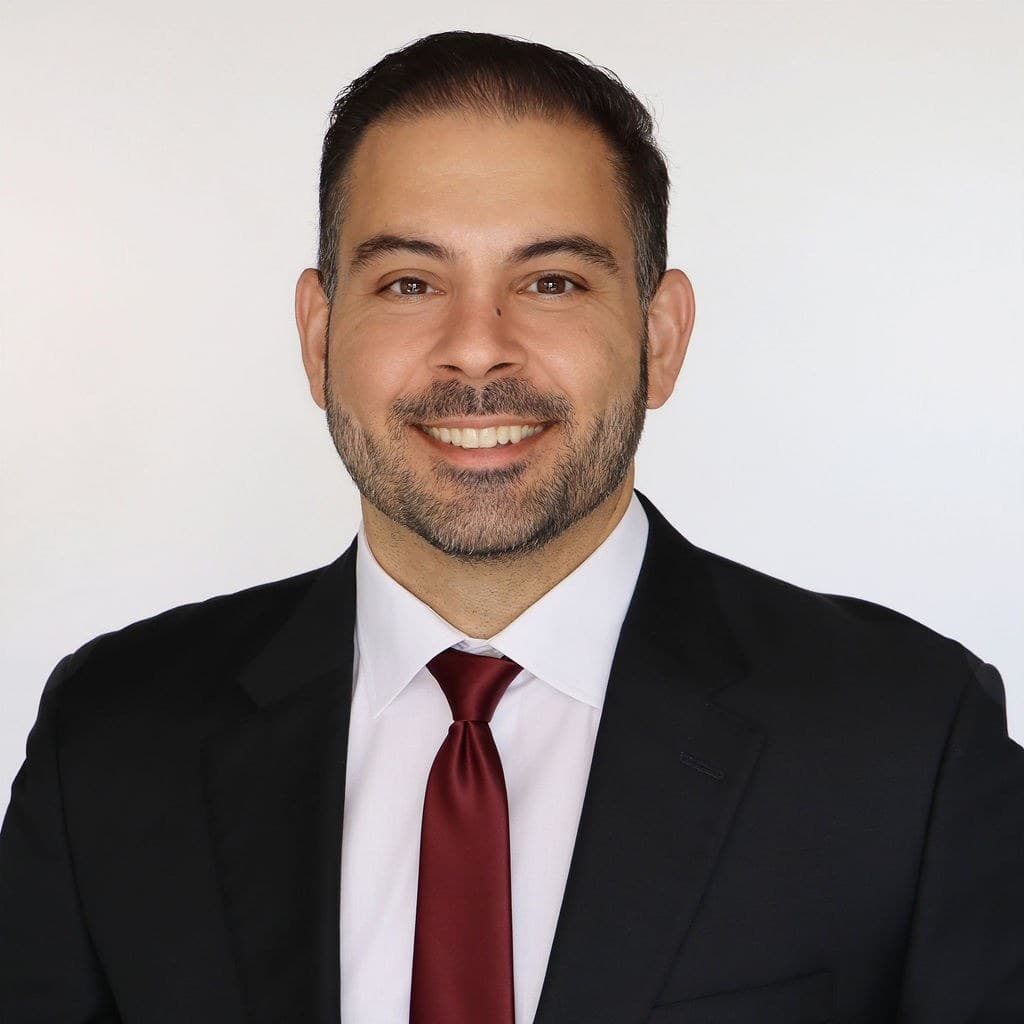
Eman Yazdchi, Esq., Certified Specialist in Workers' Compensation Law, California Board of Legal Specialization, State Bar of California.


California Board of Legal Specialization, State Bar of California
California Board of Legal Specialization, State Bar of California
- 14+
- Years of Practice
- 2,000+
- Cases handled over 14+ years
- $50M+
- Recovered over 14+ years
- 3
- Languages: English, Español, Farsi
Past results do not guarantee, warrant, or predict future cases. Each case is different and results depend on specific facts and circumstances.
Prepared by Yazdchi Law
What is an Application for Adjudication of Claim?
It is the WCAB filing that opens a formal workers' compensation case when a claim needs court action, orders, or settlement approval.
The name sounds more complicated than the job it does. An Application for Adjudication of Claim asks the Workers' Compensation Appeals Board to open a case file. Once that file exists, a judge can handle disputes, approve settlements, and issue decisions.
The Application is not the same as reporting the injury to the employer. It is also not the same as the DWC-1 claim form. Those steps start the claim with the employer and insurer. The Application moves the dispute into the WCAB system.
If your claim is denied, stalled, or headed toward a hearing, this filing can become the document that protects the case. Yazdchi Law reviews Application timing and WCAB venue questions at (661) 273-1780.
How is the Application different from the DWC-1?
The DWC-1 reports the injury to the employer. The Application opens the WCAB file so a judge can act.
Think of the DWC-1 as the claim notice. It tells the employer and insurance company that you are claiming workers' compensation benefits. Labor Code 5401 governs that form, and Labor Code 5402 governs the insurer's decision process after the claim is made.
The Application is a court filing. It lists the injured worker, employer, insurance carrier, injury date, claimed body parts, and benefits in dispute. Once filed, the WCAB assigns a case number. That number lets the parties file other papers and request hearings.
A worker may need both documents. The DWC-1 should be handled early. The Application is often filed when the claim is denied, benefits stop, treatment is disputed, or the case needs settlement approval. Filing the wrong document, or filing only one of them, can leave the worker without a clear path.
| Step | Deadline | Law |
|---|---|---|
| Report injury to your employer | Within 30 days | Labor Code 5400 |
| File your workers' comp claim | Within 1 year | Labor Code 5405 |
| Insurer must accept or deny | Within 90 days | Labor Code 5402 |
| First disability check | Within 14 days | Labor Code 4650 |
| Appeal a denied treatment | Within 30 days | Labor Code 4610.5 |
When should the Application be filed?
File when the case needs WCAB power, such as a denial, unpaid benefits, a serious treatment dispute, or a nearing deadline.
There is no good reason to wait once the case clearly needs WCAB help. A denial letter, unpaid temporary disability, a disputed body part, or an insurer that will not respond can all justify opening the case. The Application gives the dispute a forum.
The underlying claim still has filing limits. Labor Code 5405 is the main filing rule. For cumulative trauma, Labor Code 5412 matters because the date depends on disability plus knowledge that work caused the condition. A worker should not rely on a friendly adjuster promise when a deadline is near.
Application timing can also affect medical-legal steps. If a QME panel, deposition, trial setting, or settlement conference is needed, the WCAB file must exist. An attorney usually files the Application early after being hired so the case can move if the insurer refuses to cooperate.
What information goes into the Application?
The form identifies the worker, employer, insurer, injury date, claimed body parts, benefits sought, and the proper WCAB district.
The Application should be accurate, but it does not need a long story. It needs the right parties, dates, and claimed injury areas. If the employer is uninsured, other entities may need to be named. If there are several injury dates, each date must be handled with care.
Venue also matters. California workers' compensation cases are handled through district offices. In Greater Los Angeles, cases may connect to Van Nuys, Los Angeles, Long Beach, Pomona, San Bernardino, Riverside, or Oxnard, depending on the facts and venue rules. The right venue keeps notices and hearings organized.
After the Application is filed, the defendants may answer. The case can then move through discovery, medical-legal reporting, conferences, settlement, or trial. A filed Application does not mean the worker has done something hostile. It means the worker has preserved the right to have the case heard.
What happens after the WCAB case opens?
The case receives a WCAB number, the parties exchange records, and hearings or settlement conferences can be requested when needed.
The next steps depend on the dispute. If the insurer denied the whole injury, the case may need medical evidence on whether work caused the condition. If temporary disability is unpaid, wage records and doctor restrictions matter. If treatment is denied through utilization review, the worker may need an IMR path under Labor Code 4610.5.
When medical questions are disputed, Labor Code 4062.2 describes the panel QME process for represented cases. The evaluator does not belong to either side. The report can shape causation, disability, work restrictions, apportionment, and future medical care.
Many cases resolve before trial. Some settle by Stipulations with Request for Award, keeping future medical care open. Others settle by Compromise and Release, closing the case for a lump sum. A WCAB judge must approve settlement papers before they are final.
| Benefit | What it pays in 2026 |
|---|---|
| Temporary disability | Two-thirds of your wage, $264.61 to $1,764.11 per week, up to 104 weeks (Labor Code 4656) |
| Permanent disability | Two-thirds of your wage, $160 to $290 per week, set by your rating (Labor Code 4658) |
| Medical care | 100 percent of approved care, no copay (Labor Code 4600) |
| Medical mileage | 72.5 cents per mile to your appointments |
| Job retraining voucher | $6,000 if you cannot return to your old job (Labor Code 4658.7) |
| Death benefits | $250,000 to $320,000 to dependents, plus $10,000 burial (Labor Code 4702) |
Results in cases like this
Every case is different. Past results do not guarantee, warrant, or predict a similar outcome.
$5,000,000
Catastrophic spinal cord injury
$1,500,000
Cervical spine injury
$425,000
Slip and fall accident
Find Out What Your Case May Be Worth
Two minutes. No fee unless we win; costs may apply.
Question 1 of 5
What type of injury do you have?
Not ready to fill this out? Just call (661) 273-1780 and we’ll ask the same questions by phone.
Free Consultation
Call or send the short form. We review your case, explain your rights, and outline your options. Free, no obligation.
We Build Your Case
We gather medical evidence, handle the insurance company, and file all the workers' comp court (WCAB) paperwork for you.
We Pursue Every Benefit
Medical care, lost wages, and permanent disability benefits. No fee unless we win your case; costs may apply.
How does Yazdchi Law handle Application filings?
The firm checks deadlines, venue, parties, disputed body parts, and benefit issues before filing so the WCAB case starts clean.
A rushed Application can miss a defendant, omit a body part, or pick a venue that causes delay. Yazdchi Law reviews the DWC-1, denial letters, medical notes, wage records, and employer information before opening the case. That review helps frame the first dispute correctly.
Eman Yazdchi is a Certified Specialist in workers' compensation law, certified by the California Board of Legal Specialization, State Bar of California. From Palmdale, the firm handles cases tied to Van Nuys, Los Angeles, Long Beach, Pomona, San Bernardino, Riverside, and Oxnard WCAB offices. Call (661) 273-1780 if you have a denial letter, a stalled claim, or a deadline concern.
The review is not just data entry. The firm checks whether the Application should name a specific employer, a staffing agency, an insurance carrier, or an uninsured employer fund. It also checks whether the injury should be pleaded as one event, cumulative trauma, or both. Those choices can affect discovery and settlement later.
The Application also needs to fit the evidence. If the medical records mention a neck injury, but the draft form lists only a shoulder, the insurer may use that gap later. A careful filing gives the judge and the parties a clearer map of the dispute from the start.
Once the case is open, every later filing should match the theory in the Application. That includes hearing requests, settlement papers, and medical-legal letters. A clean opening filing makes those later steps easier to defend.
Injured at work? Talk it through for free.
Most claims must be filed within one year under Labor Code section 5405. A free call tells you where your clock stands.
Frequently Asked Questions
Does filing an Application mean I am suing my employer?
Can I file the Application before the insurer denies my claim?
Is the Application the same as a trial request?
What if I filed a DWC-1 but never filed an Application?
Which WCAB office will handle my case?
What documents should I gather before an Application is filed?
Does the Application decide whether I win?
Can the firm file the Application for me?
Can an Application include more than one injury date?
What if the employer name on the form is wrong?
Free case evaluation
Get your free case evaluation
Three fields. We respond within one business day.
Talk to a Certified Specialist
Certified Specialist in Workers' Compensation Law, California Board of Legal Specialization, State Bar of California.
Takes 30 seconds. No obligation.
Eman by far exceeds the basic requirements other lawyers give to clients and surpasses all expectations.
Eman really knows his stuff and we were very pleased with our end result.
Client testimonials. Testimonials are not a guarantee, warranty, or prediction of the outcome of your case.