
California · Workers' Compensation
What Medical Treatment Does Workers' Comp Cover in California?
Hurt at work? Workers' comp pays for medical care and part of your lost pay while you heal. A free call tells you where you stand.
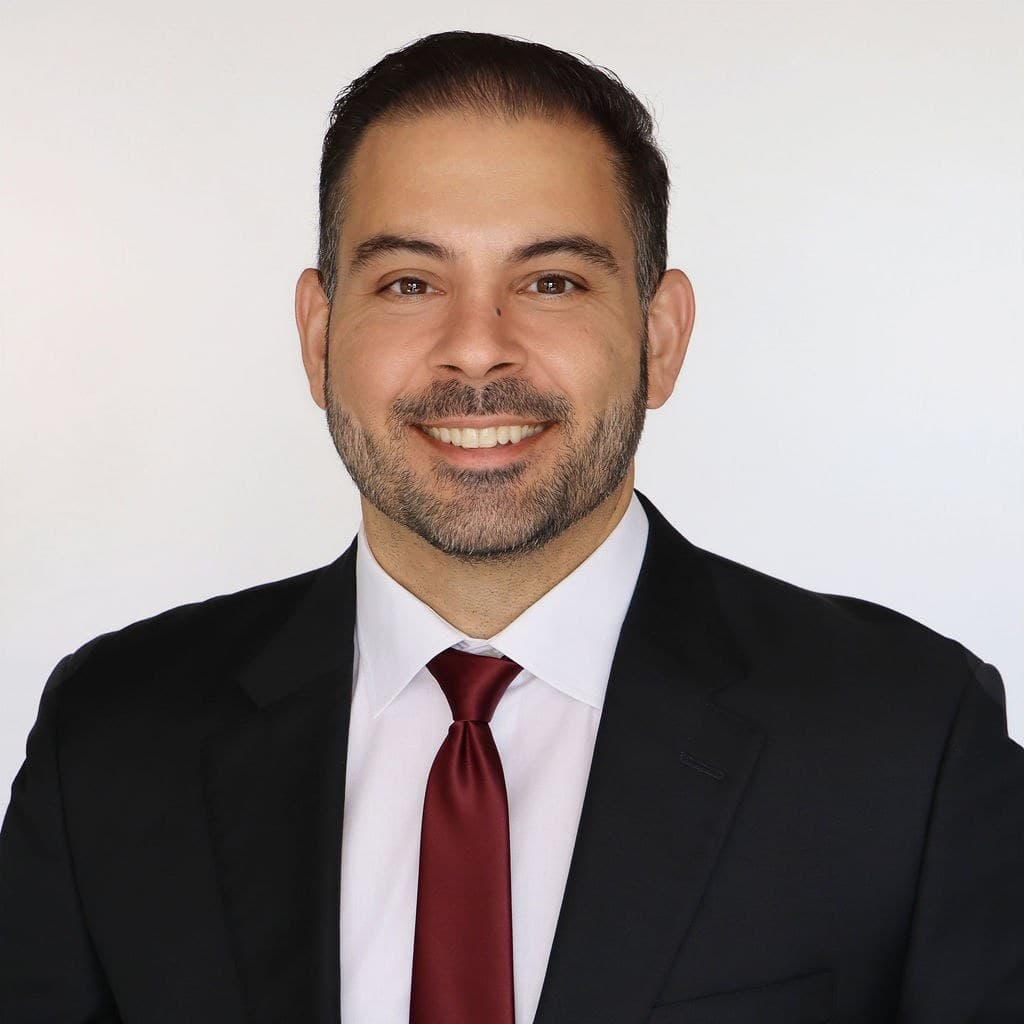
Eman Yazdchi, Esq., Certified Specialist in Workers' Compensation Law, California Board of Legal Specialization, State Bar of California.


California Board of Legal Specialization, State Bar of California
California Board of Legal Specialization, State Bar of California
- 14+
- Years of Practice
- 2,000+
- Cases handled over 14+ years
- $50M+
- Recovered over 14+ years
- 3
- Languages: English, Español, Farsi
Past results do not guarantee, warrant, or predict future cases. Each case is different and results depend on specific facts and circumstances.
Prepared by Yazdchi Law
The short answer is: all medically necessary care. California law places the obligation to provide treatment on the employer, not on the worker's private health insurance. Under Labor Code 4600, the employer must pay for everything reasonably required to cure or relieve the effects of the work injury.
The practical question is almost never what is covered in theory. It is whether Utilization Review will authorize the specific treatment your doctor ordered. Most routine care clears UR without a problem. Complex care like spine surgery and long-term pain management faces heavier scrutiny.
Below: every category of covered treatment. The 24-visit cap for chiropractic and physical therapy. How UR governs authorization. How future medical coverage works after settlement.
What categories of treatment does California workers' comp cover?
California workers' comp covers all care needed to cure or relieve a work injury. That includes doctor visits, surgery, physical therapy, drugs, and medical devices.
Labor Code 4600 puts the cost on the employer. The employer must pay for all care that is needed to treat the work injury. Coverage is broad. It includes the following:
- Doctor visits, specialist care, and surgery.
- Hospital stays and emergency care.
- Physical therapy and rehab.
- Chiro care (subject to a visit cap).
- Acupuncture (subject to a visit cap).
- Prescription drugs.
- Medical devices like braces, crutches, and wheelchairs.
- Home nursing care when the doctor orders it.
- Mental health care for work-related psychiatric injuries.
- Dental care caused by a work accident.
- Prosthetics and orthotics.
Coverage is not limited by the type of treatment. It is limited by medical need under the MTUS.
What is the 24-visit cap on chiro and physical therapy?
Labor Code 4604.5 caps chiro, PT, and acupuncture at 24 visits each per work injury. Post-surgical PT does not count against the cap.
The 24-visit cap was set in the 2004 reforms. It applies to chiro, PT, and acupuncture. Each category gets 24 visits per injury. The cap is not per year. It is per industrial injury. When a worker hits the cap, the carrier stops paying for that type of care.
Two paths can extend care past the cap. One is when the MPN does not have a qualified provider. The other is post-surgical rehab after a surgery approved through the MPN. Post-surgical PT does not count toward the 24-visit limit.
Treating doctors sometimes miss the cap issue. They keep ordering care until the carrier cuts it off. Workers benefit from knowing the cap limit early so they can plan their care accordingly.
Does workers' comp cover prescription drugs and medical devices?
Prescription drugs are covered through the carrier's pharmacy program. Medical devices like braces and crutches are covered when the doctor orders them.
The carrier pays for drugs through a pharmacy program. Generic drugs are the default. Brand-name drugs need extra medical justification. Some drugs face extra scrutiny under the MTUS. Disputes over drug approvals go through UR-IMR just like surgery disputes.
Medical devices are covered when the treating doctor orders them. That includes braces, crutches, and TENS units. For costly devices, the carrier will usually require an RFA with detailed clinical support. A prescription alone may not be enough for high-cost items.
What happens to medical coverage after settlement?
A Stipulated Award keeps future medical care open. A Compromise and Release (C&R) closes future care in exchange for a lump sum.
Cases settle two ways. A Stipulated Award keeps future care open for the accepted body parts. The carrier must pay for all future needed treatment with no time limit. UR-IMR still governs each new request. Workers with long-term care needs often prefer a Stip.
A C&R closes all claims for a lump sum. Once the WCAB approves it, the carrier owes no more medical care. Workers with permanent conditions should think carefully before closing future care. The cost of future treatment should be part of the settlement analysis.
Results in cases like this
Every case is different. Past results do not guarantee, warrant, or predict a similar outcome.
$5,000,000
Catastrophic spinal cord injury
$1,500,000
Cervical spine injury
$425,000
Slip and fall accident
Find Out What Your Case May Be Worth
Two minutes. No fee unless we win; costs may apply.
Question 1 of 5
What type of injury do you have?
Not ready to fill this out? Just call (661) 273-1780 and we’ll ask the same questions by phone.
Free Consultation
Call or send the short form. We review your case, explain your rights, and outline your options. Free, no obligation.
We Build Your Case
We gather medical evidence, handle the insurance company, and file all the workers' comp court (WCAB) paperwork for you.
We Pursue Every Benefit
Medical care, lost wages, and permanent disability benefits. No fee unless we win your case; costs may apply.
How Yazdchi Law Fights for Treatment Authorization
California workers often receive less treatment than the law provides. The reason is usually not the law. It is that no one is pushing the carrier to comply.
The UR-IMR system is built to manage costs, not to maximize care. Workers who navigate it without help often accept treatment denials that a well-organized IMR packet would have overturned. Yazdchi Law helps treating physicians build strong RFAs. It files IMR applications on time. It pursues delay penalties when carriers act without reason.
Eman Yazdchi is a Certified Specialist in workers' compensation law, certified by the California Board of Legal Specialization, State Bar of California. The firm represents injured workers at WCAB venues across California, from Van Nuys to Long Beach to Riverside to Oxnard.
If your treatment is being denied or delayed, call (661) 273-1780 for a case review.
Injured at work? Talk it through for free.
Most claims must be filed within one year under Labor Code section 5405. A free call tells you where your clock stands.
Frequently Asked Questions
Does workers' comp cover surgery?
Does workers' comp cover mental health treatment?
Does workers' comp pay for travel to medical appointments?
What if the carrier refuses to authorize medically necessary treatment?
Can the carrier stop my medical care?
Does workers' comp cover a second opinion before surgery?
Free case evaluation
Get your free case evaluation
Three fields. We respond within one business day.
Talk to a Certified Specialist
Certified Specialist in Workers' Compensation Law, California Board of Legal Specialization, State Bar of California.
Takes 30 seconds. No obligation.
Eman really knows his stuff and we were very pleased with our end result.
I am glad and so very pleased...he made happen what no other attorney could do. So far he has proven his weight in gold.
Client testimonials. Testimonials are not a guarantee, warranty, or prediction of the outcome of your case.